What a week. Here are our picks for noteworthy storylines, including the latest on the Blue Origin rocket explosion, Zuck’s yacht making waves, and more.
‘Everybody gets delayed’: The fallout from the explosion of Blue Origin's New Glenn rocket during a static-fire test in Florida is coming into focus, including months of repairs to the company's only operational launch pad and new doubt over NASA's moon timeline.
Blue Origin received FAA clearance just last week to return to flight following an April launch failure, with the New Glenn rocket cleared to deploy 48 Amazon Leo satellites as early as next week. That mission is now on indefinite hold, as is Blue Origin's entire launch schedule — including a robotic Blue Moon lunar lander mission this fall and a planned Artemis crew lander test next year.
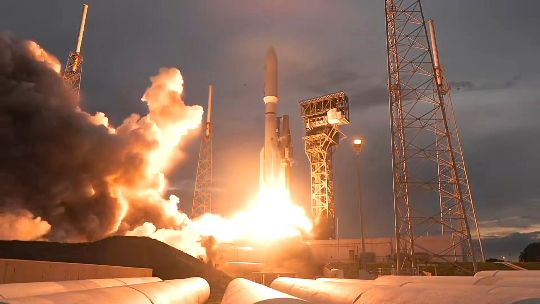
Above: One day after Blue Origin’s New Glenn rocket exploded on its launch pad during a static-fire test, United Launch Alliance’s Atlas 5 successfully sent 29 Amazon Leo satellites into low Earth orbit. (ULA via YouTube)
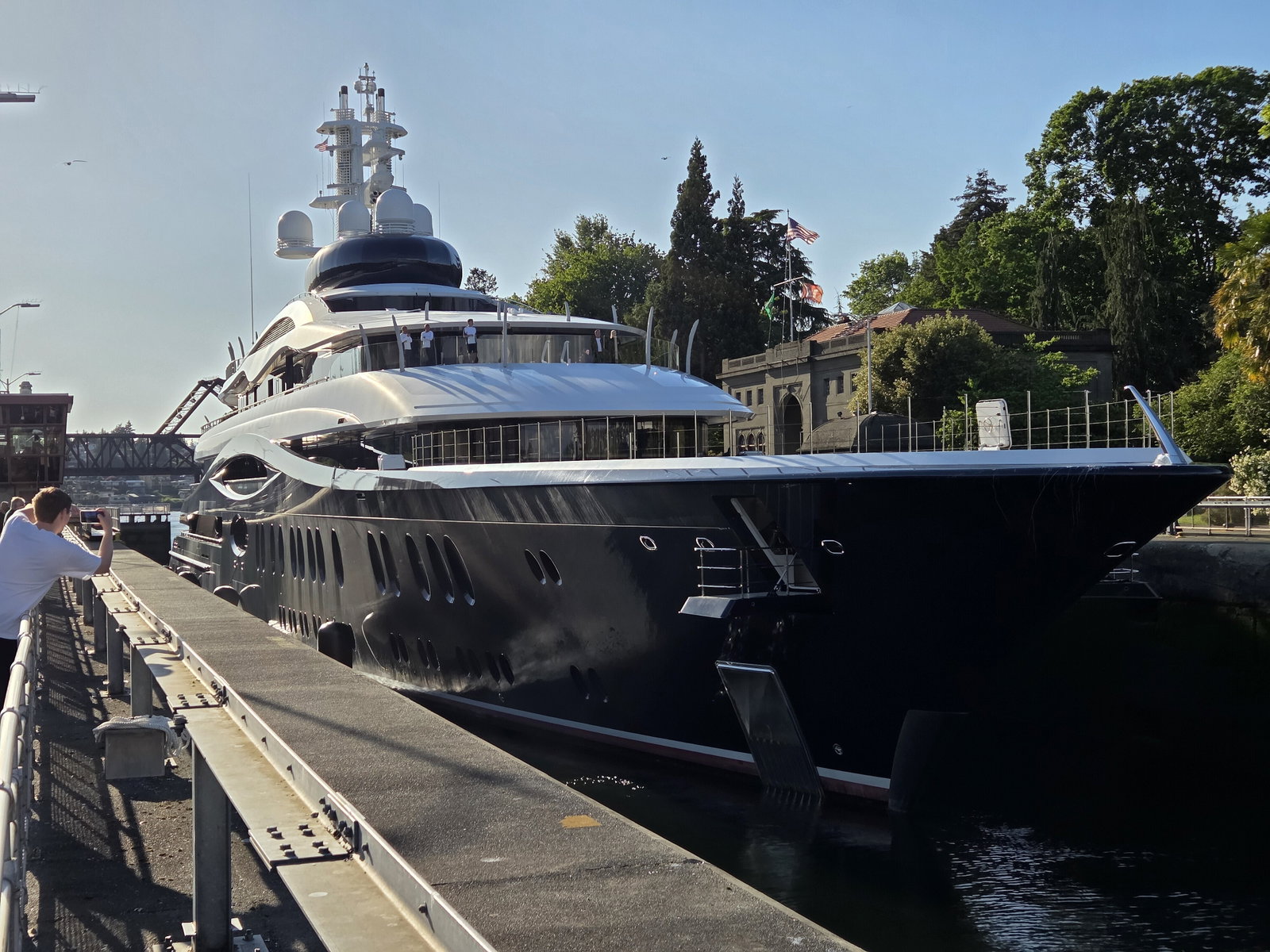
A $300 million yacht collides with 1,400 layoffs in Seattle: Mark Zuckerberg's 387-foot superyacht Launchpad made its way through the Ballard Locks this week — the same day Meta disclosed plans to cut hundreds of jobs in Washington state, about 20% of its local workforce.
The Meta CEO wasn't aboard, but that didn't stop onlookers from heckling the crew as the vessel headed toward Lake Union, where it drew a
steady stream of gawkers, kayakers, and at least one painter.
Across town at Pier 91, Zuckerberg's 262-foot support vessel Wingman — a so-called "floating garage for billionaires" carrying helicopters, tenders, and other seagoing toys — sat quietly docked at a cruise terminal.
The Zuckerboat is the first topic on this week’s GeekWire Podcast, as we try to wrap our heads around the spectacle, and the timing. Also on the agenda: the flameout of robot pizza startup Picnic, and AI expenses coming home to roost. Listen here, and subscribe on Apple, Spotify, or wherever you listen.
Seattle startup rebound: Possible Finance is a tale of three chapters — a rocket launch, a survival test, and now a comeback. The Seattle fintech startup, which offers small-dollar loans as an alternative to payday lending, hit a $125 million revenue run rate last year and posted its first-ever annual profit.
A Bothell biotech scores a $1.5 billion payday: Eli Lilly agreed to acquire Curevo Vaccine in a deal worth up to $1.5 billion, centered on a next-generation shingles vaccine designed to be meaningfully easier to tolerate than current market-leading shots. In Phase 2 trials, Curevo's candidate cut reported side effects — including fatigue, chills, and injection-site pain — by more than half.
Snowflake is doubling down on AWS: The cloud data company has committed to spending $6 billion on Amazon Web Services over the next five years — up from $2.5 billion just three years ago — securing access to Amazon's custom Graviton processors to power its growing AI and agentic workloads.
Twelve AI labs, $127 billion in combined valuation, zero products you can actually buy: AI researcher and UW professor emeritus Oren Etzioni coins a name for the growing cohort of well-funded, pre-revenue AI startups: the Virgin Unicorns. He identifies four patterns — pedigree premiums, Nvidia as kingmaker, unusually wide cap tables, and a shared post-LLM thesis — and asks what history tells us about how this story ends.
Upcoming events: Tech and startup community gatherings on our radar in Seattle and the Pacific Northwest.
Check out the GeekWire Calendar for more.
Thanks for subscribing, and have a great weekend. Feedback and news tips: [email protected]. — GeekWire editor Todd Bishop, [email protected]; reporter Kurt Schlosser, [email protected]; and reporter Lisa Stiffler, [email protected].