|
Olive Oil That Tastes Like Tapenade in a Bottle? Yep!
Pressed from hand-picked, fully ripe olives, Moulin CastelaS’ “Black Fruit” olive oil is the polar opposite of grassy, sharp EVOOs. Just a drizzle adds an extra punch of savory, truffle-y flavor. Inventory is running low.
|
|
The best olive oil always comes from the first pressing of early-harvest, ultra-green fruit, right? Not necessarily. In Provence, some olive oil makers press fully ripened, lightly fermented olives to produce an oil that tastes like liquefied tapenade: savory, a little funky and without even a hint of bitterness. This style of olive oil, called Fruité Noir (Black Fruit), is very rarely seen in the States—but we managed to track some down. |
|
The first taste of Moulin CastelaS’ Noir d’Olive Oil might make you do a double-take, especially if you’re used to peppery, grassy extra-virgin olive oil. This stuff is buttery, rich and soft, with the distinct savoriness of preserved black olives and subtly funky notes of truffle in the finish. In many ways, it’s big contrast to most finishing olive oils, and yet that’s exactly how we love it best: drizzled over grilled steak, roasted veggies, crispy fried eggs, hummus or, of course, tapenade. You can also use it on its own as a flavorful dip for bread—ideally well-toasted and rubbed with fresh garlic. |
|
|
|
The first taste of Moulin CastelaS’ Noir d’Olive Oil might make you do a double-take, especially if you’re used to peppery, grassy extra-virgin olive oil. This stuff is buttery, rich and soft, with the distinct savoriness of preserved black olives and subtly funky notes of truffle in the finish. In many ways, it’s big contrast to most finishing olive oils, and yet that’s exactly how we love it best: drizzled over grilled steak, roasted veggies, crispy fried eggs, hummus or, of course, tapenade. You can also use it on its own as a flavorful dip for bread—ideally well-toasted and rubbed with fresh garlic.
|
|
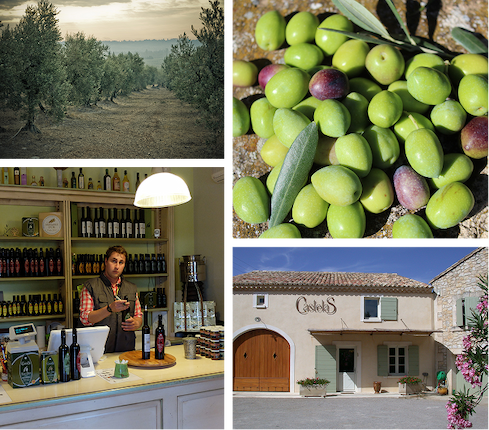
Noir d’Olive oil gets its unique qualities from a process called couffé, which is key to the Fruiteé Noir tradition. It starts with hand-picked, perfectly ripe olives (specifically Salonenque, Aglandau, Grossane and Verdale varietals) that are stored in an oxygen-free environment for three days to ferment a little before pressing. The combination of ripe fruit and controlled anaerobic fermentation is what gives the finished oil its rounded, distinctively cured flavor and aroma. It’s an old-fashioned way of making olive oil to be sure; very few producers still practice it. But Moulin CastelaS is so dedicated to Fruite Noire that they grow, harvest and press all their olives themselves—no middlemen involved—giving them complete control over the entire AOP-certified process. And once you taste their olive oil, you’ll agree it’s worth the effort. |
|
Reviving a Provençal Icon Nearly Lost to Time |
|
The global quest to produce the greenest, grassiest, freshest EVOO almost wiped Provençal Fruité Noir oil off the map. This traditional specialty is made via couffé, a process that allows olives to ferment before pressing, giving them a savory, tapenade-like flavor and aroma. Historically, farmers in Provence would achieve couffé by accident—they’d let piles of olives sit for a few days until they had enough to press, causing the fruit in the middle of the heap to undergo anaerobic fermentation. Today, Moulin CastelaS intentionally ferments their olives by storing them in an oxygen-free environment. |
|
|
|
|