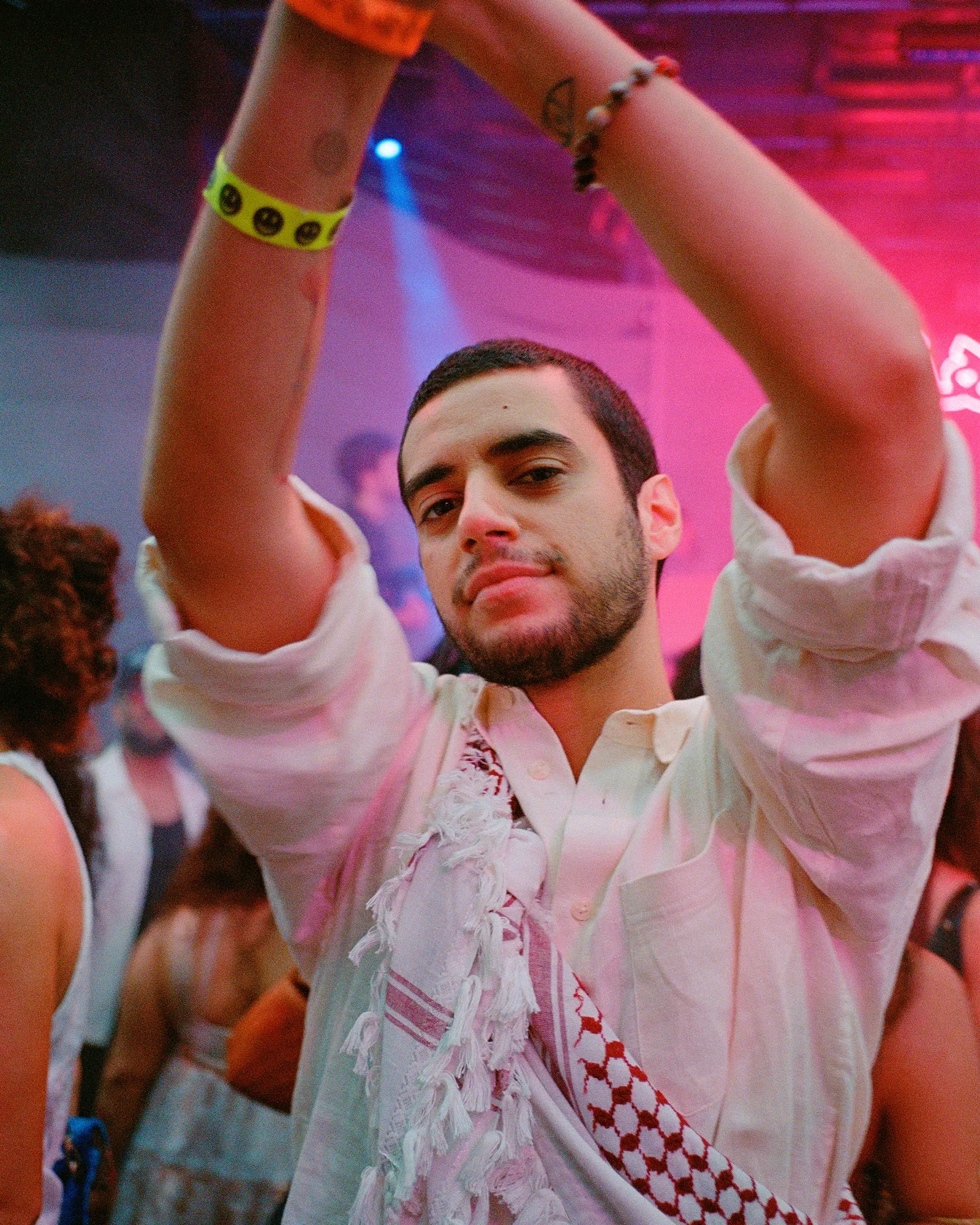
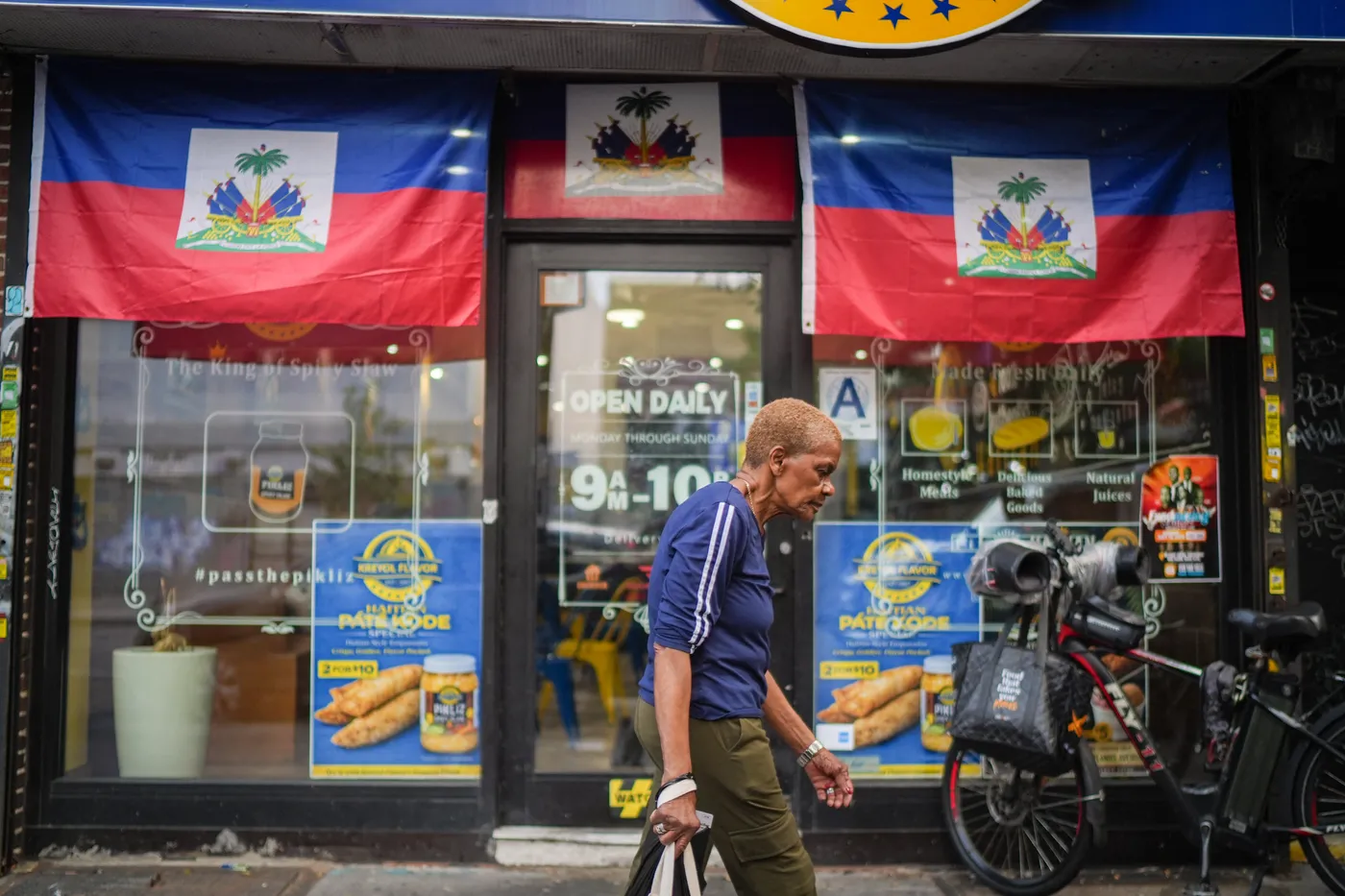
The community has always been here. New York’s diasporas hailing from Middle Eastern and North African countries are fixtures in a city where practically every street corner has a bodega, halal cart, or Crown Fried Chicken. They haven’t always, however, been able to show pride in where they came from without fear of reprisal. These days, it feels very different to be Arab, or Iranian, or Muslim in this city than it did 25 years ago post-9/11. Over the past decade, and particularly after the war on Gaza, a new generation of artists, chefs, comedians, designers, and others has built unprecedented cultural and political capital. Together, they’re what you might call a scene. Where our diasporas once seemed siloed, the new SWANA scene is increasingly united across identities — Iraqi, Yemeni, Egyptian, Sudanese, Mauritanian, Afghan — and bound together by shared values. It was born out of the pain of the genocide in Gaza, which has led many young people to search for community in the city and build it where it didn’t exist. They found it at protests and in bars and cafés, at comedy shows and clothing pop-ups and fundraisers that turned into all-day hangs. And they found it in the election of the city’s first Muslim mayor and in the Syrian American First Lady.
This issue is an attempt to capture the people and places defining this era: From a thriving party circuit and a growing number of upscale SWANA restaurants around the city, to the artists, chefs, DJs, and others who are shaping the scene, the families who gave the city a taste for Arab food, and the comedians redefining the Arab joke. Anchoring it all is this sweeping essay by Zaina Arafat, tracing how we got here and what happens when a long-villified community suddenly becomes cool. It’s not that Islamophobia has gone away (we have the New York Post for that). But out from under it, a vibrant culture has formed.
—Mariam Aldhahi, managing editor, and Gazelle Emami, editorial director