Peggy Siegal, the once indomitable film publicist, did not want to talk. Known, for four decades, for connecting the disparate cultured classes of New York and Hollywood through chic dinners and exclusive screenings, Siegal had been pushed out of her career and position in high society in 2019, when the New York Times reported that she’d been among the “social guarantors” who’d aided Jeffrey Epstein’s return to elite circles after his first stint in jail. She had already paid a severe price — more than her fair share, she believed — for their past relationship. Now that more than 5,000 emails between the two had been released, she was panicked at the prospect of returning to this particular spotlight. “Will it be another seven years? How many times do they have to discredit me?” she asked. She meant the press.
And yet she talked — at length, over the phone, through voice-mail, and in text messages. She told us about her very first conversation with Epstein, who was then a financier; she described what drew him to her; she tried to parse what she’d known and what she hadn’t, stepping around holes in her logic, torn between mounting a sympathetic defense and portraying herself as glamorous, undefeated, and blameless. “I have been a student of media mind games as a film publicist for decades,” she wrote in a text. The idea seemed to be that she knew exactly what she was doing.
—Katie Ryder, features editor, New York
|
|
|
By Jessica Bennett and Katie Ryder |
|
|
Subscribe now to get unlimited access to everything New York, including subscriber-only newsletters, exclusive perks, the New York app, and more. |
|
|
Air-warfare expert Robert Pape tells Intelligencer’s Benjamin Hart that the joint U.S. and Israeli air strikes on Iran are more likely to deepen Trump’s foreign-policy dilemmas. |
|
|
|
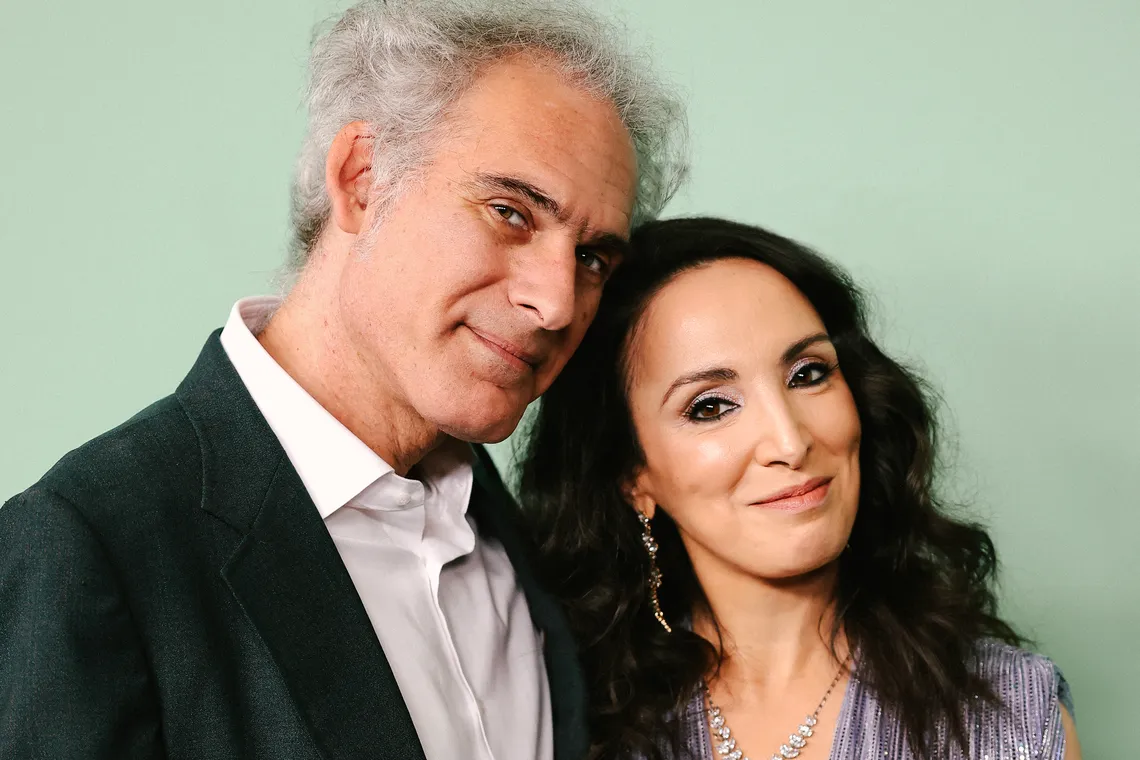
On Vulture, Alison Willmore profiles husband-and-wife filmmakers Mary and Ronald Bronstein, who, after two decades of trudging through the indie-film world, both have movies nominated for Oscars at the same time. |
|
|
|
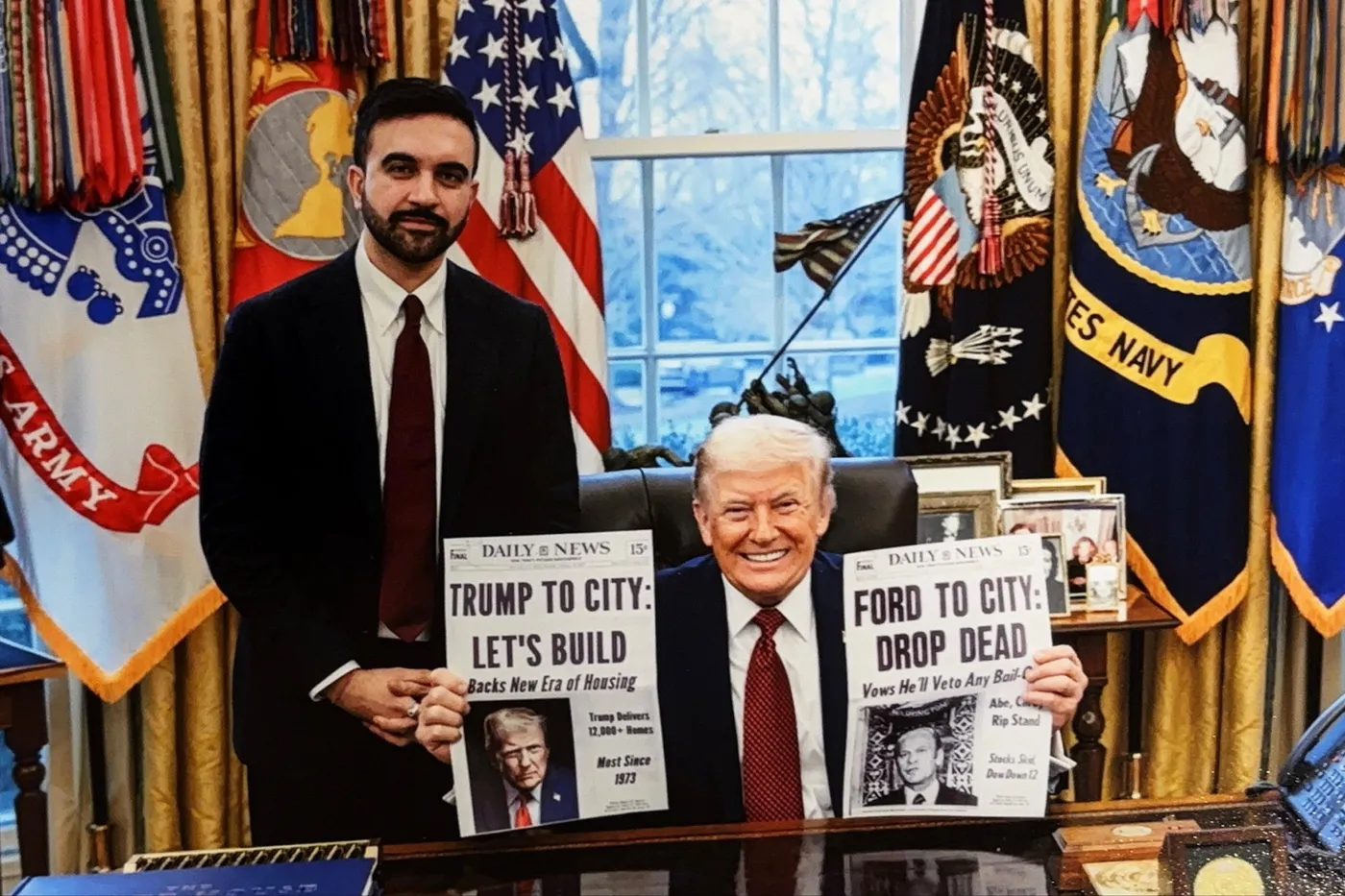
Mamdani and Trump’s plan to build 12,000 affordable apartments in Sunnyside, Queens, was an amazing and surreal media moment, argues Errol Louis. But it still looks like a long shot. |
|
|
|
“He changed his mind.” The Cut’s Angelina Chapin writes about the men who decide deep into a child-free relationship that they do want children — and the breakups that ensue. |
|
|
|
Chief restaurant critic Matthew Schneier reviews Golden Steer, the city’s newest steakhouse that celebrates Sin City’s seedy history and reinforces its reputation for so-so food. |
|
|
|
Previous One Great Story Picks |
|
|
|
A biweekly newsletter about what the literati are really thinking. |
|
|
If you're enjoying our reading recommendations, consider forwarding this newsletter to a friend. If someone forwarded this newsletter to you, you can sign up here.
|
|
|
https://link.nymag.com/oc/611a318d9063ba338d0c9636qhrei.1wdx/7bf59301
|
|
|
|