Why we need reparations in New York
Our new report explains what reparations are and why they matter to Black New Yorkers.

Is this your brand on Milled? Claim it.

|
|
||||||
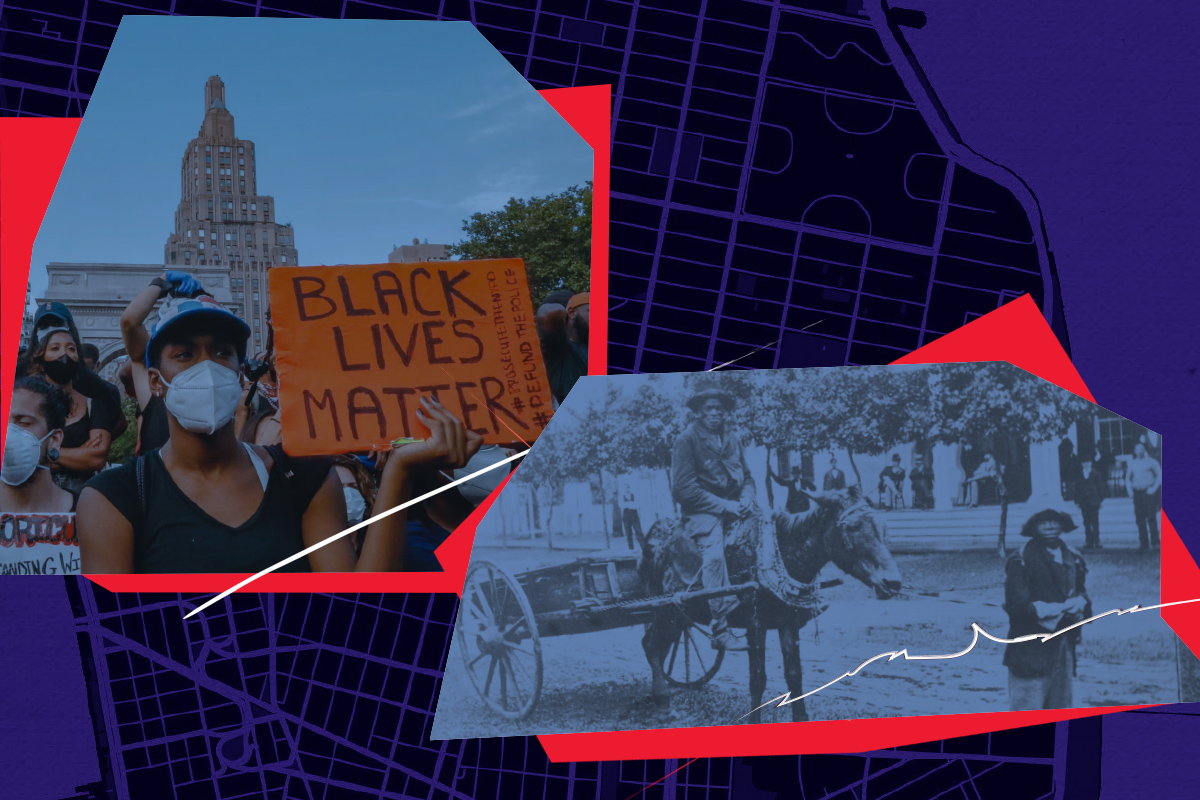
Friend – Too many people mistakenly think of slavery as an institution of the South, imagining that New York State had little if anything to do with its legacy. But as our new report shows in vivid detail, New York benefited directly and enormously from the labor of enslaved Black people – and that legacy lives on in many of our state's laws and policies. Read our report on the legacy of slavery in New York. The first enslaved Africans arrived in what is now New York City in 1626. At the height of slavery in the state, approximately 20,000 New Yorkers owned Black people and profited from their forced labor. After two centuries of human bondage, New York outlawed slavery in 1827 – but its stain remains. Today, New York has one of the widest racial wealth gaps in the nation. Black families have 15 times less wealth than white New Yorkers. They are less likely to own their homes and more likely to live in undervalued areas where environmental contamination is rampant. These discrepancies are the direct result of racist systems built, defended, and maintained by New York's state government dating back to the era of slavery and extending through segregation and into the present day. In every corner of the state, we can clearly see the harm produced by practices such as redlining, which pushed families into segregated neighborhoods and denied them opportunities to build generational wealth; a criminal legal system derived from slave codes; and voter restrictions and gerrymandering that dilute Black political power. There is a clear and urgent need to begin to repair these wrongs. That's why the NYCLU has just released a joint report with the Legal Defense Fund: "The Other New York: The Legacy of Slavery and the Case for Reparations Now." We detail what reparations are, why they're needed, and why they matter.
Reparations matter to everyone who wants to live in a fairer, stronger, more democratic state. We hope you'll read and discuss our report with friends, colleagues, and loved ones who can help us make reparations a reality in New York. Thank you for fighting for racial justice.
Lanessa Owens-Chaplin |
|
||||
|
This email was sent to: -
You are receiving this message because you signed up to receive emails from the American Civil Liberties Union. Unsubscribe Please note: If you forward or distribute, the links will open a page with your information filled in. We respect your right to privacy – view our policy. This email was sent by: NYCLU 125 Broad Street New York, NY 10004 |