Should you get a manual or electric citrus juicer?
 |
Hannah Crowley
Executive Editor, ATK Reviews
|
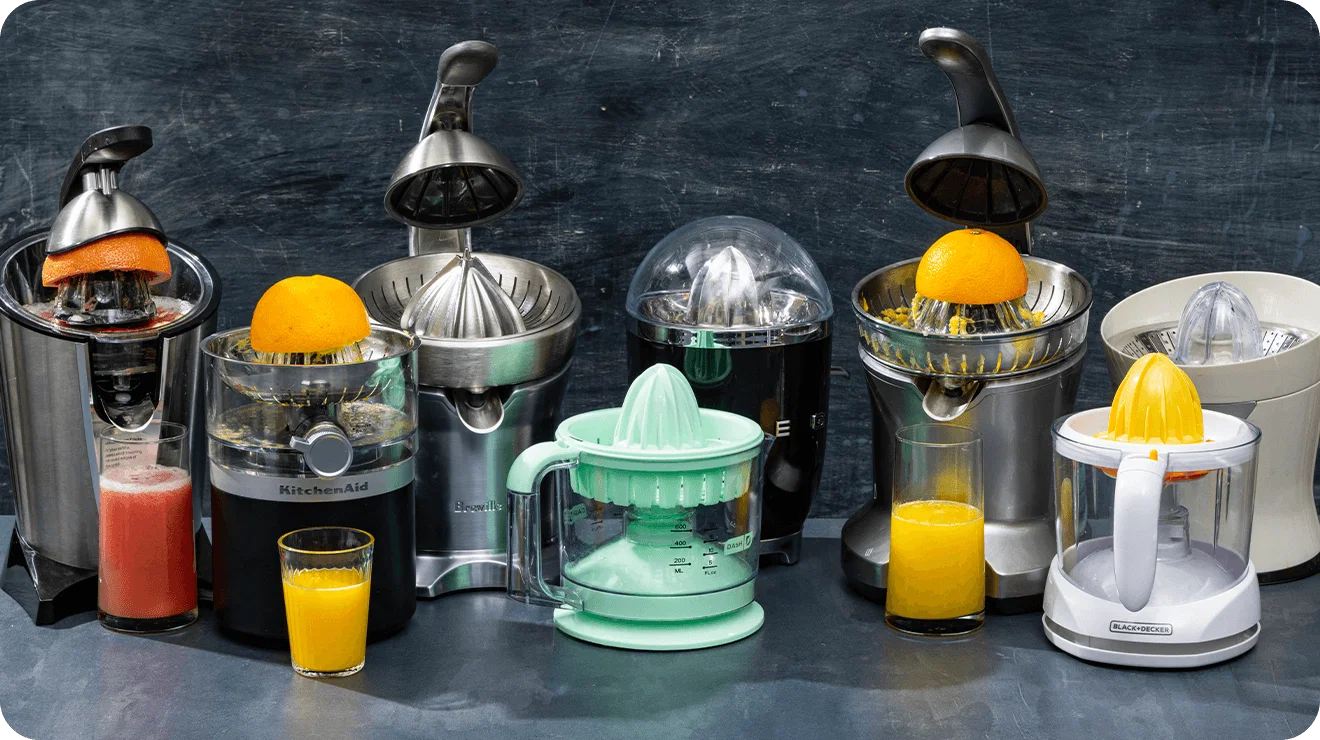
The lively, complex flavor of fresh citrus juice is unbeatable. The array of dedicated kitchen tools for extracting it can be dizzying. We cover both manual juicers and electric models. The former is powered by you, while the latter is, of course, powered by electricity.
A manual juicer like our winner from Chef’n is great to have on hand. It fits neatly into a drawer, is quick and easy to use, and extracts plenty of juice for small jobs such as salad dressing or a single cocktail.
Where electric juicers prevail, however, is volume. On average, lemons contain 40–45 percent juice by weight. Our favorite electric juicer from Breville achieved an average yield of 37 percent, while the manual juicer from Chef’n yielded only about 23 percent.
The difference is significant. If you frequently want to make a large volume of fresh citrus juice, it may be worth investing the money and counter space in an electric juicer. For everything from a big batch of margaritas to a pitcher of lemonade or fresh OJ, they make a world of difference and reduce waste. They can also be a great help for those with diminished hand strength, though they do require some.
If you’re a citrus juice–lover, the ideal scenario is to have both a manual and an electric juicer for whichever the task calls for. You know I do.
Cheers,
Hannah
Read our full review of electric citrus juicers.
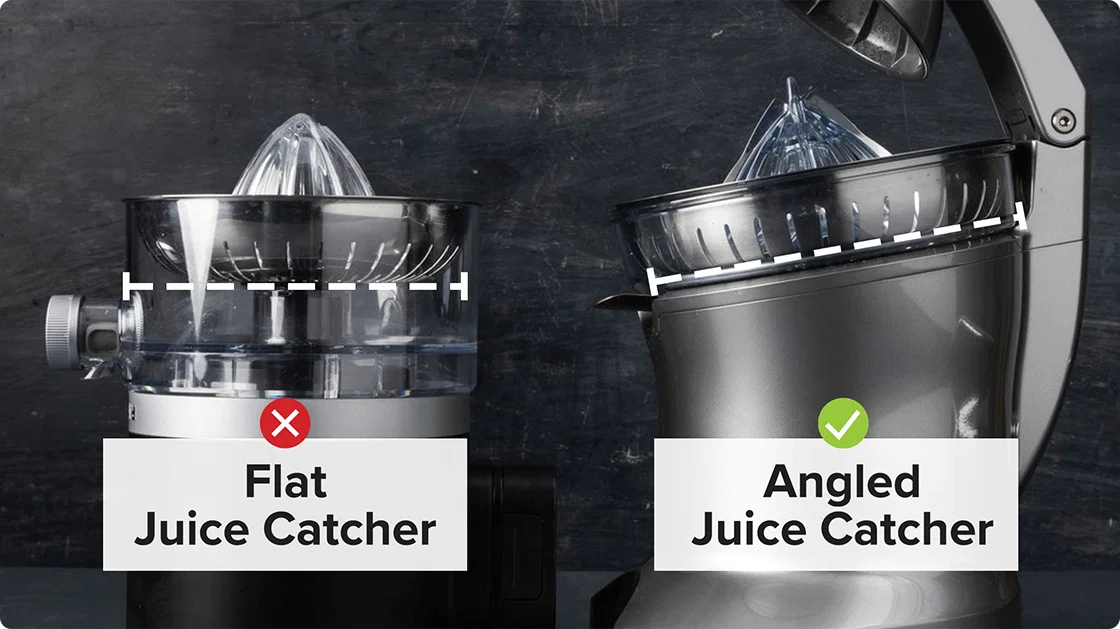
What good is a juicer if you can’t get all the juice? We preferred machines with angled juice catchers, which encouraged juice to flow toward the spout. Models with level juice catchers retained little puddles of juice that were difficult to retrieve.
|
|
|
Pro Tip
If a juicer is left to dry before washing, seeds and pulp can get stuck on juicer parts, which makes them more difficult to clean. It’s best to wash or rinse them immediately after use. Make sure the parts are completely dry before reassembly.
|
|