My desert-island skillet
 |
Lisa McManus
Executive Editor, ATK Reviews
|
Over the years I’ve tested every type of skillet, from carbon steel to cast iron (and enameled cast iron) to copper. I love aspects of each, but if I were forced to take only ONE pan to a desert island, I’d pick a stainless-steel skillet.
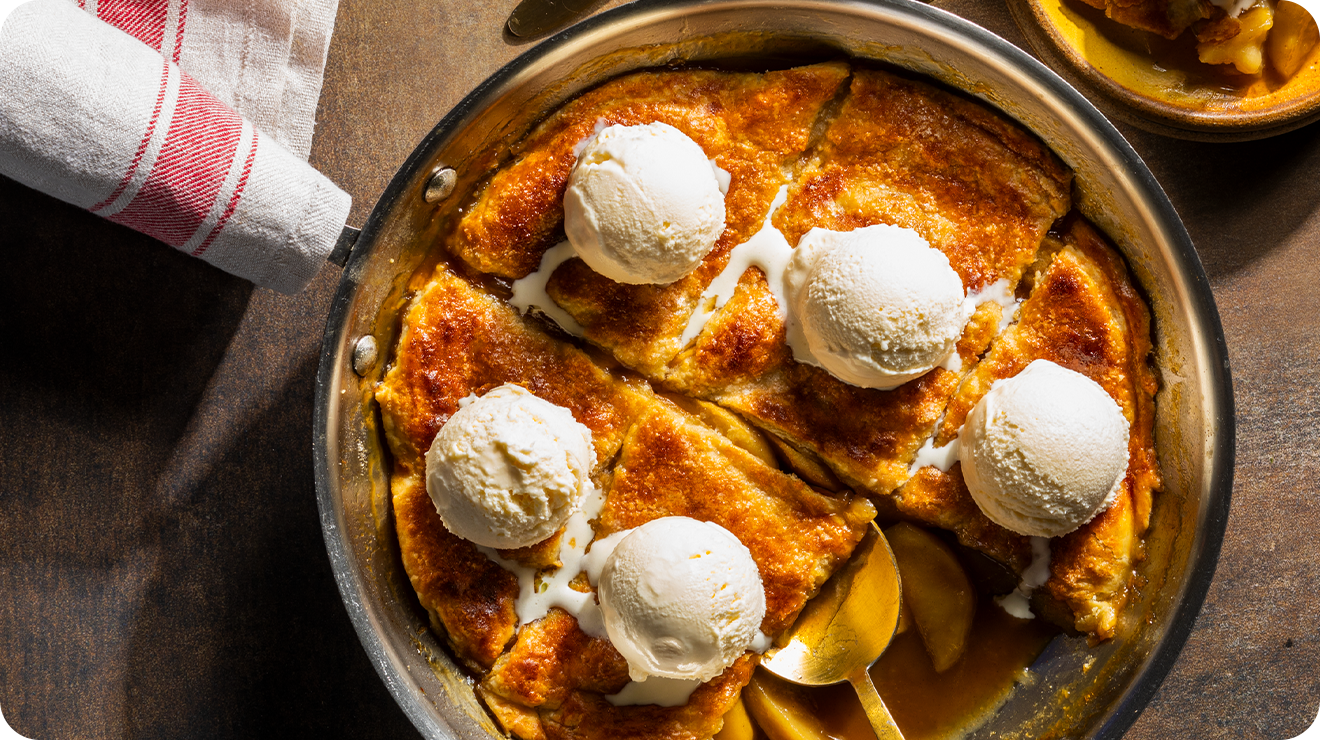
It’s never going to rust or tarnish and doesn’t require much maintenance. Steel is nonreactive and tough. More importantly, it’s incredibly versatile: I can pan-roast vegetables, sear steak or fish, make luscious pan sauce, roast a whole chicken, or even bake an apple pie. The all-metal pan works on the stove, in the oven, and under the broiler. (And on that desert island, I could use the shiny surface to signal rescuers!)
My only quibble: Calling these pans “stainless steel” is a little misleading. They’re fully clad, which means they’re made of bonded layers of stainless steel sandwiching a layer of aluminum. Each metal contributes its best qualities, so the pan transfers heat well, responds quickly to temperature changes, and browns so beautifully and evenly that it makes me look like a better cook.
Here’s hoping I never have to choose between my skillets. Stainless steel is a keeper.
Read our full review of stainless-steel skillets.
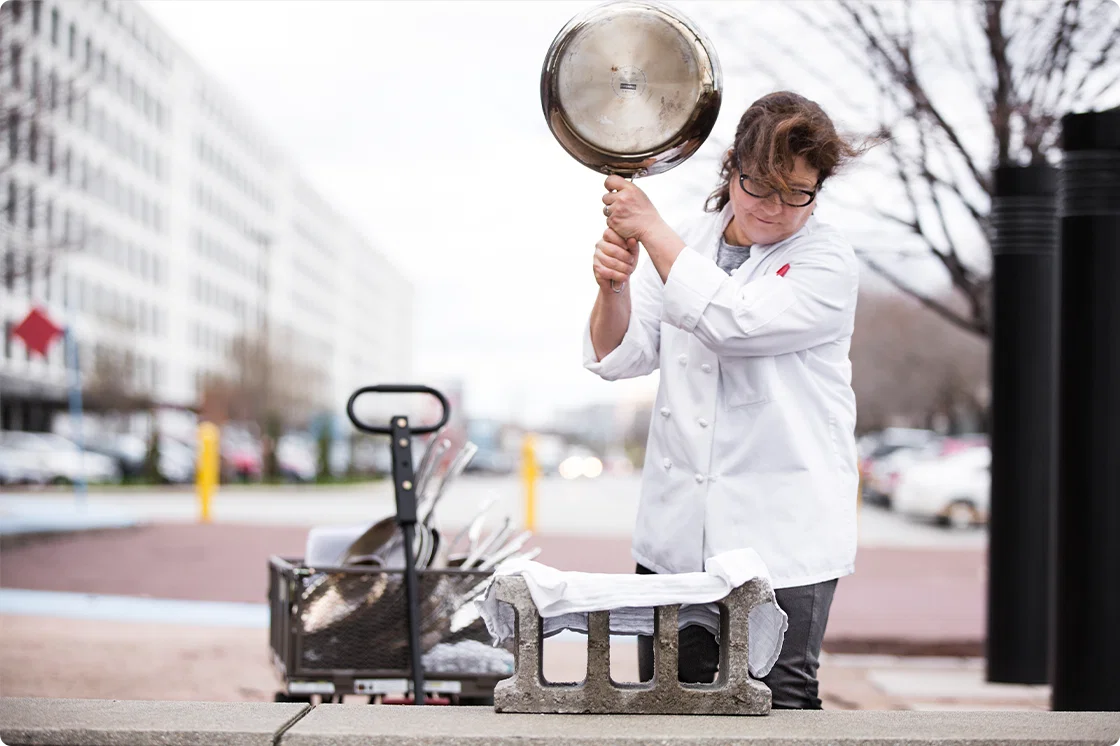
Not only did we cook a ton of food in the skillets, but we also put them through rigorous durability testing to make sure they’ll really hold up. Whacking a skillet on a concrete block tests how well it withstands dents.
|
|
|
Pro Tip
If you’re used to nonstick, a steel skillet takes some adjustment. By preheating the pan before adding food, and using plenty of cooking fat, food releases more easily.

@testkitchen on Instagram
|
|
|