|
Thank you for joining us.
|
|
|
|
|
|
|
In conversation with the Senior Advisor to Paid Leave for the US.
|
|
|
Q | It’s wild how long we’ve known each other and every time we reconnect it seems to mark a new phase of our lives. Every step of your journey you’ve been on the leading edge of both political and social change, with a particular emphasis in the last decade on empowering women in lasting and institutionalized ways. How would you define the present moment?
Vanessa, first let me just say, doing this interview with you makes my heart so happy. I am so proud of how you have manifested your vision with Another Tomorrow. You inspire me. The success of Another Tomorrow is a bright spot in the world of women founded businesses. I don’t have to tell you that the present moment is not great, especially for women, even more so for women of color. Many of the gains we made in terms of equity over the last decade were erased by the pandemic. I would argue that women are now worse off than they have been in decades. Choices and opportunities that we once took for granted, like abortion or our kids going to school without the fear of a virus, now seem a distant memory.
However, there is a bright light and that is the fact that women have always fought for equity and opportunity and they’re not going to stop now. There are silver linings and I am choosing to focus on those!
|
|
|
Q | I find the diversity of your experience incredibly inspiring. You’ve worked within some pretty high intensity organizations from your experiences on campaigns, in key roles in the offices of elected officials, working to get women elected to higher office and within organizations like the Wing and the Riveter. How has your experience shaped your perspectives on systems change and your decision to pour your energy into Paid Leave?
When we met way back in 2003 at the start of our careers, I thought I could achieve all of my career goals, change the world and on top of that have the family life conjured up in my dreams. Fast forward twenty years and that “have it all” mentality has shifted to a mindset of, “there is more to fight for than just yourself.” And I think for most women our age, a life that includes a successful career, a happy home life and making social change seems damn near impossible (especially during a global pandemic). In a way, I think that’s how I view my privilege. It’s my purpose to leave the world better than I found it because I can. Sure, I’m doing it for my kids, but also for those kids who have moms who can’t do what I do. I can call members of Congress, write an article, shine a light on broken policies and bang the drum of equity, over and over and over again.
Gender equity was actually progressing, especially in the workforce. However, the pandemic pulled back the curtain to a view of working motherhood that was not pretty. Over 2 million women left because they had to choose between work and caring for themselves and their families. When we don’t have schools, daycares, and paid leave, people can’t work, our labor force is depleted, household incomes drop and long-term economic growth suffers, both for families and for our country.
Everyone should be able to be with their families in the moments that matter most. I used to say, “I was lucky to have paid leave when I had my two children.” It shouldn’t be luck or privilege that determines whether a working person can care for themselves or their family.
This is the greatest opportunity we’ve had to win paid leave in decades and I’ve chosen to throw all of my energy into this effort.
|
|
|
Q | Can you dig a bit deeper into Paid Leave for our community? It’s a pretty global audience and the policies of the US on this topic tend to be quite an outlier.
Can you believe that the United States is the only high-income country in the world without any paid family leave? Today, 1 in 3 Americans lack access to a single day of paid leave to care for themselves or their loved ones. That’s 113 million people, overwhelmingly women, communities of color and low-wage working families. We are going to change that.
Paid leave is fundamental to economic growth, job creation and retention. We invest in roads and bridges to make sure working people can get to work and businesses can thrive. We also need to invest in our families, by establishing programs to provide essential benefits like paid family and medical leave, to make sure that working people can keep their jobs, earn a paycheck and keep their loved ones safe and healthy. We hope to put a bill on President Biden’s desk by the end of October that will include the first federally mandated paid leave program in our country’s history. It’s part of his Build Back Better Agenda and the legislation is being debated in Congress as we speak.
|
|
|
Q | The past 18 months have been an opportunity for deep reflection and I’m finding there is a huge groundswell of desire and intention among women to use their energy, resources and unique strengths to both support other women and to help reshape the institutions and policies that now appear patently out of touch with a just and sustainable future. At the same time, it’s often far from obvious where to start. What do you recommend as some practical first steps?
My old boss and friend, Senator Kirsten Gillibrand always said, “There are decisions being made in Washington every single day that affect your life. If you don’t get involved, even in a small way, then you can’t complain.” There is no such thing as women's issues, but laws do affect women differently. So take any issue you care about or is meaningful to you and start on the local level. Volunteer for a non-profit organization or to serve on your local community board. Have a specific skill like writing? Put it to use by authoring an op-ed for your local newspaper. Educate your friends and family on an issue and tell them to vote for the person who supports your position.
|
|
|
Q | You’ve had such a remarkable career and impact and I always like to ask one perhaps uncomfortable question as success can appear so linear and seamless from the outside. Has there been, what Seth Godin coins “The Dip” for you? That miserable moment when what you’ve been trying to achieve or are building feels like an impossible grind...And if so, could you share a little bit about a dip you’ve experienced and how you navigated?
You might remember that I managed a long-shot political campaign in New York City when I was 26 years old. I was proud of this job and the “big” salary helped me pay my student loans and afford to live in the greatest city in the world. However, I didn’t tell any of my friends that the candidate was verbally abusive, screamed at me and told me daily what a terrible manager I was. I began to believe it and after the inevitable loss, he asked me what I learned about the experience. I said, “I learned that I am a bad manager.” And he said, “That’s right, you’ll never succeed in politics.” It has taken me more than a decade to realize that was not true and that is was a reflection of this man’s intense insecurity and lack of accountability for his own performance and political acumen. I didn’t pursue a job in politics for many years because of that “advice” from him.
It wasn’t until Senator Gillibrand invited me to come work with her in the Senate as her personal aide and Senior Advisor that I started to think of my relationship to politics differently. It has taken me years of new work experiences, taking risks and what my therapist calls, “dropping into myself” to get to where I am today, which is not without doubt, but with a whole lot more confidence that I can affect change and provide valuable leadership.
Oh and I learned that more women need to run for office!
|
|
|
|
|
|
|
|
|
|
|
|
|
Q | On a lighter note, we love sharing current sources of creative energy, solace and just plain joy. Are there other people, books, art, film, music or other aspects of culture that currently inspire you that you’d like to share?
Well, I am definitely more in the seeking solace and joy frame of mind right now. I was never much of a TV watcher, but since the pandemic began, I find it helps me unclench my jaw. I loved The Chair and Mare of Eastown (many of my relatives have the exact same accent as Kate Winslet’s character and it made me smile despite the depressing story). I am also really excited about a painting I just purchased by an artist named Mekia Machine. Check her out.
|
|
|
Q | In closing, where do you experience alignment with Another Tomorrow? What resonates for you? Do you have a favorite piece of the collection?
You’ve taken such great care in building this company and sharing the stories of your suppliers, whether the weavers in Italy or the sheepherders in New Zealand; the stories make me feel so much more connected to these objects that normally I wouldn’t have thought twice about. As I get older, I’m trying to invest more in quality pieces, rather than focusing on quantity. Another Tomorrow has all of the items I would need for my wardrobe. I love the blazers and how powerful I feel and look when I’m wearing them.
|
|
|
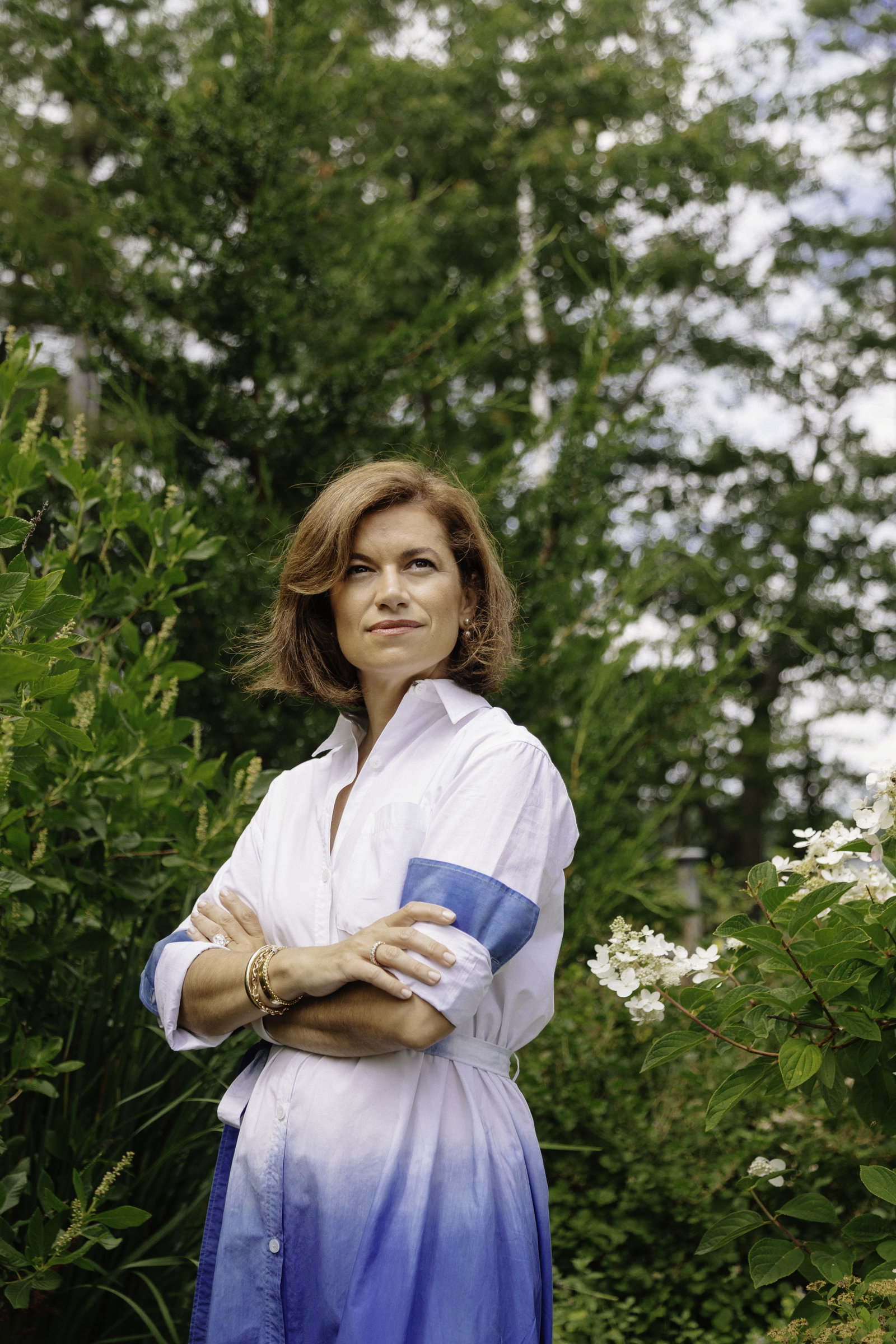
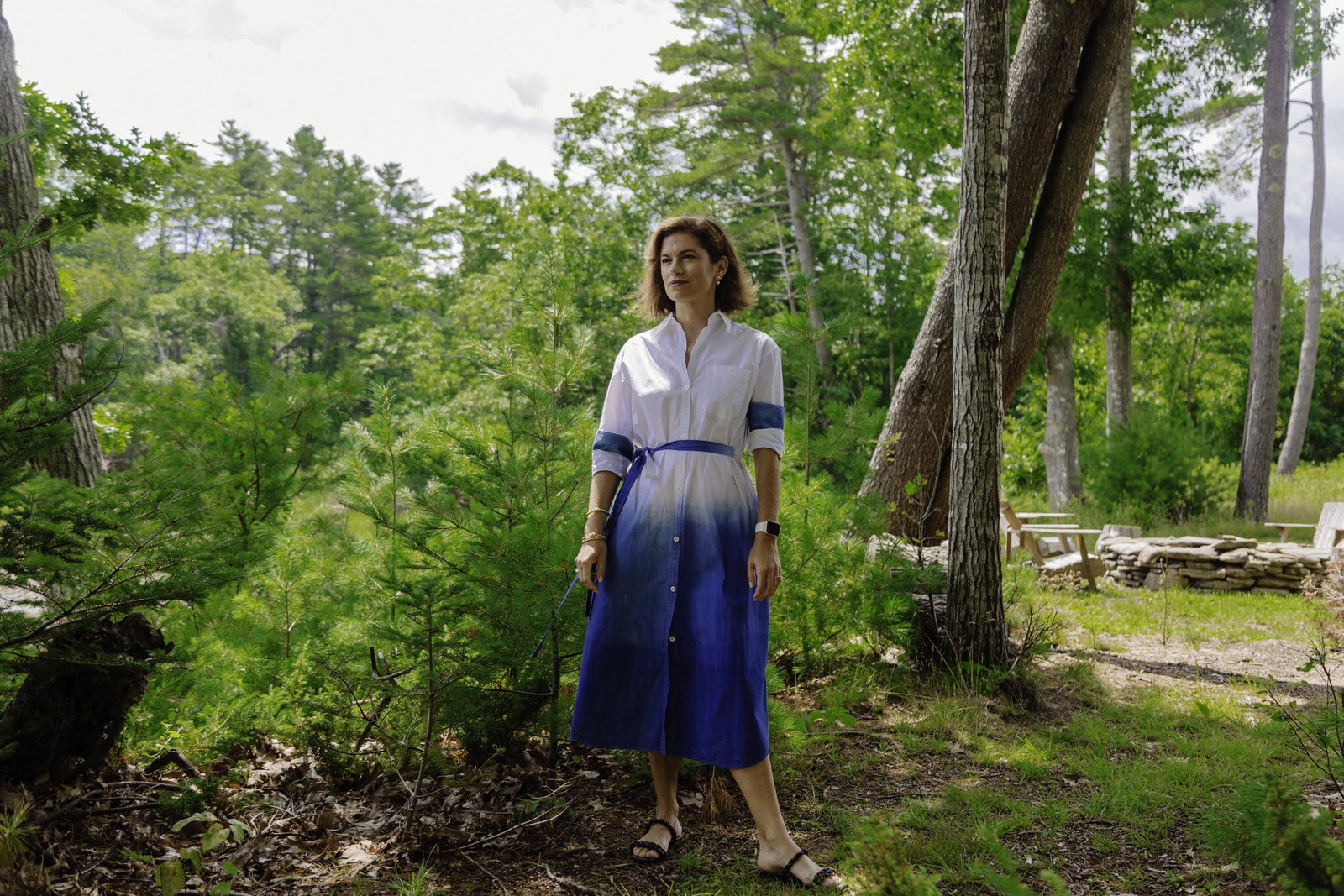
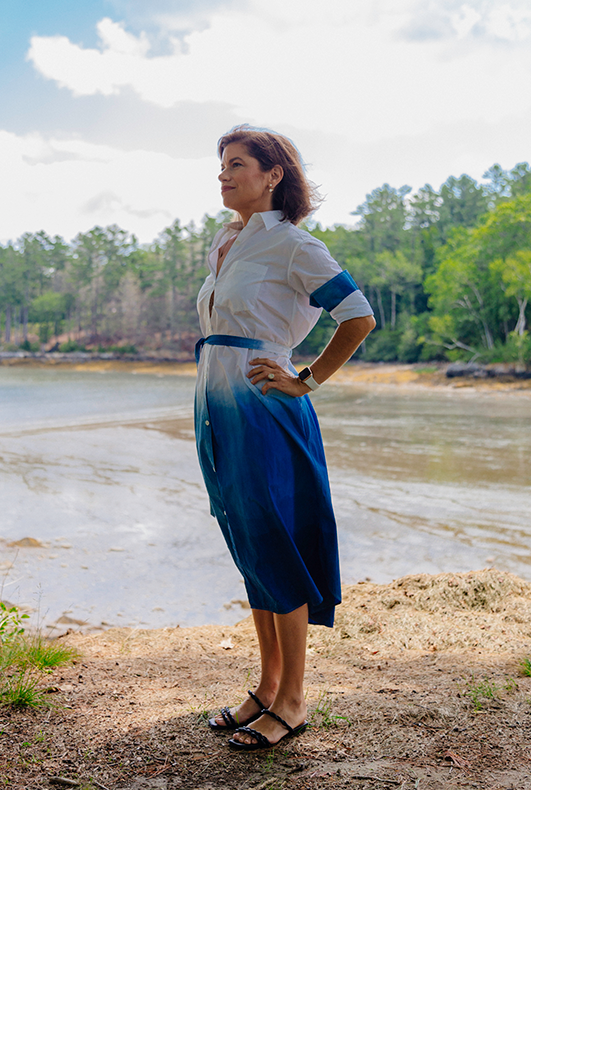
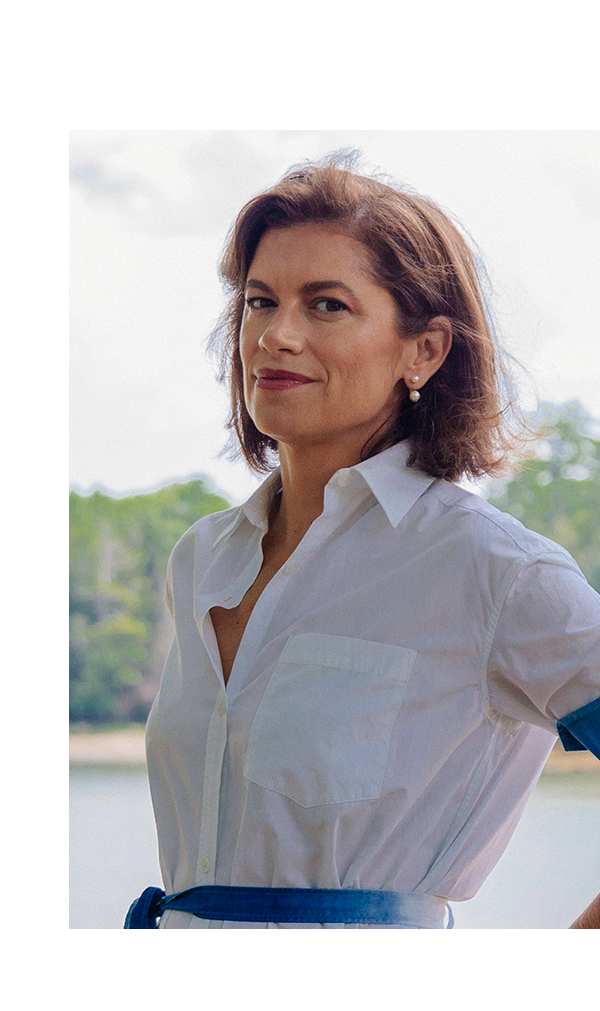
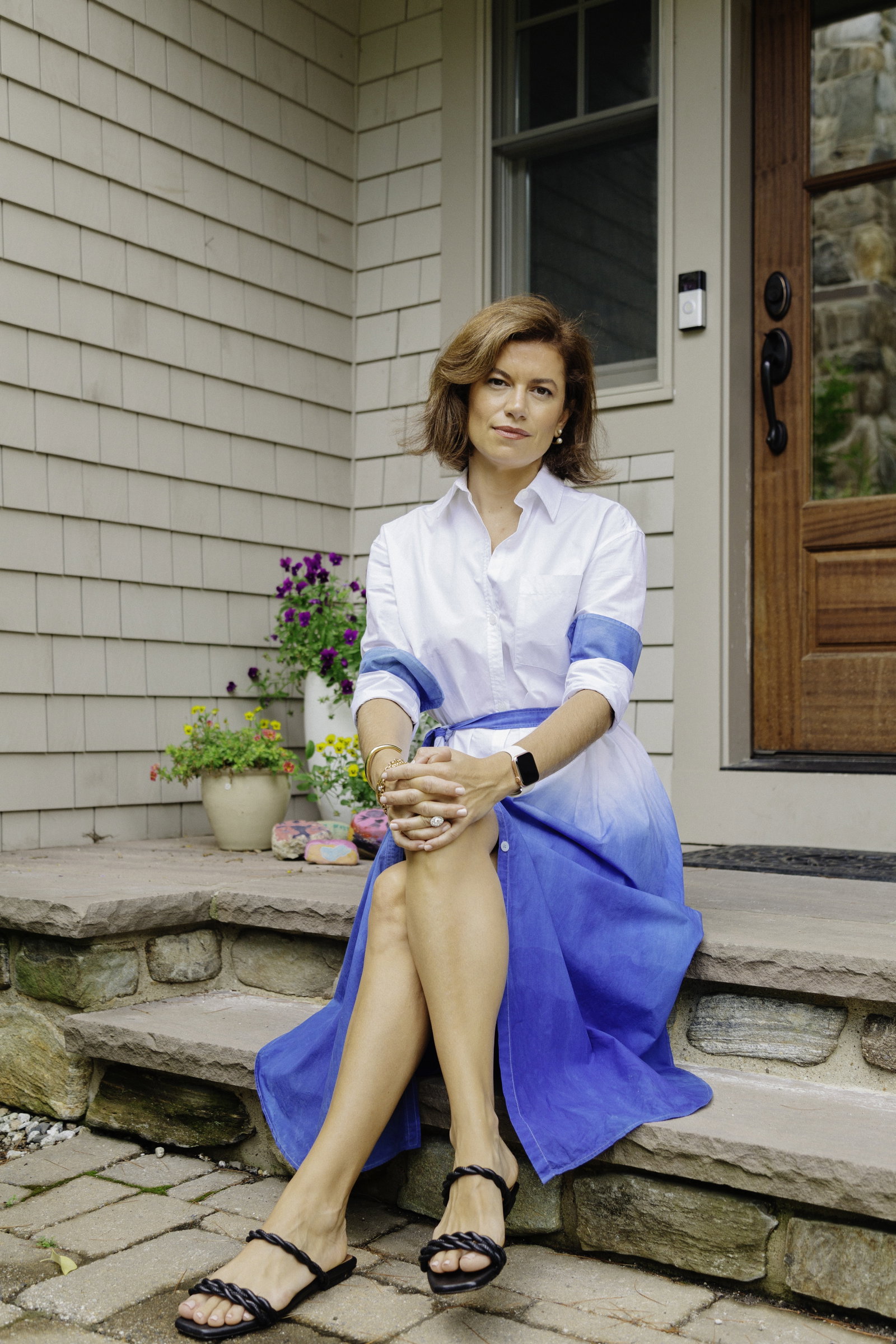
Giovanna wears our Dip Dye Shirt Dress.
You can find more from Giovanna at @giolockhart and from Paid Leave for the US at @paidleaveus on Instagram and Twitter.
|
|
|
1133 Broadway
New York, NY 10010
[email protected]
Another Tomorrow © 2021
|
|
|
|
|