Alex
It's July going on August which means a couple things around here. One, we're buried in smoke and two, there's a ton of pollinators all over the garden. There's not a lot I can do about the world burning down so I'm more fixated on the latter. What kinds of insects and animals do we have, what do they like, what's native to this area, what grows well, and so on. I'm surrounded by a lot of dry desert like conditions punctuated by acres of monocultures of hay, alfalfa, orchards, and lawns so I'm always asking myself how do I create an environment that encourages a healthy, abundant, self sustaining ecosystem of plants, animals, and insects. Something that is more resilient and gives all of those living things the best chance possible to survive.
So I tend to get pretty excited when I see a new creature in the garden, and even more if the next year I see their population growing. When I go to find it on the internet and learn it's a native that is now considered rare or at risk, or read that they're a good indicator of overall health in the environment, it gives me a sense of accomplishment and satisfaction that's hard to replicate in an increasingly complex and intangible world.
As I've noted before, I'm especially fascinated by wasps. I think most people have the perception that wasps are only the yellowjackets and other social stinging variety who provide no benefits because the only time people really notice wasps are during interrupted picnics and unlucky encounters with a nest. But those wasps are essential critters who hunt down pests, clean up the dead, and help pollinate. Bees are wasps that became vegetarians when flowers evolved, and ants are wasps that stopped flying to pursue a life underground.
Anyway, I'll avoid going on a full waspaganda rant here and say that the one wasp I've watched go from solitary occasional visitor to thriving population is the Great Golden Digger wasp. Non-aggressive to us, but nightmare murder machines for grasshoppers. Very easy to identify due to their rather impressive size, and orange/black markings. I always love watching these little spazzes go about their day jittering across flowers for nectar or doing the neurotic inspections of their nests.
I don't expect many to develop a great love for wasps, but hopefully more people will edge from "death on sight" to a more neutral or positive appreciation as humans have managed to do with so many other creatures.
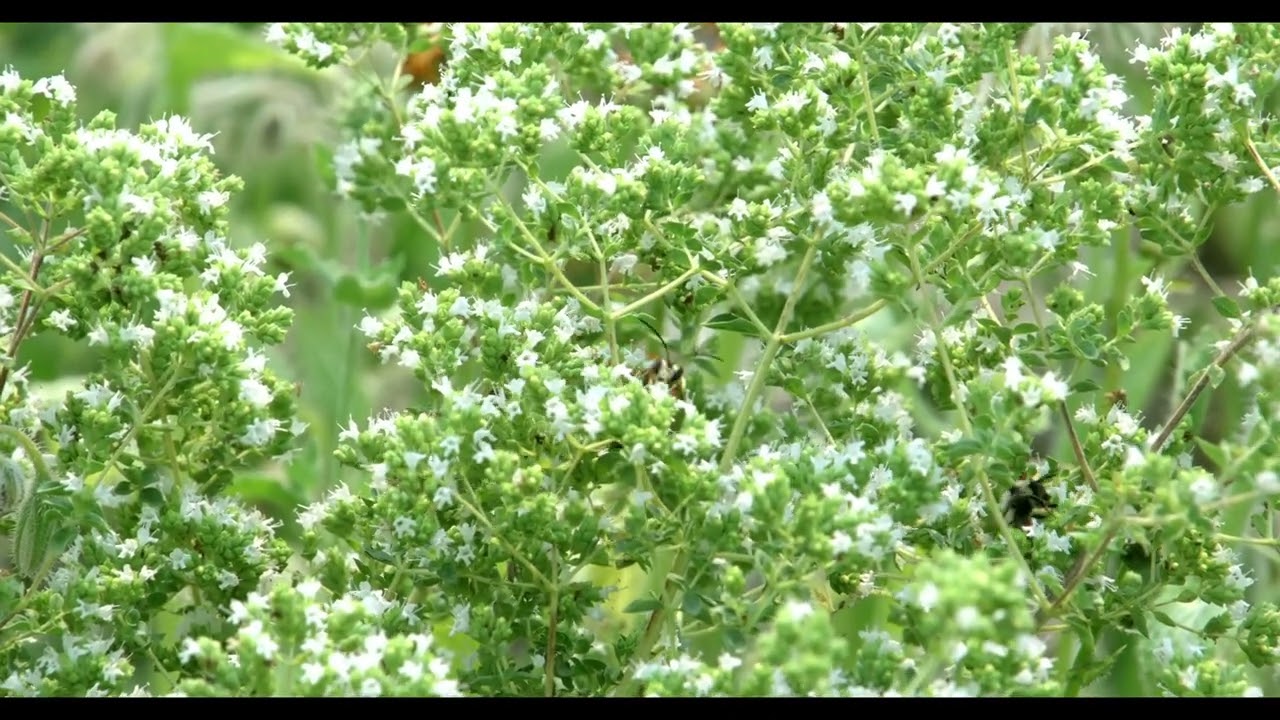
Also, my father in law gave me some of his old camera equipment so I'm enjoying trying to learn how . I figure trying to capture small, fast moving, insects is a good stress test of the camera and my own capabilities. Enjoy the test footage if you'd like.