|
A well-built custom frame is not a short-term investment. With the right care, it will hold your art safely for decades without warping, yellowing, or losing its finish. Most of the damage that occurs to framed art over time is entirely preventable.
Cleaning the Glass
Use a clean, lint-free microfiber cloth and spray the cleaner onto the cloth, never directly onto the glass. Moisture that seeps behind the glass can damage paper-based art and cause mold over time. For acrylic glazing, avoid ammonia-based cleaners entirely as they will cloud the surface. A dedicated acrylic cleaner or plain water works best.
Light and UV Exposure
Ultraviolet light is the primary cause of fading in framed art. Direct sunlight is the most harmful source, but UV rays also penetrate through windows and from certain artificial light sources. If your frame does not already have UV-protective glazing, consider upgrading. For pieces displayed in bright rooms, positioning the frame away from direct light paths makes a meaningful difference in longevity.
Humidity and Environment
Excess humidity causes wood frames to expand and warp, and can promote mold growth on paper-based art. Avoid hanging framed pieces in bathrooms or directly above heating and cooling vents. If you live in a particularly humid climate, a dehumidifier in the room where your most valuable pieces are displayed is a worthwhile consideration.
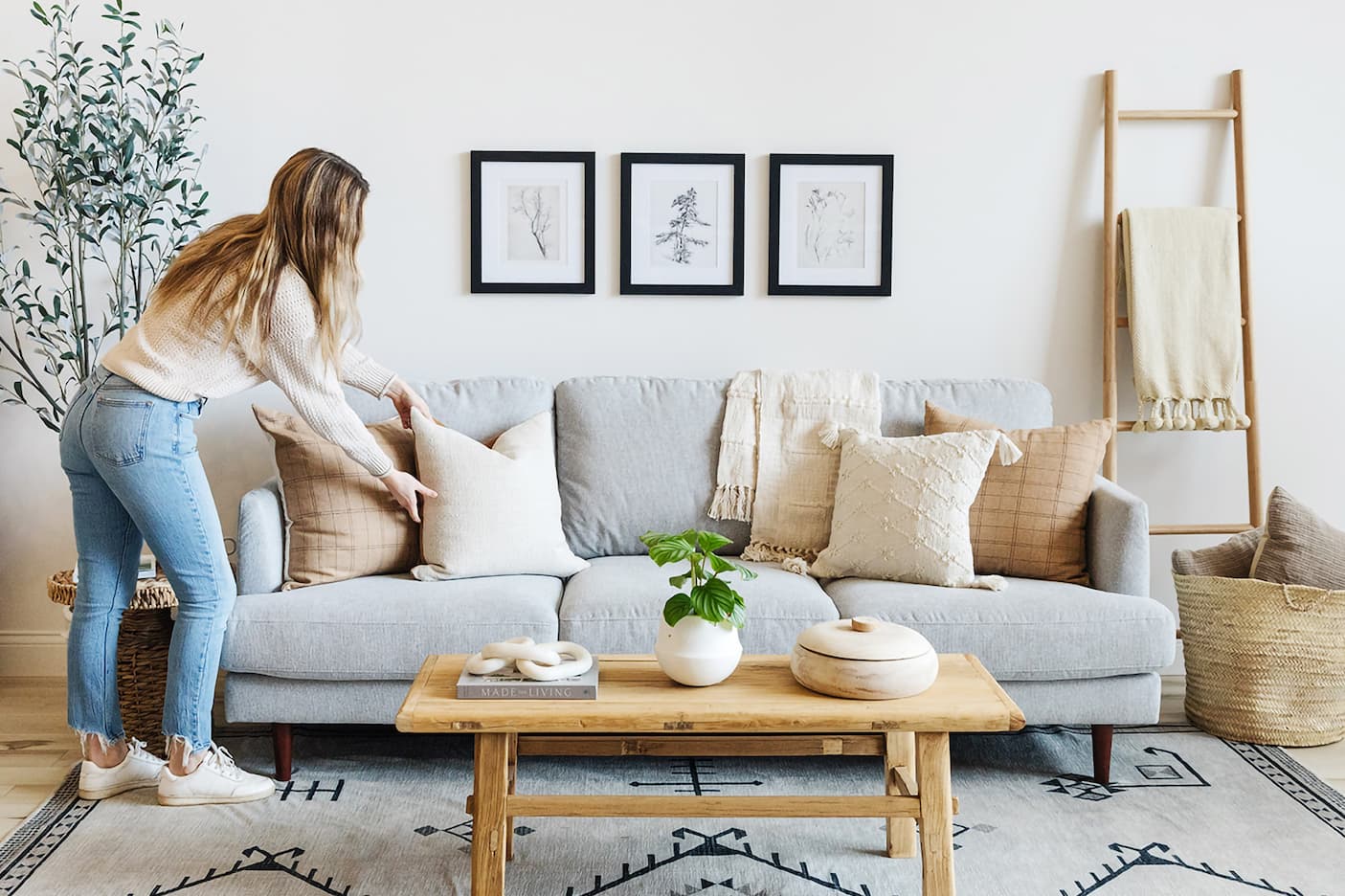
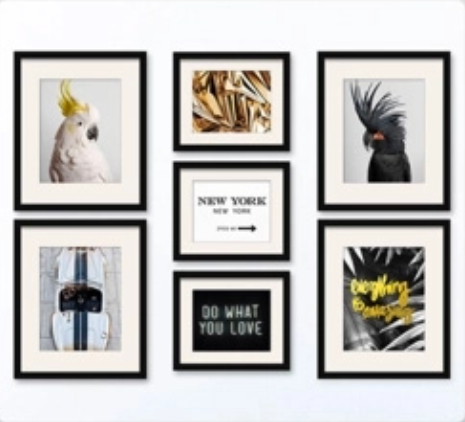
Proper placement protects your art for years to come
|
If Your Frame Warps
Minor warping in wood frames is usually a sign of moisture exposure. In many cases, moving the piece to a more stable environment and allowing it to acclimate will reverse mild warping over time. Significant warping that affects the fit of the glass or backing is a sign that the frame needs to be replaced. A quality custom frame built with properly dried moulding is far less susceptible to warping than mass-produced alternatives.
|