How would you describe what you do?
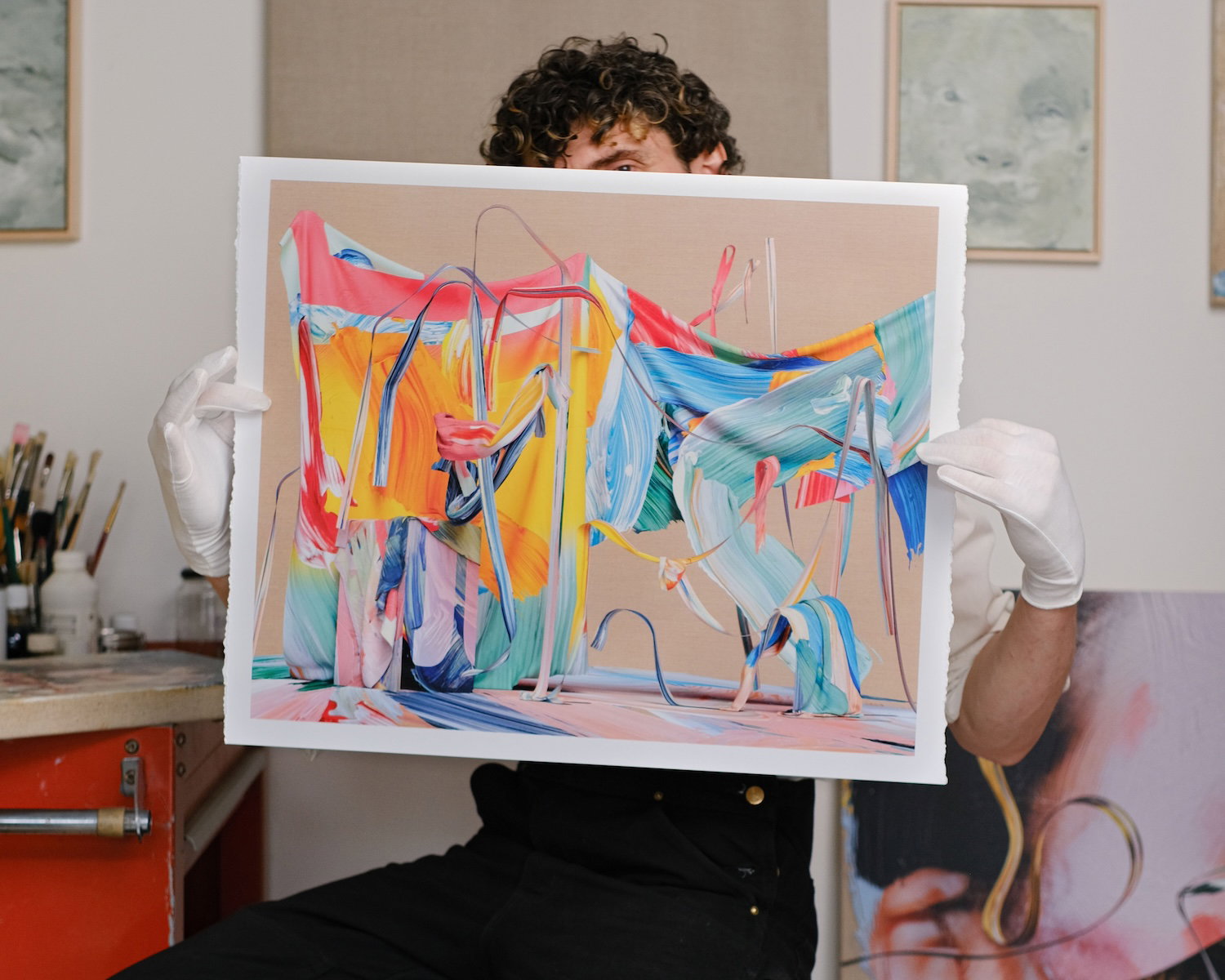
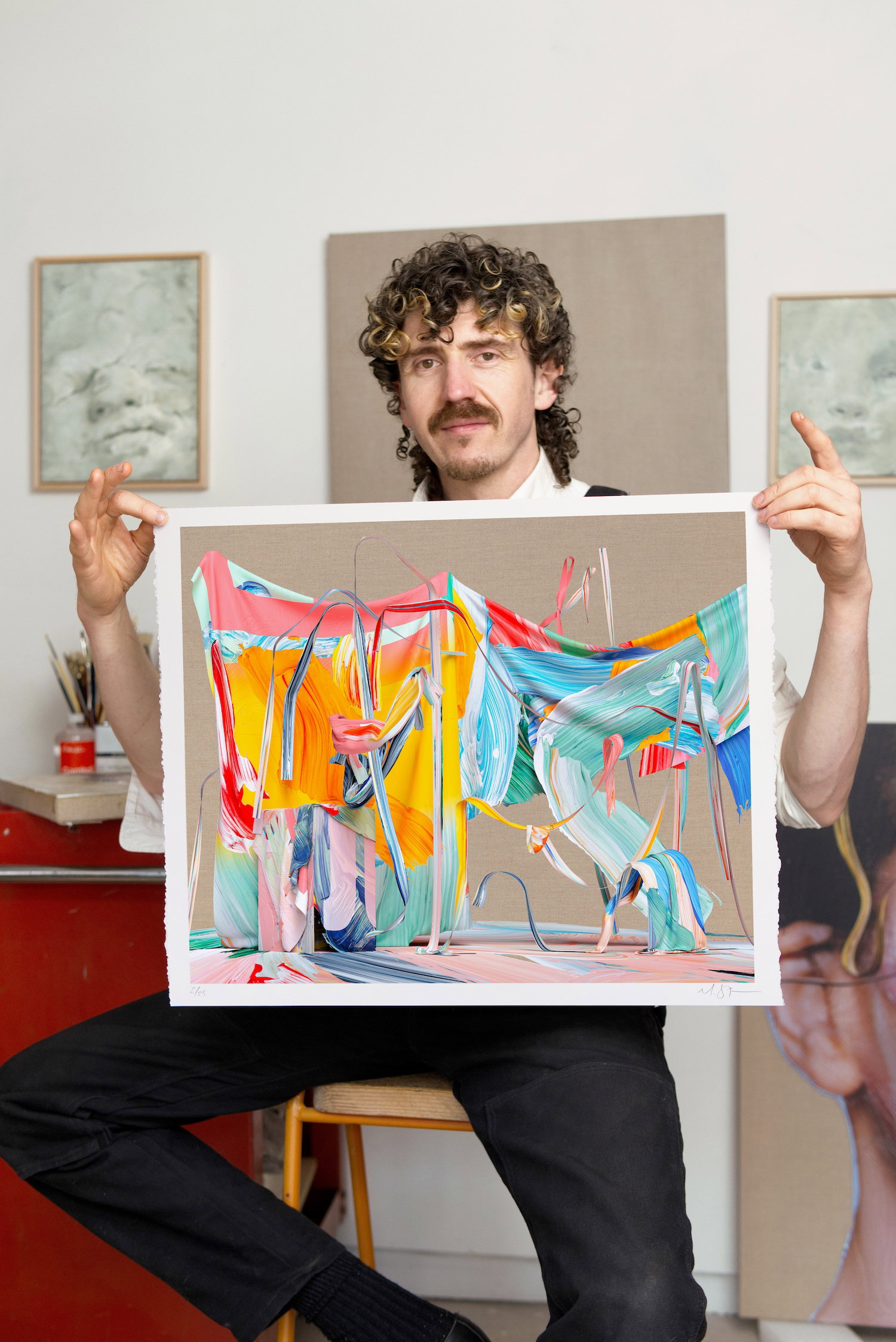
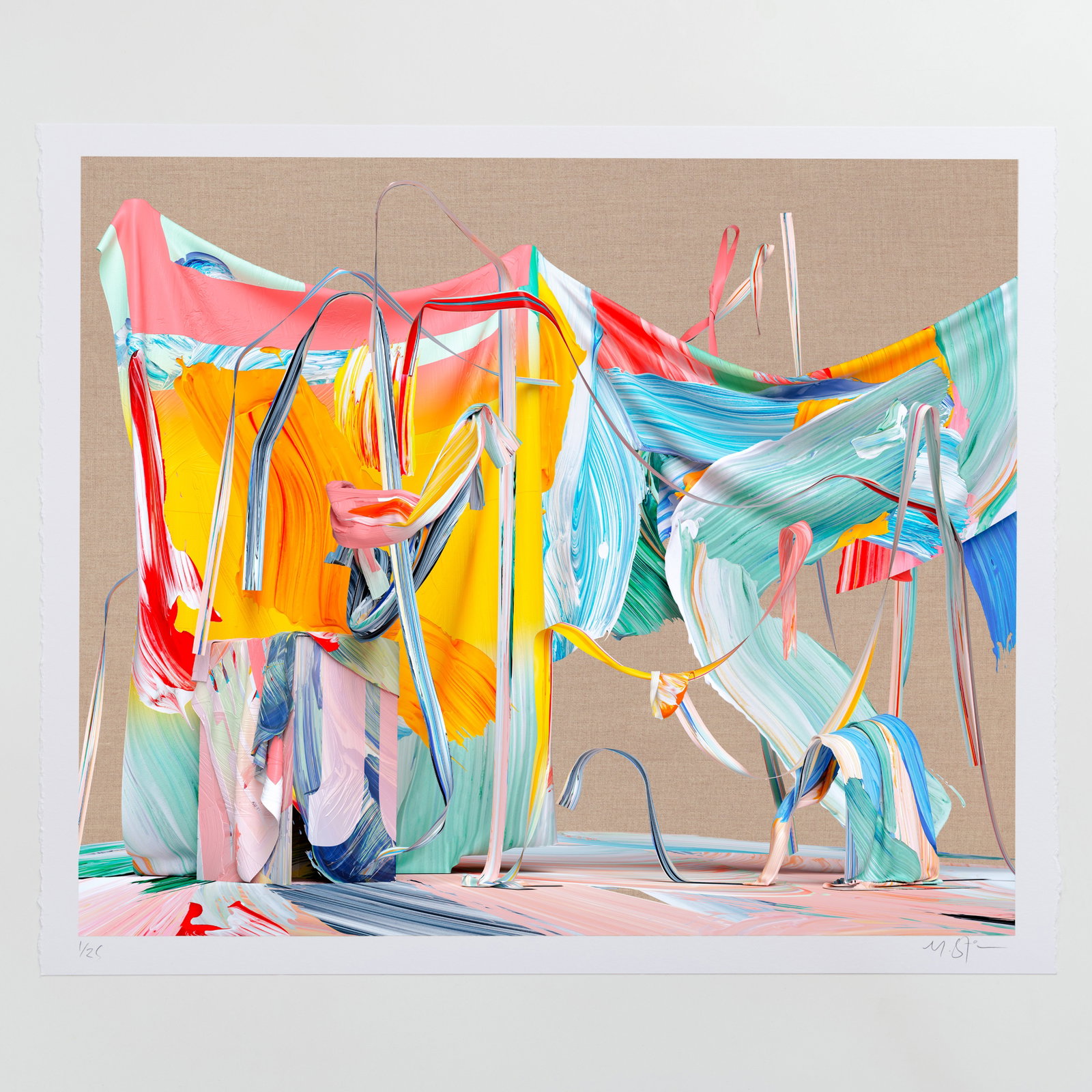
I construct paintings in 3D modelling software. I have a big archive of images of my own brush strokes, and I use them to texture virtual 3D models. A lot of that work is figurative. I have this motif of entangled bodies that comes from Western religious art. And I also move towards more abstract images that focus on the movement of the brush strokes and the ways that that sense of movement can evoke the same energy or passion of these bodies that are interacting physically with each other. It's as much dance as it is Titian's brawls.
How did this approach take shape?
In 2014, I had a strong feeling about the pending nature of digital life. And I'd set myself this task of finding a way to paint that was of my time, that wasn't just looking backwards – where I wasn't just effectively cycling to my studio on a penny farthing.
It's important to think about why one would make an oil painting in 2026. I took very literally the idea that they share at art school, which is that you can't just repeat what's been done. You've got to build on, or find ways to interact with, art history and the work that's been done by artists who have come before. So I thought I can’t just go to Florence and get classically trained and copy Caravaggio.
|