Welcome to Wild Wins – where we share positive stories from the natural world, proudly supported by Coral Expeditions, Australia’s pioneering cruise line.
|
|
WINNING NUMBERS
842 critically endangered northern corroboree frogs released into the wild
4 new mantis species discovered in Australia
2000 stars visible to the naked eye in the Sunny Coast Hinterland
Read more about each of this month’s Wild Wins below!
|
|
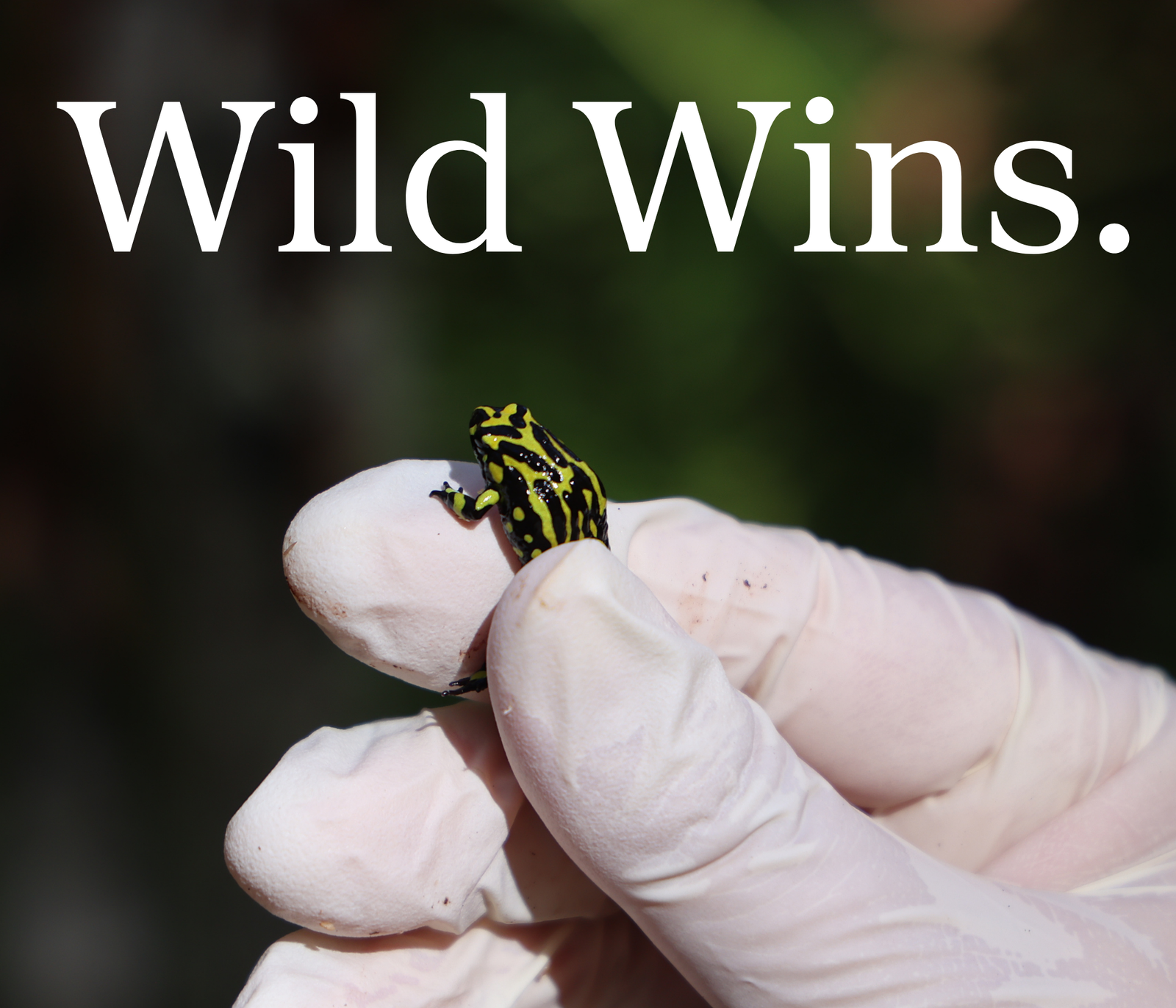
Off you go, little one. Our environment needs you. (Photo credit: Taronga Conservation Society) |
|
A GIANT LEAP FOR FROG-KIND
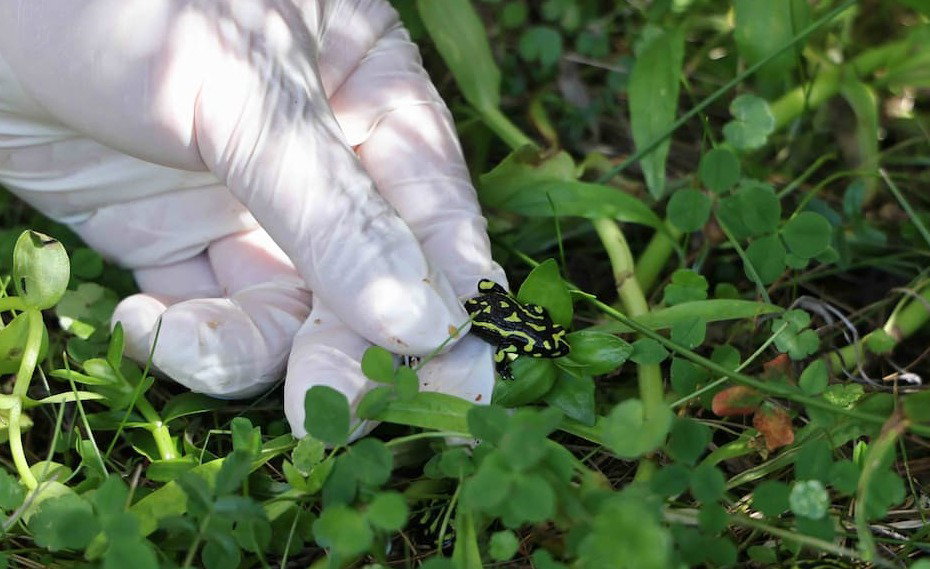
Eight hundred and forty-two critically endangered northern corroboree frogs (Pseudophryne pengilleyi) just hopped back into the wild – and Australia’s subalpine ecosystems have never had a more colourful army.
Bred at Taronga Zoo Sydney, the frogs weigh just 2–3 grams each – no bigger than a paper clip – but their role in Australia’s subalpine ecosystems is anything but small.
By feeding on invertebrates, they help keep insect communities in balance and act as sensitive indicators of environmental health.
|
|
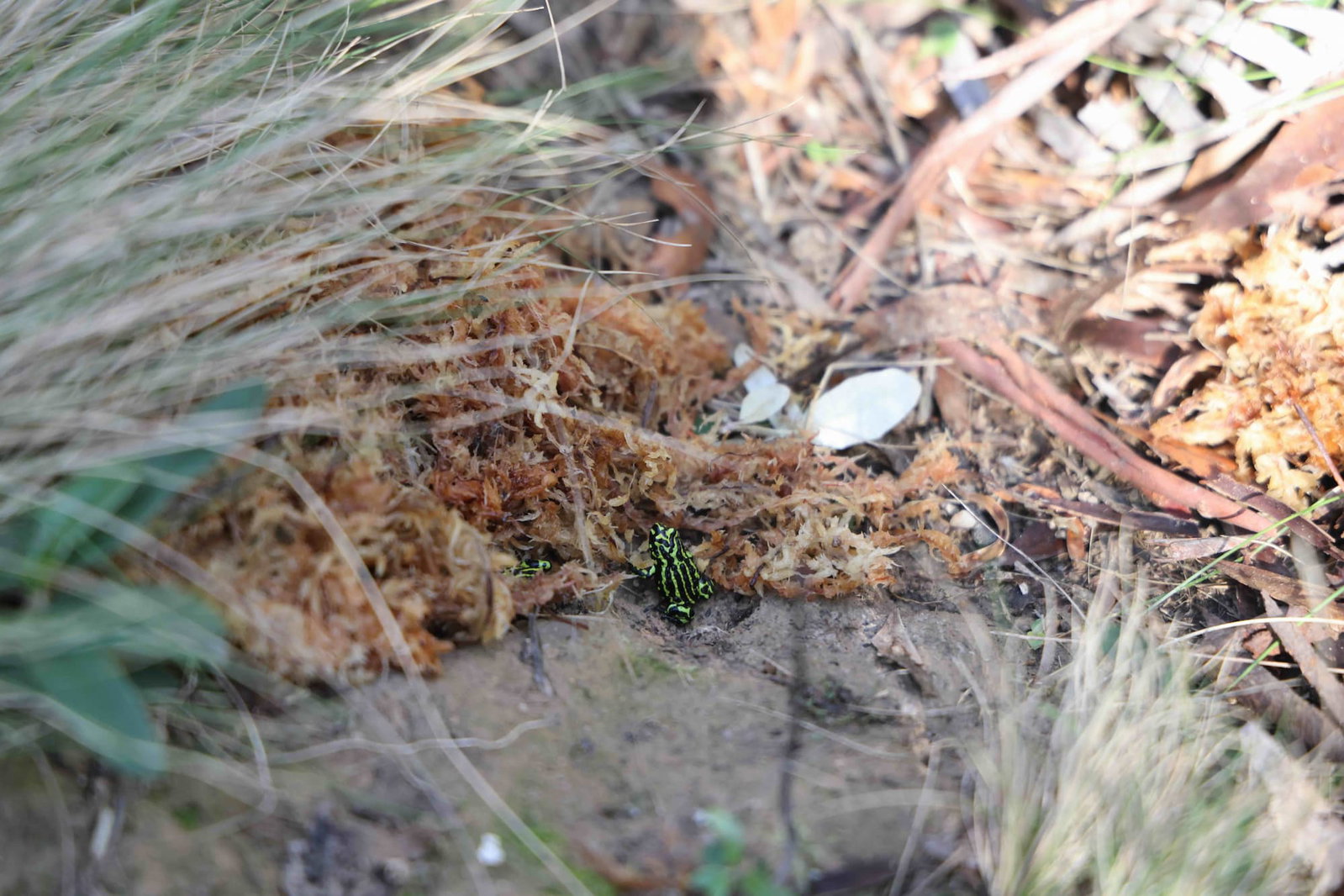
Some zooming required! This little northern corroboree frog is now improving the health of the ecosystem in Brindabella National Park. (Photo credit: Courtesy Taronga Conservation Society) |
|
This year’s bumper release into Brindabella National Park is the largest ever undertaken for the species, reflecting new conservation science that shows larger, genetically varied cohorts dramatically improve survival prospects.
More frogs mean stronger breeding choruses, better resilience to chytrid fungus and a greater chance of establishing stable wild populations.
Since the program began in 2011, Taronga has released over 1000 frogs and 2600 eggs and tadpoles into the wild.
“We have both the tools and the knowledge to prevent this species from disappearing forever,” said Dave Hunter, Senior Threatened Species Officer with the Saving Our Species Program. “These large-scale releases are a crucial part of that effort.”
May they live hoppily ever after.
|
|
MEET THE PLANKERS
Somewhere in a suburban backyard in Brisbane or Sydney, a praying mantis is hiding in plain sight. And until very recently, nobody even knew it existed.
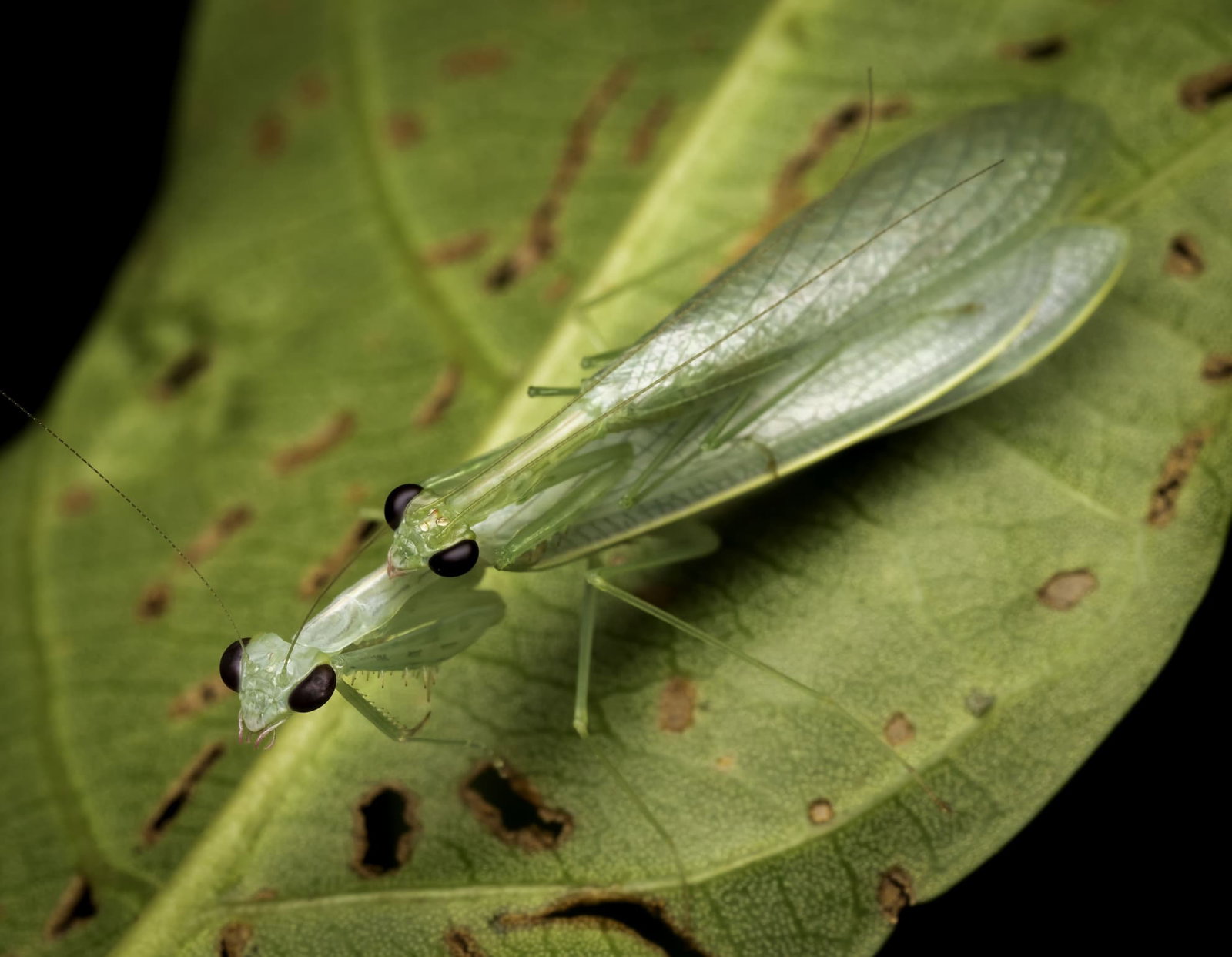
James Cook University PhD candidate Matthew Connors recently discovered and named three new snake mantis species from the Kongobatha genus, all found in upland and lowland habitats north of Townsville.
|
|
Name – Rainforest snake mantis. Location – Kuranda, QLD. Skills – Can out-plank all humans. (Photo credit: Maurice Allan) |
|
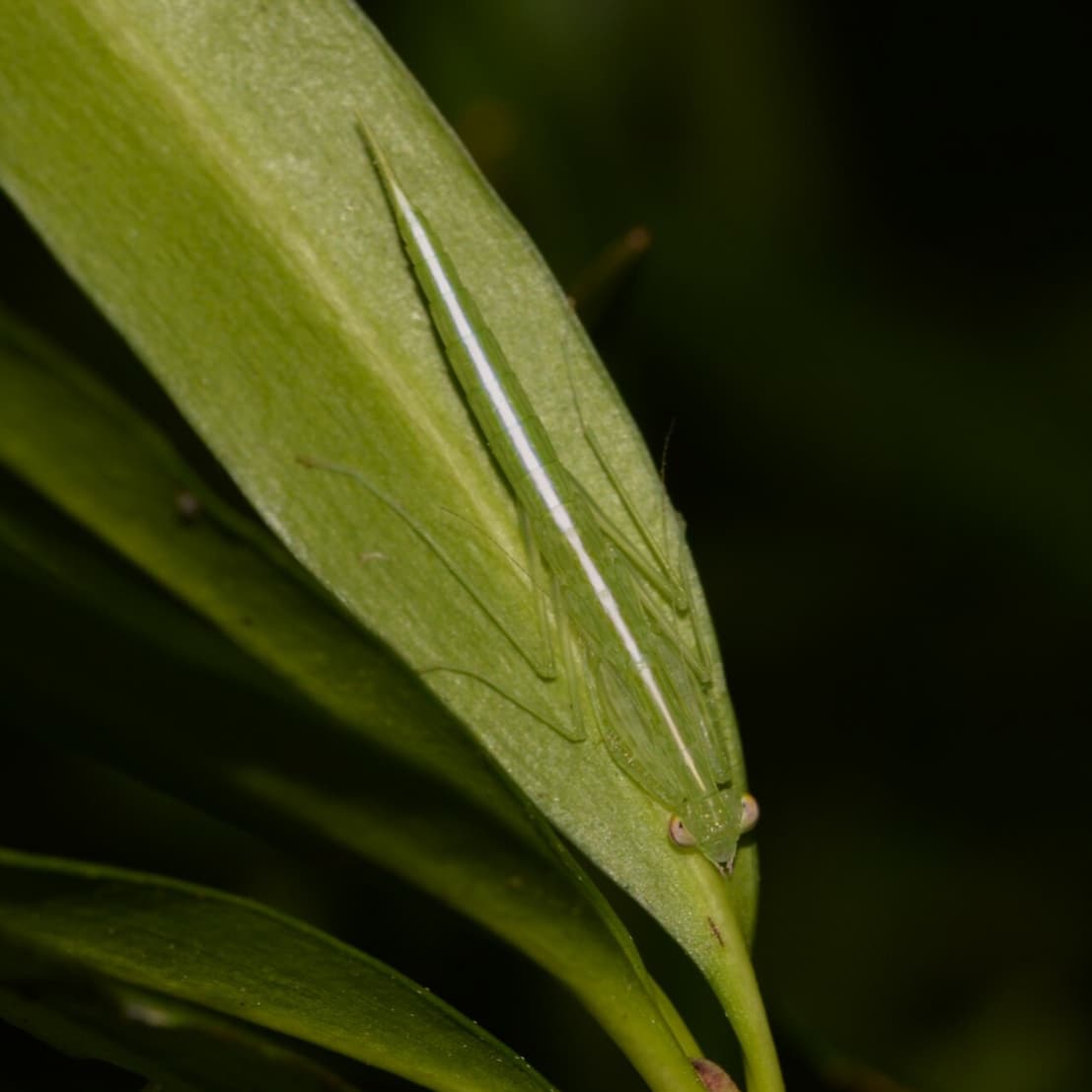
One of the species, the southern snake mantis (K. serpens) was also found to be thriving in urban gardens of major cities as far south as Sydney.
The other two new species are the Australian dragon mantis (K. diademata) and rainforest snake mantis (K. spinosistyla).
He also discovered a fourth species – the northern snake mantis (K. papua), previously recorded only in Papua New Guinea – living cheerily in the rainforests north of Cairns, bringing Australia’s known species in this genus to four.
The newly named mantises are “leaf plankers”. They use a specialised chest organ to flatten themselves against leaves with remarkable precision, making them nearly invisible to predators.
“Now that they’ve been named and we’ve shown them to the world, we can get to work on protecting them,” said Mr Connors. “They form an integral part of that food chain.”
Makes you wonder what other secrets our backyards might hold…
|
|
The southern snake mantis was found as far south as Sydney – but as you can see, spotting it ain't easy. (Photo credit: Nick Lambert) |
|
A message from our Wild Wins presenting partner Coral Expeditions
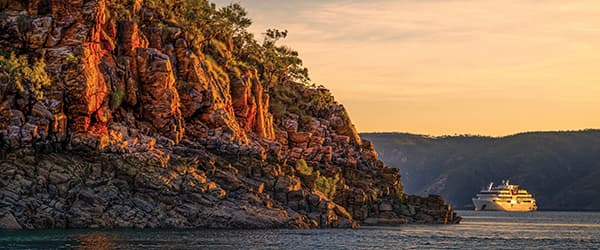
Embark on an extraordinary expedition through the Kimberley with Coral Expeditions. Guided by an expert team, you’ll navigate ancient red-rock canyons, witness the power of the Horizontal Falls, and discover sacred rock art hidden within pristine wilderness. Their small-ship approach ensures intimate access to remote coastal wonders while providing a refined sanctuary at sea. With decades of experience exploring the Kimberley, guests enjoy vibrant landscapes and, from July to October, the opportunity to witness the world’s largest humpback whale migration, creating a journey of deep connection, comfort and unrivalled local expertise.
|
|
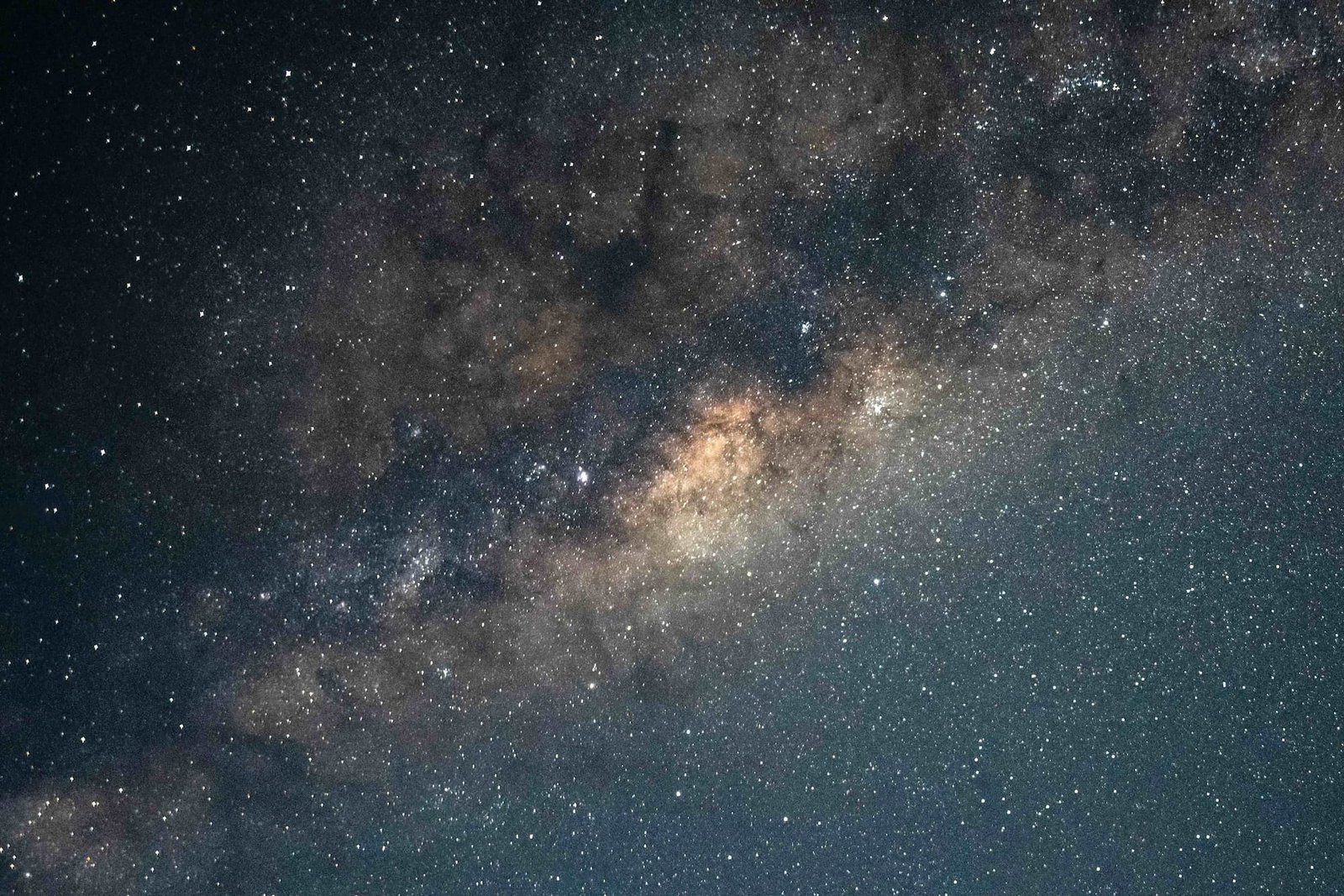
Dark Sky Reserves are of increasing importance as we become more aware of the dangers posed by light pollution. (Photo credit: Shutterstock) |
|
Do look up
Most Australians can count the stars visible from their backyard on two hands. On the Sunshine Coast Hinterland, you'd need way more – at least 400 more, in fact.
The Sunshine Coast Hinterland has officially been recognised as one of the world's premier dark sky destinations, joining a select group of International Dark Sky Reserves where thousands of stars, planets and the Milky Way are visible to the naked eye.
Certified by Dark Sky International after a decade-long community campaign, the reserve offers over 2000 stars on a clear night – compared to roughly 10 visible from a major city – and up to 3000 through a telescope.
It also Australia’s most accessible dark sky reserve, just over an hour from Brisbane.
The designation caps 10 years of advocacy, community consultation and a detailed lighting management plan submitted by Sunshine Coast Council – and comes at a time when more than 80 per cent of the world’s population lives under light-polluting skyglow.
“This window to the universe will now stay open,” said astronomer and community champion Dr Ken Wishaw, who has been a driving force behind the Sunshine Coast’s certification.
“The reserve is the last place in coastal South East Queensland that has starry night skies free of light pollution.”
|
|
We hope you enjoyed this month’s edition of Wild Wins, a series from Australian Geographic that celebrates good news from the natural world. Have a Wild Win of your own? Reply to this email and let us know. Who knows, your story could be our next Wild Win. If this story made you smile, please share it with a friend. |
|
|
|
|