Welcome to Wild Wins – where we share positive stories from the natural world, proudly supported by Coral Expeditions, Australia’s pioneering cruise line.
|
|
WINNING NUMBERS
40 bandicoots return to their former range in south-west NSW
14 weeks of the best possible care for a very special platypus
1 more reason to love bees (as if we needed more!)
Read more about each of this month’s Wild Wins below!
|
|
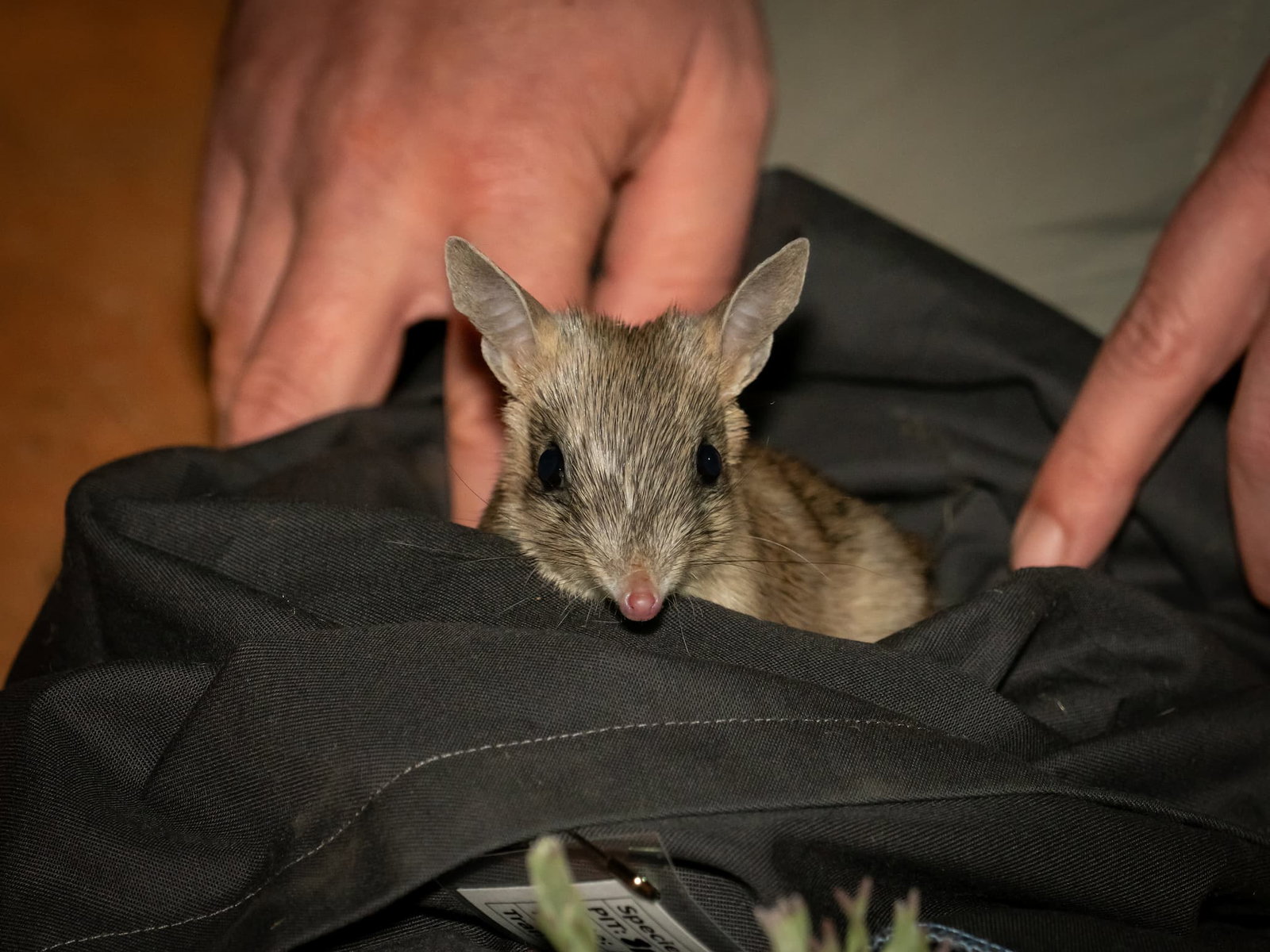
That face when you’ve just flown 3000km and can finally stretch your legs. Credit: Ariana Ananda |
|
WELCOME HOME, BANDICOOTS
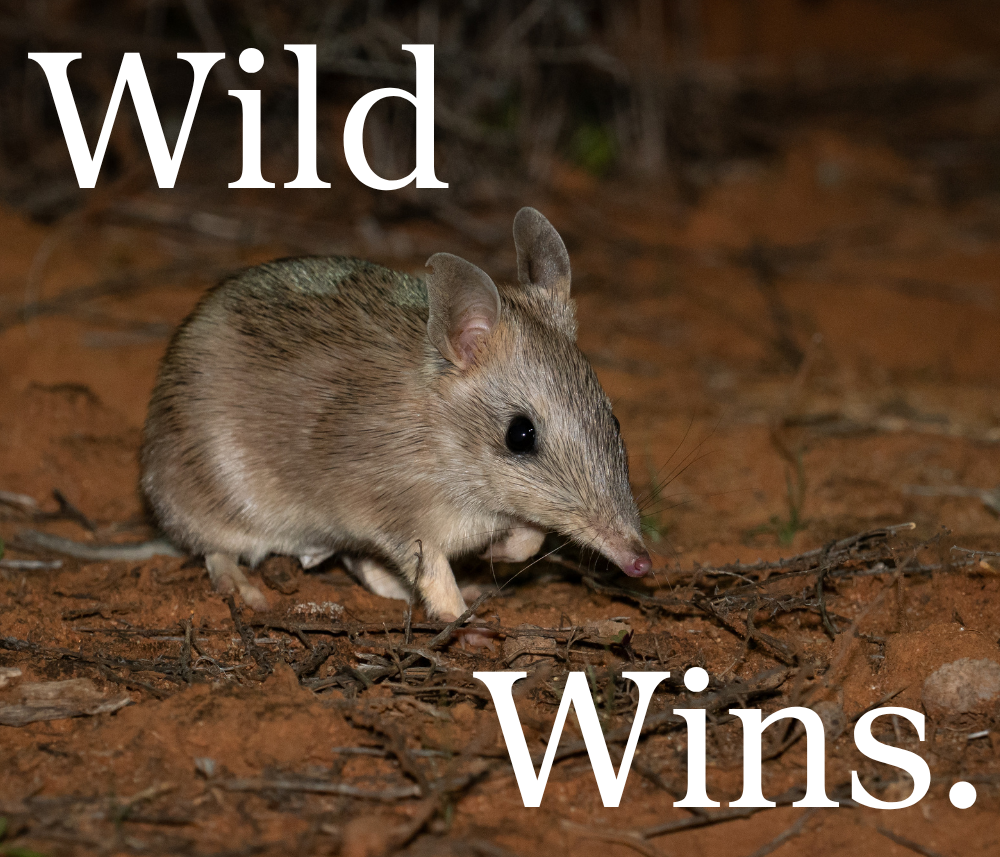
Forty bandicoots have completed a 3000km charter flight from Western Australia to south-west NSW – and with their arrival, a decade-long mission to restore locally extinct mammals to Mallee Cliffs National Park is complete.
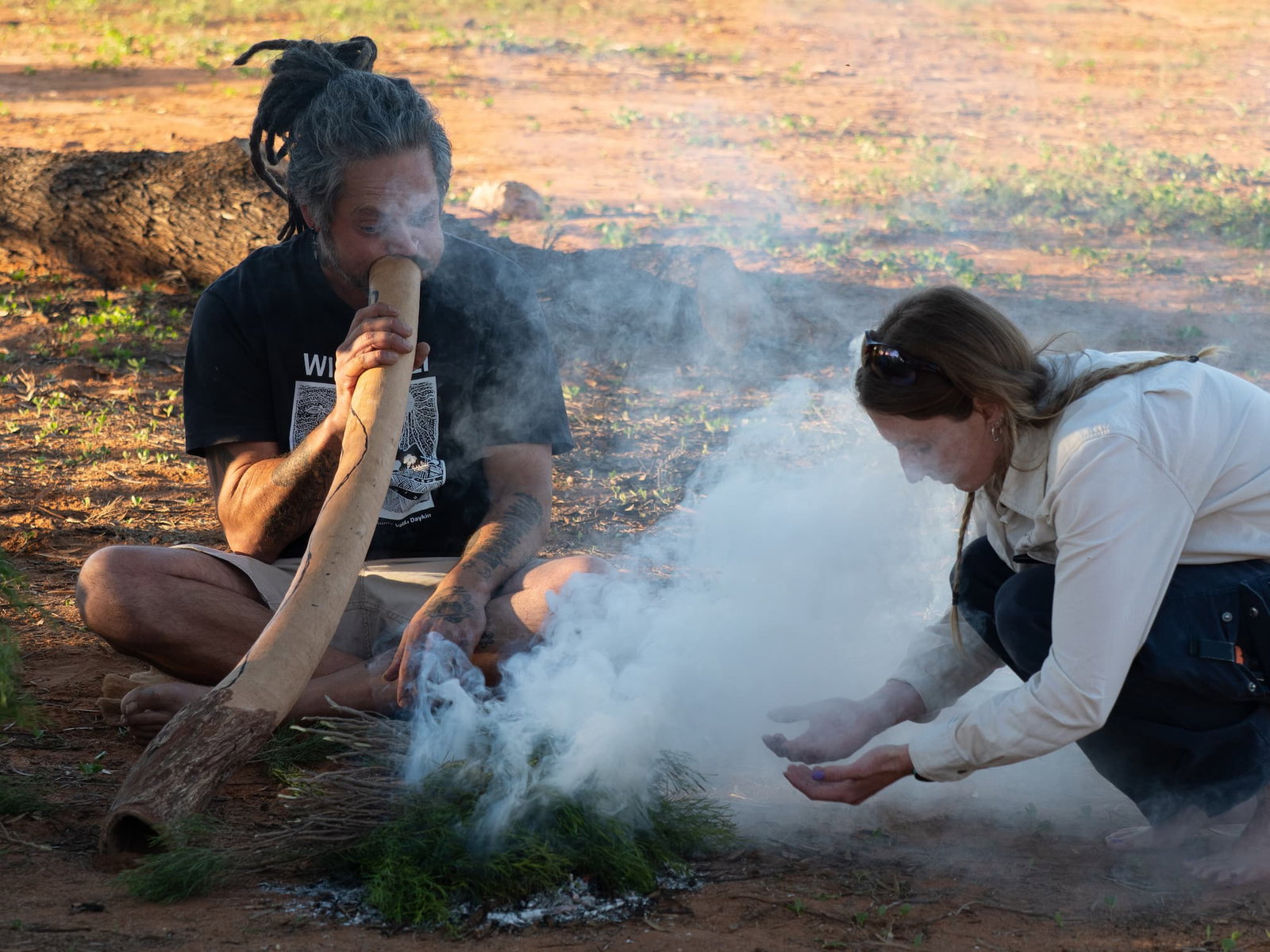
The Shark Bay bandicoots (Perameles bougainville), also known as the western barred bandicoot – dubbed by many wildlife enthusiasts the cutest of their kind – were welcomed to Country with a Smoking Ceremony by local Barkandji representatives before being released into a 9750-hectare feral predator-free fenced area.
They join nine other locally extinct species reintroduced to the site since 2019, including bilbies, numbats and bridled nailtail wallabies.
|
|
Corey Payne plays the didgeridoo during a smoking ceremony to welcome the bandicoots to Country in Mallee Cliffs National Park. Credit: Ariana Ananda |
|
It’s the final translocation in a groundbreaking 10-year partnership between Australian Wildlife Conservancy and NSW National Parks and Wildlife Service.
Early signs have been promising – bandicoots translocated in October 2025 recorded a survival rate of 87–100 per cent.
Prior to that 2025 reintroduction, the bandicoots had been extinct in the region for 150 years. Both the eastern barred bandicoot and the golden bandicoot were driven to local extinction by introduced predators such as cats and foxes.
“It’s always a rush returning a locally extinct species to its former stomping ground,” said AWC Wildlife Ecologist Dr Rachel Ladd.
“Years of careful planning and hard work have created the opportunity for these animals to return and survive.”
Welcome home, bandicoots – 150 years is a long time to be away.
|
|
This little fighter isn’t done yet! Credit: Courtesy Taronga Conservation Society Australia |
|
NEMO’S LONG WAY HOME
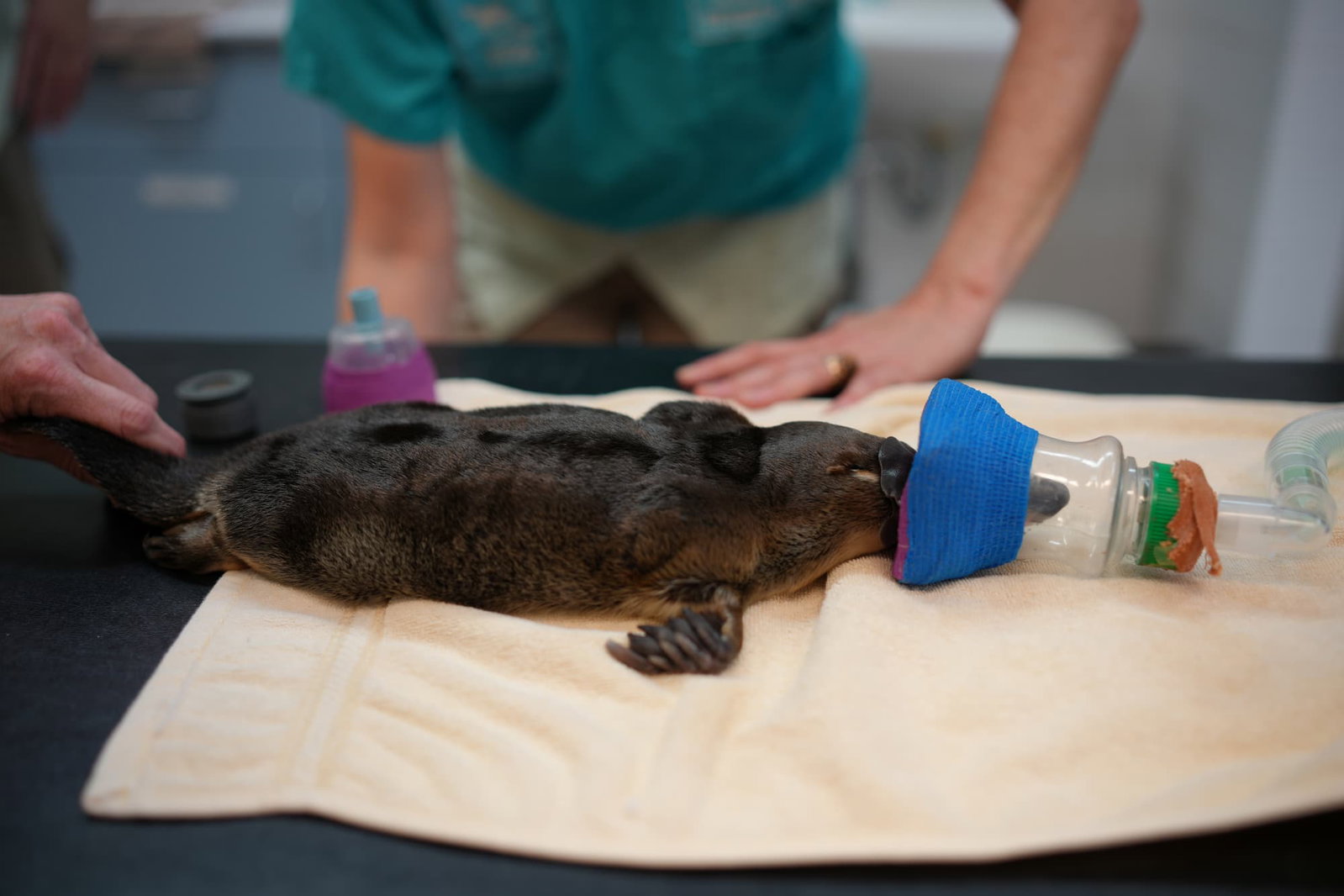
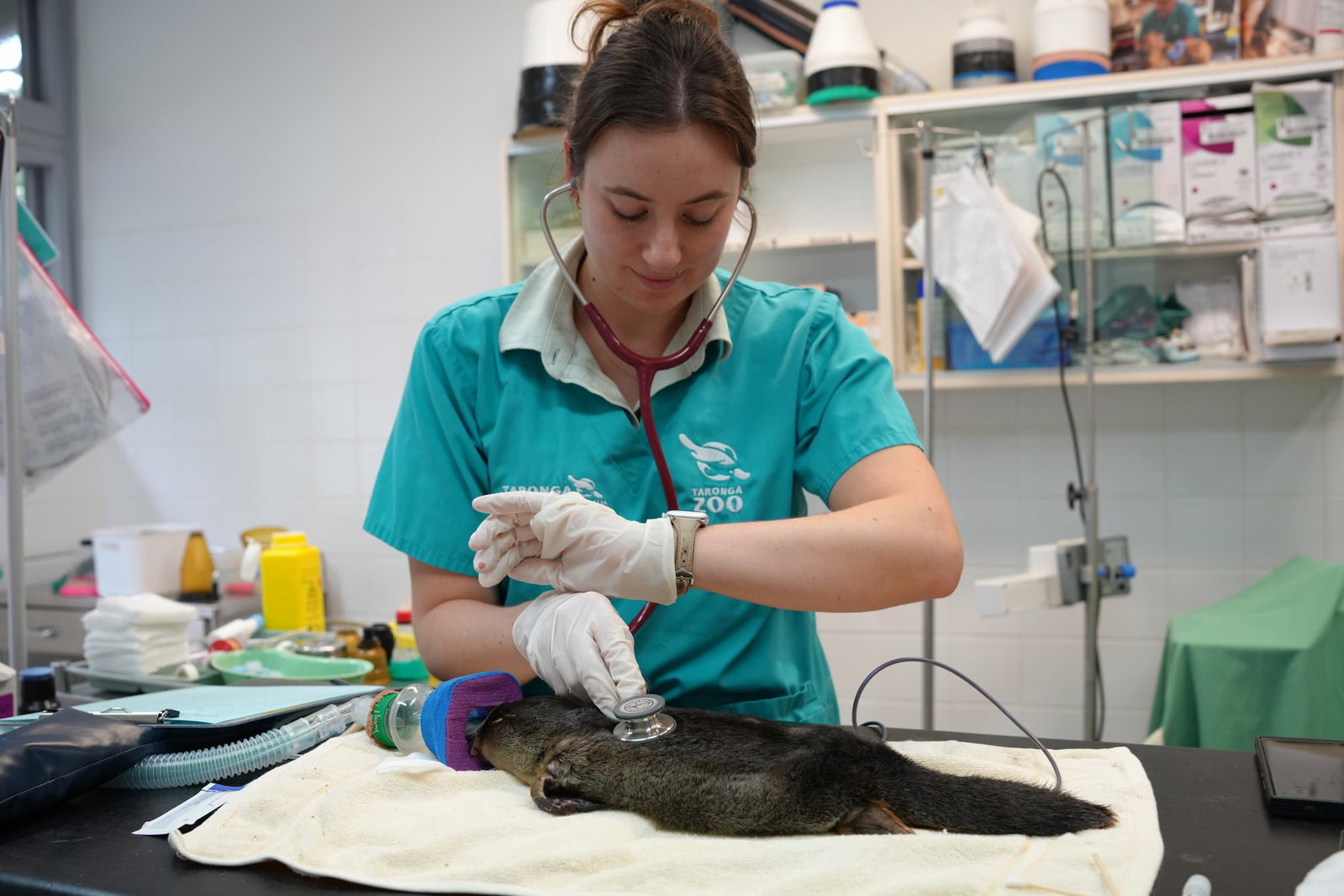
A male platypus nicknamed Nemo is recovering at Taronga Zoo’s specialist Platypus Refuge after arriving with a fishing hook embedded in his front flipper, fishing line tangled around him, and a puncture wound to his bill.
Found in early February near Bangalow in northern NSW, Nemo underwent emergency surgery to remove the hook and line before being transferred to Taronga, where vets conducted a series of procedures to remove damaged tissue and support healing.
Three months on, the flipper wound has healed, but whether Nemo will regain full use of it remains the critical question.
Platypuses rely on their front flippers for swimming, diving, foraging and burrowing, meaning full recovery is essential before any release back to the wild.
In the meantime, Taronga’s purpose-built refuge – the world’s first – monitors his progress via CCTV around the clock, tracking how often and how long he forages each night.
“It’s really important he gets full use of the flipper as they’re such an important adaptation for so many survival behaviours,” said Amy Guilfoyle, Australian Fauna Supervisor at Taronga Zoo Sydney.
Fingers crossed for Nemo – he’s got a river to get back to.
|
|
Taronga Wildlife Hospial Vet Nurse Olivia Bonato maintains vitals of Nemo while under general aneasthesia. Credit: Courtesy Taronga Conservation Society Australia |
|
A message from our Wild Wins presenting partner Coral Expeditions
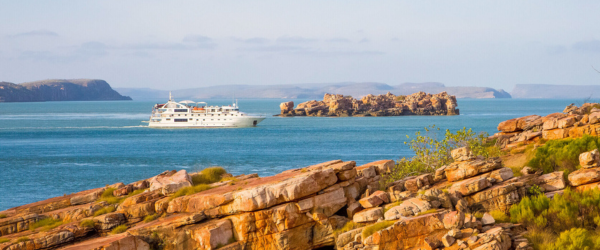
Embark on an extraordinary expedition through the Kimberley with Coral Expeditions. Guided by their expert team, you’ll navigate ancient red-rock canyons, witness the power of the Horizontal Falls, and discover sacred rock art hidden in pristine wilderness. Their small-ship approach ensures intimate access to remote coastal wonders while providing a safe, sophisticated sanctuary at sea. With decades of experience in these rugged waters, they offer more than just a cruise; they provide a journey of deep connection, comfort, and unrivaled local expertise.
|
|
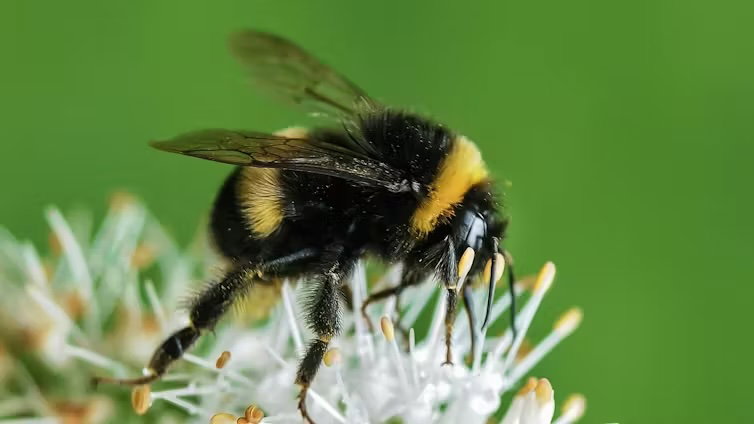
Size: small. Brain: surprisingly large. Rhythm: impeccable. Credit: Shutterstock |
|
Bee-sharp
Bumblebees can recognise rhythmic patterns across different speeds and senses – a discovery that challenges long-held assumptions about the complexity of insect intelligence and puts the humble bee ahead of artificial intelligence in at least one important respect.
Research from Macquarie University, published in Science, found bumblebees trained to identify a rhythmic light pattern could still recognise it when sped up or slowed down, and could even transfer that knowledge across senses, from vibration to vision.
It’s the kind of abstract thinking previously thought exclusive to humans, some mammals and vocal-learning birds.
Think of it like recognising your favourite song whether it’s playing at full speed, slowed to a crawl, or tapped out on your shoulder.
“Right now, the bee is outperforming the best of AI in this sort of task in terms of learning speed and abstraction,” said Macquarie University Professor Andrew Barron.
“It shows brains are very good at detecting rhythmic structures, no matter their size.”
So, not just pollinators, but musically gifted too. Yet another reason to love bees.
|
|
We hope you enjoyed this month’s edition of Wild Wins, a series from Australian Geographic that celebrates good news from the natural world. Have a Wild Win of your own? Reply to this email and let us know. Who knows, your story could be our next Wild Win. If this story made you smile, please share it with a friend. |
|
|
|
|