| |
|
|
| |
|
PRESENTED BY UBER
|
| |
|
Axios Future of Mobility
|
|
By
Joann Muller
·
Jun 03, 2026
|
|
👋 Hi again! I'm headed to D.C. for Axios' annual editorial retreat, where my colleagues and I will explore how to bring more of the trusted Smart Brevity™ content you depend on.
- 🫵 📋 Here's where you come in: Let me know what more you'd like to see in our Future of Mobility coverage by completing this 3-minute survey. Your opinion matters!
🚌 Today, we're looking at how technology is changing a mass transit system that doesn't get nearly enough attention — school buses.
1,644 words, a 6-minute read.
|
| |
| |
|
1 big thing: Bus smarts 🎓
|
| |
|
|
|
Illustration: Sarah Grillo/Axios. Stock: Getty Images
|
| |
|

A technology race is heating up in the largest and most overlooked mass-transit system in America: school transportation.
Why it matters: About 26 million children depend on yellow buses to get to school, but they're often slow and unreliable, which has a direct impact on kids' ability to learn.
- Long bus rides and inconsistent service often lead to kids showing up late — or missing school altogether.
- And remarkably, parents and school administrators often have better visibility into when their lunch will be delivered than when a child will get to school.
The big picture: The $50 billion school transportation market is fragmented and highly localized, and many independent contractors lack the resources to invest in modern technology.
- But that's changing. A handful of large bus operators backed by infrastructure funds and private equity have been buying up small regional players.
State of play: First Student, owned since 2021 by Sweden's EQT Infrastructure, is the largest by far, with 51,000 vehicles in 42 states and a growing suite of technologies, including AI-enabled cameras and telematics.
- The newcomer is Züm, a Silicon Valley startup intent on disrupting school transportation the way the advent of ride-hailing companies upended the taxi business 15 years ago.
Zoom in: Fresh off a $100 million fundraising round, Züm CEO Ritu Narayan is positioning the company as "the AWS of student mobility."
- Züm's Connected Mobility Experience (CMX) platform replaces outdated analog systems with a unified operating system connecting families, schools and dispatchers so that no one has to wonder, "Where's the bus?"
- Züm provides more than software. It also hires the drivers, supplies the buses (electric ones in some districts) and manages the fleet.
Züm has grown quickly in the last five years and now operates across 4,500 schools in 17 states, beating incumbents for long-term contracts in Oakland, Calif., San Francisco, Los Angeles, Kansas City, Seattle and Philadelphia, among others.
- Revenue hit $333 million in 2025, with $2 billion in contracts awarded, and the company broke even on an EBITDA-adjusted basis last year, according to a press release.
How it works: Züm's platform features dynamic routing to help drivers stay on top of changing traffic conditions, along with self-learning navigation and optimization so routes get smarter every day.
- Students tap in with an RFID card or other method, and parents are notified when their child is dropped safely at school.
The impact: Züm's intelligent routing, and mixed bus sizes, resulted in a 98% on-time performance, shorter commute times for kids and significant cost savings for schools.
- San Francisco's Unified School District, for example, cut annual transportation costs by up to 10%, the company said.
What we're watching: The system has also already led to better education outcomes for children, according to school administrators.
- Kansas City Public Schools — which had faced transportation challenges for years — saw transportation-related absences decrease from 25% to about 5.6% in one year after awarding its bus contract to Züm, according to Superintendent Jennifer Collier.
- "We're now seeing gains academically that we had not been seeing before, either," she said, citing higher literacy rates because children were in class more often.
Zoom out: First Student's Halo platform, introduced last year, integrates many of the same technologies in its own buses, but the company acknowledges the quickening tech race since Züm entered the market.
- "I applaud them," First Student's chief information officer, Sean McCormack, tells Axios. "Every once in a while, they'll get a little ahead of us, and then we'll catch up."
|


|
| |
| |
|
2. 🏝️ Coastal travel, reimagined
|
| |
|
|
|
Regent's Viceroy sea glider. Rendering: Courtesy of Regent Craft
|
| |
|
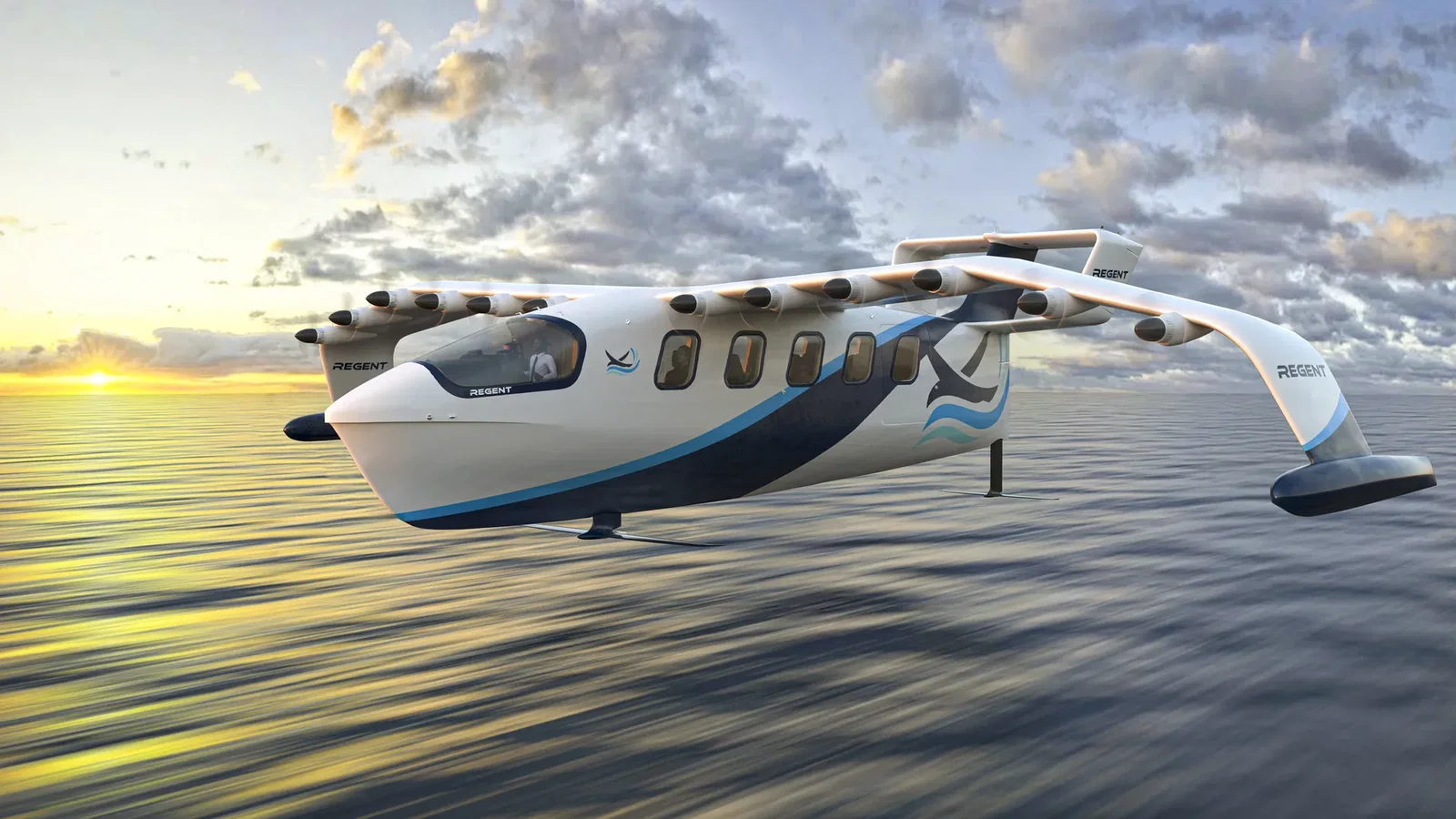
Instead of being stuck in traffic on I-95 in Florida, it would be nice to soar like a pelican from Palm Beach to Miami in a coastal sea glider.
- Regent Craft, a Rhode Island-based startup, is advancing testing of a 12-passenger electric sea glider as regulators develop certification rules for a new class of maritime transportation.
Why it matters: The company aims to launch its Viceroy sea glider as a faster, cleaner alternative to congested highways and regional air service.
How it works: The ship — it's classified as a marine vehicle and governed by the Coast Guard, not the FAA — operates in three modes: float, foil and fly.
- At the dock, passengers board like any other boat.
- As it moves out into the crowded harbor or inland waterway, it rises up on hydrofoils to navigate choppy waters at speeds between 25-40 miles per hour.
- Once in open water — about a mile or so offshore — it can lift off and fly up to 180 miles an hour on a cushion of air about 30 feet above the water, using the same "ground effect" that pelicans, cormorants and other birds use to conserve energy as they glide over the sea.
State of play: Congress recently directed the U.S. Coast Guard to begin laying out the certification and inspection process for this emerging category of vessels known as wing-in-ground (WIG) craft.
- Regent is still testing the sea glider in hydrofoil mode off the coast of Rhode Island and is progressing toward the first flight with humans on board later this year.
Check out this video of the vessel in action on Narragansett Bay last fall, courtesy of Chris Gaito, a neighbor of Axios Pro's Alan Neuhauser.
Go deeper.
|
|
|
| |
| |
|
3. 🅿️ Pay up, robotaxis
|
| |
|
|
|
Illustration: Eniola Odetunde/Axios
|
| |
|
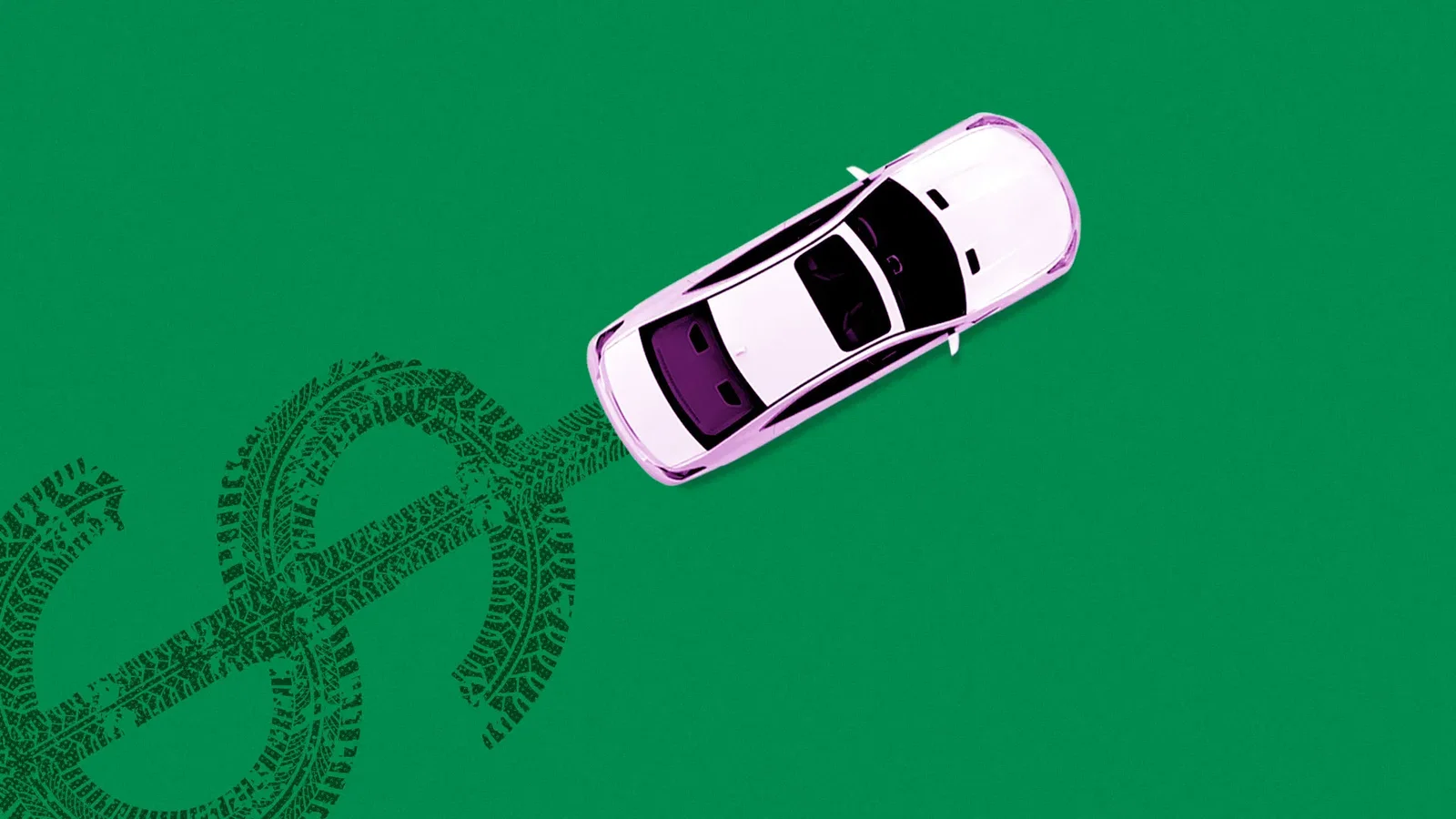
Driverless cars could soon be paying for parking like the rest of us, writes Axios Pittsburgh's Ryan Deto.
Why it matters: Cities could be missing out on $20 million in parking revenue — and potentially half a billion dollars in five years — because autonomous vehicles aren't paying for parking, Meter Feeder CEO Jim Gibbs tells Axios.
Driving the news: Pittsburgh-based app Meter Feeder tested its "machine-to-machine" parking transaction for a Mapless AI vehicle in April, according to Gibbs.
How it works: Meter Feeder integrated its software into Mapless AI's remote-driving technology.
- When the vehicle is shifted into park, it sends Meter Feeder its location and license plate.
- The app then automatically facilitates a 15-minute charge with the Pittsburgh Parking Authority, continuously charging Mapless AI automatically if the car is parked for longer than 15 minutes.
By the numbers: Waymo accrued 589 parking tickets in San Francisco — totaling $65,065 in fines — and another 75 tickets in Los Angeles in 2024, according to the Washington Post.
What they're saying: Gibbs says getting all AVs to pay for parking would not only benefit cash-strapped cities, but would also help AVs get off the road and avoid awkward situations like in Atlanta, where AVs clogged a cul-de-sac for hours while waiting for riders.
Subscribe to Axios Pittsburgh.
|
|
|
| |
| |
|
A MESSAGE FROM UBER
|
|
An autonomous future must account for workforce disruption
|
| |
|
| |
|
The strongest path forward for autonomous vehicles is a hybrid model, with drivers and AVs operating together over time.
Why it’s important: A gradual rollout will help reduce worker disruption, protect rider access and limit pressure on city infrastructure.
See Uber’s report.
|
| |
| |
|
4. Drive-thru
|
| |
|
|
|
Illustration: Annelise Capossela/Axios
|
| |
|
🚖 After years of hyped promises, Elon Musk can now legitimately claim that Tesla is an automated vehicle operator, at least in Texas under a new state law that went into effect last week.
- The law allows companies to run commercial driverless services once they obtain DMV authorization and self-certify their vehicles to an SAE Level 4 standard. (Naturally, Tesla self-certified its cars on Day 1.)
- Texas' new DMV AV database is handy for tracking robotaxi progress there, by the way. Tesla currently has 42 registered robotaxis in Texas. Zoox has 35. Waymo has 619.
🚕 Waymo is beginning to offer passenger rides in its new Ojai robotaxi in San Francisco, Los Angeles and Phoenix. (The Verge)
- The Ojai features the debut of Waymo's sixth-generation AV technology, but it's also notable because it's made in China, by Geely's Zeekr brand.
- Waymo says the Ojai doesn't have any Chinese hardware or software. The company buys stripped-down base vehicles and then installs its own AV software, sensors and computing systems at a facility in Arizona.
🚙 Automakers are building up vehicle inventories, particularly in Asian markets, as a hedge against supply chain disruptions caused by the war with Iran.
- The industry learned long ago not to build more cars than consumers are willing to buy, but they're also wary of getting caught flat-footed as they did during the COVID-era semiconductor shortage. (Axios)
|
|
|
| |
| |
|
5. 🚘 What I'm driving
|
| |
|
|
|
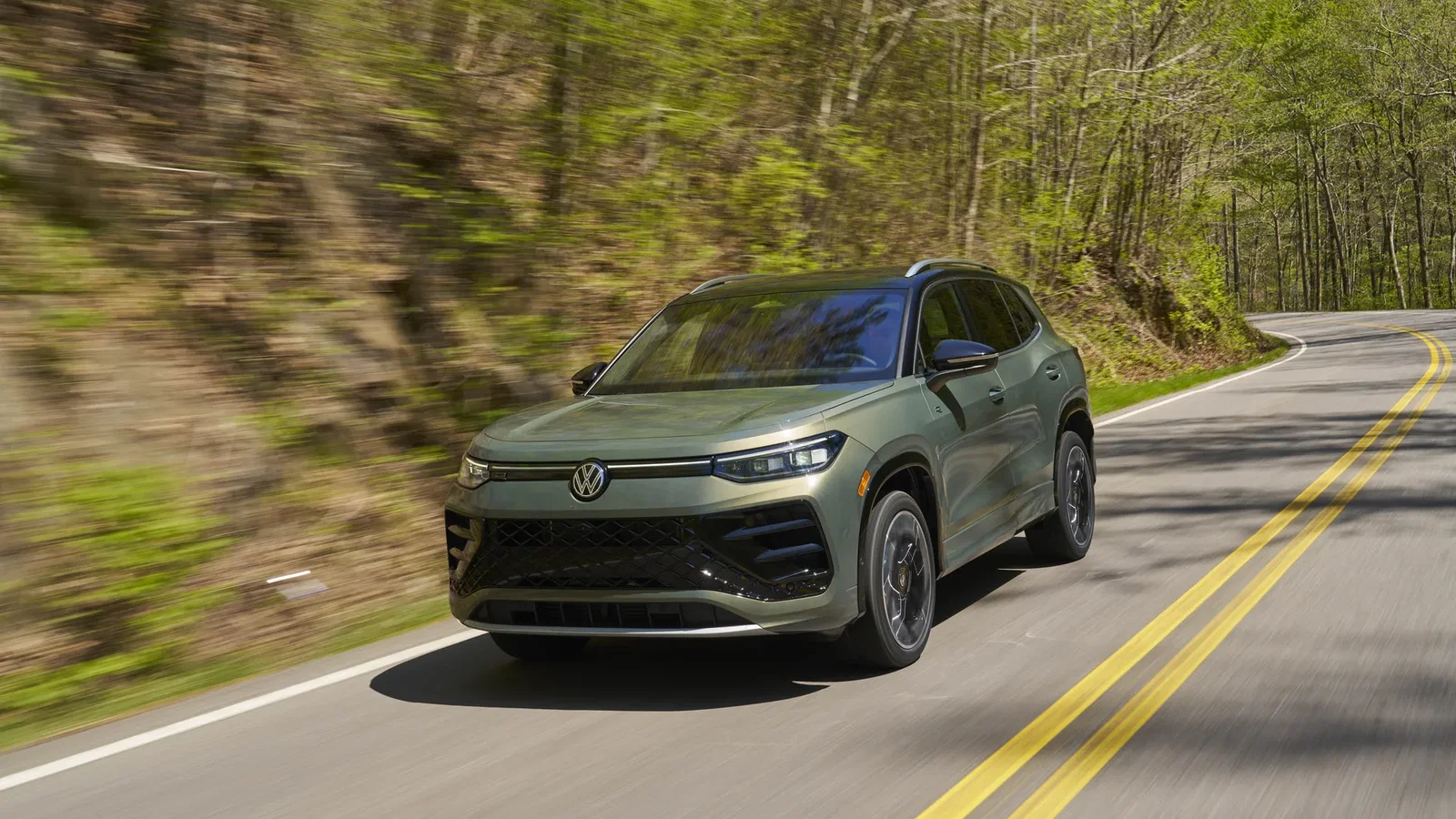
2026 Volkswagen Tiguan SEL R-Line. Photo: Courtesy of Volkswagen
|
| |
2026 Volkswagen Tiguan
-
MSRP: $30,805 starting price; As tested: $43,085 for the top-tier SEL R-Line Turbo, plus $1,475 destination charge.
-
Under the hood: A 201-hp, 2.0-liter engine is standard on most trims. The SEL R-Line gets an upgraded turbocharged version, generating 268 horsepower.
-
Fuel economy averages 29 mpg in the base model and 25 mpg in the SEL R-Line.
-
Manufacturing location: Puebla, Mexico.
What's new: More power, better fuel efficiency, and improved safety features.
What I loved: The clean, elegant interior, dominated by a 15-inch center-mounted screen and enhanced with soft-touch materials.
- VW has worked hard to make the cars it sells here feel more "American," and yet I like that the Tiguan retains some of its European flair.
What I didn't love: The same thing I dislike about most cars — not enough buttons and knobs on the screen, which can be distracting.
The bottom line: Why quibble? The 2026 VW Tiguan is super fun to drive, with a premium interior. It's well worth consideration if you're looking for something a bit different from the rest.
I test-drive vehicles in my role as a juror for the North American Car and Truck of the Year awards. Opinions are my own.
|
|
|
| |
| |
|
A MESSAGE FROM UBER
|
|
Autonomy must happen with cities, not to them
|
| |
|
| |
|
Autonomous vehicles will reshape transportation. Key priorities for a gradual rollout should include:
- An honest, careful transition for workers.
- Accessibility across all communities and markets.
- Clear communication and partnership with cities.
Explore Uber’s report.
|
| |
|
✍️ No need to scroll back to the top — here's the survey link again!
Thanks to editors Pete Gannon and Bill Kole. If you're a fan of this newsletter, please ask your friends to sign up, too.
|

|
It's called Smart Brevity®. Bring it to your org — via hands-on training or internal comms software — to harness its power and impact. |
|
|
|