|
|
|
|
|
Justin Rowlatt
|
|
Climate editor
|
|
|
|
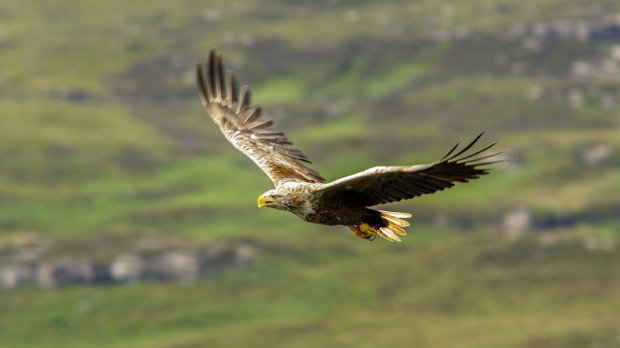
Hello and welcome to Future Earth. The conflict between bird protection campaigners and the shooting industry has been going on for decades. Some birds of prey take grouse, pheasants and partridges – birds reared or managed for shooting – meaning there are fewer to be shot by paying customers. The Royal Society for the Protection of Birds (RSPB) says that has led to persistent persecution of the birds, including shooting, trapping and poisoning, particularly on or near land managed for game shooting. Shooting groups say they have zero tolerance for illegal killings, and those involved only make up a tiny minority of the sector.
I was given an advance look at the RSPB’s latest report on the issue. It shows the numbers of birds of prey it records as having been illegally killed falling, but the charity argues the long-running nature of the problem shows prosecutions alone are not enough. It wants game bird shoots in England and Wales to be licensed – as grouse shoots now are in Scotland. The shooting industry strongly opposes that, as I’ve been finding out.
Plus, as heatwaves increase due to climate change, how hot is too hot to work? We hope you like the changes we’ve made to this newsletter. Send your comments and questions to [email protected].
|
|
|
|
|
|
|
|
|
 |
|
BBC NEWS
|
|
|
|
The charity recorded 921 attacks on protected birds of prey between 2015 and 2024, including on eagles and red kites.
|
|
|
|
 |
|
BBC NEWS
|
|
|
|
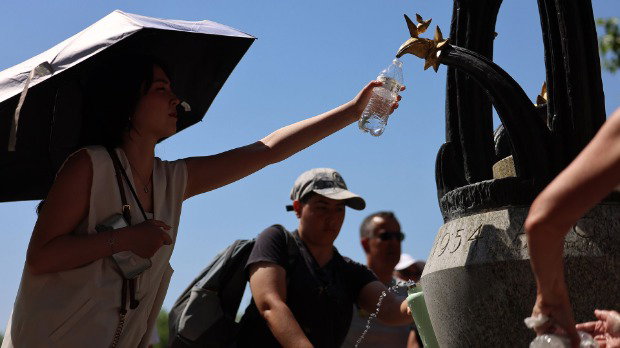
The record was broken for the second day in a row. The highest temperature recorded in May before this week was 32.8C.
|
|
|
|
|
|
|
|
|
|
|
|
|
 |
|
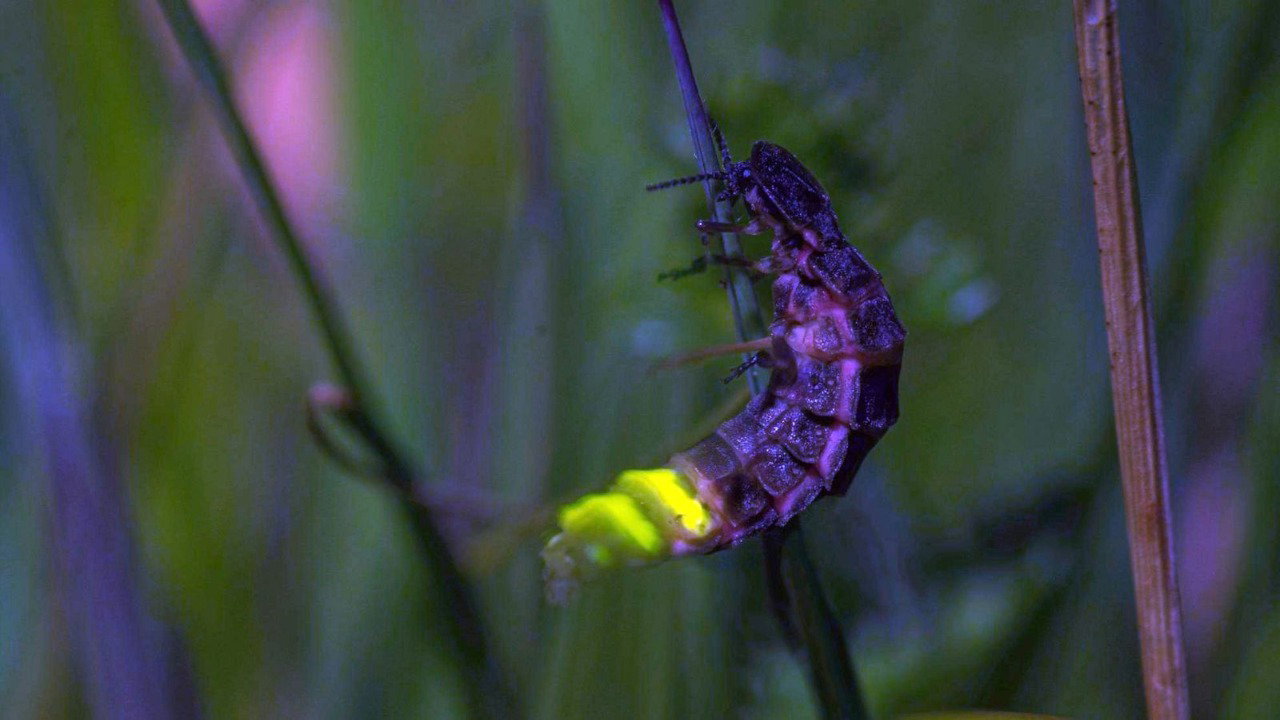
Volunteers used a mobile app to record species like the glow worm in the forest. Credit: Ben Mitchell
|
|
Kevin Keane
Scotland environment, energy and rural affairs correspondent
More than 1,000 species, including glow worms, slime moulds and rare lichens, have been discovered in just one corner of Scotland’s little-known, temperate rainforest.
They were recorded as part of a citizen science project, which aims to better understand the role played by rainforests in supporting biodiversity. The Argyll Countryside Trust’s (ACT) initiative in the West Cowal peninsula hopes to establish a baseline of the type of life being supported - and is the first survey of its kind carried out in the area in half a century.
According to NatureScot, Scotland has an estimated 30,000 hectares of “internationally important” rainforest. And the ACT’s rainforest manager Ian Dow said the pockets that remained were even rarer than their tropical equivalents such as the Amazon.
It comes as the government in Scotland - one of the most nature-depleted countries in the world - prepares to set new targets for restoring nature.
|
|
|
|
|
|
|
|
CLIMATE QUIZ
|
|
Climate change can affect ultraviolet (UV) radiation through ozone concentration and air pollution. High exposure can cause skin damage. Where was the highest-ever level of UV radiation recorded?
|
|
A. Bolivia
B. Chile
C. Australia
Read further down for the answer.
|
|
|
|
|
|
|
|
|
|
|
|
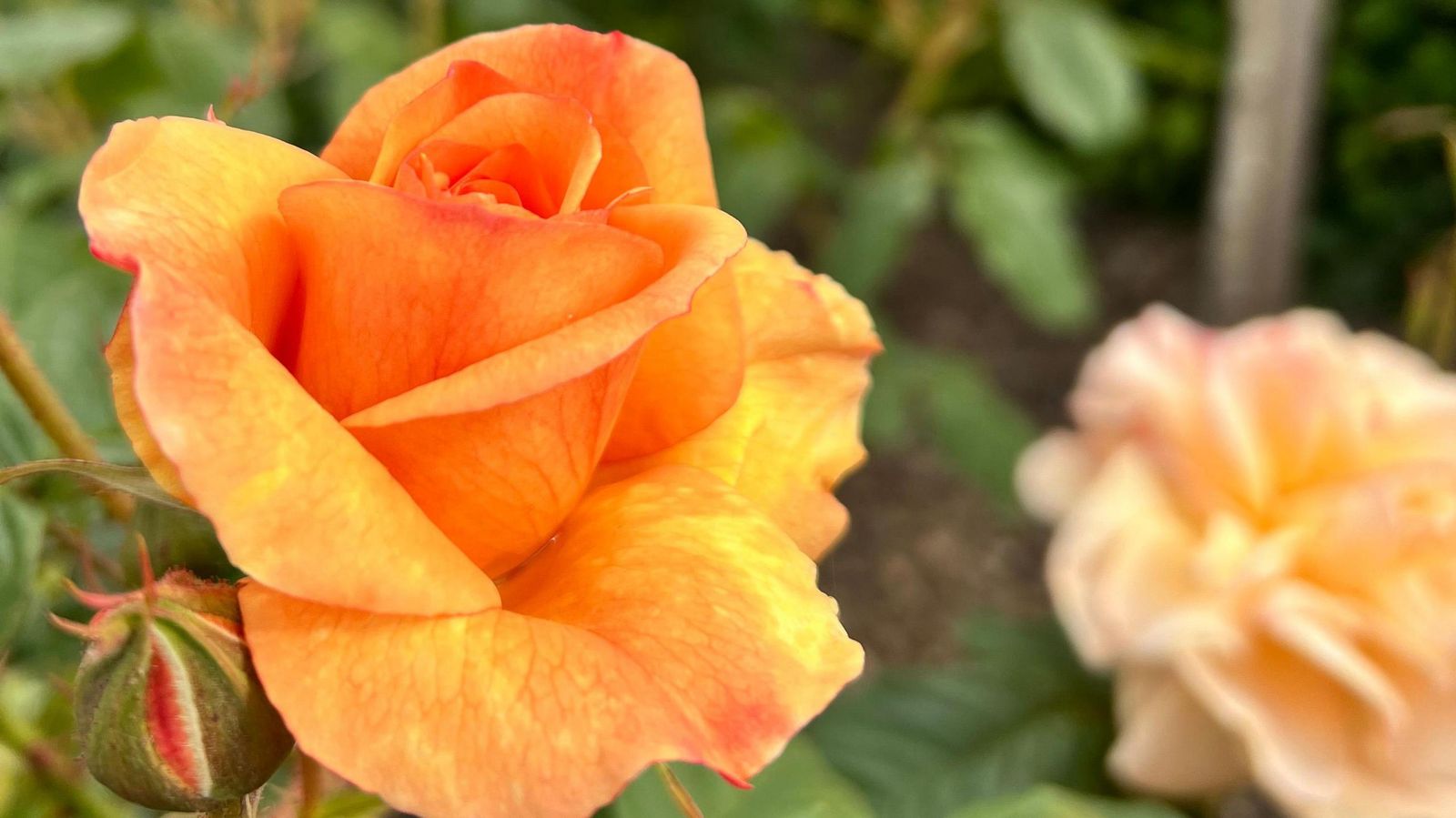
The Climate Change Committee (CCC) says rolling out cooling technologies in schools and hospitals should be one of the government’s highest priorities. Plus, find out why this year’s first roses arrived as early as March.
|
|
|
|
 |
|
BBC NEWS
|
|
|
|
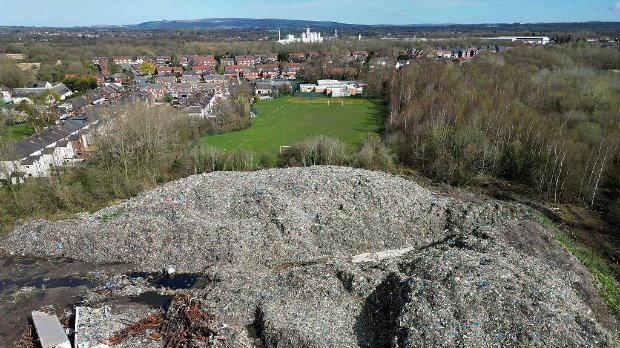
The Environment Agency has urged members of the public to come forward with information as it continues to track waste sites.
|
|
|
|
 |
|
BBC NEWS
|
|
|
|
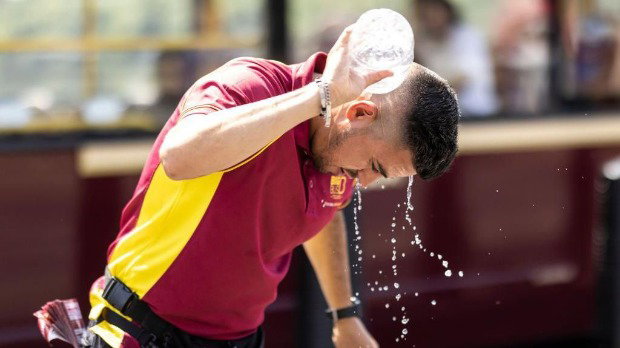
The government said the CCC’s suggestion was “not something” it was looking at. Some countries do have such limits.
|
|
|
|
|
|
|
 |
|
BBC NEWS
|
|
|
|
The shift has been driven by milder, wetter winters and unusually warm spells in spring, according to the National Trust.
|
|
|
|
 |
|
BBC NEWS
|
|
|
|
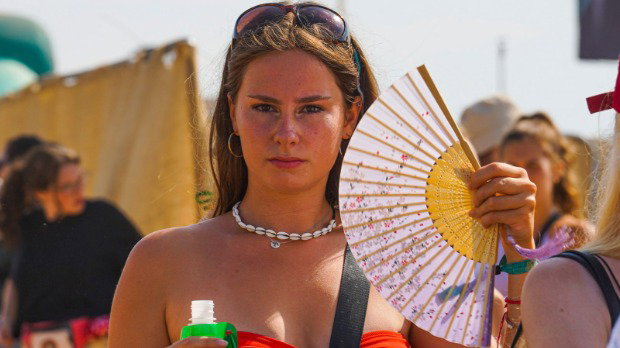
Climate and science reporter Esme Stallard offers expert tips so you can make the most of the music.
|
|
|
|
|
|
|
|
|
YOUR QUESTIONS ANSWERED
|
|
Climate and science reporter Mark Poynting answers your questions.
|
|
Future Earth reader Chris asks: “Other countries have recognised the potential of hydrogen. Why do we never hear this mentioned by our own government?”
|
|
|
|
|
|
Mark Poynting
|
|
Climate and science reporter
|
|
|
|
At first glance, hydrogen has the potential to be something of a super fuel. It can be used irrespective of the weather and doesn’t produce carbon dioxide when burned. But it’s been largely held back by high costs.
The UK hydrogen industry is still in its infancy and has been hit by repeated setbacks. Part of the reason is the country’s high electricity prices, which raise the cost of making hydrogen from clean electricity rather than polluting fossil fuels. Industry insiders also point to the slow rollout of government policies. But the UK isn’t alone in having a stuttering clean hydrogen industry. The International Energy Agency notes “a recent wave of project delays and cancellations” globally – though it does expect strong growth in the future.
The UK government has regularly touted the potential of hydrogen and pledged funding for hydrogen infrastructure. It declared last year that its “commitment to hydrogen as a central pillar of the UK’s clean energy future is as strong as ever”. But the government’s independent adviser, the Climate Change Committee, believes that by 2040 hydrogen will play only “a small but important role”, mainly in industrial sectors that are hard to decarbonise by other means.
Something you want to know about our changing climate and recent high temperatures? Send us your question at [email protected].
|
|
|
|
|
|
|
|
|
|
BBC SOUNDS
|
|
|
|
Expected to be the strongest El Niño yet, the team discuss what the climate phenomenon is and how it will affect the world.
|
|
|
|
|
 |
|
BBC SOUNDS
|
|
|
|
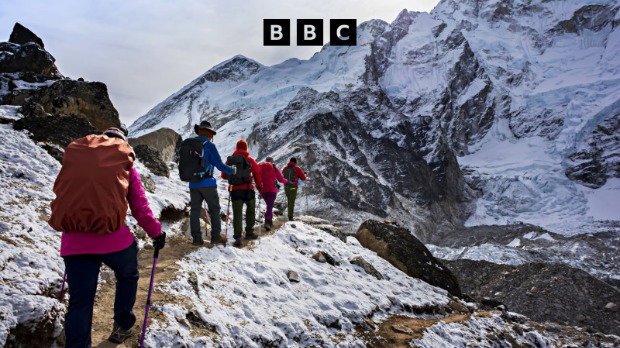
Experts warn glacier loss could have consequences for ecosystems and communities in the region. What can be done about it?
|
|
|
|
 |
|
BBC NEWS
|
|
|
|
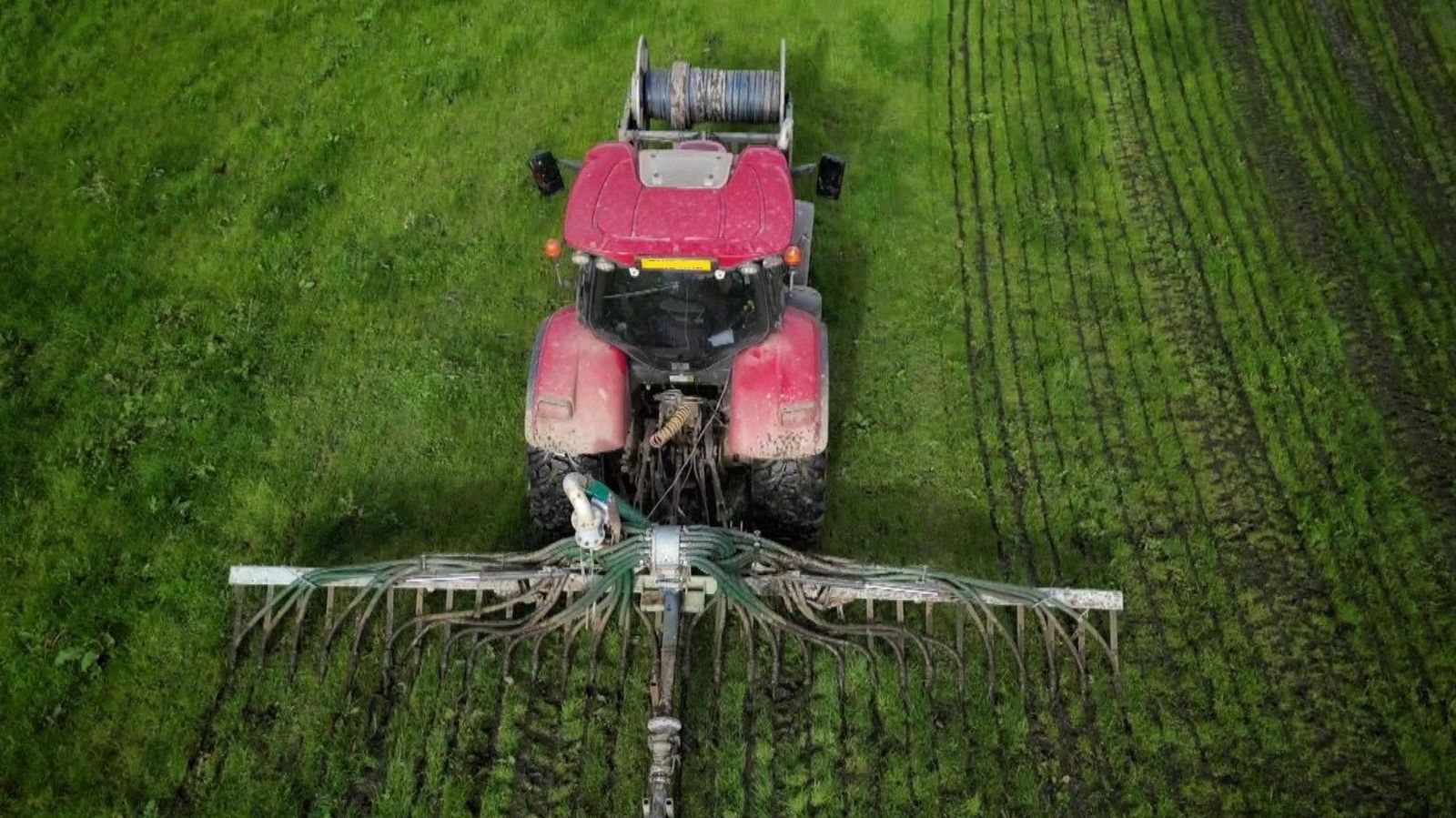
Wales’s new environment minister has said a ban on slurry-spreading over winter months to protect rivers does not work.
|
|
|
|
|
|
|
|
|
CLIMATE QUIZ ANSWER
|
|
A. Bolivia
|
|
A world-record UV index of 43.3 was detected at the South American country’s Licancabur volcano by researchers in 2003 - a reading that is closer to surface radiation on Mars than typical conditions on Earth. A later study found that a “perfect storm” of ozone-destroying chemicals is what caused the incredibly high reading. Find out more about UV levels and how you can protect yourself here.
|
|
|
|
|
|
|
|
|
|
|
|
|
| |
| |
|
|
|
News Daily
|
|
Get our flagship daily newsletter delivered straight to your inbox first thing throughout the week.
|
|
Sign up
|
|
|
|
|
|
|
|
Emails made for you
|
|
You've received this email as you've previously been interested in Future Earth newsletters.
If you've changed your mind and would rather receive something else, let us know and we’ll remember for next time.
|
|
|
|
|
|
|
|
|
|
|
|
To stop receiving ‘BBC emails for you’ newsletters click here to unsubscribe. Or you can update your email preferences in your BBC account settings.
This email is intended for UK residents. Please note that some features and content in this newsletter are only available to people in the UK. You can update your personal details including your Postcode and Email Address in your account settings.
Find out everything you need to know about using your BBC account, all in one place.
This email newsletter suggests things we think you'll like based on what we know about you. To find out more about personalisation at the BBC, click here.
The BBC is not responsible for the content of external sites. Read about our approach to external linking.
Replies to this email will not be monitored. If you have any questions, please refer to our FAQ page.
BBC Broadcasting House, Portland Place, London W1A 1AA, UK
Copyright © 2026 BBC.
|
|
|
|
[[ua-unsubscribe-page href="__REPLACE_LINK_PLACEHOLDER__"]]
|
|
|