|
|
|
|
|
Justin Rowlatt
|
|
Climate editor
|
|
|
|
Welcome to Future Earth. This week, the World Meteorological Organization (WMO) has warned that the natural weather pattern known as El Niño is very likely to develop this year - and many forecasts suggest it could be a big one. Some commentators are already calling it a possible “super” - or even “Godzilla” - event.
So why does that matter? Because El Niño is one of the most powerful forces shaping the planet’s weather. It’s characterised by a warming of the tropical Pacific that sends a pulse of ocean heat into the atmosphere, pushing up global temperatures and disrupting rainfall, storms and heat around the world. Its impacts vary, but it typically brings drought, wildfires and crop failures to some regions, and floods to others. And this time, it will be playing out on a planet already made significantly hotter by climate change.
So how strong could this El Niño be? What impact is it likely to have on the world’s weather and why is it an issue for us here in the UK when we are so far from the Pacific Ocean? Find out more below.
Plus, read about the hottest place in India, where workers are having to adapt to extreme temperatures. And scientists have discovered a “killer fungus” that could bring environmental benefits. You can get in touch with the team at [email protected].
|
|
|
|
|
|
|
|
|
 |
|
BBC NEWS
|
|
|
|
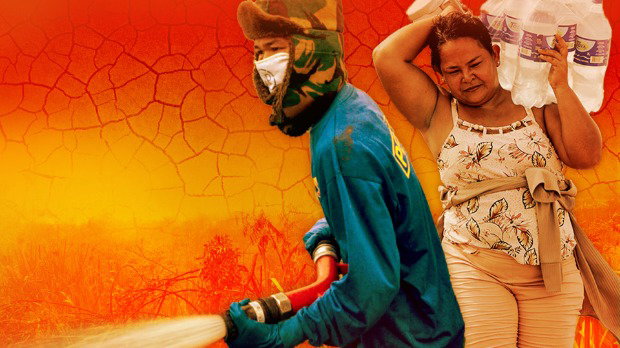
Find out how climate scientists spot signs of the weather pattern developing and predict the effects it could have.
|
|
|
|
 |
|
BBC WEATHER
|
|
|
|
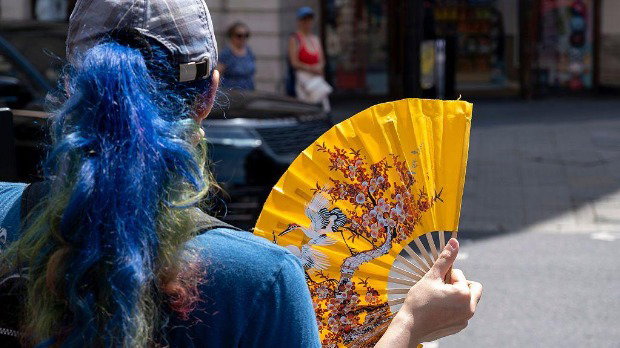
The unusual heat and below-average rainfall this spring illustrates “the longer-term warming we are observing”, Met Office scientists say.
|
|
|
|
|
|
|
|
|
|
|
|
|
 |
|
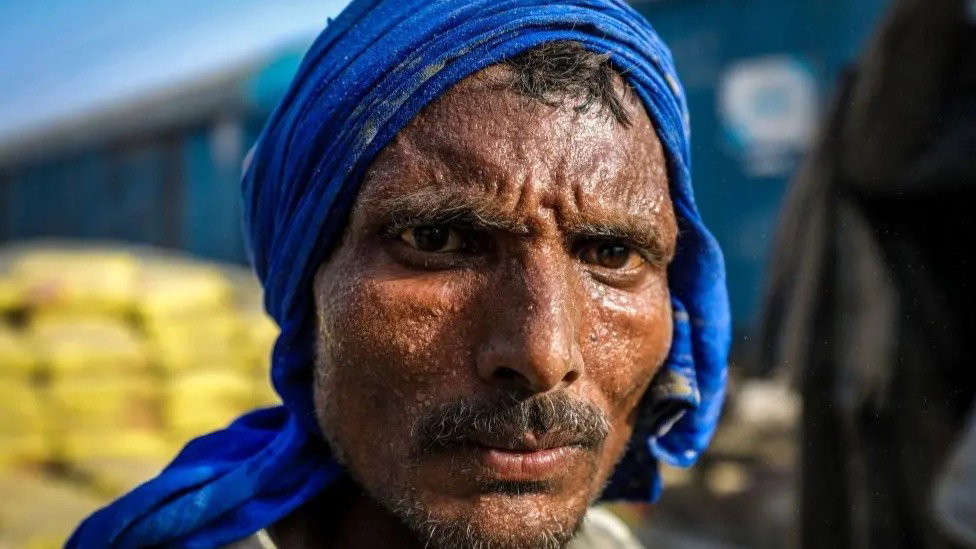
Many people in Banda are dependent on outdoor work for daily wages. Credit: EPA
|
|
Soutik Biswas and Neetu Singh
Reporting from Delhi and Banda
In May, the Banda district in India’s Uttar Pradesh state spent days at the top of an unenviable national ranking: the hottest place in the country. Temperatures hovered at 47-48C (116-118F) for more than a week, an extraordinary run even by local standards.
Banda’s ordeal is a local expression of a broader trend. The Indo-Gangetic Plain, which stretches across much of northern India and includes Uttar Pradesh, is regarded by climate researchers as one of the world's emerging hotspots for dangerous humid heat.
A dense population, extensive irrigation, abundant moisture and large numbers of outdoor workers combine to create conditions in which even routine labour can become risky.
Banda’s more than two million residents - many dependent on farming, construction, transport and other outdoor work - have little option but to endure the heat. “You still have to complete eight hours,” one worker said. “Whether you work continuously in the sun or stop and start, the pay is the same.”
|
|
|
|
|
|
|
|
CLIMATE QUIZ
|
|
A group of footballers have urged Fifa to do more to protect players from extreme heat at the World Cup this summer - find out who is among them here. Which of these three measures is Fifa planning?
|
|
A. Six-minute cooling breaks
B. Climate-controlled benches
C. Scheduling matches in the evening
Read further down for the answer.
|
|
|
|
|
|
|
|
|
|
|
|
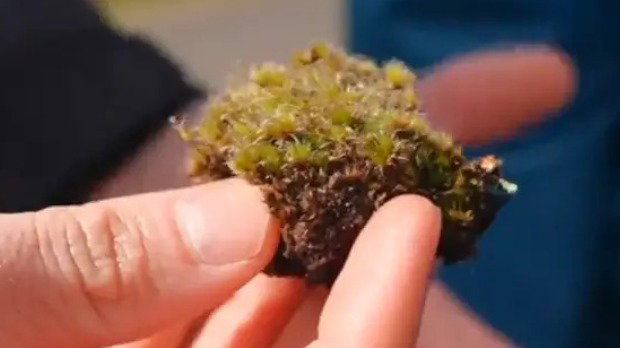
Certain plants which are not native to the UK can damage the environment by taking over and turfing out other species. Find out how a new discovery could give hope to restoring them. And farmers in south-west England share how climate change is impacting the industry.
|
|
|
|
 |
|
BBC NEWS
|
|
|
|
Scientists say the spread of the moss die-back fungus could represent a rare environmental fightback against invasive species in Britain.
|
|
|
|
 |
|
BBC NEWS
|
|
|
|
Dry summers and cost increases to fuel and energy linked to the war in the Middle East are causing uncertainty in the agricultural sector.
|
|
|
|
|
|
|
|
|
YOUR QUESTIONS ANSWERED
|
|
Future Earth reader Simon asks:
|
|
“Why as an island nation do we not use desalination plants to increase water supply?”
|
|
|
|
|
|
Mark Poynting
|
|
Climate and science reporter
|
|
|
|
The UK’s water supplies are under increasing pressure - especially in south-east England - partly as a result of climate change and a growing population. A landmark review into England and Wales’s water sectors last year also pointed to decades of underinvestment.
Desalination - the removal of salt to create fresh water - may seem an obvious solution to tackle future water shortages. But while desalination technologies have advanced, the process is energy intensive and therefore expensive, particularly given high UK energy prices. It is also not without environmental concerns, as the by-product, brine, needs to be carefully disposed of.
While desalination is not a silver bullet, the government and water companies are looking to build desalination plants, alongside other measures to safeguard water supplies such as reservoirs and water recycling facilities. In 2024, they announced draft proposals for eight desalination plants in southern and eastern England, though these plants have start dates in the 2040s. That’s in addition to a desalination project in Cornwall announced previously. The Thames Gateway plant in London was built in 2010 - although it has been used very rarely - while the Isles of Scilly also uses a desalination facility.
Got a question about energy efficient technologies or climate change? Let us know on [email protected].
|
|
|
|
|
|
|
|
|
|
BBC NEWS
|
|
|
|
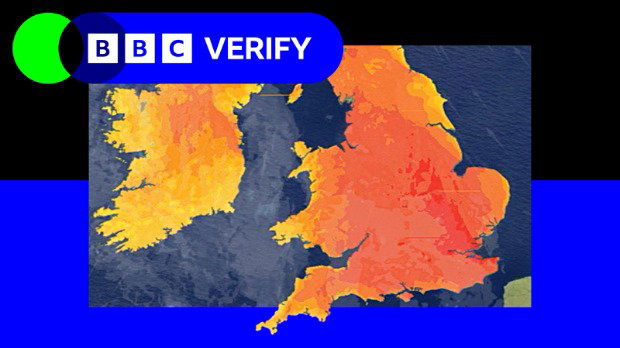
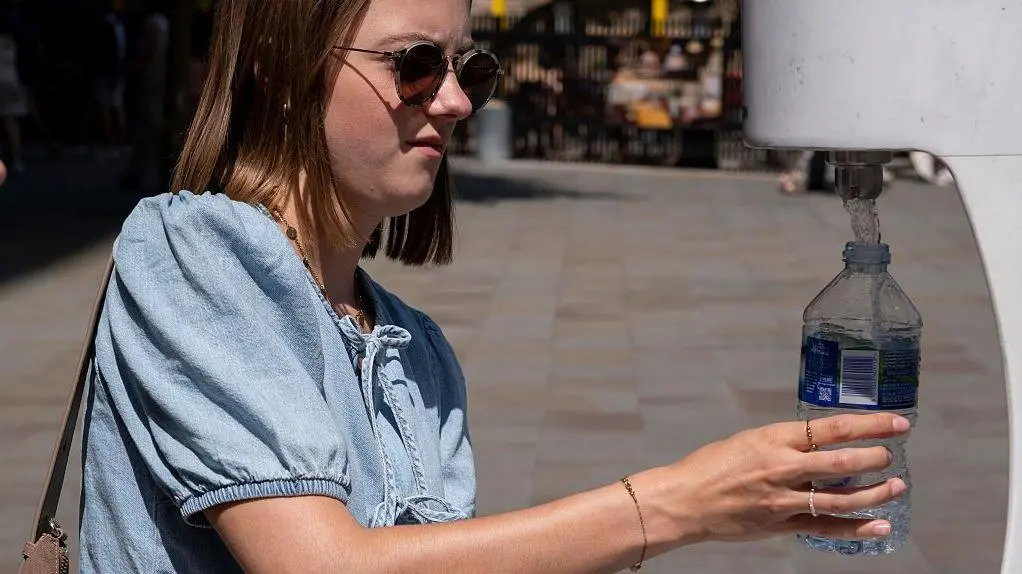
Why do weather forecasters use deep red “danger” colours to depict high temperatures? BBC Verify explains.
|
|
|
|
|
 |
|
BBC WEATHER
|
|
|
|
Meteorologist Simon King explores why rapid temperature increases appear to be happening more often.
|
|
|
|
 |
|
BBC SOUNDS
|
|
|
|
Is the conflict in Iran accelerating the shift away from fossil fuels? Tom Heap and Helen Czerski speak to a panel of experts.
|
|
|
|
|
|
|
|
|
CLIMATE QUIZ ANSWER
|
|
B. Climate-controlled benches
|
|
Technical staff and substitutes will be able to use the benches at all outdoor matches. While Fifa has introduced mandatory three-minute cooling breaks in each half, scientists want the governing body to go further. Find out what else they are calling for here.
|
|
|
|
|
|
|
|
|
|
|
|
|
| |
| |
|
|
|
News Daily
|
|
Get our flagship daily newsletter delivered straight to your inbox first thing throughout the week.
|
|
Sign up
|
|
|
|
|
|
|
|
Emails made for you
|
|
You've received this email as you've previously been interested in Future Earth newsletters.
If you've changed your mind and would rather receive something else, let us know and we’ll remember for next time.
|
|
|
|
|
|
|
|
|
|
|
|
To stop receiving ‘BBC emails for you’ newsletters click here to unsubscribe. Or you can update your email preferences in your BBC account settings.
This email is intended for UK residents. Please note that some features and content in this newsletter are only available to people in the UK. You can update your personal details including your Postcode and Email Address in your account settings.
Find out everything you need to know about using your BBC account, all in one place.
This email newsletter suggests things we think you'll like based on what we know about you. To find out more about personalisation at the BBC, click here.
The BBC is not responsible for the content of external sites. Read about our approach to external linking.
Replies to this email will not be monitored. If you have any questions, please refer to our FAQ page.
BBC Broadcasting House, Portland Place, London W1A 1AA, UK
Copyright © 2026 BBC.
|
|
|
|
[[ua-unsubscribe-page href="__REPLACE_LINK_PLACEHOLDER__"]]
|
|
|