|
|
|
|
|
Jonah Fisher
|
|
Environment correspondent
|
|
|
|
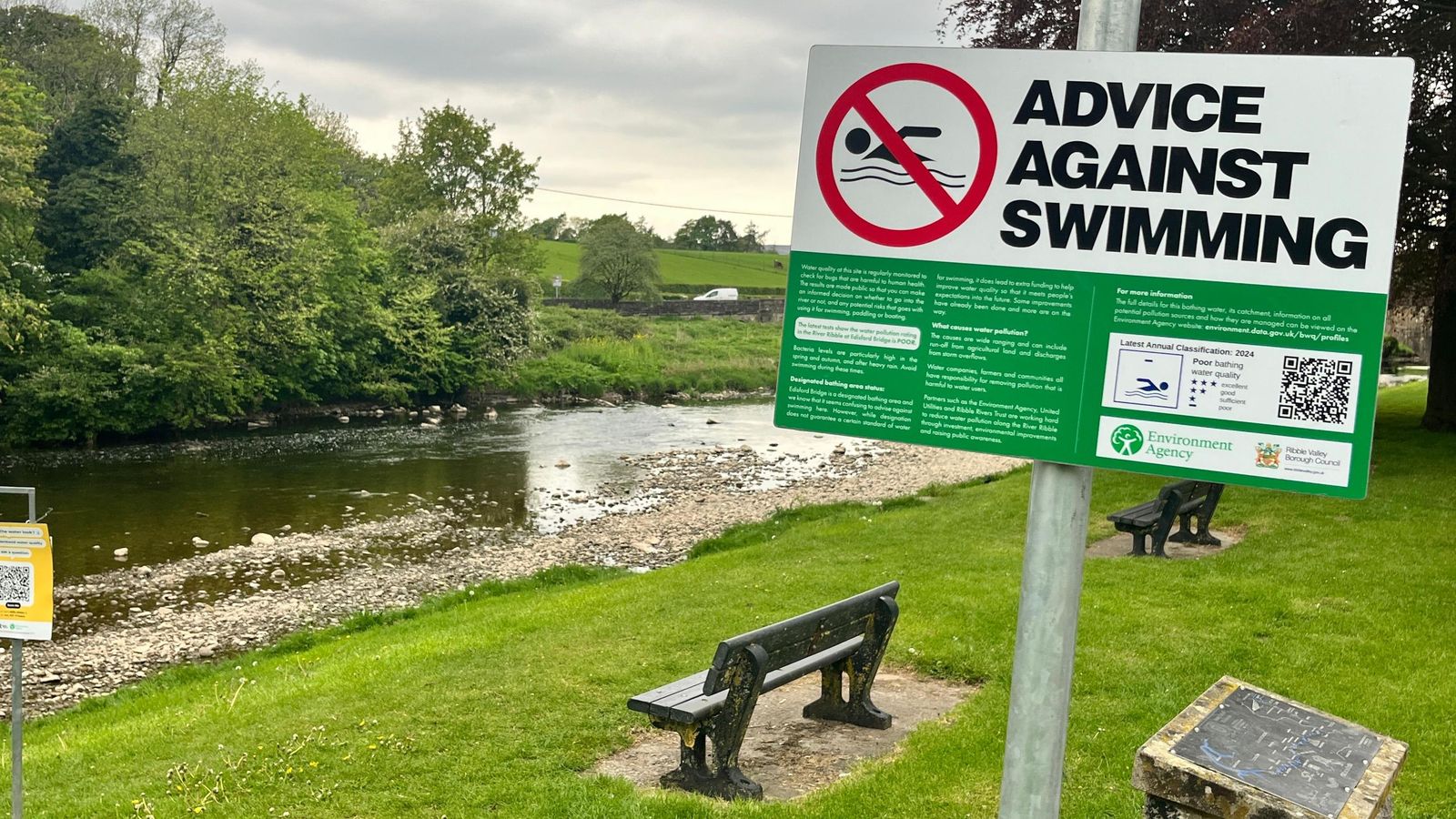
Welcome to Future Earth. Fancy a dip? With summer on its way, some people will be heading to the nearest lake or river for a swim. Is the water clean enough? And in England, does it make any difference if the bathing site is one of the more than 460 official locations designated by the government? To try and find out, I donned my swimming shorts and went to all 14 of the official inland river sites that were tested last year. Read on below.
Plus, scientists have shared concerns about the potential consequences of a developing “super” El Niño. And find out how much battery storage the UK would need to meet its renewable energy targets. As always, you can send your questions and comments to [email protected].
|
|
|
|
|
|
|
 |
|
BBC NEWS
|
|
|
|
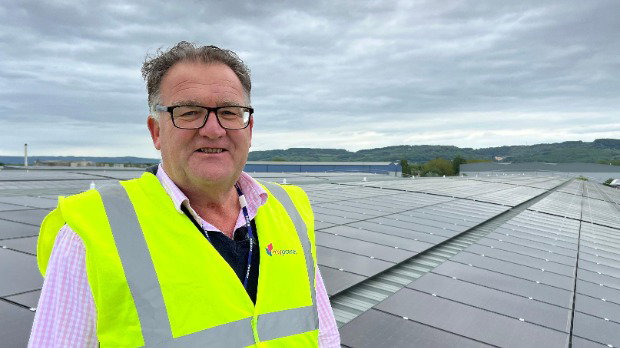
The total amount of solar power installed across the UK has increased 11% compared to last year, according to government figures.
|
|
|
|
 |
|
BBC NEWS
|
|
|
|
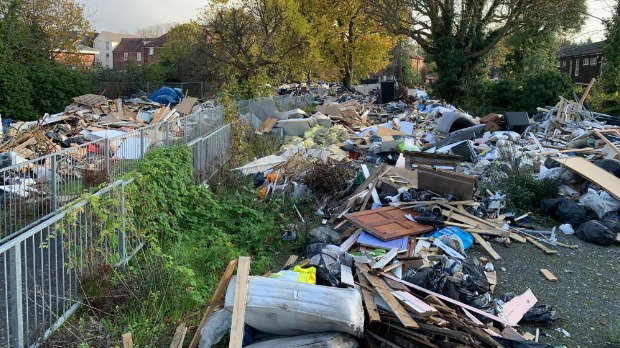
New rules will come into force in England in 2027, after a cow named Beau Vine was approved for a waste removal licence.
|
|
|
|
|
|
|
|
|
|
|

Image description: A man faces the camera smiling, wearing a pink shirt and a high-vis jacket. Behind him are hundreds of solar panels.
Headline: Waste licences to be tightened in illegal dumping crackdown
Copy: New rules will come into force in England in 2027, after a cow named Beau Vine was approved for a waste removal licence.
Link: https://www.bbc.co.uk/news/articles/c707jlxwx38o
Alias: bbcnews_wastecarrierlicencestobetightenedaspartofillegaldumpingcrackdown_newsengland
Title: Waste carrier licences to be tightened as part of illegal dumping crackdown
CTA: Find out more

Image:
Image description: A huge amount of rubbish has been dumped close to a residential area, with houses and trees in the background.
----------
Main section
(Headlines = 35-50 chars; caption copy = 75-85 chars)
Headline: Will wild swimming clean-up England’s rivers?
The swimmers taking on sewage
A “cheat code” for cleaning up England’s rivers?
Image:

Image description: A sign by the River Wharfe, Ilkley, which says ‘bathing is not advised’, partially covered by graffiti. Blurred in the background is green foliage.](https://images.milledcdn.com/2026-05-19/zKKrNt-vd5YNmCeH/l7ajKsUisiu9.jpeg) |
|
Water quality is generally better at the coast than inland rivers. Credit: Getty Images
|
|
Is swimming in a polluted river the best way to get it cleaned up? It sounds perverse, but as I discovered on my road trip round all of England’s river bathing sites, there is more than a grain of truth to it.
This is how it works. Rivers that are officially designated as bathing sites in England and Wales receive regular testing from the Environment Agency (EA) throughout the site’s bathing season - usually from 15 May to 30 September. If there’s too much bacteria linked to human and animal faeces in the water then it’s rated “poor” and that leads to further investigation. If it’s then established that sewage spills are to blame, then the water company is instructed to fix it.
So, after decades of having their complaints and citizen science dismissed, many campaigners think that wild swimming might be the cheat-code to get things done.
Earlier this month, I stopped off in West Yorkshire. The River Wharfe at Ilkley was the first river to be designated as a bathing site in 2020 - and its water quality has stubbornly rated as “poor” ever since. But campaigners hope that could soon change. With sewage spills blamed, Yorkshire Water is investing £60m to try and reduce the amount getting into the river.
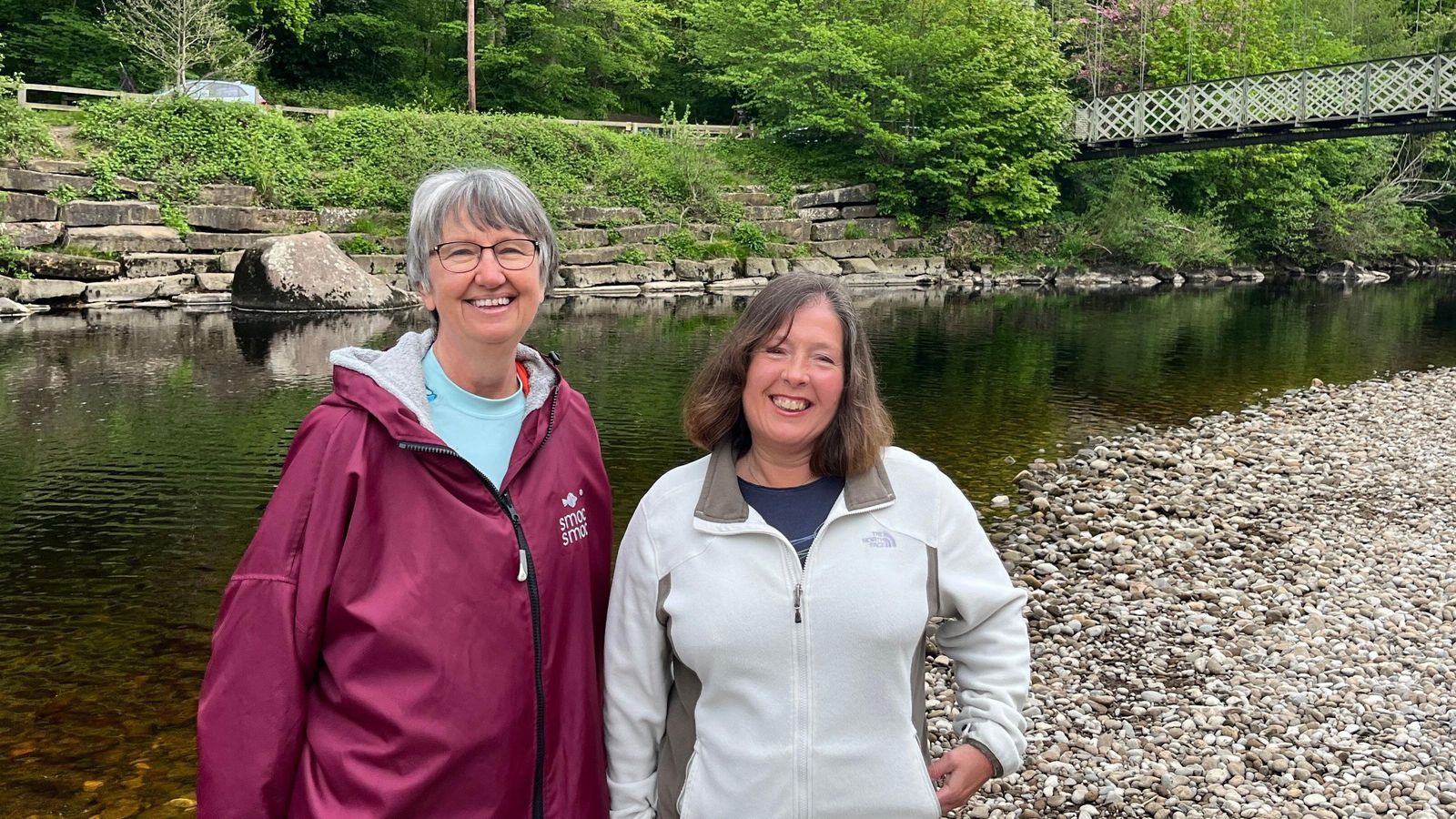
“Disgustingly bonkers” was how Karen Shackleton from the Ilkley Clean River Group described things. Di Leary, who bravely swum for our cameras, called it a “Catch-22” situation.
|
 |
|
Di and Karen swim in the River Wharfe to campaign for better water quality.
|
|
To get designation, campaigners have to prove the location meets several criteria (not related to water quality) and provide evidence that it receives at least 100 people on at least two days during the bathing season. In short: you need to get lots of people into your river.
I leapt into the River Teme with Alison Biddulph at Ludlow. It was the only time I swam on the road trip (mainly due to it being too cold rather than fears over faecal bacteria).
As well as being freezing, Ludlow is one of three sites where Alison has secured bathing site status. All have rated “poor” in the two years since designation, but there are now sondes (water testing devices) providing constant updates on water quality and analysis being carried out to establish whether its principally human or animal faeces to blame.
“I'm hoping that eventually there'll be so many river sites that they’ll do away with having designated sites and just make the rules that you have to test and improve the rivers everywhere,” Alison told me.
On Friday, 13 more bathing sites were added to the EA’s list, of which six are on inland rivers, including a first site on the River Thames in London. It is likely to be rated as “poor” initially.
The water companies are not impressed. In a statement, they said that designating places as bathing sites when they weren’t suitable for swimming risked “confusing” people. The government has said that designation will give swimmers “greater confidence” and that “generational” reforms of the water industry and a shake-up of regulation should bring improvements.
|
|
|
|
|
|
|
The government has announced six new inland river bathing sites - but most existing sites carry warnings advising people not to swim.
|
|
|
|
|
|
|
|
|
CLIMATE QUIZ
|
|
The Chelsea Flower Show is under way, and the Eden Project's garden features climate-resilient plants, a solar-powered structure and rainwater harvesting. What is it called?
|
|
A. Bring Me Sunshine
B. Come Rain or Shine
C. A Brighter Future
Read further down for the answer.
|
|
|
|
|
|
|
|
|
|
|
|
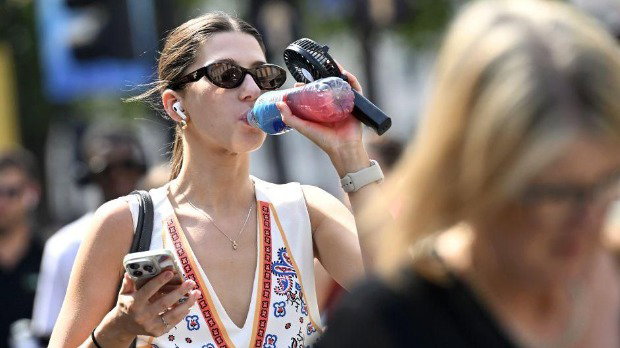
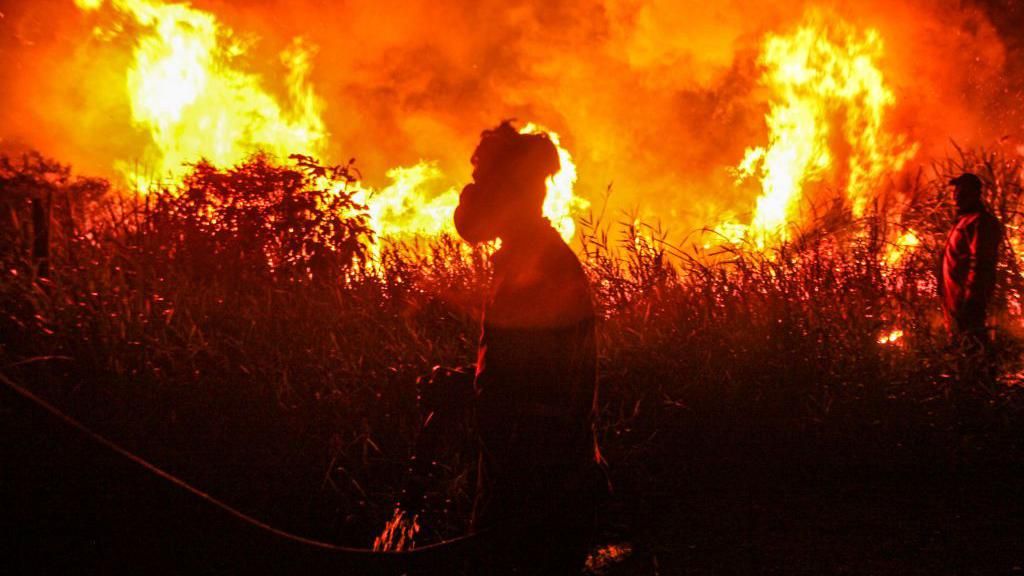
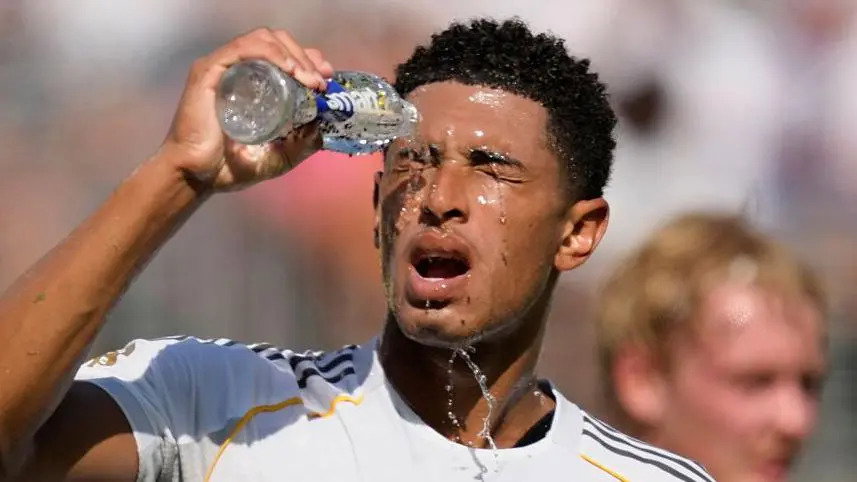
El Niño is expected to strengthen, raising concerns it could contribute to record-breaking temperatures. And experts say “inadequate” heat safety measures could put footballers at risk during the men’s World Cup in the United States, Canada and Mexico.
|
|
|
|
 |
|
BBC WEATHER
|
|
|
|
Scientists are concerned about the weather pattern’s potential impact on global temperatures and humanitarian issues.
|
|
|
|
 |
|
BBC SPORT
|
|
|
|
The governing body is being urged to strengthen protections, including longer breaks and clearer rules for extreme heat.
|
|
|
|
|
|
|
|
|
YOUR QUESTIONS ANSWERED
|
|
Future Earth reader Martin asked:
|
|
“How much battery storage does the UK need to smooth out intermittency in wind and solar power generation?”
|
|
|
|
|
|
Mark Poynting
|
|
Climate reporter
|
|
|
|
Wind and solar-powered electricity are among the world’s key tools for tackling climate change but are weather-dependent. Batteries can help by storing electricity when it is abundant to use during less sunny or windy periods. The government expects Britain will need somewhere between 23 and 27 gigawatts (GW) of battery capacity on the grid to meet its target of almost fully clean power by 2030. That will be a steep challenge: trade body RenewableUK estimated that there was less than 7GW of battery capacity as of September 2025, though the sector has grown quickly since 2020.
Even this target wouldn’t completely smooth out the intermittency in wind and solar power generation, because batteries are typically used to store electricity for short durations - hours rather than days or weeks.
Other technologies will be part of the mix to help deal with longer periods without much wind or Sun. These could include nuclear power, interconnectors to import electricity from Europe and a type of energy storage involving hydropower. The exact mix of these technologies will shape how much battery storage is needed. And while Britain’s use of fossil fuels should continue to fall if the government’s plans remain on track, some gas will still be needed for the foreseeable future during long periods without much wind or Sun.
Do you have a climate question? Email the team here.
|
|
|
|
|
|
|
|
|
|
|
 |
|
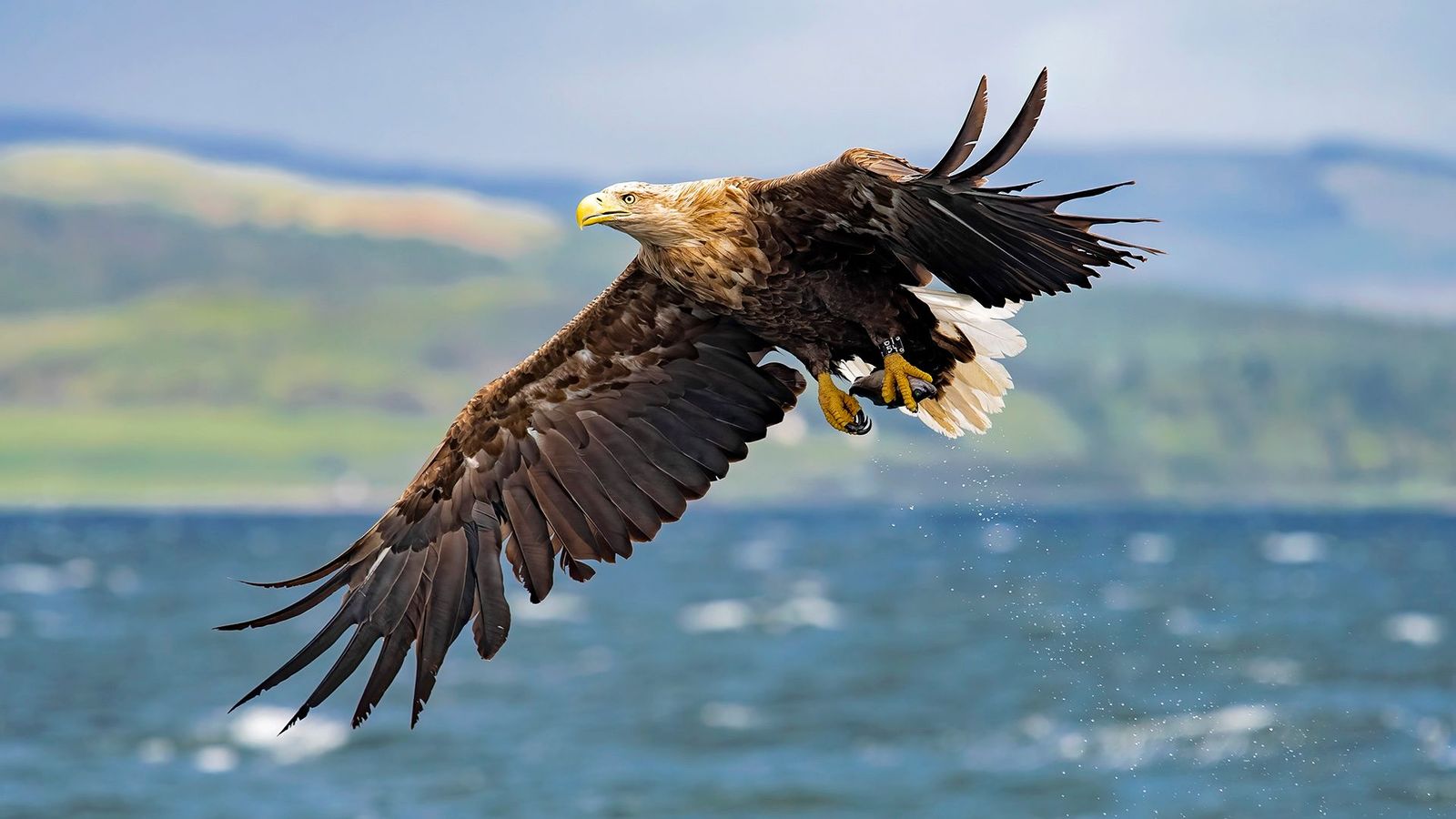
Once widespread across Britain, these eagles vanished by 1918. Credit: Getty Images
|
|
Jenny Kumah, Rural affairs correspondent and Malcolm Prior, Rural affairs producer
White-tailed eagles - the UK’s largest bird of prey - will be released across Exmoor National Park after the government approved the latest stage in a controversial reintroduction scheme. Up to 20 birds, which are also known as sea eagles and were once extinct in the UK, will be released over three years from this summer.
But there are concerns the predators could threaten sheep. One farmer in Scotland, where the eagles were reintroduced in 1975, said those in Exmoor should fight the plans “tooth and nail” or risk losing lambs to the birds. Natural England, which approved the plans, said the reintroduction would be “carefully planned” alongside local landowners.
|
|
|
|
|
|
|
|
|
|
|
BBC WEATHER
|
|
|
|
After an unusually cold spell last week, temperatures could hit 28C (82F) in some parts of the UK ahead of the long weekend.
|
|
|
|
|
 |
|
BBC SOUNDS
|
|
|
|
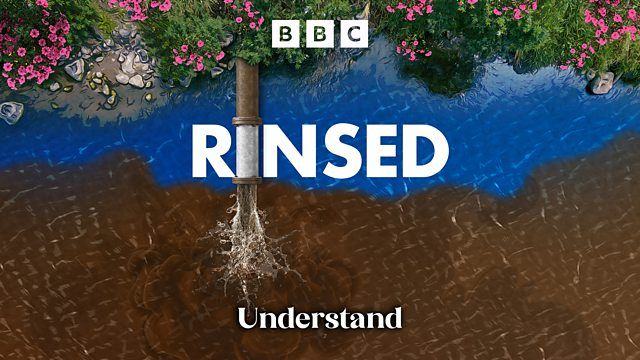
Kate Lamble tells the story of a sewage scandal and how an academic spotted a problem everyone else had missed.
|
|
|
|
 |
|
BBC SOUNDS
|
|
|
|
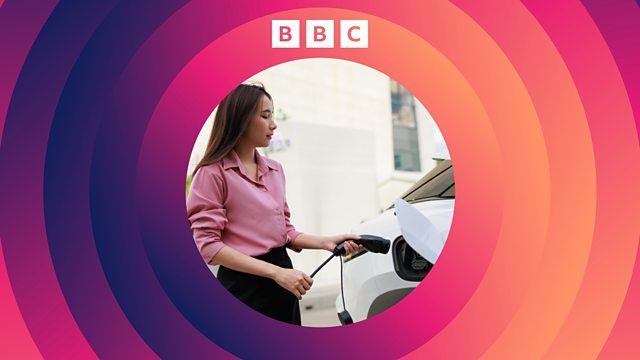
Huge numbers of drivers in Thailand and Vietnam are switching to electric vehicles. Will it help reduce their carbon emissions?
|
|
|
|
|
|
|
|
|
|
|
|
|
| |
| |
|
|
|
News Daily
|
|
Get our flagship daily newsletter delivered straight to your inbox first thing throughout the week.
|
|
Sign up
|
|
|
|
|
|
|
|
Emails made for you
|
|
You've received this email as you've previously been interested in Future Earth newsletters.
If you've changed your mind and would rather receive something else, let us know and we’ll remember for next time.
|
|
|
|
|
|
|
|
|
|
|
|
To stop receiving ‘BBC emails for you’ newsletters click here to unsubscribe. Or you can update your email preferences in your BBC account settings.
This email is intended for UK residents. Please note that some features and content in this newsletter are only available to people in the UK. You can update your personal details including your Postcode and Email Address in your account settings.
Find out everything you need to know about using your BBC account, all in one place.
This email newsletter suggests things we think you'll like based on what we know about you. To find out more about personalisation at the BBC, click here.
The BBC is not responsible for the content of external sites. Read about our approach to external linking.
Replies to this email will not be monitored. If you have any questions, please refer to our FAQ page.
BBC Broadcasting House, Portland Place, London W1A 1AA, UK
Copyright © 2026 BBC.
|
|
|
|
[[ua-unsubscribe-page href="__REPLACE_LINK_PLACEHOLDER__"]]
|
|
|