|
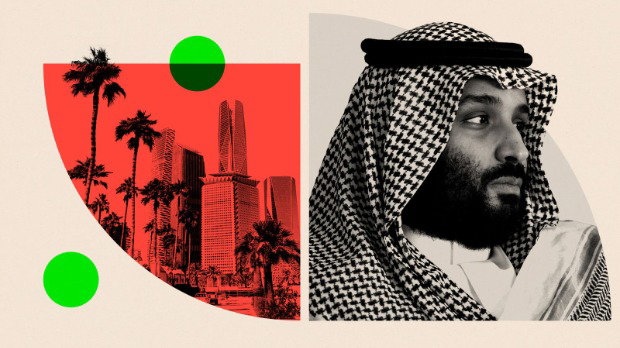
Hello and welcome to the BBC’s InDepth newsletter. Until a decade or so ago, Saudi Arabia was an economic giant that used its power and influence discreetly for the most part and was concerned about not shaking the status quo too much. On the surface, at least, it did not stray too far from its mutual interests with the US in the region, despite its distinct religious, political and cultural path. The old generation was very definitely in control - slow, wary, cautious, ultra-conservative.
And then, in 2017, a new man arrived at the top of Saudi politics. Crown Prince Mohammed bin Salman, 32 years old and with some pretty revolutionary ideas, took power. Saudi society went through a period of rapid change, including giving women the right to drive. But there were shocks and scandals along the way, including the murder of his former-friend-turned-critic Jamal Khashoggi, and human rights concerns remain. At the same time, plans for some extraordinarily transformative building projects started to emerge.
Now, though, times have changed again. The region isn’t as quiet or safe as it used to be, and money doesn’t seem infinite any longer. As a result, a lot of the projects have been scaled back, rethought, or sometimes cancelled. It’s been a remarkable journey, and the BBC’s Sebastian Usher has been chronicling it.
Also this week, Mitchell Labiak examines prediction markets, which allow people to bet on anything from sports to the war in Iran, and have been beset by allegations of insider trading. But why are they so popular specifically with young men? Let us know what you think of these stories and the newsletter - email [email protected].
|