|
Given the blockage in the Strait of Hormuz - the world economy’s most important energy artery - perhaps the real surprise of the 13% increase in the energy price cap is that it hasn’t gone up much more. Rising energy bills are another hit to hard-pressed consumers, who are not likely to see the full impact until the colder months set in.
Industry estimates are that just 7% of annual consumption occurs during the summer months, which might mean the immediate effect on bills is under £10 a month for a typical household. But the big concern is that higher prices will be reflected in winter bills depending on events in the Gulf.
It is worth stating that the predicted £1,900 annual typical dual fuel bill is well below the peak of £2,500, which happened after Russia’s invasion of Ukraine.
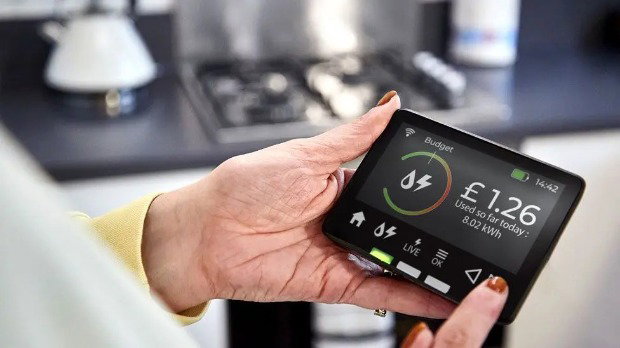
There is another development today that matters. Ofgem has recalculated what a typical household consumes, because there have been changes in how people use energy. For gas, this is down a whopping 17% from 2023, according to Ofgem. This does not change the fact that energy is getting more expensive again, but it does mean that a typical bill will not reach close to £2,000 a year. It also underlines why the government does not see the need for a widespread intervention to offset costs.
The fact of this profound mass consumer behavioural change is important, too. Some of this is in an effort to keep bills down, and some of it is due to the rollout of energy-efficient technology such as heat pumps and solar panels. Thermostats are being turned down, fewer showers are being taken, and electric blankets are replacing some hours of central heating. For some, budgets reserved for heating are being diverted to eating. This is what the industry calls “demand destruction” and that’s what underlies the figures.
The essential: Energy bills going up could be a big moment in winter, but what the public is already doing to contain households’ energy use is already highly significant.
|