|
Despite its hefty page count, SpaceX’s S-1 filing is - in parts - a riveting read. If you like photos of rockets, you will not be disappointed.
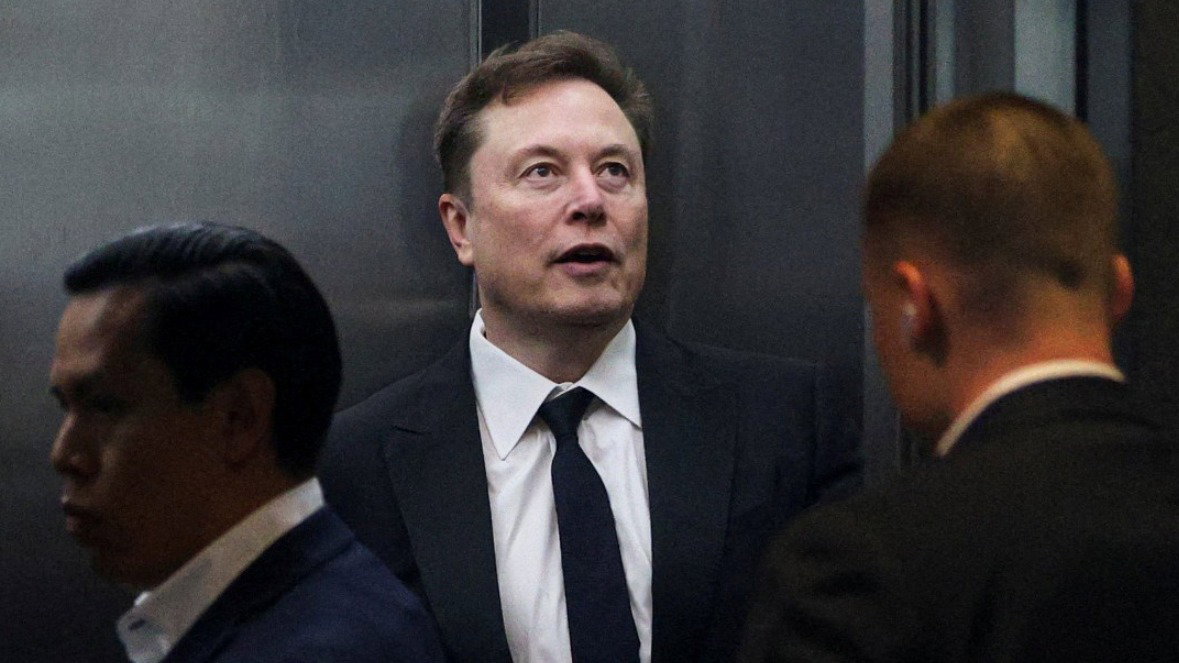
There are also stunning bits about incentives for Musk: if the company manages to build a permanent colony on Mars with at least a million people, he will get bonus SpaceX shares.
Back here on Earth, Musk has spent the last year making big changes to SpaceX.
In addition to its rocket business and Starlink satellite internet service, it has brought under its umbrella Musk’s social media platform X (formerly Twitter) and his AI startup xAI, which makes Grok.
That last part may explain why SpaceX is going public now after 24 years as a private company. From payroll to energy and infrastructure, developing AI is exorbitantly expensive.
Access to capital markets will help fund SpaceX and other AI companies that are expected to follow with an IPO of their own - namely, ChatGPT-maker OpenAI and Anthropic, which makes Claude.
But as public companies answerable to shareholders, they won’t have the luxury of revealing only the datapoints that they want to share. Investors could get spooked by their spending habits.
The download: The public will finally get access to purchase shares of long-private companies, but investors ought to look closely before buying in.
|