|
Last week in this newsletter, I wrote about Trump’s revenge tour - his crusade to oust Republican political incumbents who had prompted his ire for one reason or another.
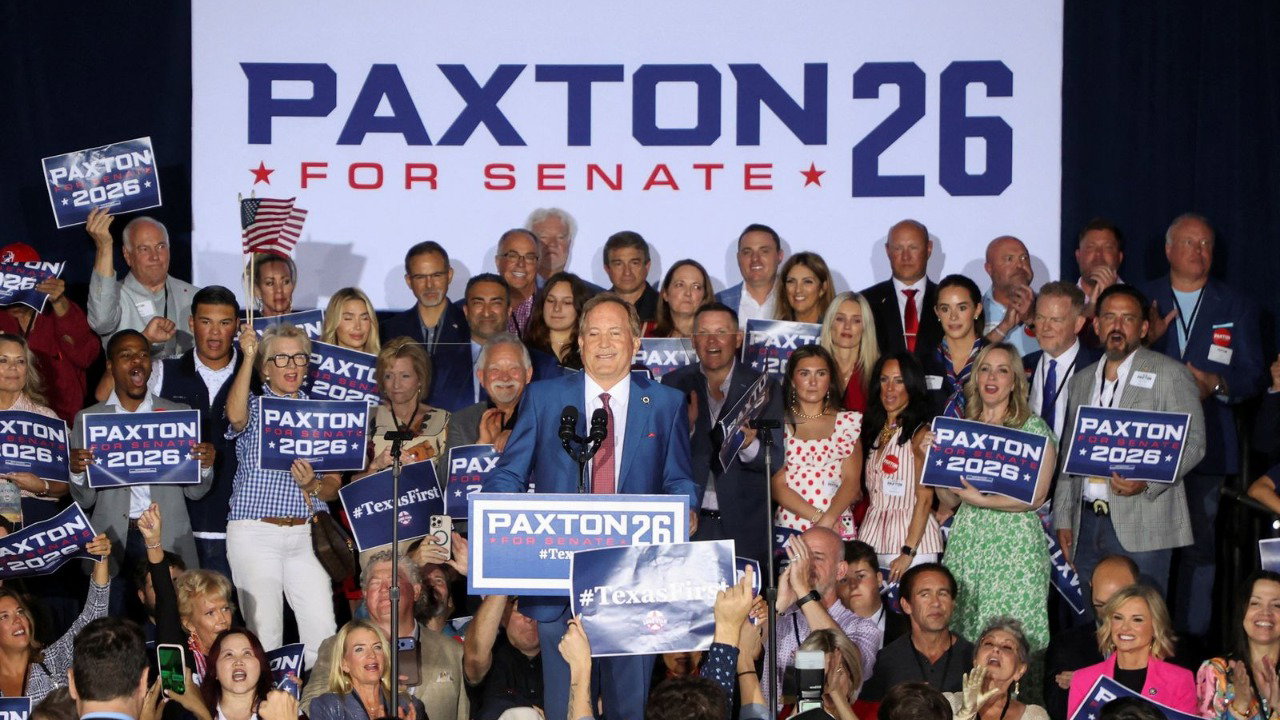
Yesterday in Texas, another incumbent was defeated by a Trump-backed challenger. But as I explore here, the case of Senator John Cornyn, beaten by state Attorney General Ken Paxton, is a bit different – and so is the lesson to be learned.
Unlike the defeats of Congressman Thomas Massie of Kentucky and Senator Bill Cassidy of Louisiana, two recent Trump targets, Cornyn hadn’t done anything notable to attract the president’s wrath. In fact, he had been assiduously courting Trump’s support - including introducing a bill two weeks ago to name a highway in Texas after the president.
In the end, it was all for nought.
Take note of the timing of Trump’s endorsement of Paxton, however. It didn’t come at the beginning of the race. In fact, after Cornyn eked out a narrow lead in the first round of balloting in March, it appeared Trump might back the incumbent senator. Instead, Trump tossed his support behind Paxton well after it appeared likely the attorney general would win.
The themes Paxton ran on should sound familiar. He said Cornyn was too old, too timid, too aligned with the political establishment and too out-of-touch with Texas conservatives. He rode the same kind of grassroots populist wave of discontent that has powered Trump for the past decade.
While Paxton’s victory might be characterised as another example of the strength of the president’s endorsement, its timing suggests Trump was following his base - which, at least in Texas, is still hungry for firebrand conservatives and wary of longtime Washington politicians.
The takeaway: Trump has been able to harness the forces of conservative populism, but Tuesday’s results show he cannot always control them. They could still be a power in Republican politics well after Trump has left the scene.
|