From Kelly—
If you walk into our store in the Mission District right now, you will find a display of What Are People For, a collection of some of Wendell Berry’s best writing on agriculture, food and the land. Running this shop in San Francisco, now the epicenter of the AI boom, has brought me back to Berry’s work. I cannot stop reading and thinking about these essays, written at the end of the 80s and into the early 90s, and still so fresh and important to consider today. In particular, his 1988 essay “The Work of Local Culture” is a chef’s kiss of a meditation for us all, and a reminder for me of what the heart of Bernal Cutlery is and always has been: the people, sense of place, relationships, and the work that people, tools, and machines can do together.
|
|
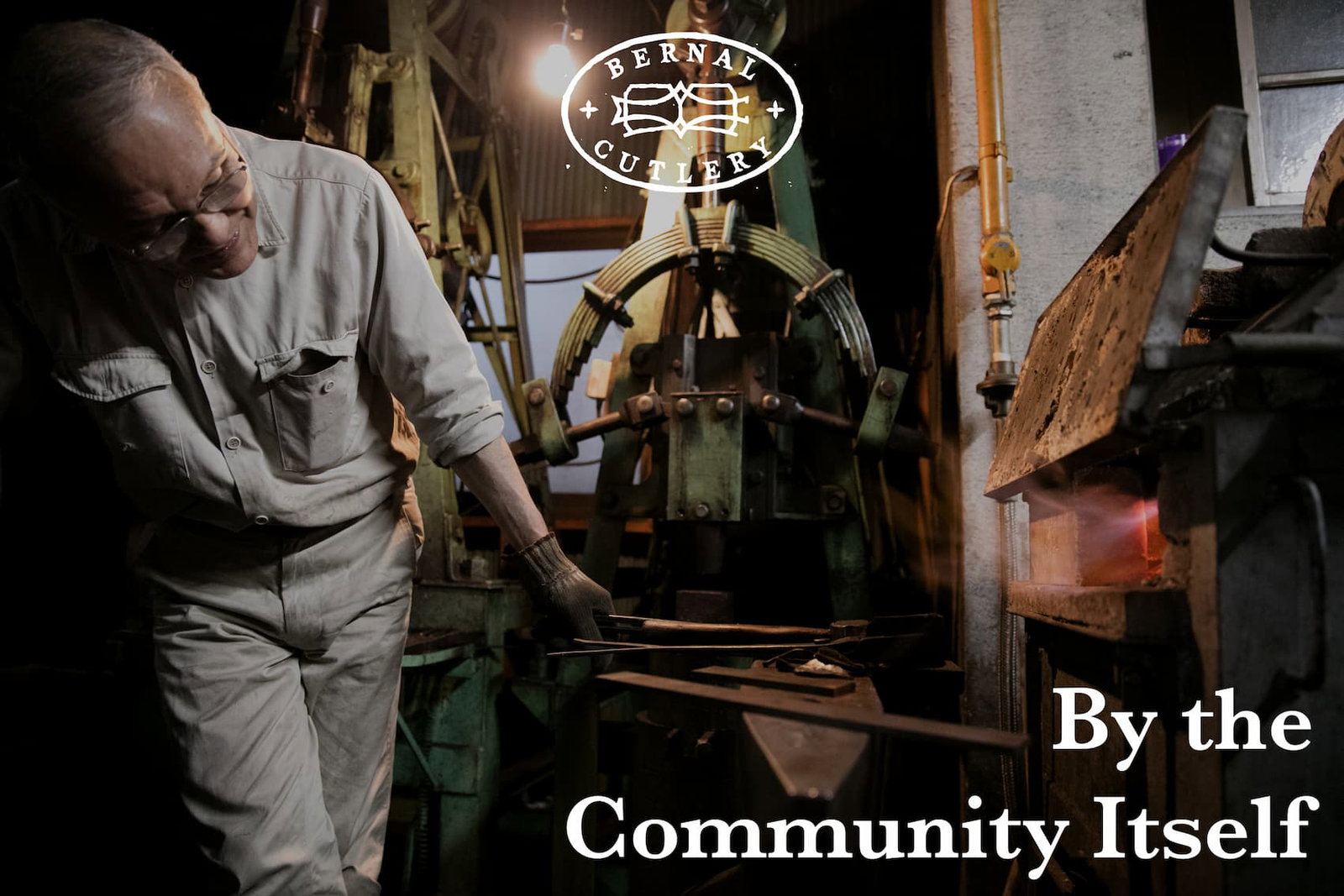
Berry’s essay closes with his hope for a revival of rural communities, “...but to be authentic, a true encouragement, and a true beginning, this would have to be a revival accomplished mainly by the community itself. It would have to be done, not from the outside, by the instruction of visiting experts, but from the inside of the ancient rule of neighborliness, by the love of precious things, and by the wish to be at home.” |
|
|
|
Since then, just like everyone, we’ve seen a major shift in the national landscape and rode the waves of all the challenges that have come with that as an importer and aspiring manufacturing space. As we move through summer and take stock of the many things that make Bernal Cutlery’s culture and community, we want to inspire you to think about the work of local culture and relationships and the value of handwork, human collaboration, and hospitality. |
|
|
|
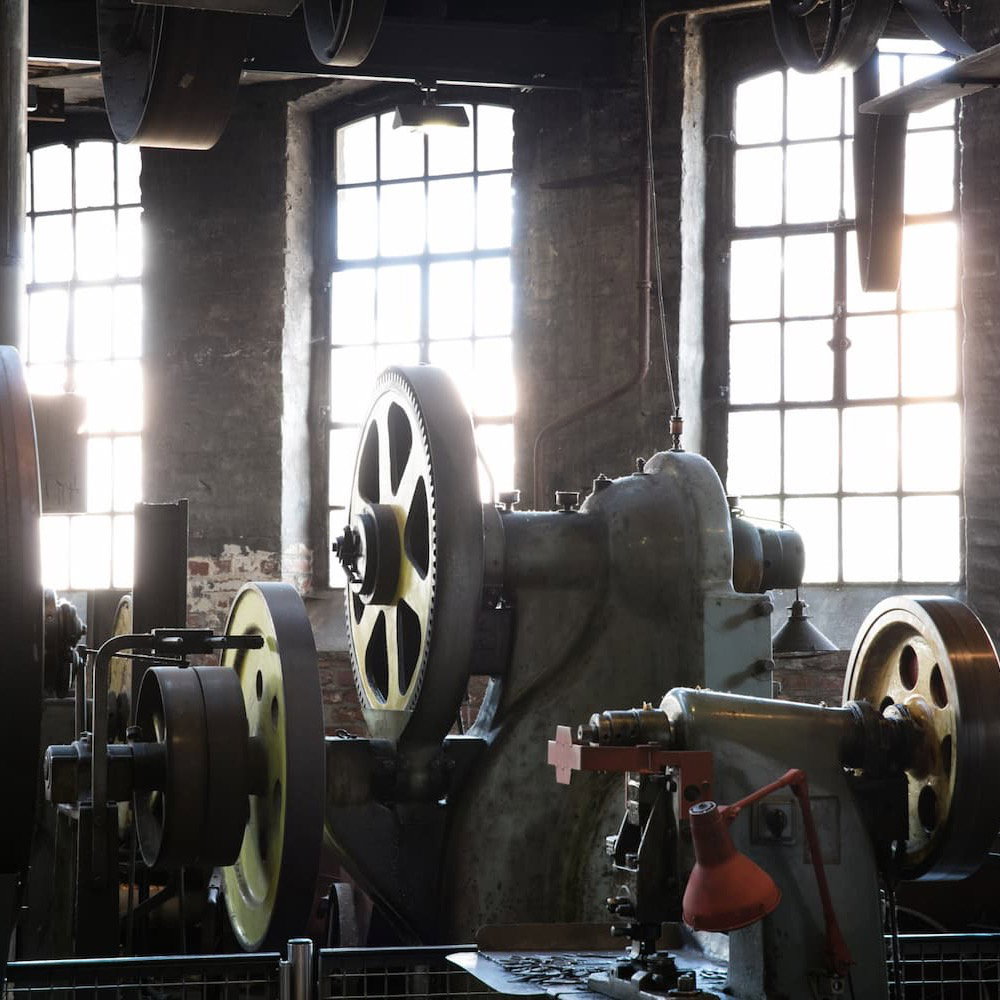
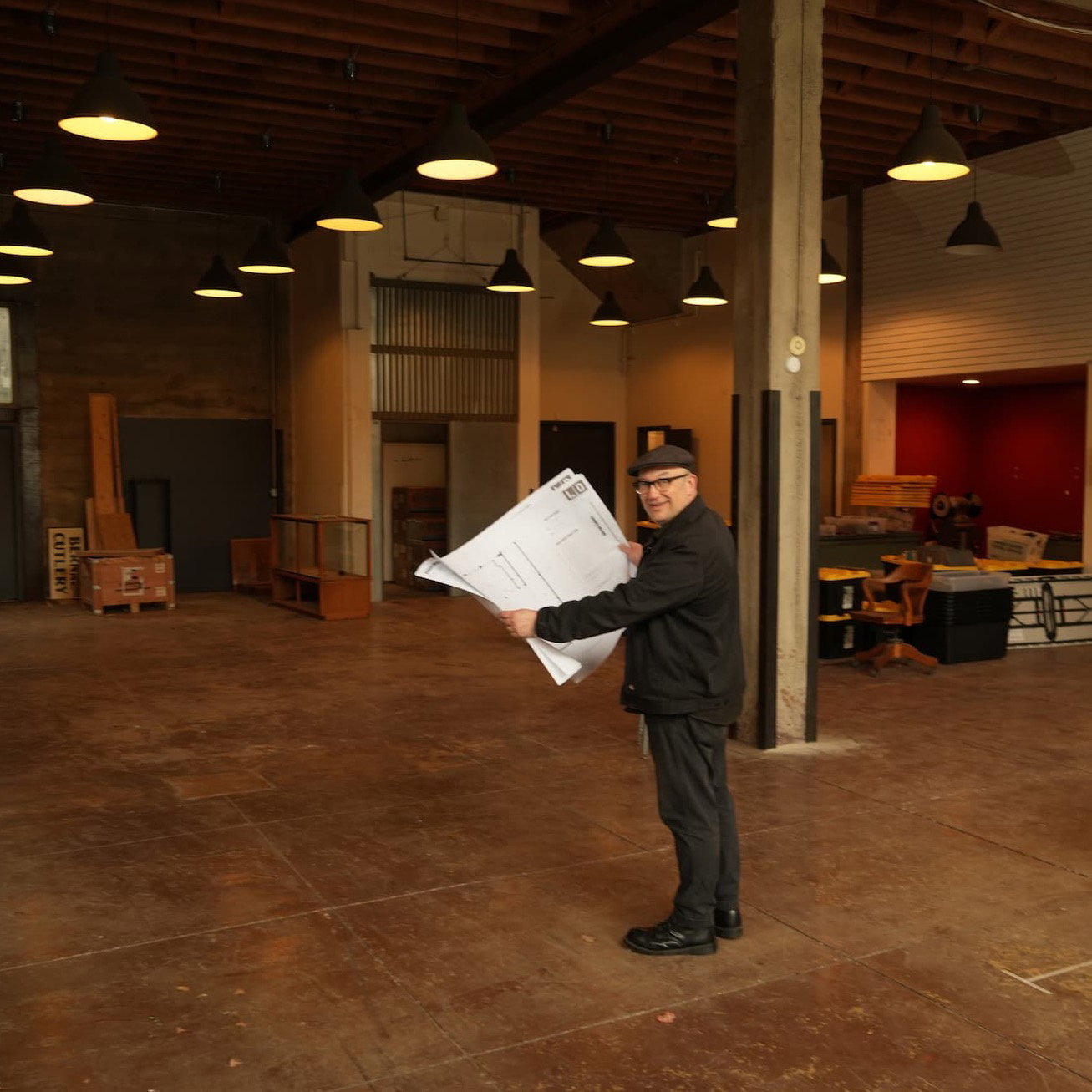
We have a strong belief in the power of communities to create, and the power of creating within the community. In late 2023, we began an ambitious project to build out a manufactory space just a few blocks away from our store in the Mission District of San Francisco. It means so much for us to make meaningful tools for living, and to employ craftspeople in the production of beautiful objects of utility, all right here in our own neighborhood.
|
|
|
|
Influences can come from anywhere, of course, and we are honored to learn and share in the traditions of local cultures from around the world.
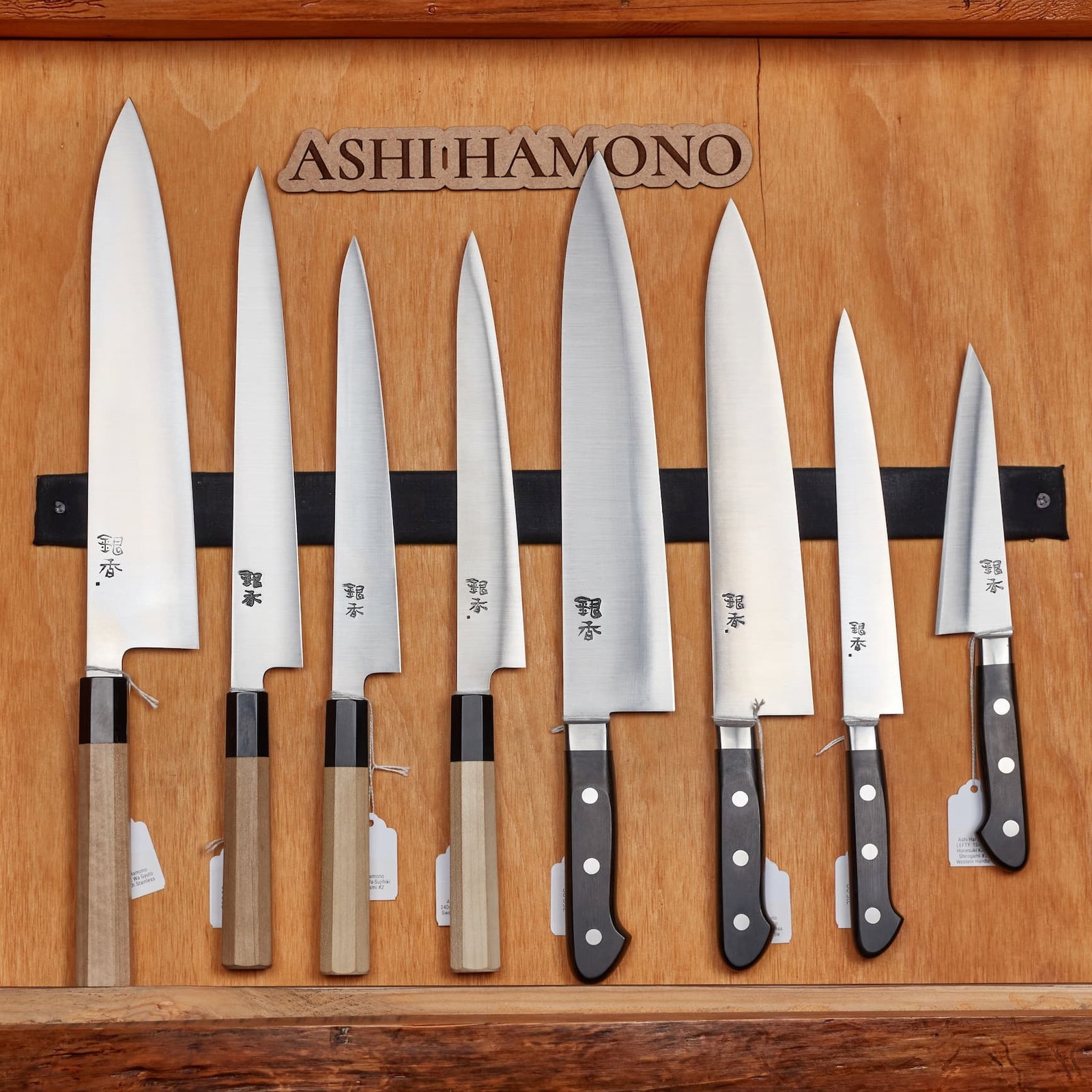
For us, the first Japanese maker that started a conversation through their work that really created a ripple effect in the Bay Area kitchen culture was Ashi Hamono. Years later, the inspiration from Ashi and his workshop has permeated our shop and still influences us in many ways.
|
|
|
|
—From Josh
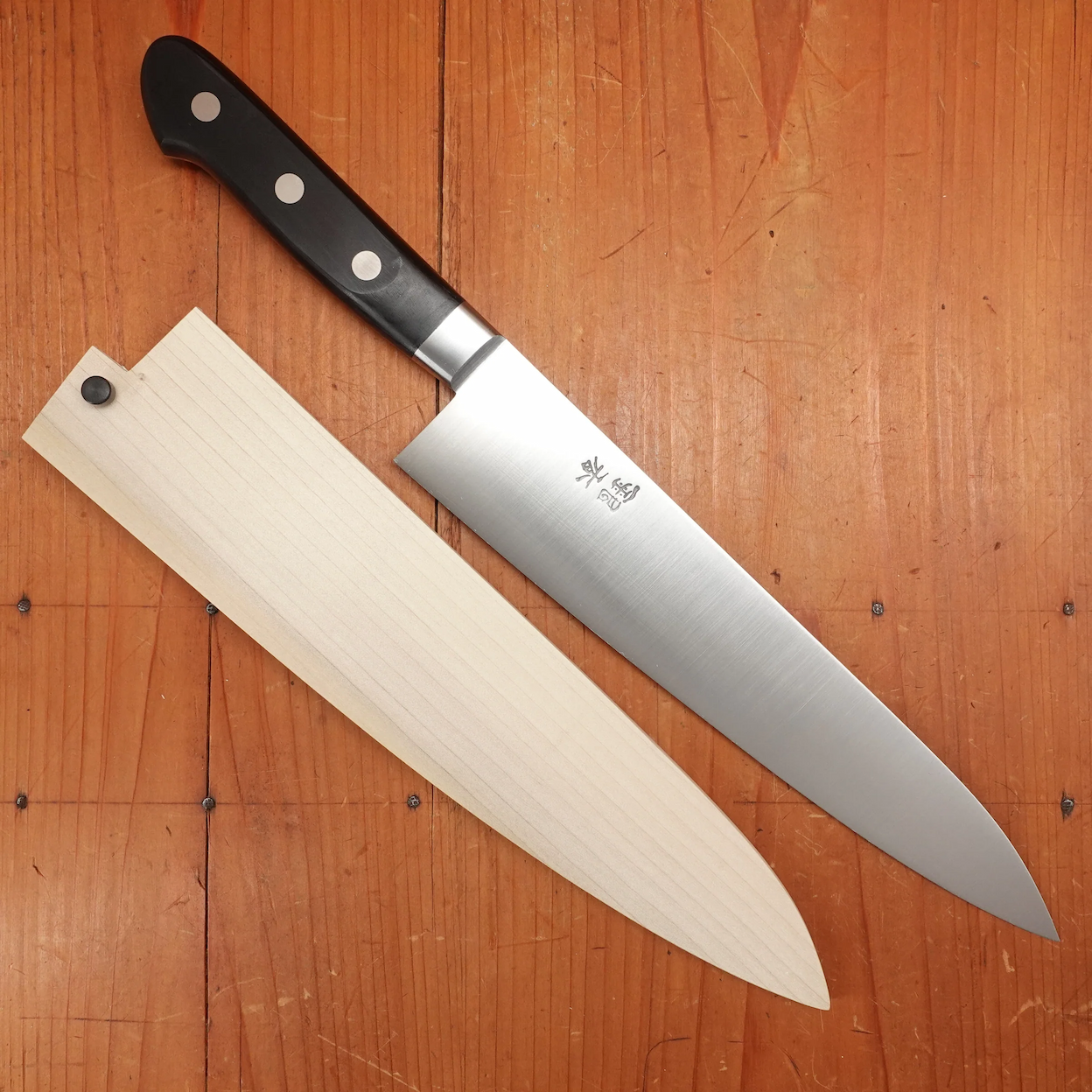
Ashi Hamono knives were among the first Japanese knives we imported directly back in 2011, when Bernal Cutlery operated out of a tiny corner of a shared small-business incubator space at 331 Cortland Ave in Bernal Heights. We initially got very small orders for the 90 sq ft shop, and it took years for the word to get out that these were indeed amazing knives.
At the time, cooks would mostly ask for well-known brands sold by a certain well-known New York knife shop. I got these knives in to sharpen regularly, and they were good, no doubt, but the Ashi knives were really something else. Some thought they were too light. Some just didn’t trust my word. Hey, salesmen with superlatives are everywhere. Nonetheless, Ashi’s reputation did take off here in the Bay Area, once enough cooks bought them and brought them into work. Once there, they got picked up by co-workers (hopefully only by invitation), and then it was on. Since those days, it has been harder for us to keep them in stock, and, unfortunately, a little harder for us to get in at all.
|
|
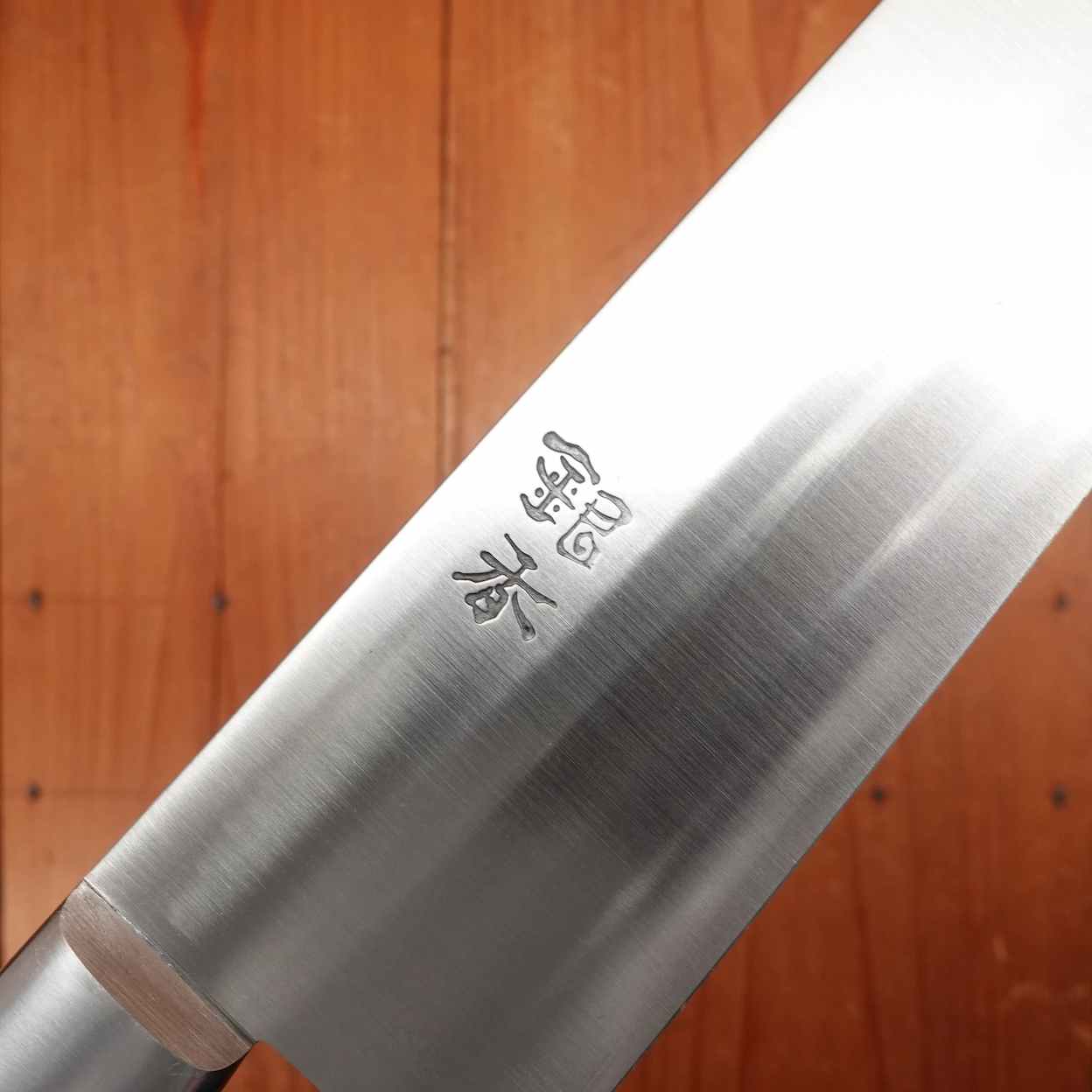
Hand-ground thin, and convex on the face, Ashi knives reminded me of the convex grind of some very lightly used fine vintage Western knives that I had come across, but cutting with an Ashi was a revelation; they just moved so effortlessly through food. This experience became my north star of what the Japanese refer to as kireaji, best translated as “cutting feel”. |
|
|
|
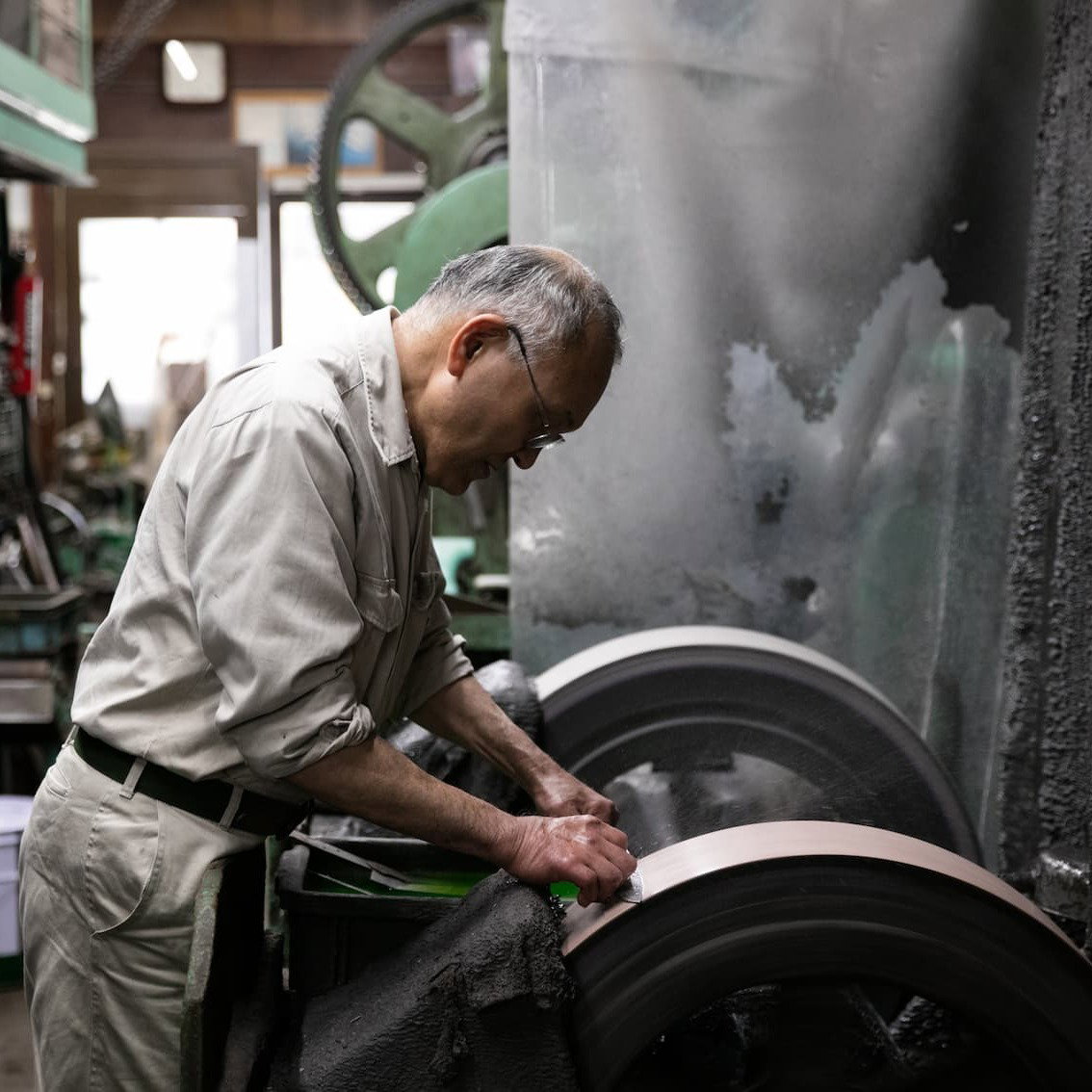
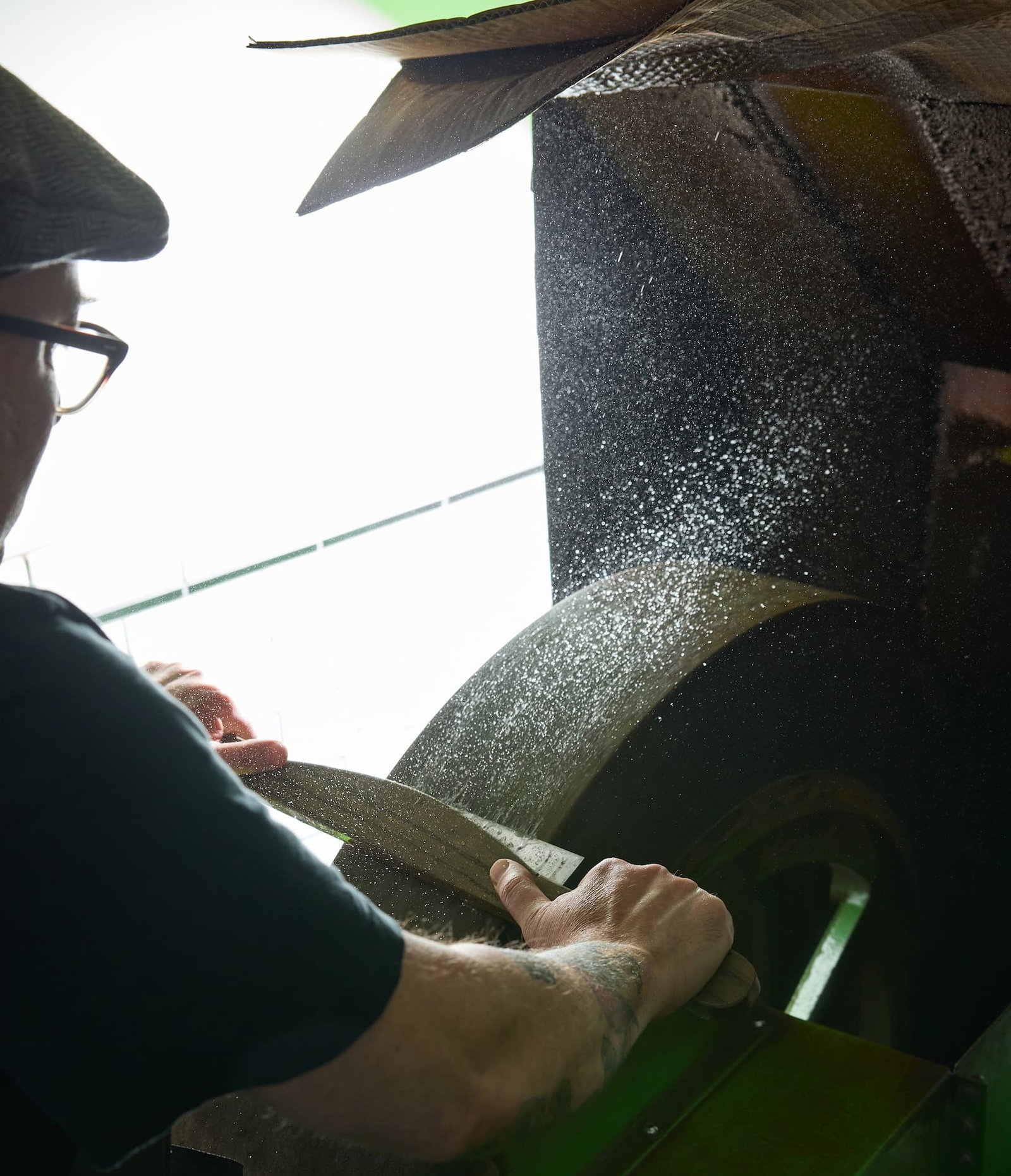
There is a lot that goes into what makes Ashi knives special—history, blade geometry, grinding on the water cooled kaiten (see photo here), to say the least. I have perhaps too much to say on that front here, so: much more on Ashi and how they influenced my own knife design in the blog linked below.
|
|
|
|
|
|
|