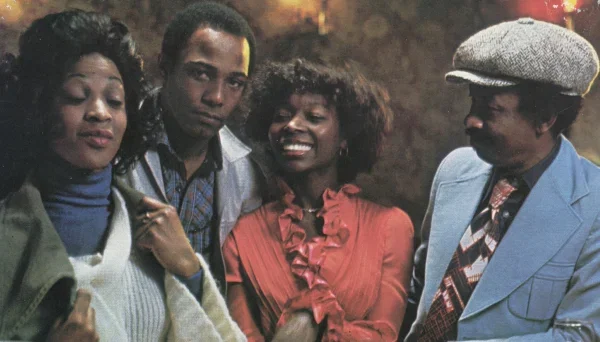
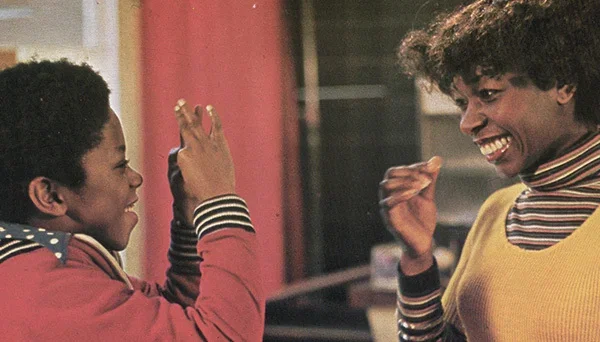
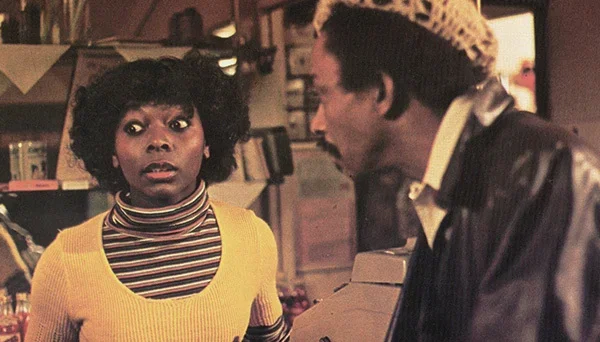
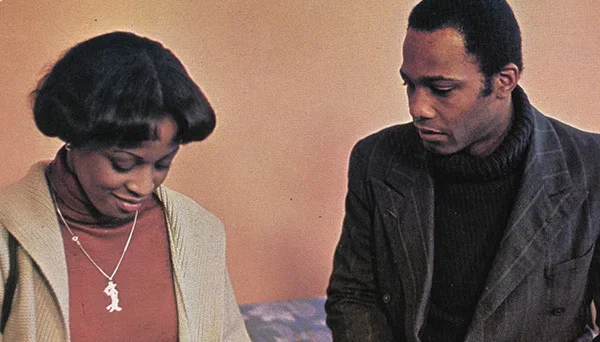
In Anthony Simmons' Palme d’Or nominated comic drama Ben, an innocent immigrant from a remote village in Guyana, arrives in Brixton and falls prey to an assortment of streetwise characters
͏ ͏ ͏ ͏ ͏ ͏ ͏ ͏ ͏ ͏ ͏ ͏ ͏ ͏ ͏ ͏ ͏ ͏ ͏ ͏ ͏ ͏ ͏ ͏ ͏ ͏ ͏ ͏ ͏ ͏ ͏ ͏ ͏ ͏ ͏ ͏ ͏ ͏ ͏ ͏ ͏ ͏ ͏ ͏ ͏ ͏ ͏ ͏ ͏ ͏ ͏ ͏ ͏ ͏ ͏ ͏ ͏ ͏ ͏ ͏ ͏ ͏ ͏ ͏ ͏ ͏ ͏ ͏ ͏ ͏ ͏ ͏ ͏ ͏ ͏ ͏ ͏ ͏ ͏ ͏ ͏ ͏ ͏ ͏ ͏ ͏ ͏ ͏ ͏ ͏ ͏ ͏ ͏ ͏ ͏ ͏ ͏ ͏ ͏ ͏
Produced shortly after Horace Ové’s landmark film Pressure, Black Joy is both a culture-clash comedy and an unflinching look at the social and financial issues facing black Britons. |
A West Indian immigrant arrives in Brixton, where his bright-eyed innocence and full wallet see him have to grow up, fast. |
|
|
It's a comedy of serious intent, featuring the knockout combination of Norman Beaton and Floella Benjamin. Ex-barrister Anthony Simmons directs with flair and an excellent soundtrack featuring Gladys Knight, The Real Thing and The Heptones. |
It was nominated for the Palme d’Or at Cannes in 1977. |
It lives up to the filmmaker's goal, which was to show 'the reality of life in an immigrant area, angry and frustrated like so many other parts of Britain – but full of hope and humour'. |
|
|
You have received this message because you signed up to BFI emails. You are subscribed as -.
If you have a BFI Player account you can update your details here.
Unsubscribe immediately from all future BFI marketing emails.
Sent by BFI, 21 Stephen Street, London W1T 1LN
|
|
|
|
|