The final whistle of the 2026 FIFA World Cup will blow on July 19. Will the championship match live up to these unforgettable finals in the competition’s history?
1930: Uruguay 4–2 Argentina
On July 30, 1930, the reigning Olympic football champion Uruguay became the first men’s World Cup winner. The inaugural edition’s final was a low-profile and messy affair compared with the modern version, as both finalists preferred using their own ball and the organizers compromised on swapping at halftime. The atmosphere was tense: A moat surrounded the pitch to deter invasions, and Argentine captain and star midfielder, Luis Monti, received death threats before and during the match.
After Uruguay’s victory, the government declared a national holiday and gifted each of its winning players a house. In contrast, an angry mob of Argentines stoned the Uruguayan embassy in Buenos Aires, prompting the two countries’ football associations to sever relations for a time.
1954: West Germany 3–2 Hungary
The “Magical Magyars” of Hungary were considered the best team in world football at the time, with talismanic players such as Ferenc Puskás, Sándor Kocsis, and Nándor Hidegkuti. The team was the runaway favorite to win the 1954 World Cup and scored a tournament-record 27 goals, including an 8–3 group-stage victory over eventual finalist West Germany.
During the final, which was played in pouring rain, Hungary took a 2–0 lead within the first 10 minutes, but West Germany recovered and soon equalized with goals from Max Morlock and Helmut Rahn before the 20-minute mark. Rahn scored his second goal in a shocking German counterattack with only six minutes left on the clock.
1974: West Germany 2–1 Netherlands
The Netherlands was the team to beat at the 1974 World Cup thanks to its adoption of total football, a fluid style of play in which team members constantly switched positions and roles. Led by the phenomenal Johan Cruyff, who was awarded the Golden Ball for the tournament’s best player, the Dutch team was heavily expected to win its first World Cup. On the other hand, West Germany had scraped through to the final with some unconvincing performances, including a loss to East Germany earlier in the competition.
The final was memorable for many reasons, including referee Jack Taylor’s decision to award the first two penalty kicks ever given in a World Cup final, one to each team. Dutch player Johan Neeskens and West Germany’s Paul Breitner converted from the spot to leave the scores level before forward Gerd Müller, nicknamed “Der Bomber,” pounced on a rare attacking chance to score a clinical match winner and break Dutch hearts.
2006: Italy 1–1 France (Italy won 5–3 on penalties)
Legendary French player Zinedine Zidane scored an early penalty, and Marco Materazzi equalized for Italy 12 minutes later. In a shocking end to his legendary career, Zidane received a red card in the 110th minute for headbutting Materazzi in the chest. The match remained tied after extra time, and Italy won the ensuing penalty shoot-out 5–3. Despite his dismissal and France’s loss, Zidane was still awarded the Golden Ball as the tournament’s best player.
2022: Argentina 3–3 France (Argentina won 4–2 on penalties)
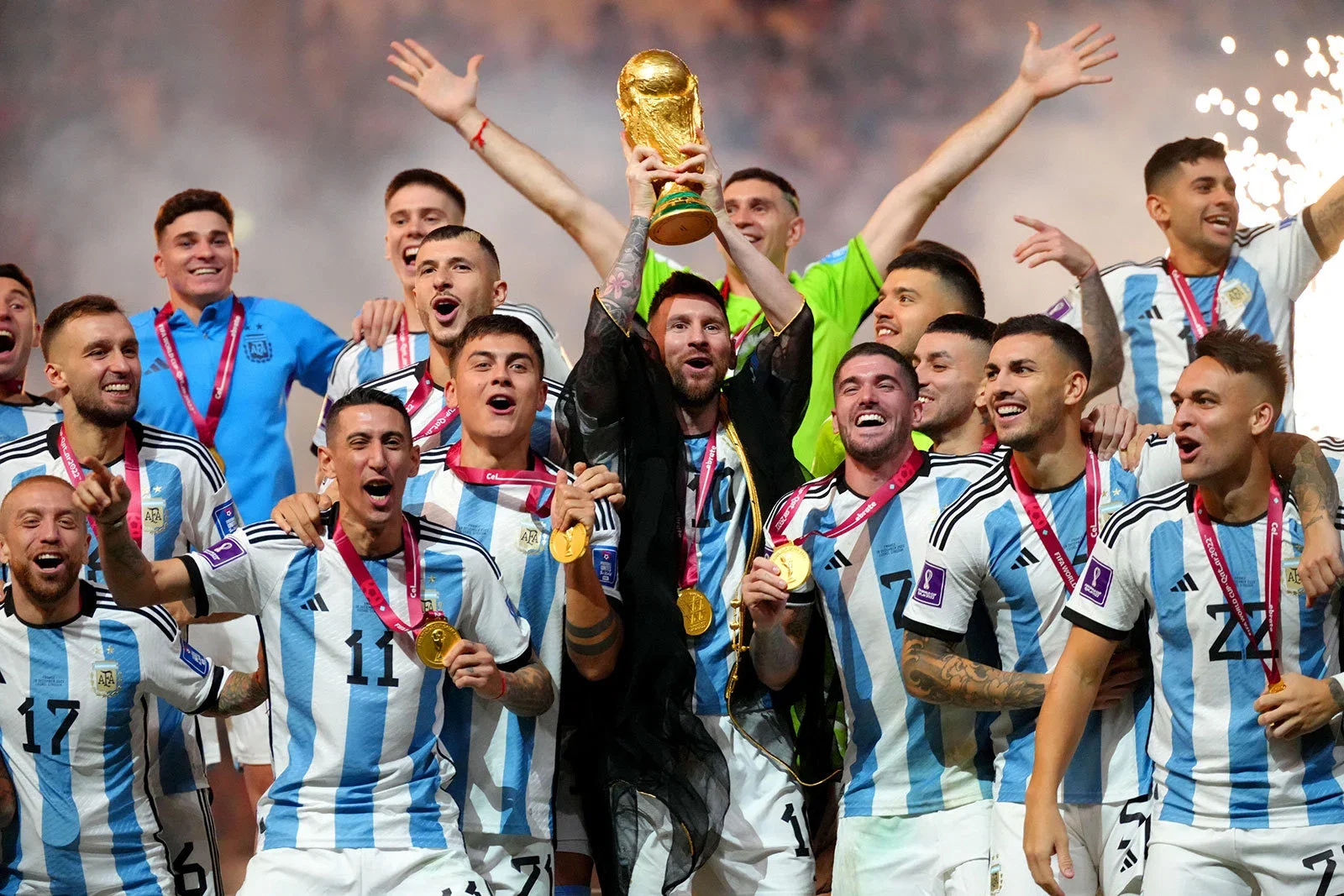
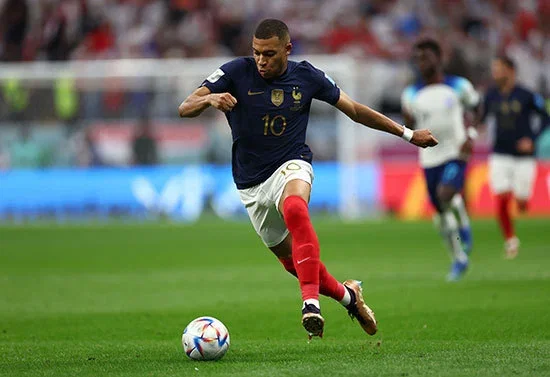
Argentina took a commanding lead, but France’s Kylian Mbappé led France’s comeback with a spectacular hat trick to force the match to penalties, only the third shoot-out in a men’s World Cup final. Argentina triumphed, and the team’s superstar Lionel Messi finally lifted his first World Cup trophy in his fifth tournament appearance. Mbappé scored the second hat trick ever recorded in a men’s World Cup final, emulating Geoff Hurst’s historic 1966 feat. He also became the top-scorer in men’s World Cup final fixtures.