US · britishmuseumshoponline.org

🏛️Young Friends | Explore Romans at the Museum 🏺


This email was sent

Is this your brand on Milled? Claim it.

Mighty Emperors, scary soldiers and great gods
View this email online

Discover the world of the Romans! 

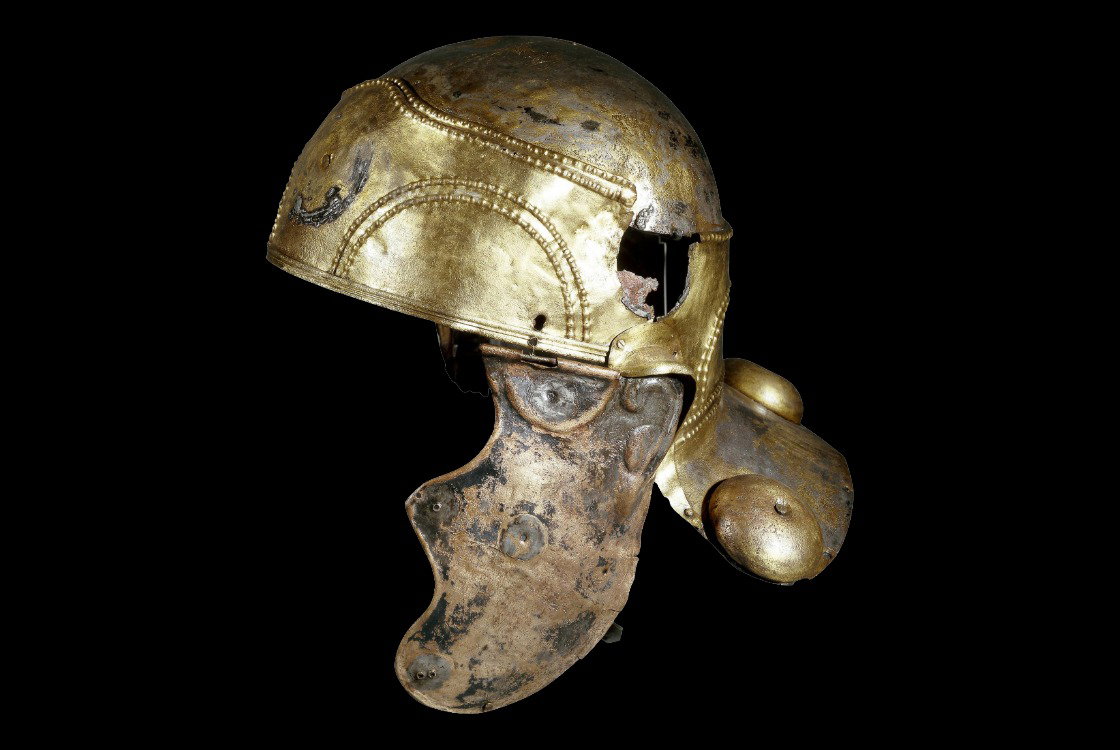
A bronze Roman cavalry helmet, tinned.

Dear -,

Join us this week as we step back in time to explore the world of the Romans. Once a small city, Rome grew into a vast empire that shaped how people lived, travelled and fought, leaving a legacy that can still be seen in Britain today.

Read on to… 
🥖Learn how to make Roman bread
🪙Create your own Roman coin
🔱Discover what life was really like in the Roman army
🏛️Get to know the Roman Empire

For our older Young Friends, go behind the scenes with our curators to explore how 'Roman' Britain really was under Roman rule. You will also uncover how Roman soldiers felt about being stationed far from home, through remarkable writing tablets from Vindolanda dating to around AD 100.

If you are planning a visit to the Museum soon, don’t miss our three-day spring family festival, packed with hands-on activities.

Grab your helmets and shields, let’s explore the Romans!

The Young Friends and Schools and Family Programmes Teams

Explore more at home 

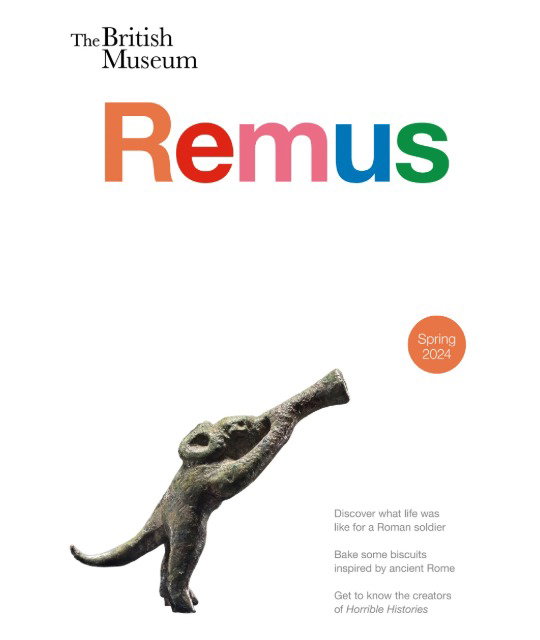
Front cover of Remus issue Spring 2024.

Remus magazine

Life in the Roman army

Dive into this issue of Remus and explore the Roman army, discover Roman history, bake a soldier’s snack, and learn the myth of Romulus and Remus.

Read now
white_arrow
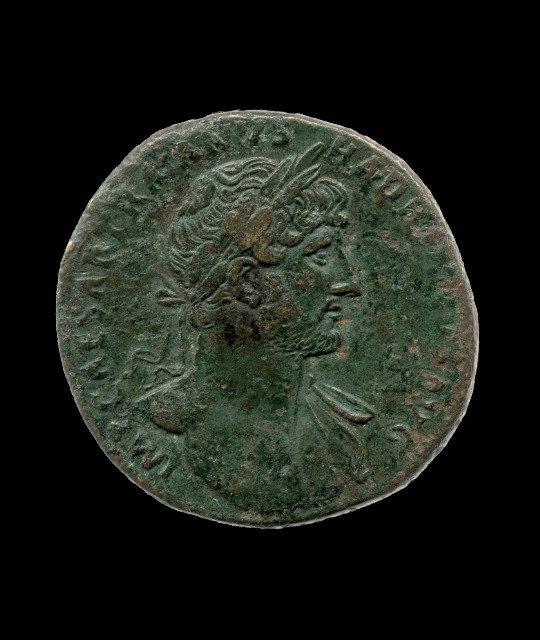
Roman coin showing bust of Emperor Hadrian.

Create a coin

Most people never met the emperor, so his face appeared on coins instead. Design and make your own Roman denarius and show who’s in charge!

Get crafting
white_arrow
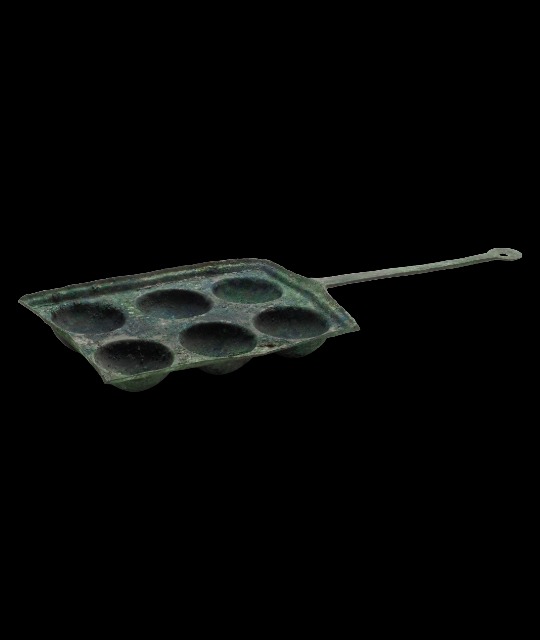
Bronze Roman baking-pan for cakes and bread-rolls.

Make your own Roman bread

In AD 79, a Roman baker left a loaf in the oven. Nearly 2,000 years later, the loaf was found inside. Try baking your own bread using a real Roman recipe.

Get cooking
white_arrow
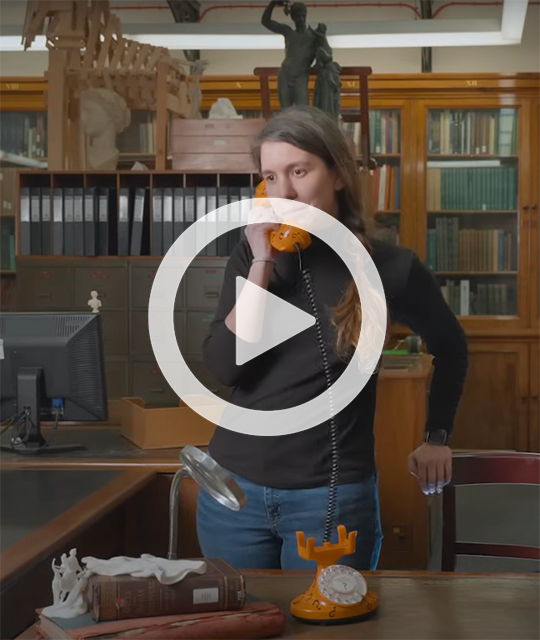
Curator holding standing holding telephone to ear.

History hotline

The Roman Empire

Listen to curator Carolina Rangel de Lima answering curious young visitors' questions about the Romans and the Roman empire.

Watch now
white_arrow

Older Young Friends

Ages 14+

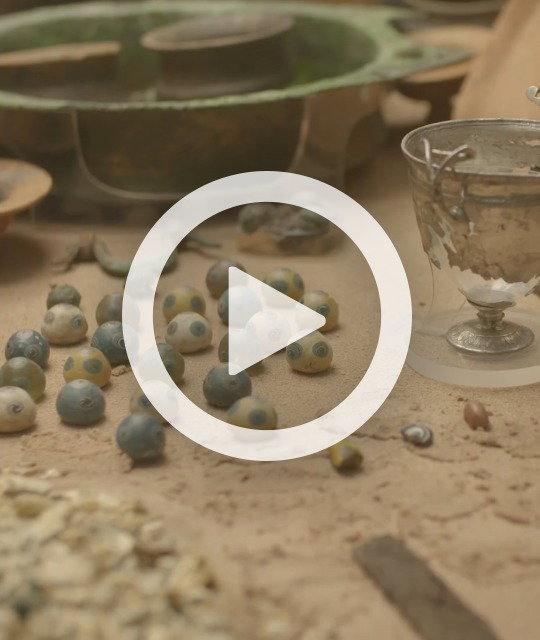
A collection of items from the Roman collection at the Museum.

How 'Roman' was Roman-Britain? 

You may have learned that the Romans conquered Britain in AD 43 but history isn’t that simple. Join curators as they explore Roman Britain from 55 BC to AD 69 through objects and stories.

Watch now
white_arrow
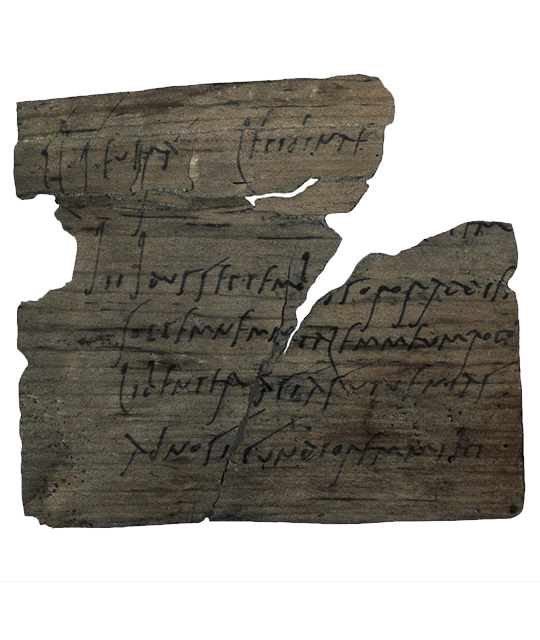
Wooden tablet with writing in black ink

The Vindolanda tablets

The Vindolanda tablets are a set of wooden writing tablets from the Roman fort of Vindolanda in present-day Northumberland. Discover what they tell us about life in a Roman fort.

Read more
white_arrow
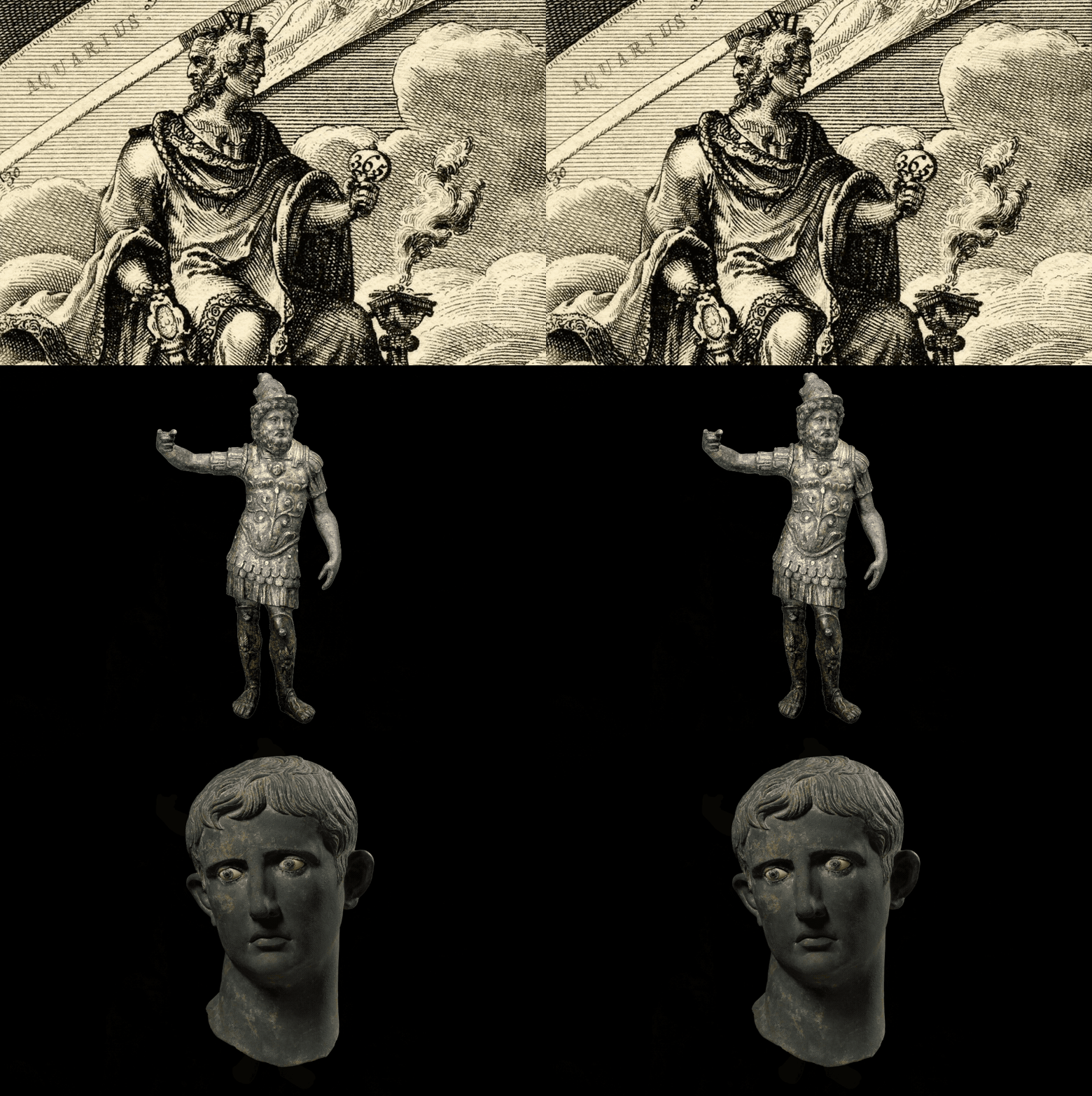
A drawing of the Roman god Janus, a copper-alloy figure of Mars the Roman god of war, Bronze head of the Roman emperor Augustus.

Connection in the collection

Can you spot the connection between the names of these three figures? This is a tricky one, so here is a hint–have a think about how we write the date. 

What's on at the Museum? 

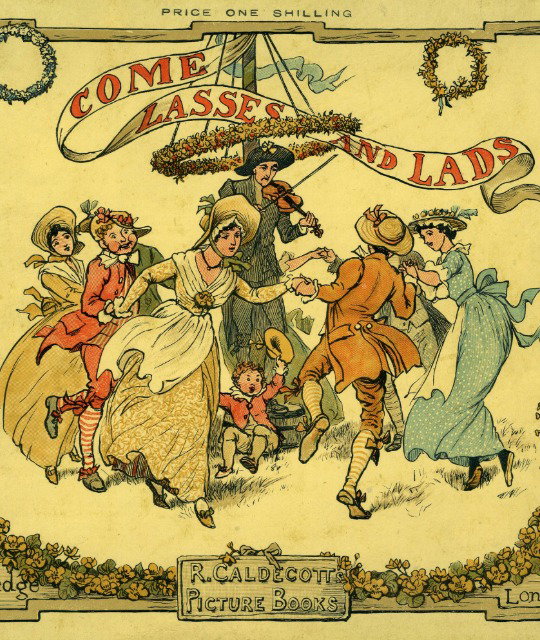
Children's book with wood engravings of boys and girls dancing around a May Day poll.

May Day mini-makers

5 and under

Step into spring and the month of May in this creative play session. Together we'll explore textures, colours and scents through a range of materials, making crowns and masks.

Free, advance booking required. 

Wednesday 20 May
10.30–11.15
11.45–12.30
13.30–14.15

Book now
white_arrow
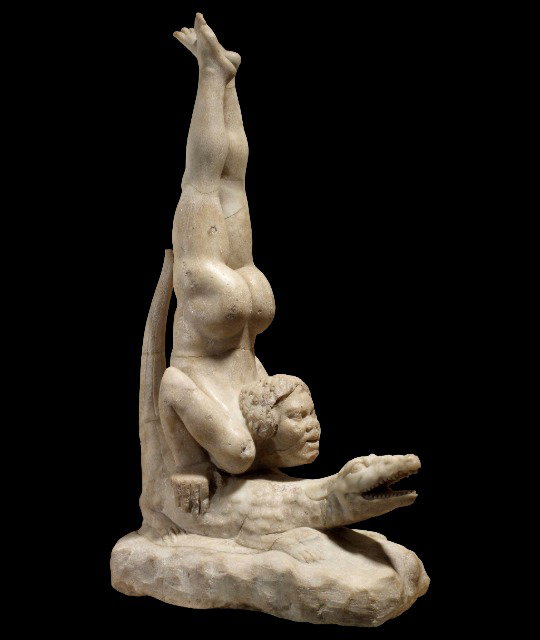
Marble statue of an acrobat on a crocodile.

Museum Missions

Roman Empire

Discover the Roman Empire through objects ranging from everyday items to sparkling jewellery, all on display in Room 70. Explore them using these fun family missions!

Explore more
white_arrow
A cartoon of a group people dancing around a May pole.

Spring myths and merriment

Visit the British Museum this half-term to celebrate spring and the marvellous month of May with our free, three-day family festival.

Tuesday 26 – Friday 29 May

Learn more
white_arrow
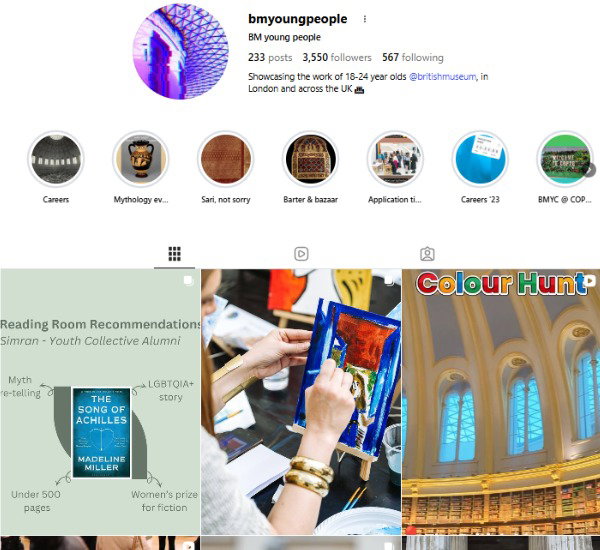
A screenshot of the @bmyoungpeople instagram page.

BM young people

Instagram

For our older Young Friends, check out the @bmyoungpeople Instagram page for insights on all things careers, events and the Museum.

Follow now
white_arrow

Connection in the collection answers 

All three figures have months of the year named after them!

The first print shows the Roman god Janus, after which the month of January is named. As you can see, he has two faces, allowing him to look both to the past and to the future.

The statue depicts Mars, the Roman god of war, whose name gives us March. In fact, the Roman calendar originally began in March, with January and February only added later.

The final bronze head shows Rome’s first emperor, Augustus, who gave his name to the month of August.

Learn more
white_arrow

Connect with us

Connect with us on Facebook. Connect with us on X. Connect with us on Instagram. Connect with us on YouTube.

Images:

Bronze helmet, Germany, 10 BC–AD 30. 

Front cover of Remus, issue 77.

Coin showing bust of Emperor Hadrian, Italy, 117 AD.

Dr Carolina Rangel de Lima standing in study room.

Bronze baking-pan for cakes and bread-rolls, Italy, around AD 100. 


YouTube video on Roman-Britain. 

Wooden writing tablet from Vindolanda, England, around AD 100.


Jacobus Harrewyn (1660/1–1732/40), January from the print series The Months. Engraving, 1698.

Copper-alloy figure of Mars, the Roman god of war, England, 1000.

Bronze head of the Roman emperor Augustus, Sudan, 27–25 BC.

Edmund Evans (1826–1905), Come Lasses and Lads. Children's book with wood engravings, 1883–84.

Statue, Italy, 100 BC–AD 100.


Contact us
[email protected]

Office opening hours
Monday–Friday: 10.00–16.00
Closed: weekends and bank holidays

The British Museum Friends is a registered charity and company limited by guarantee which exists to support the British Museum.

Registered charity number 1086080
Company registration number 04133346


Unsubscribe from Young Friends emails  |  Privacy policy

© 2026 The Trustees of the British Museum
Are you sure?

Lists help you organize the brands that you care about. Your lists are private to you.