US ¡ britishmuseumshoponline.org

🧮 Young Friends | Learning throughout history ✍️


This email was sent

Is this your brand on Milled? Claim it.

Historical science, storytelling and mathematics 
View this email online

Educate yourself on education!

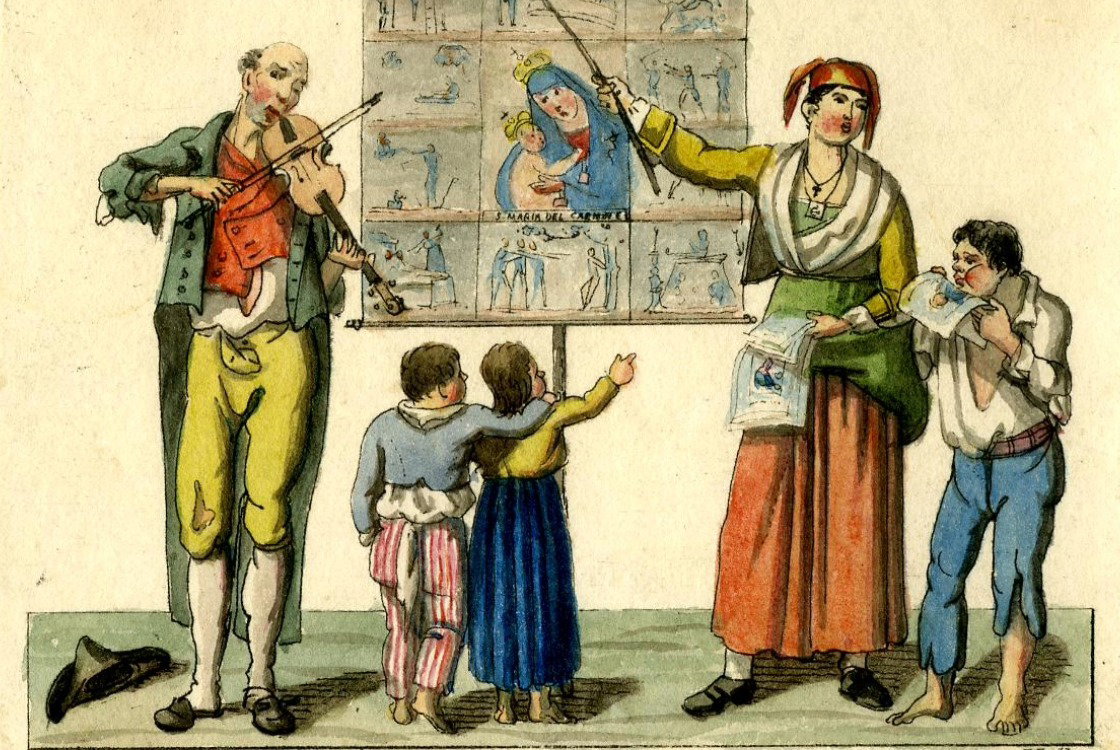
A woman teaching three children and a man playing the violin to left.

Dear -,

As the school year comes to an end, it’s time for a journey back in time! In this issue, we are exploring how children learned long ago, from ancient Egypt to early science, art and storytelling. Get ready to discover how people learned before classrooms looked like they do today.

In this issue, you can…
🧪 Discover the history of science, writing and art
📜 Create your own Bengali storytelling scroll
🧩 Solve hieroglyph puzzles

For older Young Friends (ages 14+), learn about the 3,500-year-old Rhind Mathematical Papyrus and discover how ancient maths helped people in everyday life, from making sure there was enough food to feed communities to designing the perfect pyramid. You can also explore how different units of measurement were created and where their names come from.

If you're interested in a future career in the arts, don’t forget to check out our @bmyoungpeople Instagram for creative inspiration, career insights and events!

The Young Friends and Schools and Family Programmes Teams

Learn more at home

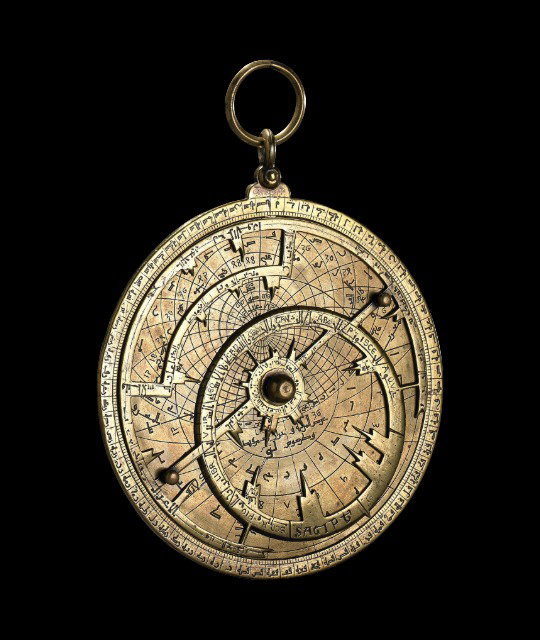
A silver astrolabe.

A little history of science

People have been figuring out how the world works for thousands of years using scientific instruments. If you want to impress your science teachers, read on!

Learn more
white_arrow
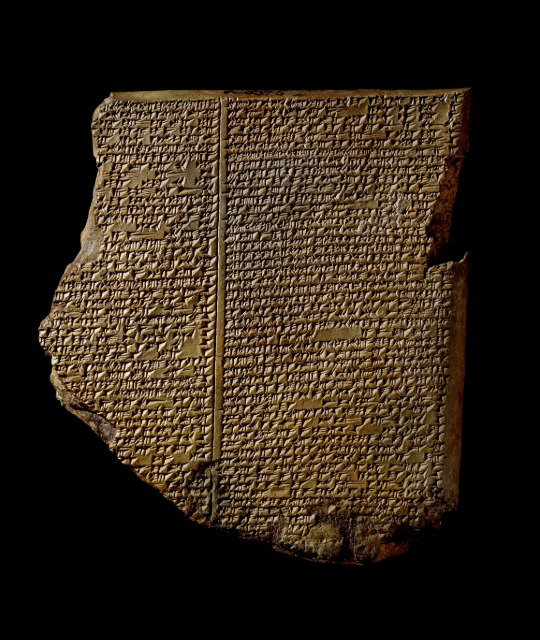
Cuneiform tablets outlining the epic of Gilgamesh.

Writing through history

For thousands of years, people have used writing to share information, from secret messages to stories and myths. Read on to find out about five ancient writing systems from around the world.

Explore now
white_arrow
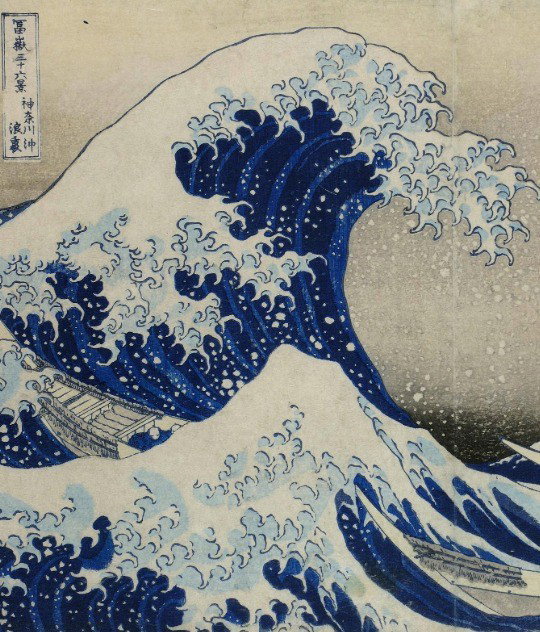
Colour woodblock oban print of The Great Wave.

History of art: what happened and when?

Humans first worked out how to use tools about two million years ago and then created art about 45,000 years ago. Explore this timeline to learn more about some of art history’s major milestones.

Start reading
white_arrow
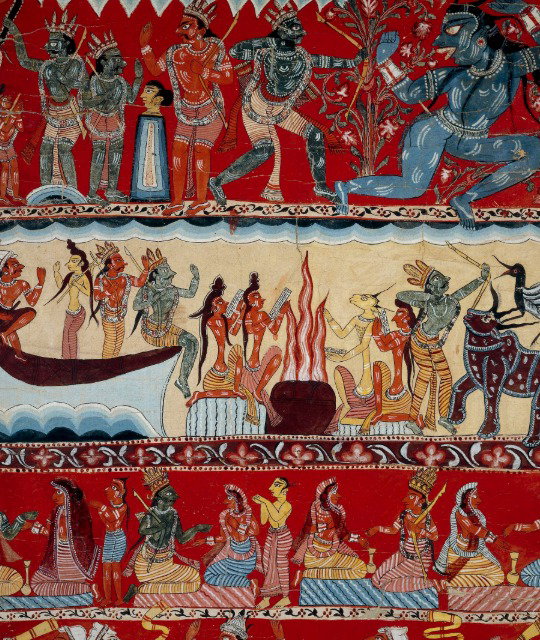
A red Benglai storytelling scroll depicting scenes from the Ramayana.

Make a Bengali storytelling scroll!

Scroll paintings date back to the 13th century. Religious teachers travelled from village to village educating and entertaining people using scrolls. The tradition continues to this day, learn how to make your own! 

Get crafting
white_arrow
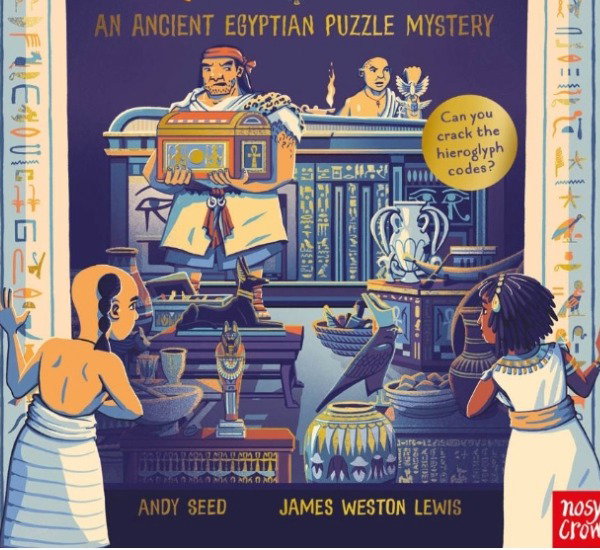
The Curse of the Tomb Robbers cover.

Can you crack the code?

Put your learnings to the test with a quest to unlock ancient Egypt by solving hieroglyph puzzles. 

Solve now
white_arrow

For older Young Friends 

Ages 14+ 

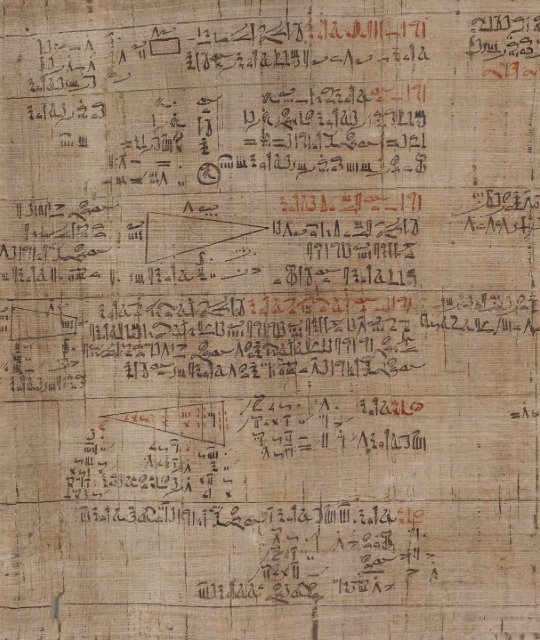
Section of the Rhind Mathematical Papyrus showing calculations involving pyramid-shaped structures.

Learn maths like an Egyptian 

Did you know that ancient Egyptians were number wizards? Maths wasn't just something they scribbled on papyrus – it kept their whole society running. 

Learn more
white_arrow
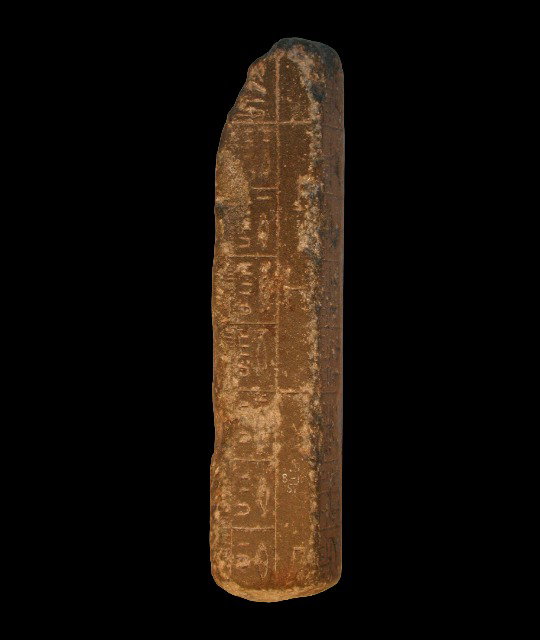
Fragment of schist cubit-rod.

Units of length 

You’ve probably heard of a centimetre, and possibly an inch. But what about a cubit? These are all units we have used throughout history to measure length but where and when did they come from?

Discover now
white_arrow
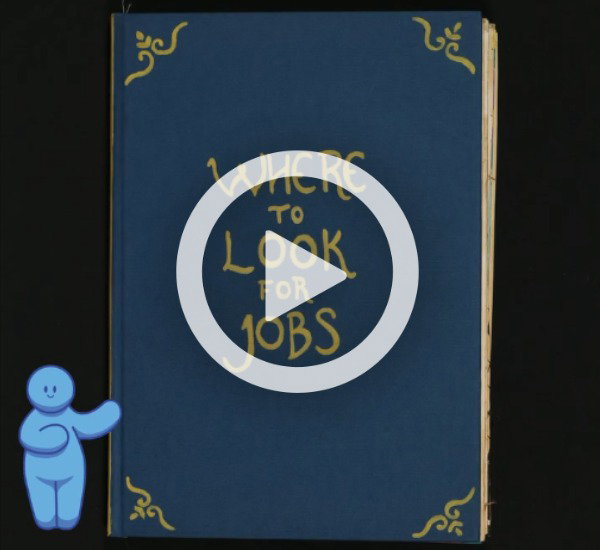
Screenshot from the 'Where to look for jobs' reel.

Museum careers unlocked

We know looking for jobs in museums can feel daunting, and it can be hard to know where to start. Check out this reel and the @bmyoungpeople account to learn more.

Watch now
white_arrow

Connect with us

Connect with us on Facebook. Connect with us on X. Connect with us on Instagram. Connect with us on YouTube.

Images:

Carl Müller (1862–1938), Donna che canta i Miracoli della Madonna. Watercolour over etching, around 1800. 

Astrolabe, Spain, around 1200–1300. 

The Gilgamesh Tablet, Iraq, 7th century BC.


Katsushika Hokusai (1760–1849), Under the wave off Kanagawa (The Great Wave) (Thirty-six views of Mt Fuji ) (detail). Colour woodblock print on paper, 1831. Acquired with the assistance of Art Fund. 

Scroll-painting depicting scenes from the Ramayana, India, early 1800s. 

The Curse of the Tomb Robbers. Photo Š Nosy Crow. 

Section of the Rhind Mathematical Papyrus showing calculations involving pyramid-shaped structures, Egypt, 1550 BC.

Cubit measuring rod, Egypt, 1070–664 BC. 


Contact us:
[email protected]

Office opening hours
Monday–Friday: 10.00–16.00
Closed: weekends and bank holidays

The British Museum Friends is a registered charity and company limited by guarantee which exists to support the British Museum.

Registered charity number 1086080
Company registration number 04133346


Unsubscribe from Young Friends emails  |  Privacy policy

Š 2026 The Trustees of the British Museum
Are you sure?

Lists help you organize the brands that you care about. Your lists are private to you.