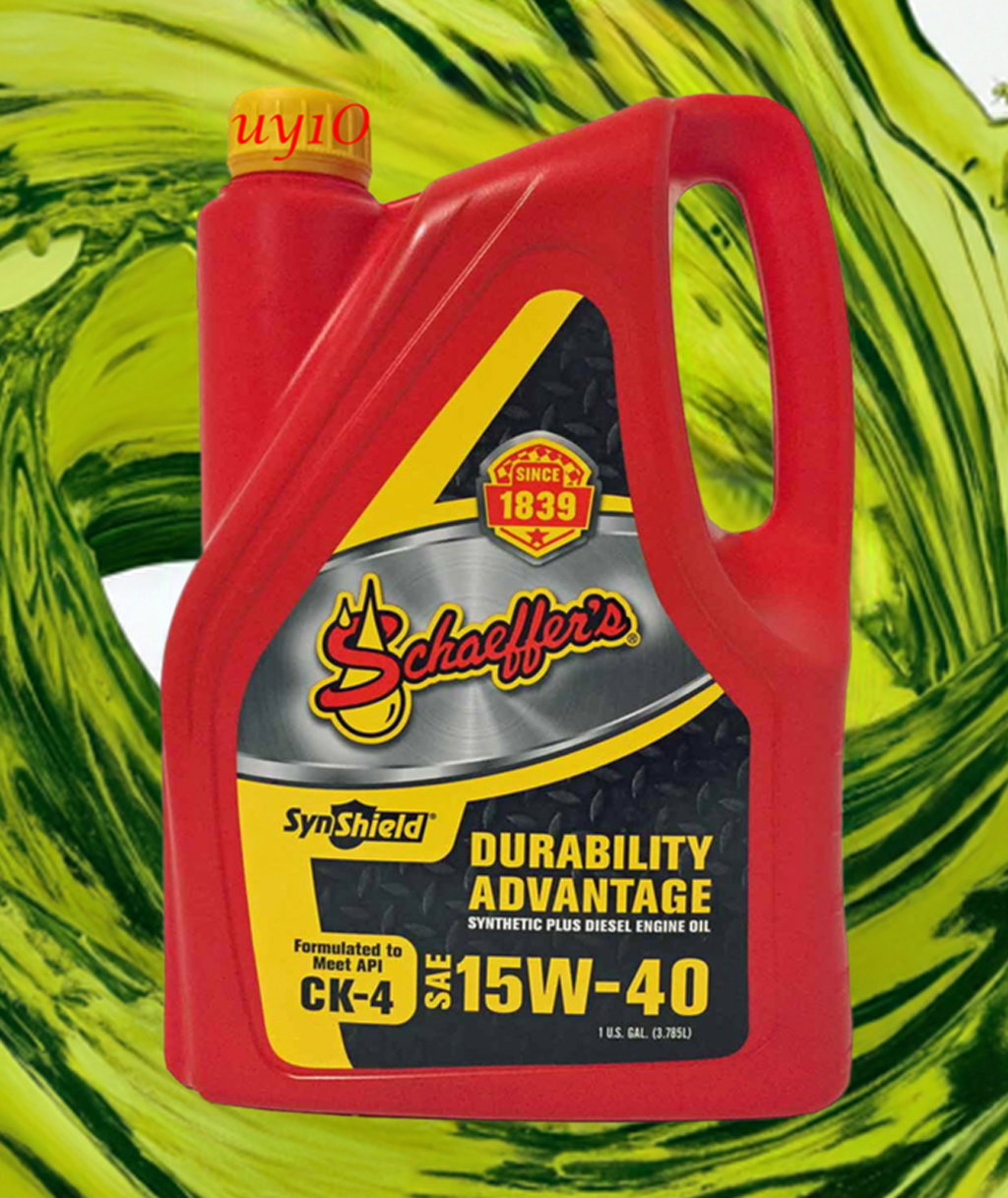
If you've ever picked up a jug of hydraulic fluid and seen "ISO 46" on the label, then grabbed a bottle of gear oil marked "SAE 90," you might assume they're measuring the same thing in different languages. They're not — and mixing them up can lead to using the wrong oil in the wrong equipment. Understanding the difference between ISO and SAE viscosity grades is one of the simplest ways to make sure you're protecting your equipment instead of guessing.
Two Systems, One Goal: Measuring Viscosity
Both ISO and SAE grading systems exist to answer the same basic question: how thick is this oil, and how does it flow? Viscosity is the single most important property of a lubricant — too thin, and it can't maintain a protective film between moving parts; too thick, and it won't circulate properly or flow at start-up temperatures. Where the two systems differ is in how they express that thickness, and what kind of equipment they were built for.
Continue reading...