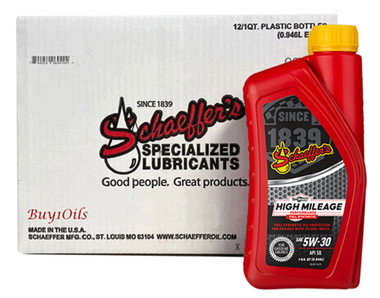
Every lubricant — whether it's the motor oil in your car, the grease packed into a wheel bearing, or the hydraulic fluid powering heavy machinery — has one relentless adversary: heat. Understanding why temperature is so destructive to lubrication is key to preventing premature equipment failure, reducing maintenance costs, and extending the life of your machinery.
What Lubricants Are Actually Doing
Before we talk about heat, it helps to understand what a lubricant is trying to accomplish. At its core, a lubricant creates a thin film between two moving surfaces — a film strong enough to keep metal from contacting metal. This film absorbs friction, carries away heat, prevents corrosion, and cushions impact loads.
To do all of that, lubricants rely heavily on their viscosity — the measure of a fluid's resistance to flow. Too thin, and the film collapses under load. Too thick, and the fluid itself creates drag. There's a precise operating window, and heat is the force most likely to blow you right past it.
The First Attack: Viscosity Breakdown
Heat thins oil. This is not a minor inconvenience — it's a fundamental physical relationship. As temperature rises, the molecules in a lubricant move faster and the intermolecular forces holding them together weaken, causing the fluid to flow more freely.
When a lubricant becomes too thin, it can no longer maintain a protective film between surfaces. Metal-to-metal contact follows. The result is accelerated wear, surface scoring, and — in severe cases — catastrophic seizure.
This is why viscosity index (VI) matters so much. A lubricant with a high viscosity index resists thinning as temperatures climb, maintaining a usable film across a wider temperature range. Modern multigrade engine oils (like 5W-30 or 15W-40) use VI improver additives to achieve this.
Continue reading...