You started your GLP-1 to feel better. Lighter. More in control. So why does it feel like your gut hit the brakes?
The medication slows gastric emptying, which means food moves through your system at a crawl. Most people try more water or extra fiber. Both help. But there is a missing piece most doctors skip.
Your gut motility needs targeted support. Semaglutide and tirzepatide affect the same receptors that coordinate movement through your digestive tract. Generic remedies were not designed with this mechanism in mind.
Here are three things I recommend to my own patients:
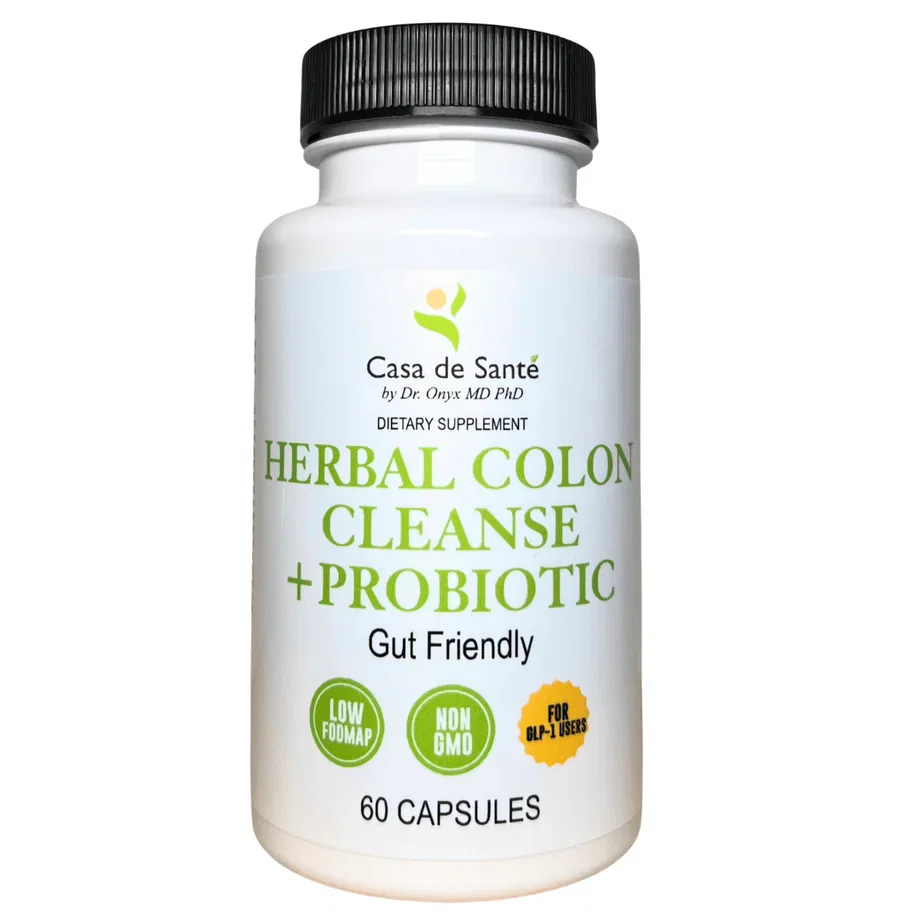
Senna, ginger, and artichoke leaf can stimulate peristalsis without the harsh cramping of drugstore laxatives. I formulated our GLP-1 Regularity Companion for this exact purpose: low FODMAP, gut-gentle, and safe for long-term use.
Shop GLP-1 Regularity Companion
Dr. note: Low FODMAP and formulated specifically for patients on semaglutide and tirzepatide.
Psyllium husk works, but taking it too close to your GLP-1 injection can make bloating worse. I tell patients to take psyllium in the morning with a full glass of water, at least 2 hours away from other supplements. Our Low FODMAP Psyllium dissolves clean without the grit.
Shop Low FODMAP Psyllium
Timing tip: Morning + full glass of water + 2 hours from other supplements for best results.
A short walk after eating stimulates the gastrocolic reflex. This is the signal your colon uses to push things along. No intense workout required. Ten minutes of walking does the job.
Works best: Within 15 to 30 minutes of finishing your meal, every day.
"You should not have to choose between weight loss and gut comfort. Both are possible with the right support. These recommendations come from my clinical practice, not a generic protocol. Your gut health matters throughout your GLP-1 journey.
OA
Dr. Onikepe Adegbola, MD PhD
Founder, Casa de Sante