|
|
|
|
A song for your Sunday listenin' pleasure.
The coffee, wine & cocktail/mocktail currently consumed around here.
PICK 6 COFFEES
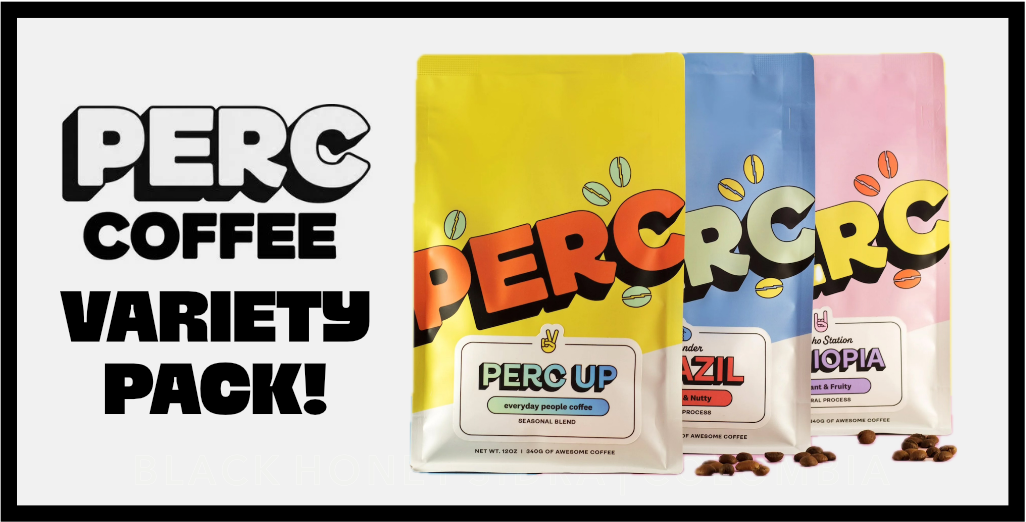
Six Super Lovely Coffees from PERC!
WINNERS & HOW TO WIN
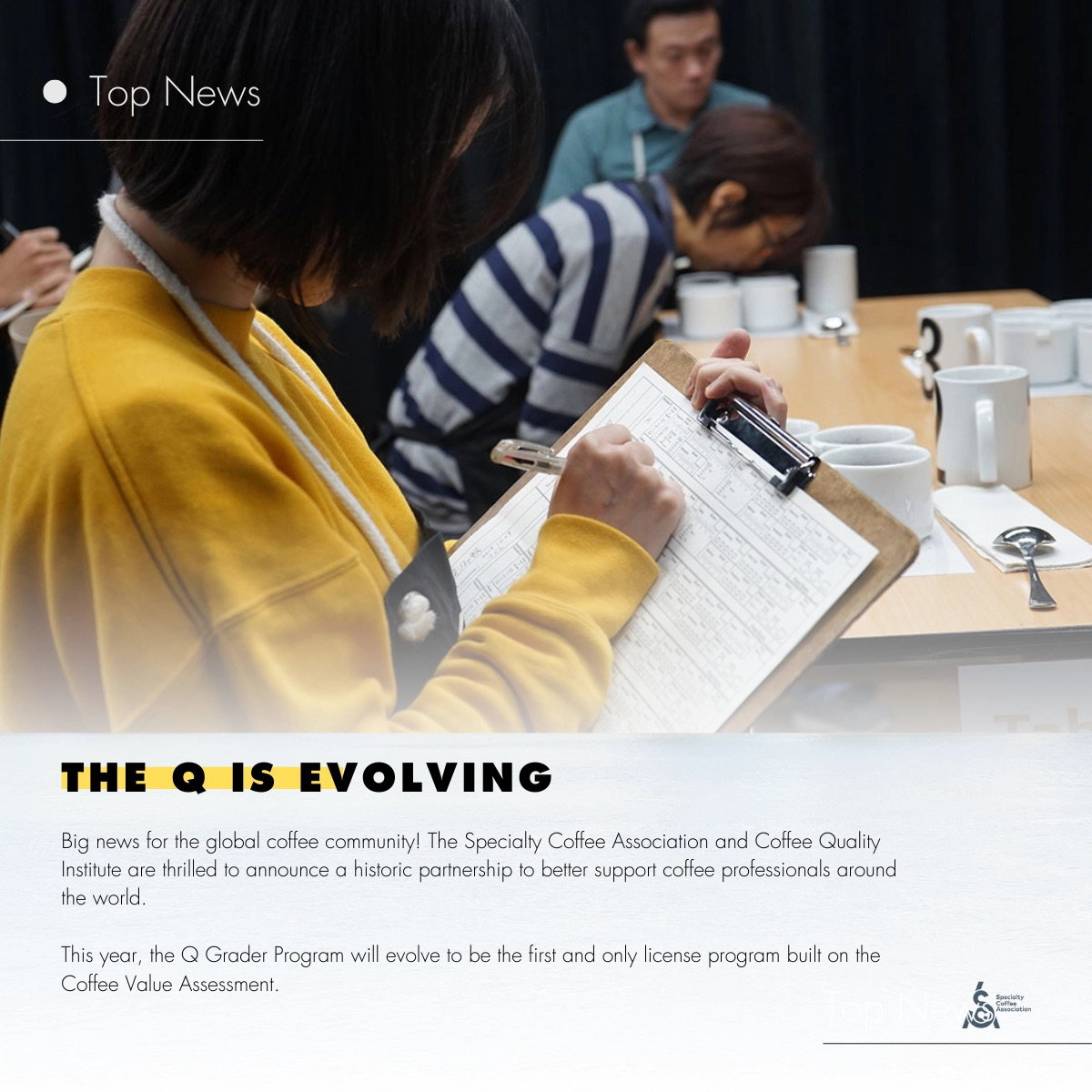
THE CQI PIVOT
|
|
|
Hi
Ideally your June has been a welcome introduction to Summer. Officially we're not there yet but we're fast approaching the longest day of the year (aka the day where there). For now temps are getting warmer but still relatively mild vs what's to come.
I hope you're able to get out and enjoy it.
Reminds me, I need to get you some cold brew & cold coffee recipes for Summer. I'll get on that for subsequent Sippin's (perhaps a series is in order).
Today, we're looking at the Coffee Quality Institute, after their licensing-off the flagship Q program - so where are they headed now.
Welcome to the Sunday 7th Sippin'.
|
|
|
|
Peruvian ‘Morelillo’ is a deliciously complex coffee with flavor notes of cacao nibs, champagne, and watermelon - along with a syrupy and silky body. This coffee is a naturally-processed gesha varietal. Gesha coffees are known for their exceptional cup quality, especially when grown at high altitudes.
|
|
|
|
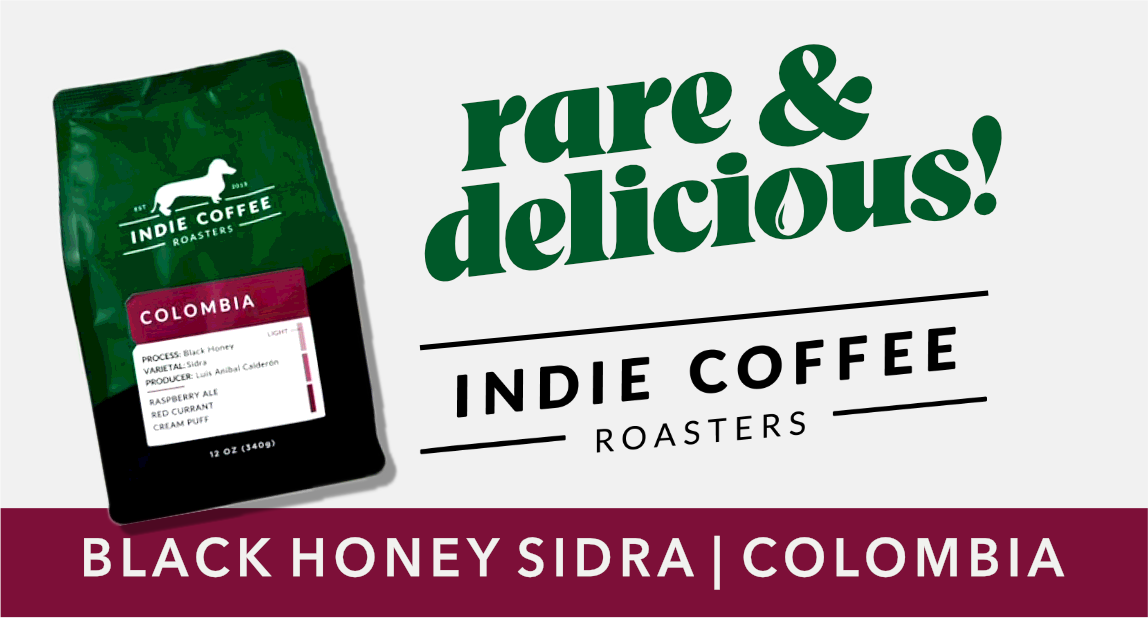
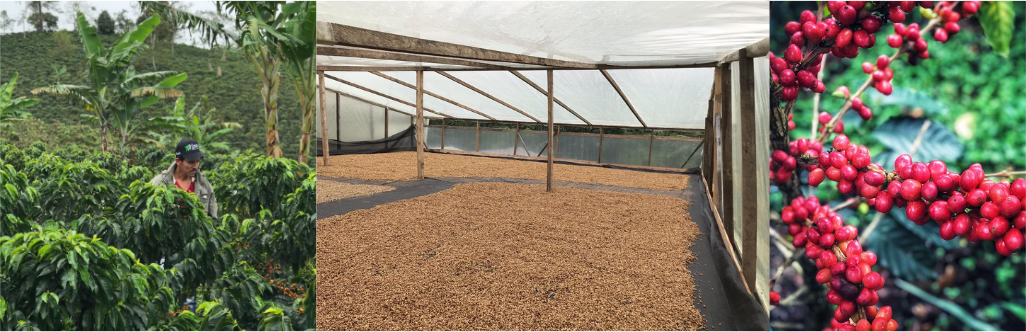
It is entirely unique to get to drink a well-tended Sidra, and much more so one that has a Black Honey process. Sidra is exceedingly labor-intensive, sensitive, and low-yielding - which means that a grower will only invest in it when aiming for top-tier, competition-level coffee. Phenomenal crisp fresh raspberry notes with a light malt backbone pair effortlessly with silky cream and the subtle tart and floral sweetness of red currant. The result is a gorgeous, jammy aroma, a soft, pastry-like sweetness, and a striking depth and intrigue in a cup with a lingering, complex finish.
|
|
|
|
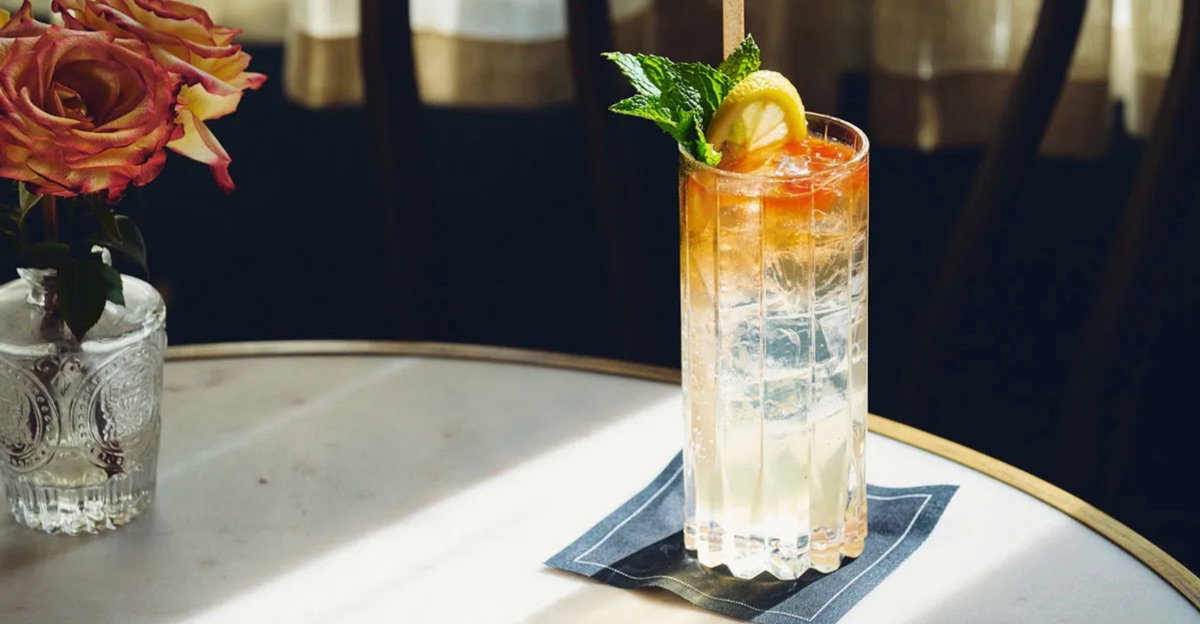
COCKTAIL: Fives’ Rebujito
INGREDIENTS:
- 2 ounces fino sherry
- 3/4 ounce Key lime cordial (see Editor’s Note)
- soda water, to top
- 2 dashes Angostura bitters
- Optional garnish: fresh mint, lemon wheel
DIRECTIONS:
- Combine all ingredients in a highball glass over ice, and gently stir to combine.
- Garnish with mint and a lemon wheel.
- Optionally garnish with mint and/or lemon wheel.
*Key Lime Cordial:
- 9 oz Key limes, washed and quartered
- 35 oz white sugar
- 9 oz warm water
- 1 tsp malic acid (optional)
- 1 tsp citric acid (optional)
- Using a citrus press, juice the limes, but do not discard the husks.
- Combine the juice, husks and sugar in a nonreactive container and macerate for at least 24 hours.
- Add the warm water, then strain through a mesh to remove the pulp.
- If using, add the acids. (They are optional but prevent oxidation.)
Keeps for several weeks in the refrigerator.
|
|
|
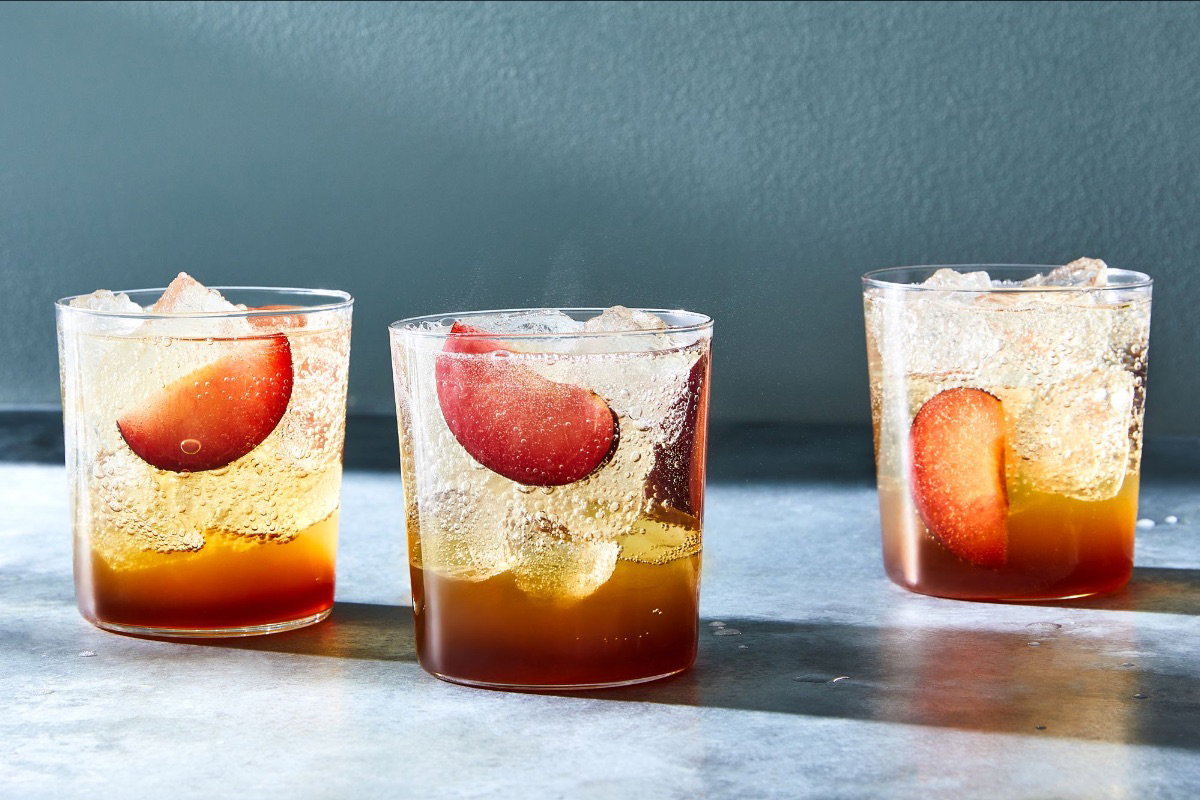
MOCKTAIL: Sparkling Plum Switchel
INGREDIENTS
For the drink:
- 1 can LaCroix Sparkling Water Beach Plum
- 1 1/2 ounce ginger shrub
For the ginger shrub:
- 1/2 cup maple syrup
- 1/4 cup apple cider vinegar
- 1/4 cup water
- 1 (3-inch) piece of ginger, diced
PREPARATION:
For the drink:
- Add the ginger shrub to a double rocks glass filled with ice and top with the Beach Plum.
- Stir to combine and serve.
- Optional: Garnish with a fresh sliver of plum.
For the ginger shrub:
- Add all ingredients to a small saucepan and bring to a boil. Then reduce to a simmer for 10 minutes.
- Remove from the heat and let cool completely, then strain.
This shrub will keep in the fridge for up to one month.
|
|
|
"So delicious and drinkable from the first whiff to the lingering finish. An uber-chardonnay that packs in all the richness of fruit and smooth spiciness of oak fermentation, with vibrant acidity and a silky texture. Well balanced in a cool, ideal vintage and a great candidate for aging longer term.." - James Suckling
|
|
LOSE YOUR SOUL
by Dead Man’s Bones
I’m giving a FREE BAG OF COFFEE to one select winner who emails in to [email protected] and names this famous singer!
|
|
|
|
Featuring six coffees from PERC!
|
|
|
Buy a coffee from this week’s Pick 6 and be one of 3 who may win it free!*
*Winners will receive a rebate in the form of site credit.
|
|
-
Alyssa Weston
- Patrick Byrne
- Mike Spikes
|
|
|
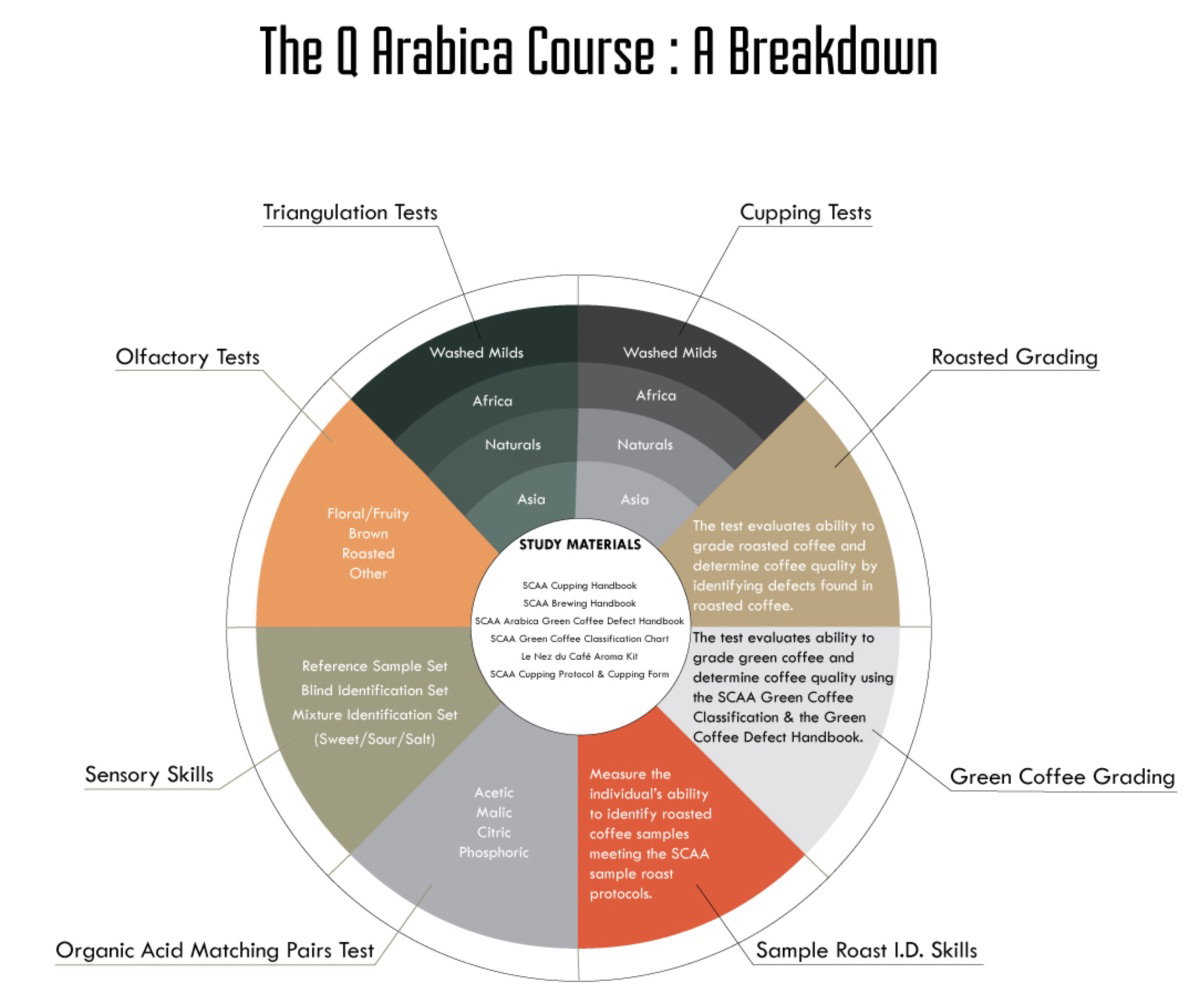
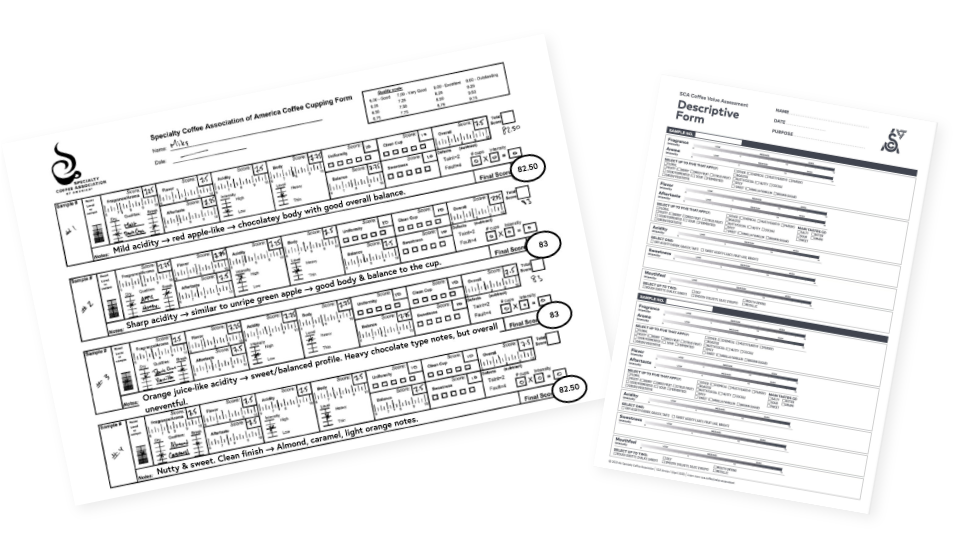
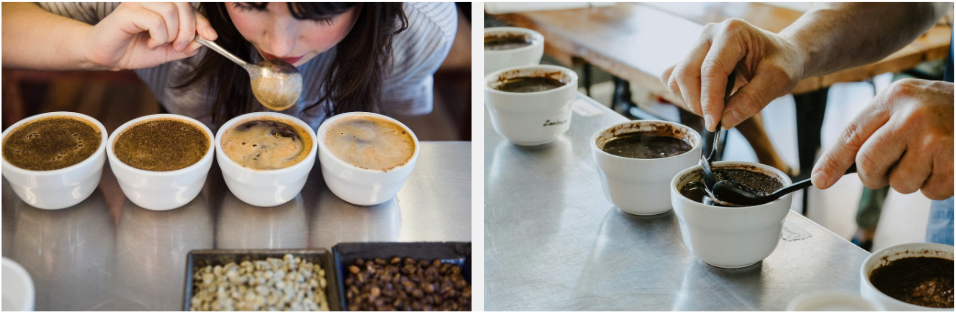
If you’re a longer time follower of Sunday Sippin, you may recall a couple articles around the Q Grader certification. For those newer to Sippin, the short of it, is it’s a 1 week course testing in coffee sensory evaluation (not cheap either, running between £1500 - £2250). Upon completion of the course and required testing, one qualifies to become a Q Grader and can thus asses how many points (up to 100) a coffee scores. To this day we use these scores to first of all differentiate Specialty Coffee from Commodity (aka grocery store level) coffee and then how much it’s potentially worth within the specialty coffee spectrum. The Specialty Coffee Association (SCA) marks the specialty threshold at 80 points above, which most of Europe adheres too. However, most specialty coffee roasters in North America and Oceania use 84 points and above as the minimum threshold for specialty. Unlike wine, no coffee can score a perfect 100 because using the coffee cupping evaluation sheet from the SCA, the taste is not left to interpretation and preference of a critic. And since no coffee is without some small amount of defect, a coffee scoring in the low 90’s is going to amongst the very best in the World, having relatively few minor defects.
Anyway, today isn’t an overview on being a Q Grader, nor is it about the shake-up that saw the SCA take over the Q Grader training, testing and administration last year (as of October 1, 2025), in a 10 year licensing deal. You may recall the Sippin article on that hullabaloo, that left some coffee folks pretty miffed by the news. The Coffee Quality Institute (CQI) is the coffee non-profit that created and administered their proprietary Q Grader course and testing. However, they used and based it on the SCA’s coffee cupping worksheet. CQI probably didn’t realize their Q Grader course would gain the traction and prestige it did, becoming the most highly regarded coffee certification amongst coffee professionals.
|
|
|
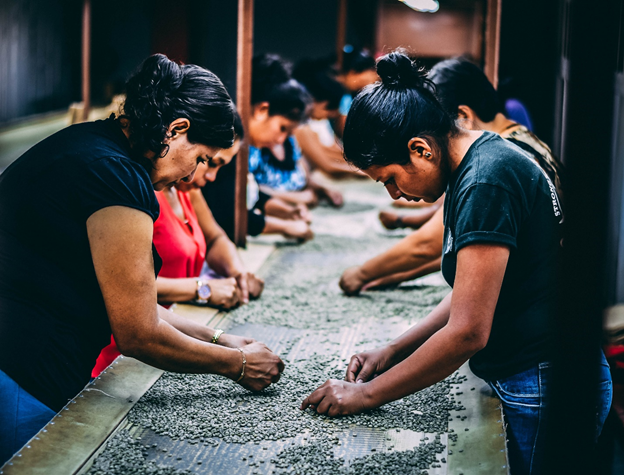
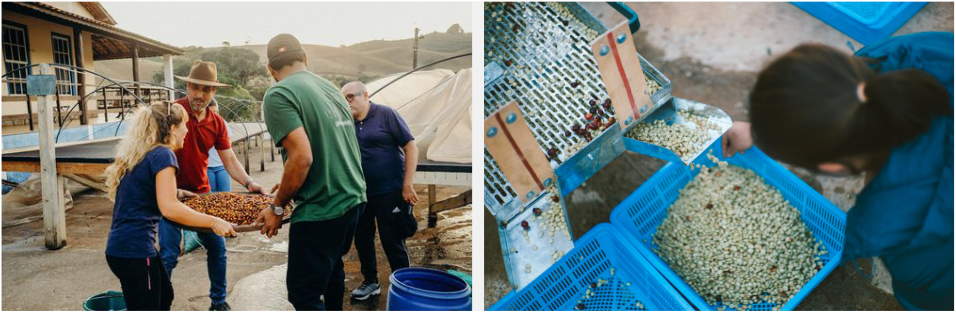
CQI saw a disconnect in how coffee was being graded in the developed countries, mostly consuming specialty coffee, and the actual producers at origin growing it. Producers were visually sorting and grading it. Meanwhile, buyers we're cupping and scoring it.
|
|
|
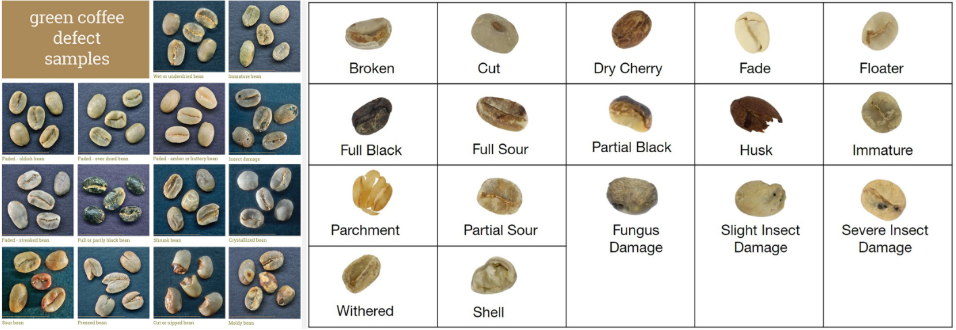
For example, according to the SCA specialty coffee is allowed a maximum of five secondary defects in a 350-gram sample, with zero primary defects permitted. Any primary defect (like a completely black or sour bean) or enough secondary defects that it becomes a primary defect (see chart below), automatically disqualifies a batch from being graded as specialty. Less severe imperfections can still negatively impact the taste profile if they accumulate too much, these are classified as secondary defects.
Specialty coffee allows a maximum of 5 of these full defect equivalents in a 350g sample.
- Partial black beans (requires 3 to equal 1 full defect)
- Partial sour beans (requires 3 to equal 1 full defect)
- Parchment husk (requires 5 to equal 1 full defect)
- Unhulled beans (requires 5 to equal 1 full defect)
- Insect-damaged beans (requires 2 to 5 to equal 1 full defect, depending on the severity)
- Broken or chipped beans (requires 5 to equal 1 full defect)
- Water-damaged beans (requires 2 to equal 1 full defect)
|
|
Whereas, specialty coffee buyers weren’t interested in just specialty vs commodity, as if all coffee in each category were created equal. Buyers were using sensory evaluation to rate coffees.
|
|
|
Thus the disconnect, producers and buyers needed a common knowledge and basis to sensorially rate the coffees. CQI created the Q grader course and guidelines, so that a producer in Latin America could score their coffee, meanwhile theoretically the buyer in Europe would get the same score, usually only within a single point difference between well-qualified and experienced cuppers. As a result, being Q Grader certified put coffee professionals in a different echelon whereby they are now qualified to value coffee. Despite the producer and buyer actually speaking different languages, they are now speaking the same language in terms of how many points the coffee scored and thus on the same page in terms of its quality and subsequent value.
|
|
Thanks in part to CQI we can distinguish phenomenal coffees from good coffees - like fine wine from the finest wines. Through systematic training of one’s coffee palette while educating oneself around correct coffee attributes, then picking out flavors, describing mouthfeel etc. etc. - in theory most anyone could do could become a proficient coffee cupper without the Q grader certification and CQI testing. Much like an accomplished wine aficionado will use a credentialed wine critics rating as a guide but knows bad from good and good from great, on their own. What Q grading and cupping scores did was to help prevent extraordinary coffees from getting mixed in with ordinary coffees. When it was no longer all just specialty vs commodity coffee, higher scoring coffee meant now fetching a price based on the score not just its lack of defects. In essence it unlocked sub-genre's of specialty coffee.
|
|
|
Now that producers, or primarily someone at the coffee mill or co-op, could score the coffee - transparency blossomed. Outstanding coffees from individual producers, at individual farms, by varietal, were set apart and so a term we’re now familiar with - “micro-lot” became a real thing. Sensory evaluation was already popular for buyers but when producers understood it and could thus now better cater to buyers preferences, the specialty coffee industry was revolutionized.
|
|
|
Perhaps now you can see why many people were skeptical of SCA taking over such a powerful program. Not to mention the SCA is already by far the largest most influential organization in specialty coffee, licensing control of the Q Grader certification program certainly helps to concentrate that for them. It's always ironic how non-profit trade organizations representing an industry, themselves become the dominant force in said industry.
And so the question I’ve been building to all this time - what’s to come of the Coffee Quality Institute (CQI)? As mentioned the “Q” is under a 10 year licensing deal and so CQI retains all it's assets, the primary terms of the deal are:
— 10 year duration
— USD 250,000 licensing fee per year
— 5% Revenue share from the Q program.
Not a tiny chunk of change but tbh $20k a month in royalties will get eaten up in a business super quick. Additionally, a significant portion of funding for some of CQI’s producer programs came from US AID. When the US abandoned the program entirely, it might have looked like a deathblow for CQI, coinciding with it also losing its flagship Q program.
This spurned a recent letter from CQI’s new CEO in the most recent issue of Roast magazine. He addresses the cut in funding saying: “The U.S. Agency for International Development (US AID) was the world’s largest source of funding for coffee communities and the largest donor in CQI history before it was eliminated in 2025. But even before it disappeared, US AID disinvested: Its funding for projects in coffee communities had been declining steadily for years. In 2023, CQI created its Global Coffee Fund as a way to ensure that the organization would always have boots on the ground in coffee communities, regardless of whether or not it was actively managing donor-funded projects. Today, it is the biggest source of funding for CQI’s overseas work" (after US AID funding was pulled).
But anyway, where does CQI see itself next?
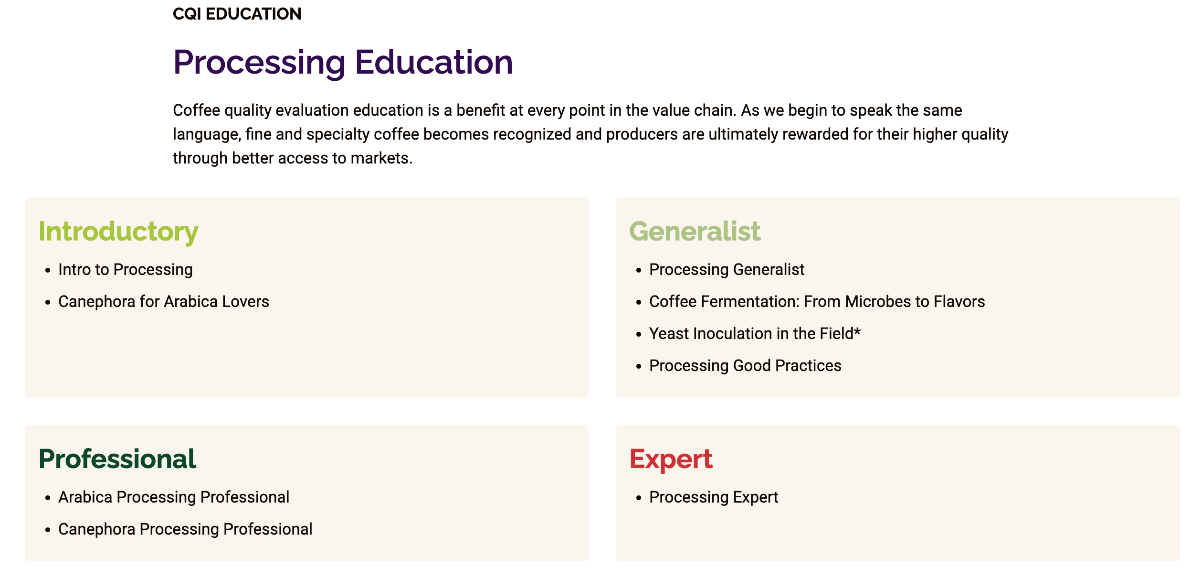
It's all about Processing.
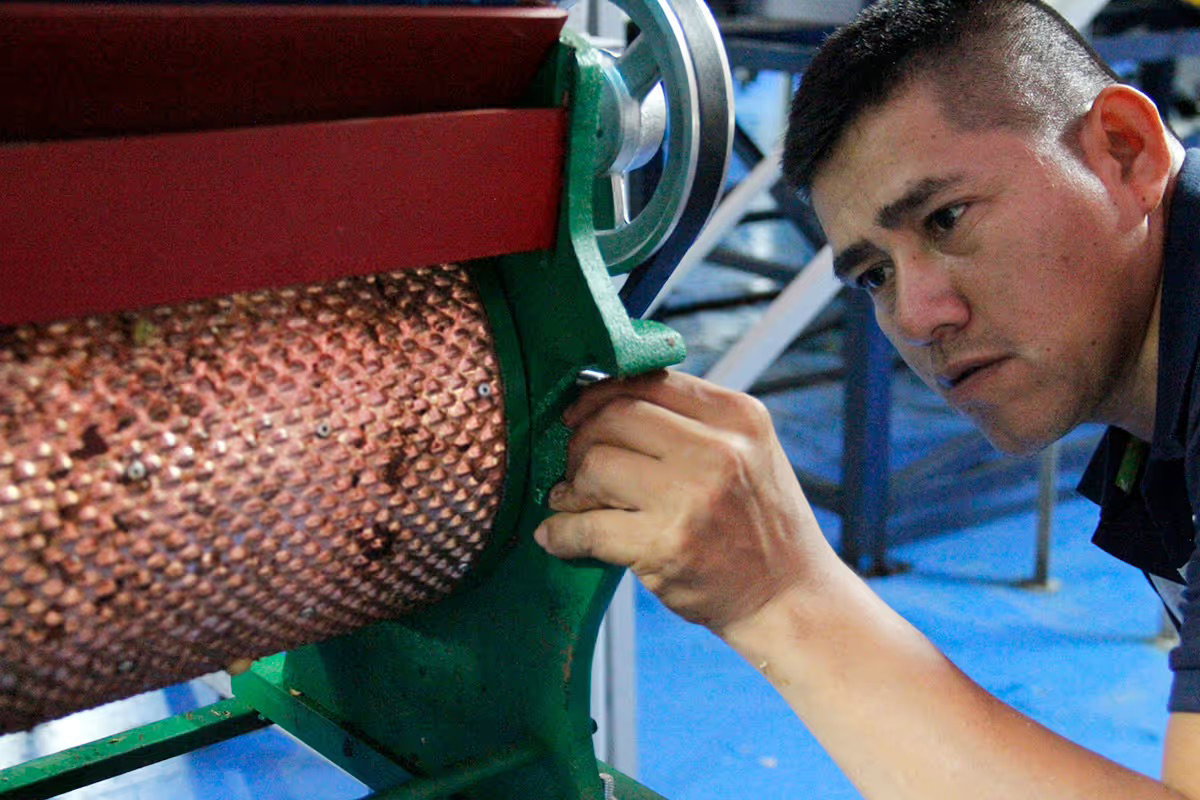
Coffee Quality Institute is now going all in on coffee processing courses. This evolution kind of makes sense though. They first started by helping to differentiate levels of specialty, creating a common language around how to grade specialty coffee. This leading to upstream quality improvement because it paved the way for buyer and consumer attention to varietals, better farming practices, more transparency and careful harvesting, in order to fetch the highest score feasible. Processing is that final finish that could potentially make or break a coffee.
|
|
|
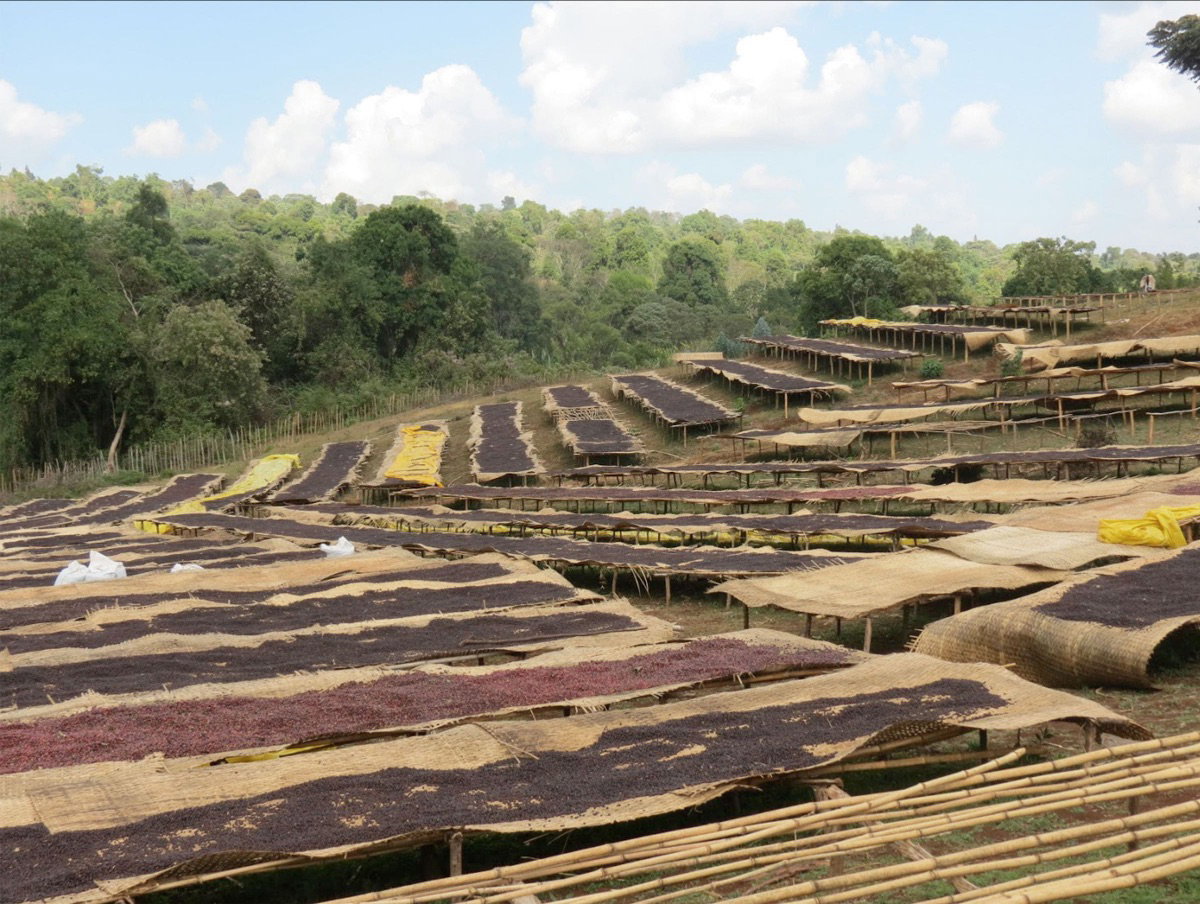
If you can, think back to past Sippin’s detailing coffee processing. Different names are often used for the same process, producers have different versions of what the same process entails, there is a lack of transparency in some modern processes, like co-ferments for example. And yet processing, fermenting etc. are all the rage right now, turning some producers in to mad scientists creating wild flavors that perhaps should or shouldn’t be there, depending on who’s asked. Meanwhile specialty coffee consumers have become rather savvy about processes. Ten years ago ask I actually remember reading about a coffee roaster calling a Washed process, clean coffee, and Natural process, dirty coffee. Just five years ago, few know what anaerobic even meant. I work with consumers everyday and if there is one piece of a coffee’s attributes that are given the most attention, it’s absolutely tasting notes. If a coffee bag shows up and the tasting/flavor notes on the bag don’t match it's description online, I usually get a message and a refund is “processed”. Now consumers want to taste those notes for themselves and it’s the process that makes these more or less pronounced.
|
|
Believe it or not, within the realm of modern specialty coffee trends, a fair majority of smallholder coffee producers aren’t nearly as informed as even specialty coffee consumers are, let alone specialty coffee buyers. It might seem hard to believe that producers would know less, being that it’s their life’s work but remember they rarely even try their own coffee (it’s shipped out green). The only way would be if they have some way to roast at home - many keep an old-school popcorn popper around for this very use. And the variety at your finger tips from individual roasters or of course from marketplaces like crema.co, does not exist in the coffee producing rurals, if it even exists in the producers country at all. The opportunity to try coffees processed various ways is actually a luxury not available to most producers until/unless non-profits, like CQI, literally bring these coffee to them. Or if they can afford to travel to more metropolitan cities.
Meanwhile, outside of weather related phenomena, post-harvest processing is laden with the most risk across all quality strata, especially in the new or experimental processes that have generated so much buzz in the industry recently. CQI is turning their primary attention to helping to create a common approach that reduces risk, expands opportunity, and aligns communication for everyone in the industry, all by means of their Post-Harvest Processing (PHP) programs.
|
|
The core course progression consists of a sequence of three offerings. Beginning with the introductory 100 level course, students who pass exams and complete coursework satisfactorily can earn certification as Post-Harvest Processing Generalists (level 200), Professionals (level 300), and Experts (level 400). The second of these, the Processing Professional certification, is to the PHP Program what the Q was to CQI’s Quality Evaluation Program—a credential designed to certify the skills of people in leadership roles working every day to manage quality. Namely, this will be for people who manage the mills and washing stations where cherry is aggregated. Whereas the millions of smallholder producers who process coffee on their farms around the world may not need a professional-level credential but may want training to improve post-harvest practices. Most of the 100- and 200-level classes in the PHP catalog are designed with them in mind.
It’s also not limited to 4 holistic courses as it may sound, but instead 4 levels with specific topic courses associated with the level. For example, the course “Processing Good Practices (170/175)” is a 200 level course. Or the course “Yeast Inoculation in the Field (275)” is also a 200 level course. Whereas the course “Processing Professional (325)” is a 300 level course. Other courses include, Coffee Fermentation: From Microbes to Flavors (290), Processing Expert (475), etc. etc.
|
|
Currently, CQI’s limiting factor is localized trainers, right now, there aren’t enough of them. CQI plans to invest in the pursuit of localized education in which the organization’s content is delivered in local languages by homegrown coffee talent. While it seems that these courses are designed for producers, it’s wise to remember that at first the Q Grader was meant for producers to understand how buyers were evaluating their coffee. And then as it's popularity grew, many coffee professionals took the course to gain a common understanding. It remains to be seen if coffee buyers will themselves be as interested in CQI’s new focus around processing certifications. To me it’s plausible that they would, given CQI’s highly regarded status for quality coffee education, thanks to the Q. And with comments flying around like “we’re in a processing revolution - or fermentation wonderland”, buyers wold be keen to understand what’s being taught to producers in order to better understand what they can expect. Or just as simple as getting more clarity around what's behind some of the vague processing names.
Now the real crux of this story - selfishly, how it affects you and I. To know where specialty coffee is headed, one place to start is a look at where it’s been and how it got here. CQI thinks the next horizon is around coffee processing. CQI was successful in helping producers understand how coffee drinkers and green bean buyers were perceiving their coffee and then how to play to that. Now CQI is helping producers to understand how processing affects their coffee and how consumers perceive it - also what they are interested in/looking for. It’ll be a bit of a slow-burn because the dissemination of information to rural farmers in poor countries is slow as molasses, and then there is but one crop a year to actually process. However, starting in the next 3 years and beyond, coffee processing technique looks be front and center. Perhaps we may see better coffees or just more availability of good coffees that weren’t otherwise ruined by poor processing practices. Wouldn’t be surprised if we see more experimentally processed coffees from regions not known for them (predominantly come from Colombia and Costa Rica now). If consumers are curious and thus will pay, meanwhile some of the risk is removed for producers via these CQI courses - it only stands to reason that producers will grasp at an opportunity for a higher ROI.
It’s not whether CQI’s pivot will have an effect on specialty coffees future. It now comes down to how much of an effect. The Q had a great effect, if it gets anywhere near that, expect that within 10 years time we will have a new perception of what specialty coffee should be. On the other end of the spectrum, if it doesn’t have anywhere near the same effect, the result will still be positive in that specialty coffees will become more available as processing methods become better understood. Additionally, it'll help to define processes that go by various or regional names - i.e. do you know what “Wet-Hulled” is vs ‘Washed” (not the same as many assume - search it).
|
|
|
|
|
|
|