|
|
|
|
A song for your Sunday listenin' pleasure.
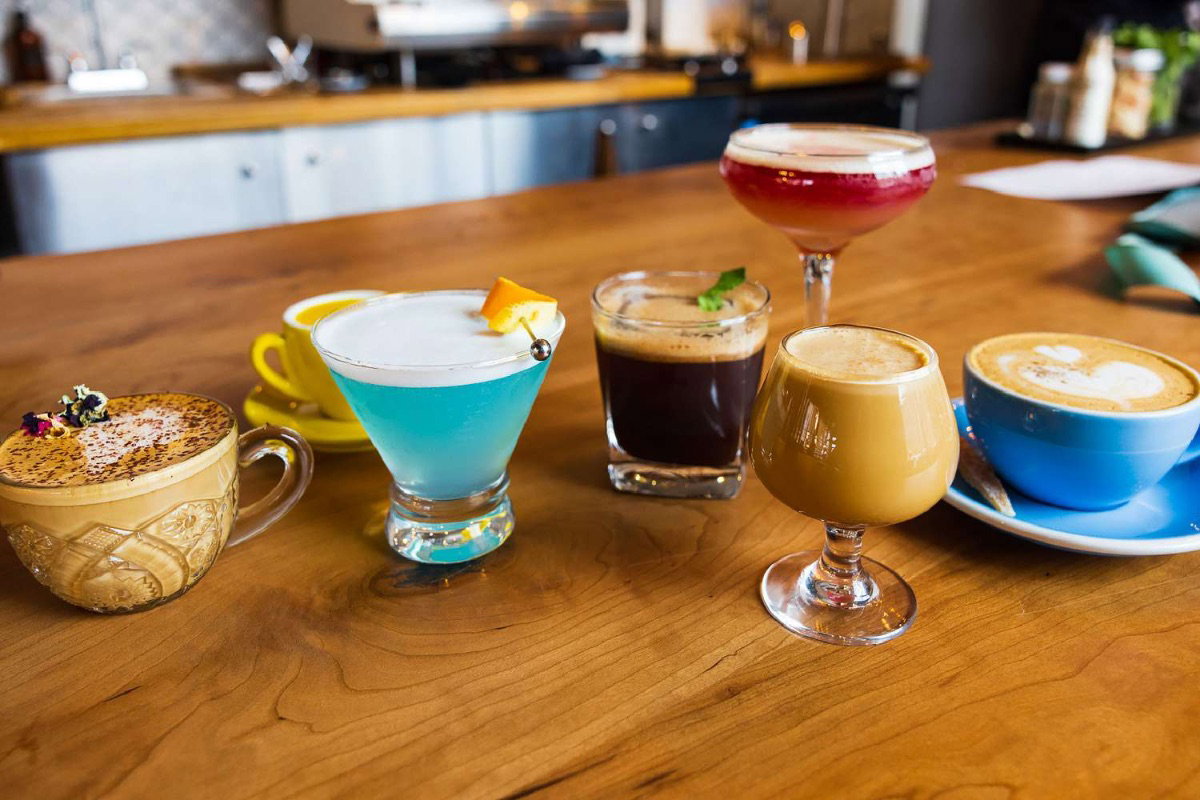
The coffee, wine & cocktail/mocktail currently consumed around here.
APRIL’S RARE & DELICIOUS
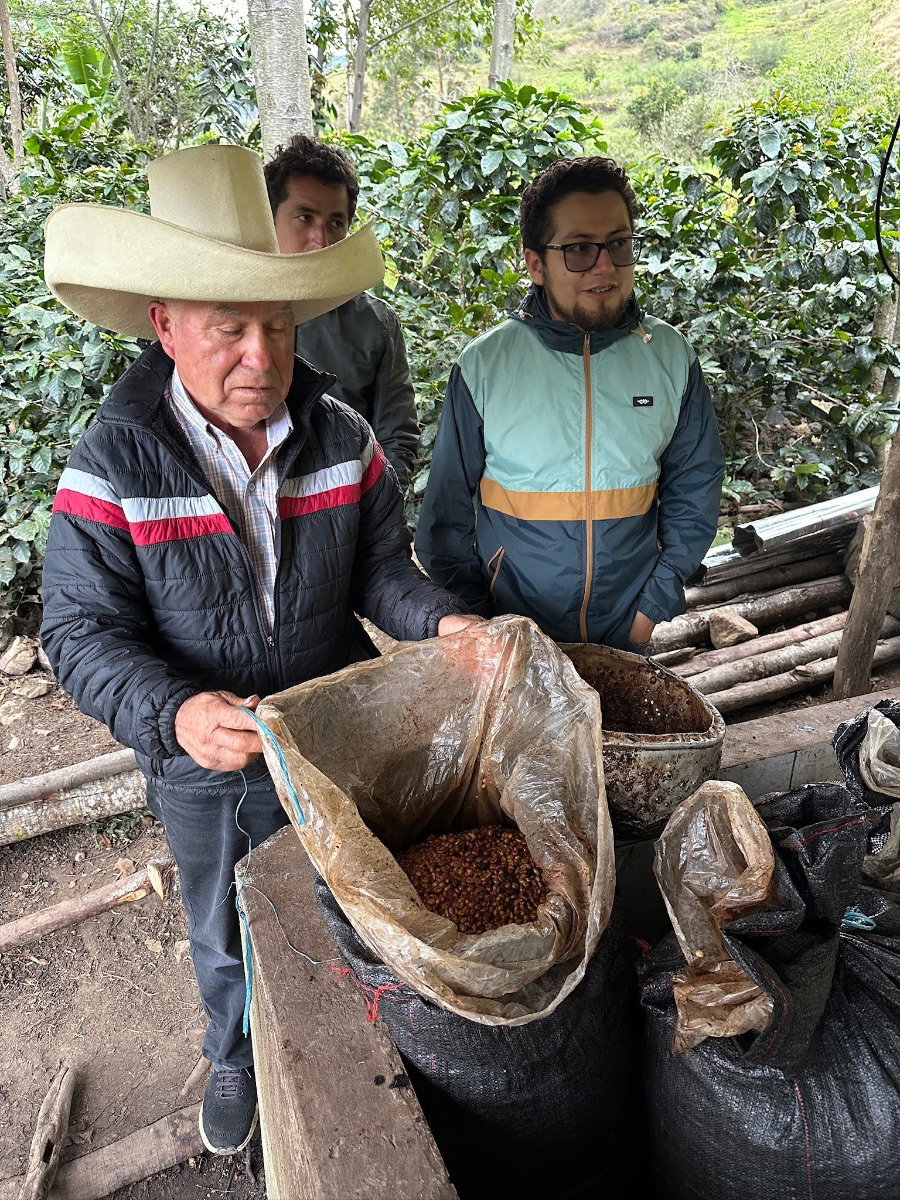
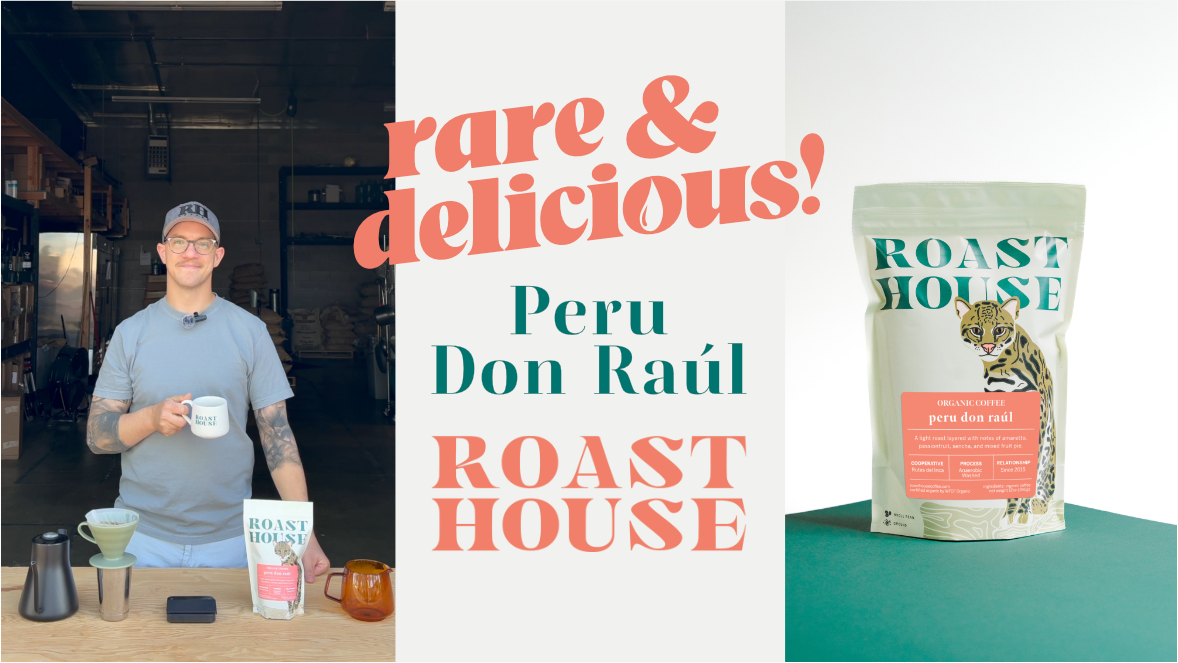
Roast House brings us this month’s RARE & DELICIOUS - Don Raúl’s Anaerobic + Washed lot from Peru!
PICK 6 COFFEES
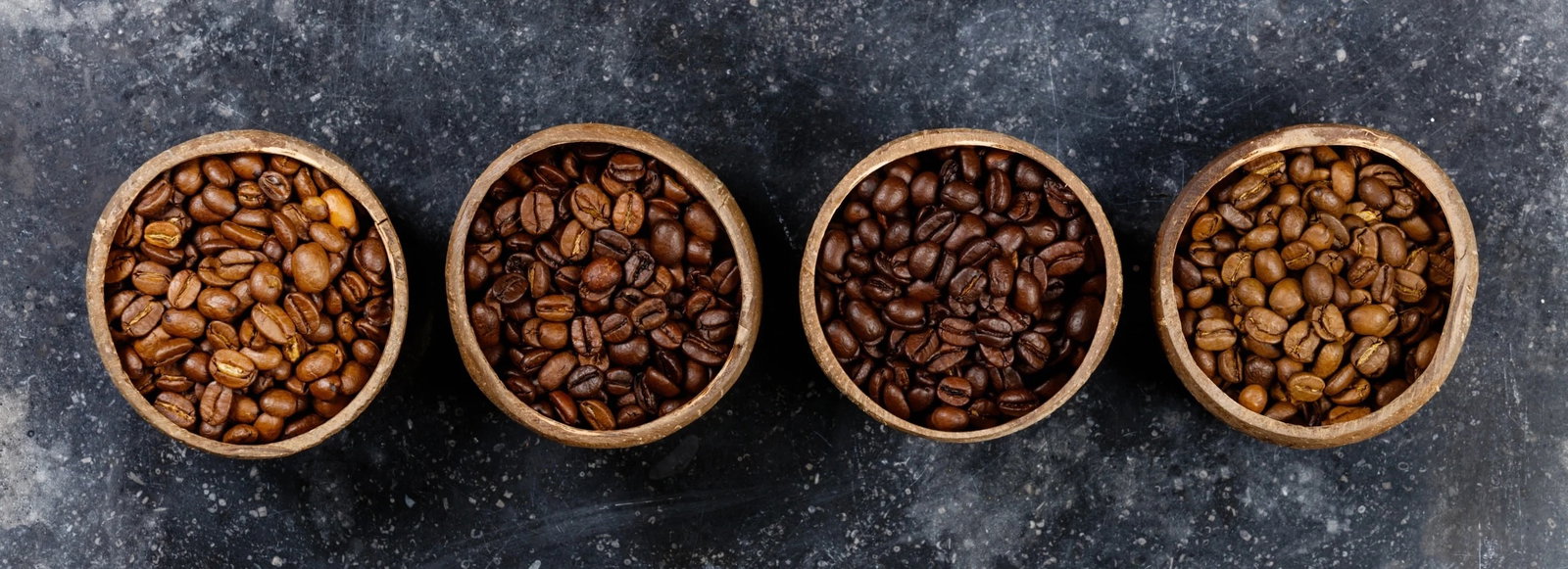
Six genuinely delicious coffees from Roast House!
WINNERS & HOW TO BE THE WINNER
THE MOST CONTROVERSIAL OF SPECIALTY COFFEES
|
|
|
Hey
Top O' the Sunday Mornin to ya,
Hope it's been a decent week and your Sunday is lovely.
Today, we're looking at a style of specialty coffee that has people taking sides. It's perhaps one of the few styles to boast having superfans who call it processing artisanship - and harsh critics with some real angst behind them.
Welcome to the mid-May episode of Sunday Sippin - glad you're here.
|
|
|
|
Roast House scored this coffee amongst 3 other specialty coffee roasters and the licensed Q-Graders at the cooperative's headquarters at an 86. They tasted a ton of tropical hard candy notes like passionfruit, juicy fruit gum, yellow cherry, apple, with a honey-like aroma at origin.
|
|
|
|
PERU DON RAÚL - AT A GLANCE
COUNTRY: Peru
REGION: Querocoto
FARM: Rutas Del Inca Cooperative
PRODUCER: Don Raúl
PROCESS: Washed + Anaerobic
VARIETY: Catimor
ELEVATION: 2425 meters
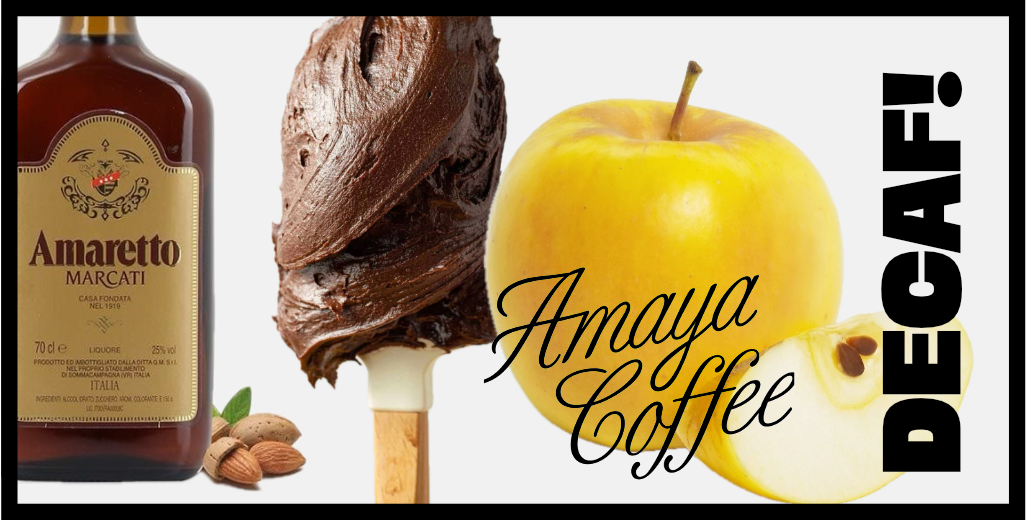
TASTING NOTES: Passion fruit, amaretto, mixed fruit pie
|
|
|
|
|
Enjoy this video of Aaron Jordan, of Roast House Coffee, tasting the Peru Don Raúl!
|
|
|
A testament to collective strength, this washed Cauca coffee represents a small group of Bolivar neighbors who pooled their harvests to compete—and win—in Colombia's Subasta Por La Paz auction. Nanelle selected this as her top lot for its distinctive flavor profile. Their success exemplifies how community collaboration and unwavering perseverance can overcome profound challenges, producing exceptional coffee.
|
|
|
|
COCKTAIL: G&T&C&R
INGREDIENTS:
- 2 ounces gin, preferably Hendrick's
- 5 ounces tonic, preferably Fever Tree
- 2 dashes rhubarb bitters
- 1 cucumber ice cube*
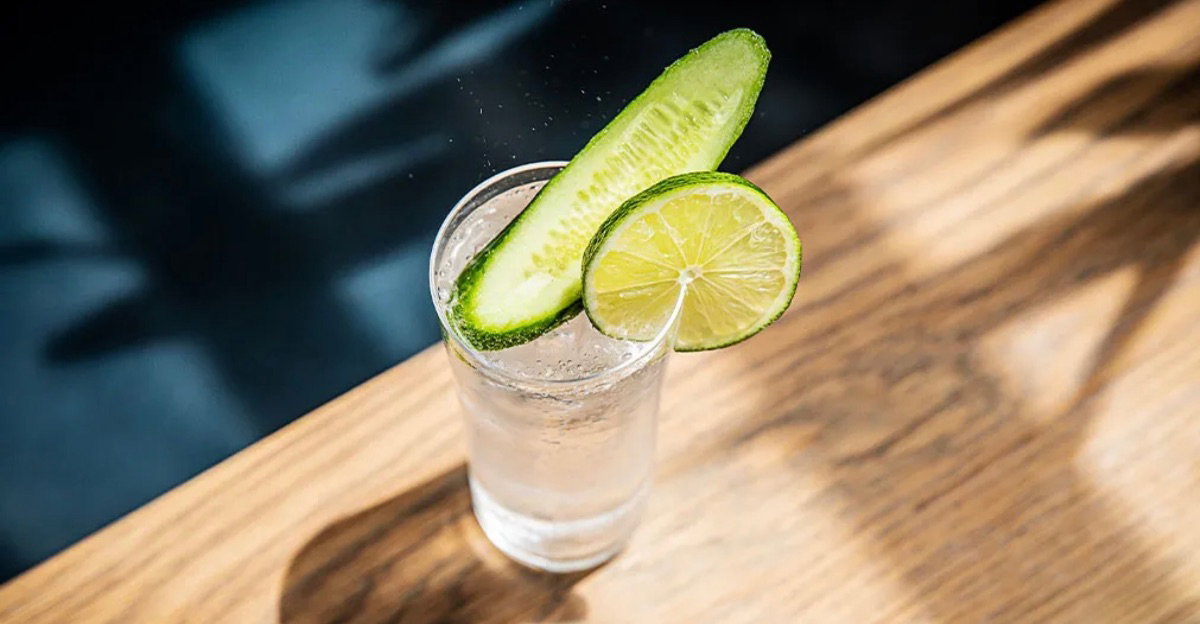
- Optional Garnish: cucumber slice, lime wheel
DIRECTIONS:
- Combine the gin and bitters in a Collins glass.
- Fill glass almost to the top with ice cubes.
- Using a bar spoon held vertically with the bowl touching the bottom of the glass, pour the tonic slowly down the handle.
- Place the cucumber ice cube so it floats at the top of the drink.
- Optional: Garnish with a cucumber slice and a lime wheel.
*Cucumber Ice Cube
Juice or blend 2 English cucumbers then filter through a fine mesh strainer. Pour the strained juice into an ice cube tray and freeze.
|
|
|
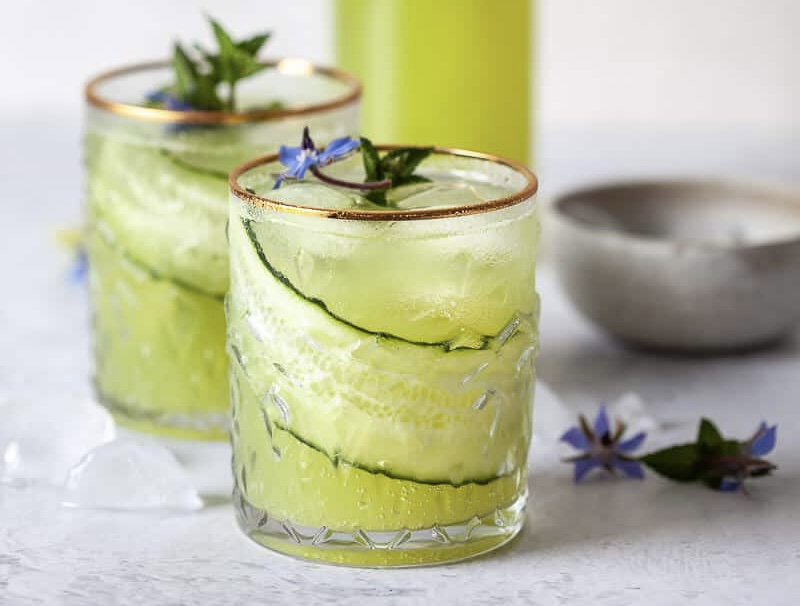
MOCKTAIL: Cucumber Lime Fizz
INGREDIENTS:
- 1 large cucumber
- 1 cup of water
- 2 limes
- 3 tbsp mint leaves
- 2 tbsp maple syrup
- pinch of salt
- 1 cup carbonated mineral water
- 2 cups of ice cubes (or more as needed)
PREPARATION:
- Peel and dice 1 large cucumber, then add to a high-speed blender.
- To the blender Add 1 cup of water, juice of 2 limes, 3 tbsp mint leaves (adjust to your taste), 2 tbsp maple syrup, and a pinch of salt. Blend until smooth.
- Strain the cucumber juice through a fine strainer or cheesecloth into a jar.
- To the jar, add 1 cup carbonated mineral water and 2 cups of ice cubes (you can add more ice cubes if you like).
- Serve in glasses with ice cubes. For decoration, you can add some cucumber slices, a lime wedge and some more mint.
|
|
|
"This balanced beauty was fermented and aged in a combination of concrete and neutral oak barriques. The wine's aromas run the range from boysenberry soda and violets to a meaty note similar to bone broth. A light and nimble texture is a perfect fit with flavors like cranberry and lime zest, with a mild chalky note." - Wine Enthusiast
|
|
MY CITY
by Better Oblivion Community Center
“My City” finds a sweet rhythm in a casual acoustic riff, but picks up with bursts of distortion on each chorus.
- riffs snd rhymes
|
|
|
|
Featuring six coffees from ROAST HOUSE!
|
|
|
Playing it again Sam!
Get any of the PICK 6 Coffees above, or this month’s RARE & DELICIOUS, so you can be one of three who may see it free!*
*Winners will receive a rebate in the form of applicable site credit and are announced in next week’s Sunday Sippin’!
|
|
-
Zee George
- Rex Anderson
- Aaron Concannon
|
|
|
Typically in specialty coffee, it generally tends to be the egos of some of the roasting brands owners or staff that tend to be controversial or mostly just off-putting. The ugly face of arrogance has always been specialty coffees achilles heel - but an actual coffee itself drawing so much controversy, now that’s juicy (once you know the coffee, you might like that pun). It started with someone messaging in to the support line asking about co-fermented coffees. Tbh, I still don’t really know his aim, he’s not a current customer, ordered once in 2024. At first I answered the questions and thought nothing of it but then he kept coming back several times with more excerpts he was finding from various Reddit threads. It eventually led me to ask around and do some extra research on the topic - turns out co-fermented coffees have managed to find themselves in hot water (that one was less of a pun and more of a dad joke) over what the coffee is perhaps being co-fermented with.
|
|
|
|
Example podcast discussing the hot topic of co-ferments.
|
|
|
Co-ferments are right off the bat, pretty polarizing amongst all us coffee drinkers. The smell isn’t always great, instead it tends to be overpowering, as do the intense fruity flavors. Obviously, those same fruit bomb flavors are what draw many people to them. And I think the great majority of us may enjoy them but perhaps some more sparingly from time to time. It’s uncommon to hear someone say they want them day and in and day out - that’d be wild way to live - co-ferments only. Anyway, there are two matters of contention surrounding co-fermented coffees. The first isn’t new or a surprise; that’s people’s feelings about whether this coffee is being overly manipulated to taste like something it’s not meant to. And the second is a lesser known concern that has just recently started to accelerate; that being the lack of real transparency around what these coffees are actual being co-fermented with - what's in the mix.
|
|
|
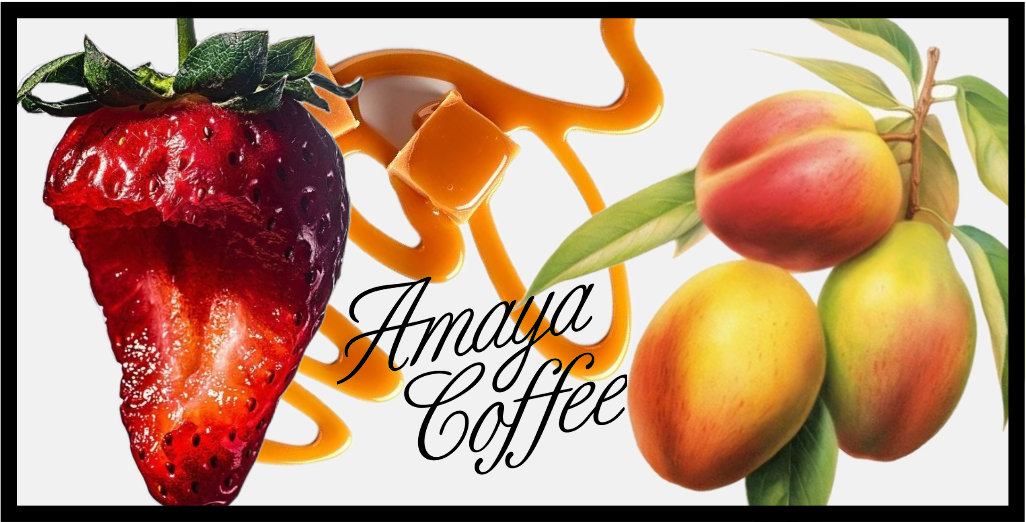
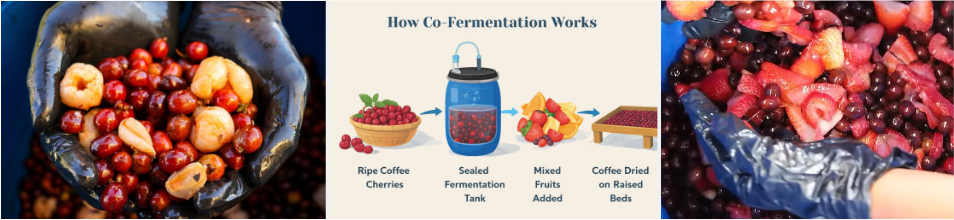
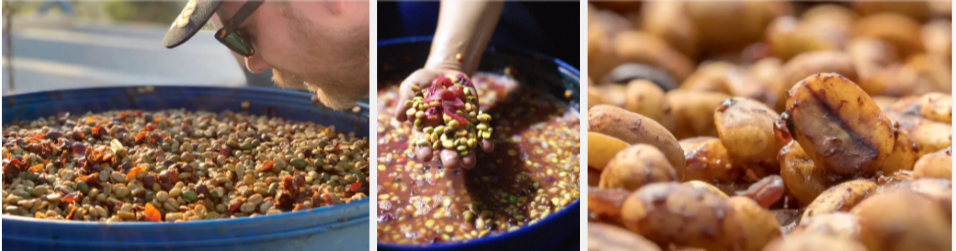
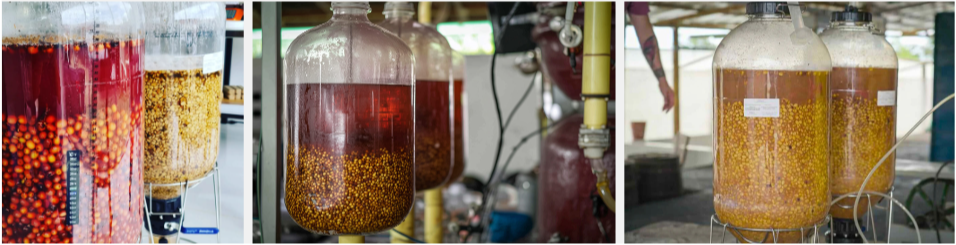
We’ll talk later on in more detail about what co-ferment is or isn’t and why it has drawn some ire for it’s relative lack of transparency but to over-simply it for now; co-fermenting is throwing a bunch of coffee cherries or de-pulped coffee beans (coffee seeds are more fitting term here, as you’ll see later) in to plastic barrel or suitable vessel of some sort, and then throwing some fruit in there, i.e. strawberries, peaches, mango’s, etc. The barrel is often (but not always) sealed with a one way valve to allow excess gas to vent out (anaerobic style) and the coffee is left to ferment, in a low oxygen environment, for as little as 8 hours or up to 3 or 4 days generally.
|
|
|
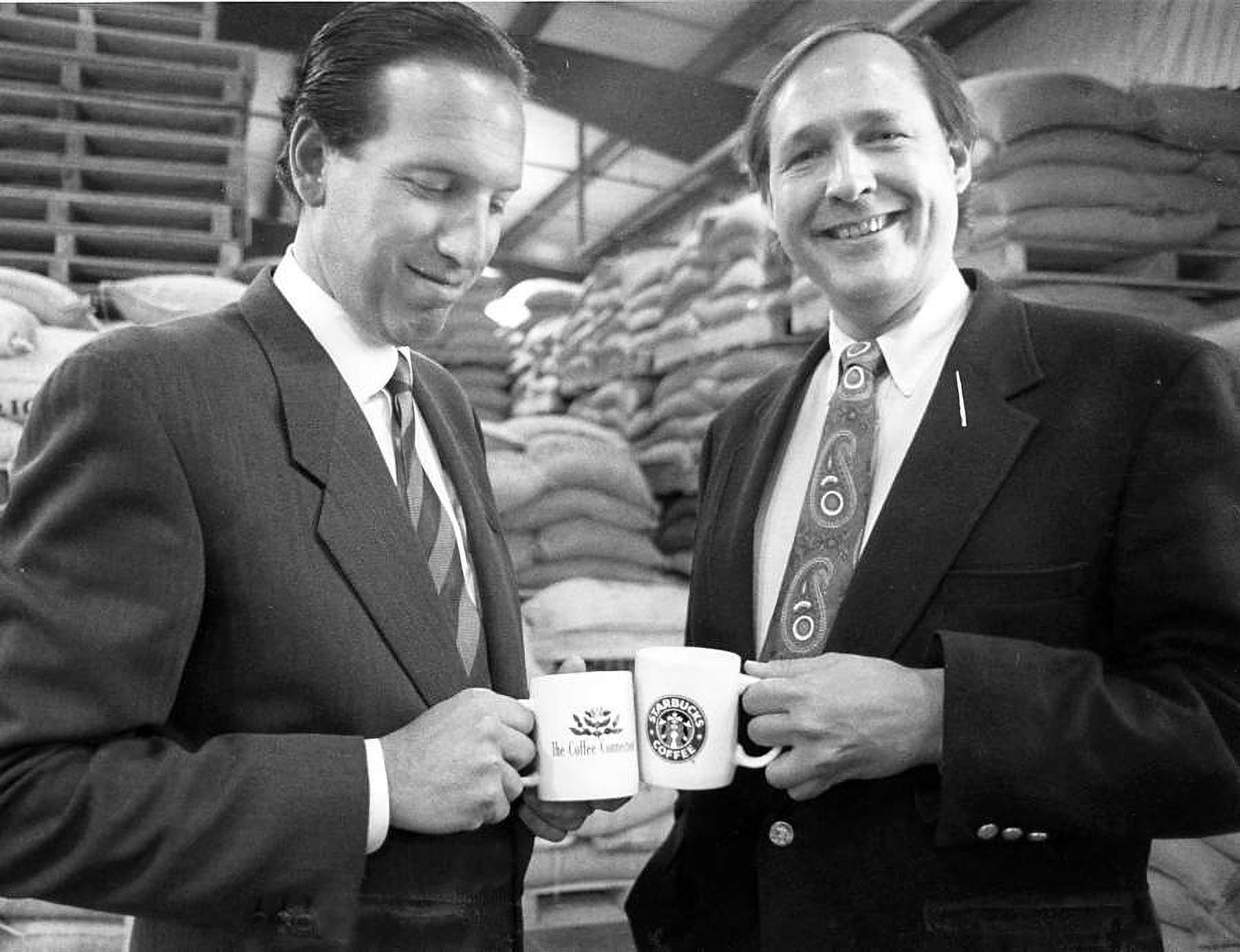
Some well known figures in specialty coffee have come out against co-fermented coffees, such as Scott Rao and George Howell. However, it’s also of note that both are a little bit old-school, long-time coffees guys, who were initially pioneers of coffees 2nd wave. Scott Rao to this day, still say’s in his bio that he doesn’t know why anyone would drink Natural processed coffees. And if you look on his coffee roasters website (Prodigal) they are all Washed coffee offerings and yet some (at least 1) Anaerobic + Washed and a White Honey process (the coffee is de-pulped and rinsed, leaving a bit of the mucilage intact during drying) - though still no naturals and certainly no co-ferments. George Howell sold his chain of East Coast USA coffee shops to Starbucks, way back in the day, he was once a dark roast, traditional washed coffees only, guy. In his view, co-fermentation represents “a new age of flavored coffee,” a means of sneaking non-coffee flavors in through the back door after years of their exile from the specialty realm. You wipe out the very miracle of what coffee can taste like”. To this day there are even very few Natural processed coffees on George Howell’s website but the fact he does now sell them shows he’s sort come around, thus spurning his famous line: “I always have a hat that’s made of chocolate in case I have to eat it”.
|
|
|
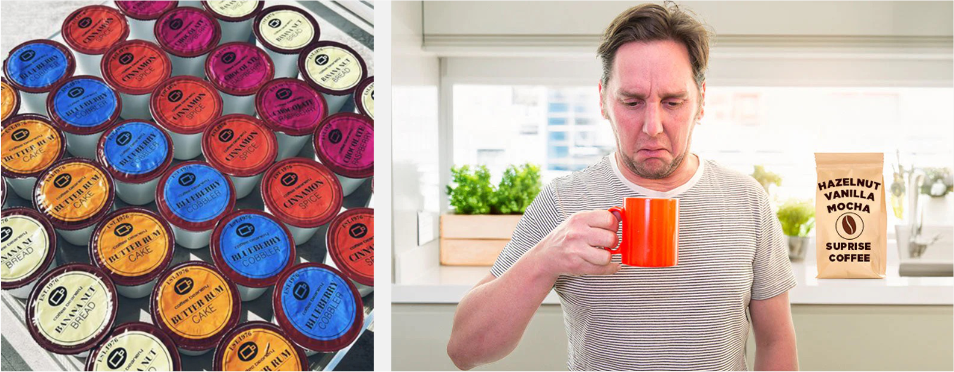
Harsh critics of co-fermented coffees tend to echo these sentiments that they are the modern-day specialty coffee version of flavored coffees. Those coffees are sprayed with sort of artificial chemical flavoring to give them their fake Irish Creme, Hazelnut, French vanilla (despite borrowing the name branding, they sure doesn't follow the cultural way of making those flavors, i.e. no egg yolks are in the vanilla flavoring) overwhelming smell and sort of taste. Those really were a sad moment in popular coffee drinkings history and each December, we tend to be reminded of that mistake. Critics of co-ferments argue that these coffees are over-processed, that mediocre coffee is used because the flavors injected are not the coffee’s inherent flavors but manipulated in to something unnatural.
|
|
|
You may even hear that co-ferments and other more heavily fermented coffees like anaerobic’s, carbonic maceration processed have been kicked out of competition or best of auctions. For example, in the Best of Panama (BoP) auction four submissions were disqualified for being “altered from their natural DNA expression, likely with the intent to score higher and win by using foreign additives,” according to an official statement. In reality what is happening is that in many premium specialty coffee auctions, they are separating the coffees in to new categories by their processing method, with these more fermented processes falling under a newly created experimental category. Tbh, this is the correct evolution of this because at one time only Washed coffees were in competitions like Cup of Excellence (CoE). In time, Naturals crept in and then became their own category, now in competitions like BoP and CoE, natural processed coffees often take first spot - as long as their of the Geisha variety (Geisha varietals are very much the darling of coffee auctions). The rising popularity of natural coffees over the past couple of decades led to what coffee scientist Mario Fernández of the Specialty Coffee Association calls the “processing revolution.” May experimentally processed coffees be the next iteration of Natural processed coffees…
On the flip side, some roasters like Black and White in NC and Push x Pull in OR. have leaned heavily in to heavily fermented coffees. And they’ve gained a strong following amongst coffee connoisseurs as a result. If you ask coffee roasters why they've opted to specialize in offering fermented coffees, in this case co-ferments, they tend to tell you because they tried them thought they were interesting, put a couple on their bar and people came back and said they wanted more of that weirdly fruity coffee. Eventually, due to demand and curiosity these came to took over their menus if the people were asking. This shows that there certainly are a significant number of us (Idk if you like them but I do) who are curious to try them from time to time and find enjoyment in the weird and wild, hit or miss, surprising world of co-ferments.
Proponents for co-ferments turn the flavor manipulation comment on its head by acknowledging that they are diversion from they could be - but that’s by design. They note that co-fermentation can make what might have been a mid-tier coffee more flavorful and interesting; you’re getting the farmers’ handiwork and experimentation in the seed (coffee bean). The wildness of the flavor explosion is what makes them mind-blowing and they’re endlessly curious to try what flavors an “Artisan” producer can craft up next. Enthusiasts will point out that coffee is now going through what has happened with alcoholic beverages; a bombastic phase with creators trying to outdo each other in pushing the boundaries. Like a cinnamon-roll imperial stout or a six-ingredient cocktail made with banana foam, these wild coffees are meant to be fun to taste periodically - are they daily morning drinkers - most would say probably not but that sure doesn’t mean write them off.
|
|
|
The secondary bone of contention is around what exactly is being co-fermented in the coffee and this mysteriousness has Reddit all revved up. This one came as a bit of a surprise to me. I never gave it much thought as being a potential problem and I didn’t recognize there was near as much chatter around this. Earlier I mentioned it’s better to call a coffee bean a seed. This can be said for many reasons and several articles have been written on this topic alone but for now we’ll just look at it from the perspective of how the co-fermented flavors get in to the coffee cherry's “seed”. Since it is technically a seed it is thus designed to absorb water. But it’s also designed to keep things out that are going to prevent it from germinating. That means that the coffee beans in the co-fermented vat wouldn’t really absorb the strawberry, peach, mango, eucalyptus, etc etc flavors so easily. And even if they did, then there’s the high-heat roasting environment, which kicks off a cascade of incredibly complex Maillard reactions, the chemical process that creates distinct tastes in browned foods like a seared steak, a crusty loaf of bread, or, of course, coffee. For a volatile flavor molecule to make it out of a fruit and into the coffee bean, survive the heat of roasting, and then express itself in your cup is kind of a modern miracle.
|
|
|
And so, as usually happens in internet forums, conspiracy theories proliferate. Some will say with confidence that fermentation with fruit has all the impact alone. Others, including producers themselves are beginning to point out that just throwing in chunks of whole fruit alone won’t materially change much. Instead the coffee seeds may be soaked in a sugar-rich environment of concentrated fruit juice. In this scenario, water flows out of the seed while flavor soaks in, a process called “osmotic dehydration”. Still others raise the possibility that some producers are discreetly adding less natural sources of flavor to their beans, such as flavor extracts or dehydrated fruit powders. This was the concern posed to me by someone on the support line. I was taken aback by the allegation, but then also nobody can say for sure, so much of this is coming via speculation, currently. So, I reached out to Kenny at Sun Bear who recently brought the April 15th Rare & Delicious Peach co-ferment. I asked him to reach out to the coffee importer for Sebastian Ramirez an ask, and was surprised by their response. The supplier said: “So producers are starting to be more transparent with their co-ferments. Almost all co-fermented coffees use some sort of natural flavor enhancer to boost the flavor of the fruit in fermentation”. I pushed for more detail and transparency on what is a “natural flavor enhancer”, I’ve yet to hear. It’s this lack of transparency that has some people up in arms.
|
|
|
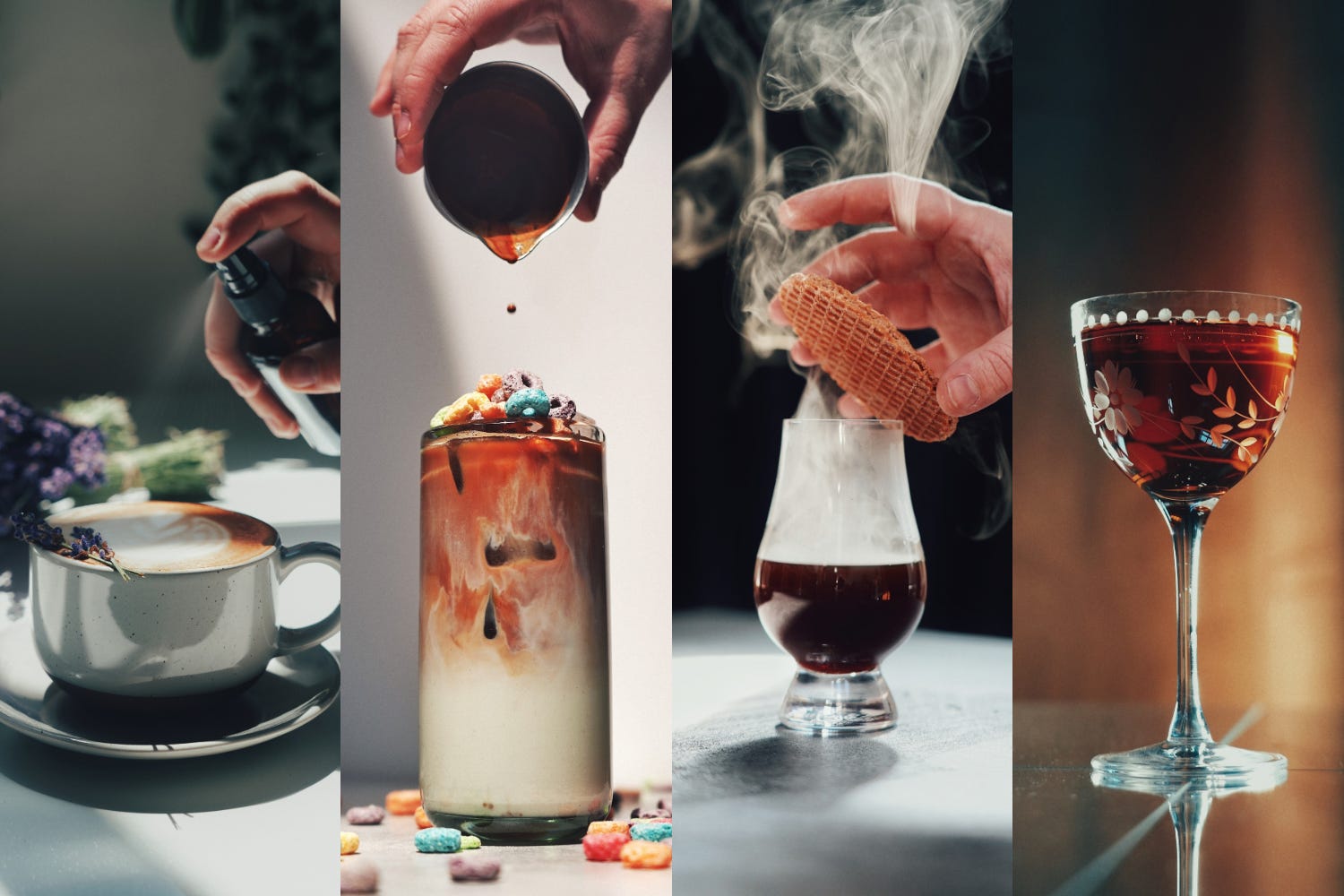
On the flip side, Kyle Ramage, of Black & White coffee brought out that one also has to be wary of pushing back too aggressively, noting that producers have a genuine interest in protecting their trade secrets. He said “I can’t in good conscience say, ‘Tell me everything you’re doing or I’ll never buy coffee from you again, that feels pretty colonial.” Truth is anyone can do whatever they want and say whatever they want and call it whatever they want, because there’s no standard or regulatory body. So suffice it to say, this is drawing some adverse reactions. Concerns of allergens and artificial flavors are weighing heavy on this category of coffee. One can also argue that it’s hypocritical to insist that coffee growers and processors abstain from fermenting with fruits and spices, concentrated juice and "flavor enhancers", while coffee shops serve all kinds of adulterated signature drinks with their fair share of artificial flavor enhancers. You’ve got baristas making lavender lattes and matcha lattes and all these interesting, multicultural flavors. It’s only natural that processors want to get in on the act. A successful co-ferment can transform an unremarkable coffee into one that roasters will pay a premium to source - by some accounts, that’s art.
|
|
|
These coffees are grouped under the experimental process category for good reason; truth is they aren’t meant to taste as you’d expect a traditional coffee would. If I can conclude with one last opinion, it’s that the controversy around co-ferments is mostly arising from wrong perspectives attributed to them. Instead, maybe it’s time to adopt the perspective that the cultural status of specialty coffee has finally become secure enough with itself to be less serious and have a little fun. Cupping these coffees side by side is an illuminating experience, showcasing the wide range of flavors from sangria, to peach to coconut lemonade to grapey flavors, is in a word, fun. And for those who’ve never cupped them side by side other co-ferments, their first time is kind of mind-blowing - you’re guaranteed to see their eyes get big because the wide range of flavors is so easily discernible. I doubt that co-ferments will substantially displace "conventional" coffees, but they nonetheless have a legitimate role to play today, in what many are calling “a time of peak beverage innovation”.
|
|
|
Finally, to play devil’s advocate, I appreciate specialty's tenet of transparency and would love to see more producers volunteering more detail around their co-ferment ingredients. This would be a wonderful way to distance themselves from the nauseating sugary concoctions of drive thru’s, that may some day be the leading cause of cancer for Gen Z.
Btw, if you have do happen to have some co-fermented coffee sitting around (maybe found a bit over-powering for your mornings), I have found success using it to make my own, "hint of fruit, blend. Just mixing in about 10-20% gives a noticeable hint of something neat but yet isn’t enough to overwhelm the enjoyable traditional coffee flavors from still coming through. Despite all the naysayers or the die-hard fans of co-ferments, I see longevity in this genre of coffee becoming an important minority component in blends - the yet undiscovered country specialty roasters have been slow to explore - so far.
|
|
|
|
|
|
|