|
|
|
|
A song for your Sunday listenin' pleasure.
The coffee, wine & cocktail/mocktail currently consumed around here.
APRIL’S RARE & DELICIOUS
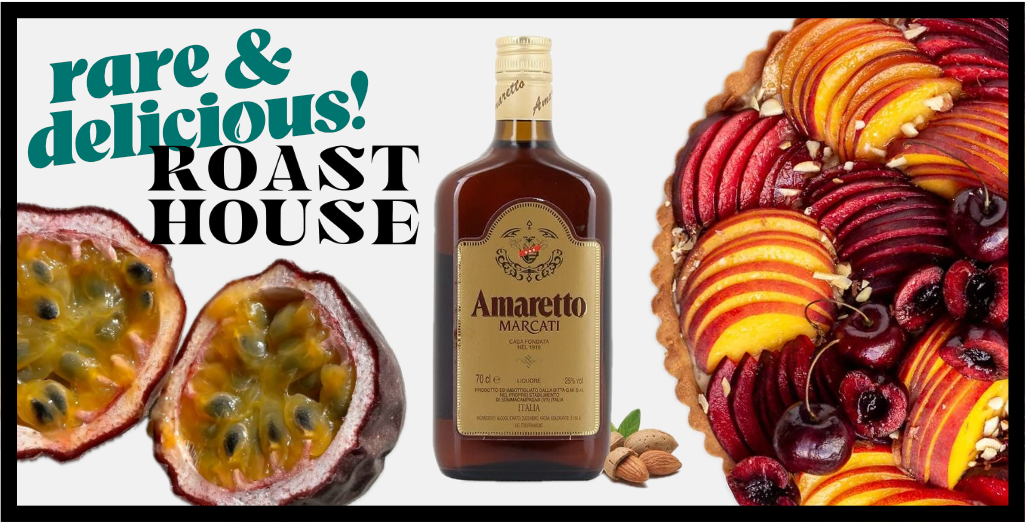
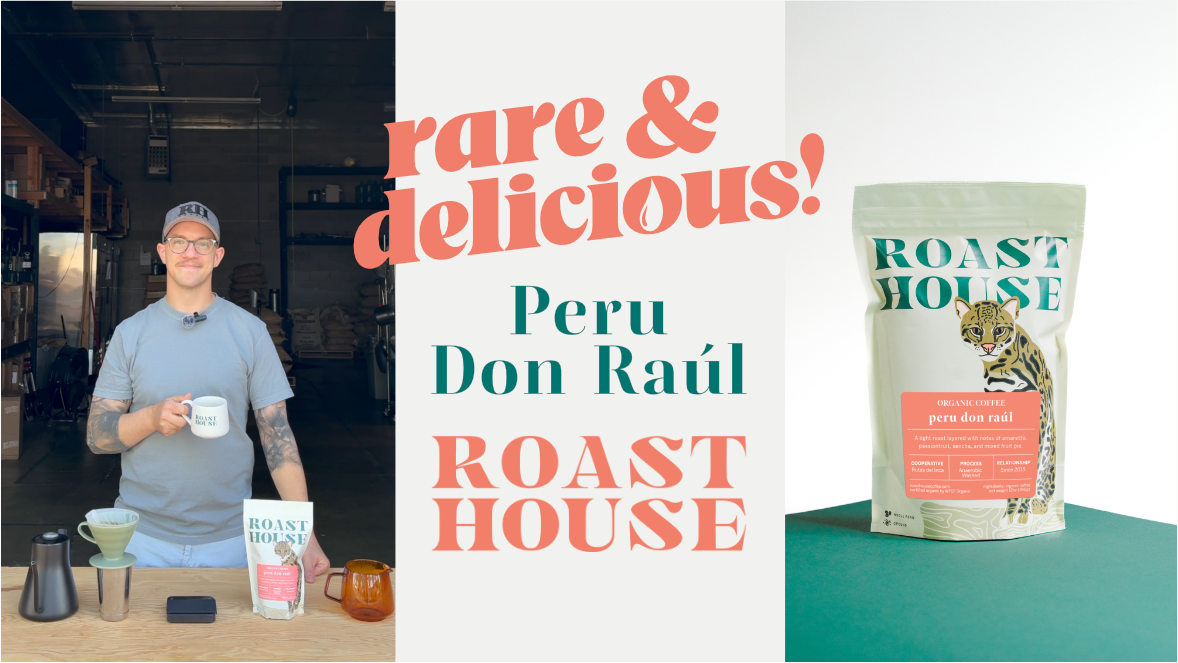
Roast House brings us this month’s RARE & DELICIOUS - Don Raúl’s Anaerobic + Washed lot from Peru!
PICK 6 COFFEES
Six genuinely delicious coffees from Roast House!
WINNERS & HOW TO BE THE WINNER
THERE’S ALWAYS MONEY IN THE [COFFEE] STAND
|
|
|
Hey
SUP,
Hope things are good & plenty with ya.
Today is part 2 of 2 - this time looking at the Actually lucrative side of coffee retailing, as it stands now.
AND OH YEAH, RARE & DELICIOUS RELEASE DAY
Welcome and Be Welcome!
|
|
|
|
Roast House scored this coffee amongst 3 other specialty coffee roasters and the licensed Q-Graders at the cooperative's headquarters at an 86. They tasted a ton of tropical hard candy notes like passionfruit, juicy fruit gum, yellow cherry, apple, with a honey-like aroma at origin.
|
|
|
|
PERU DON RAÚL - AT A GLANCE
COUNTRY: Peru
REGION: Querocoto
FARM: Rutas Del Inca Cooperative
PRODUCER: Don Raúl
PROCESS: Washed + Anaerobic
VARIETY: Catimor
ELEVATION: 2425 meters
TASTING NOTES: Passion fruit, amaretto, mixed fruit pie
|
|
|
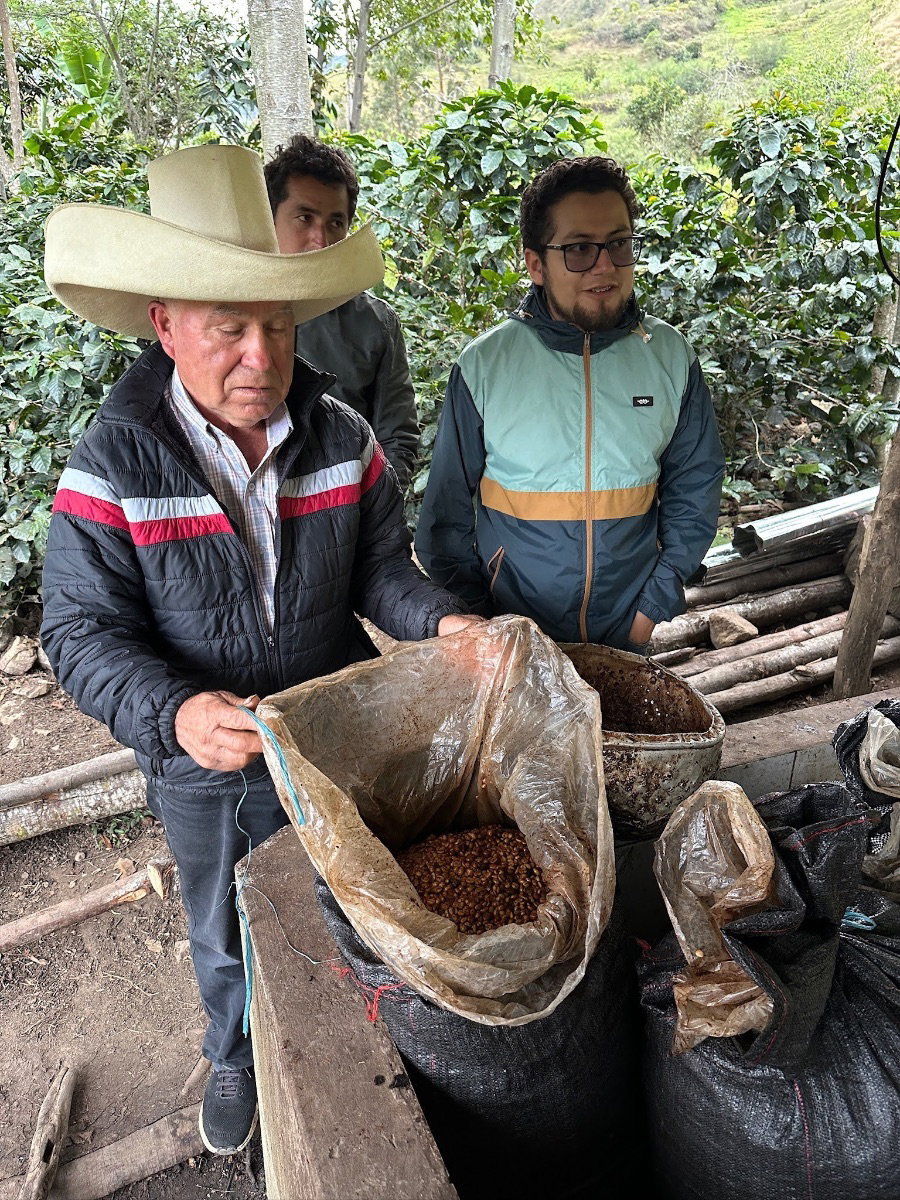
Don Raúl is a founding member of the organic certified cooperative, Rutas del Inca, that Roast House has been sourcing coffee from since 2015. In 2025, Roast House had a chance to visit them in Querocoto, Peru and buy directly from his farm. Often his coffees contribute to the cooperative's total volume and are meticulously blended to make a "community lot." Since they were there, they were able to separate out his coffee, pay a premium direct to Don Raúl and his family to source this anaerobic washed lot of Catuai! His farm sits at 2,000 masl with an insanely thick forest of coffee shrubs. He has his own wet and dry mill to process coffee immediately after picking, which is extraordinary to see.
This particular lot was processed by placing the freshly picked cherries into grain-pro bags right next to the shrubs, allowing them to ferment before being sent through this shiniest of purple de-pulper's. The coffee seeds (beans) covered in mucilage are then dried on the mountainside before being transported by donkey down to the cooperative headquarters, a two-hour journey to descend the mountain.
|
|
|
|
Enjoy this video of Aaron Jordan, of Roast House Coffee, tasting the Peru Don Raúl!
|
|
|
A show-stopping coffee - Marquee Pop has tasting notes of cane sugar and red pear, with a finish so clean and polished it earns a standing ovation every time. This Don Eli coffee comes from the Anfiteatro lot on the Montero family's La Pastora farm in Tarrazu. The lot gets its name from the land itself, which terraces down like the seating of an amphitheatre.
|
|
|
|
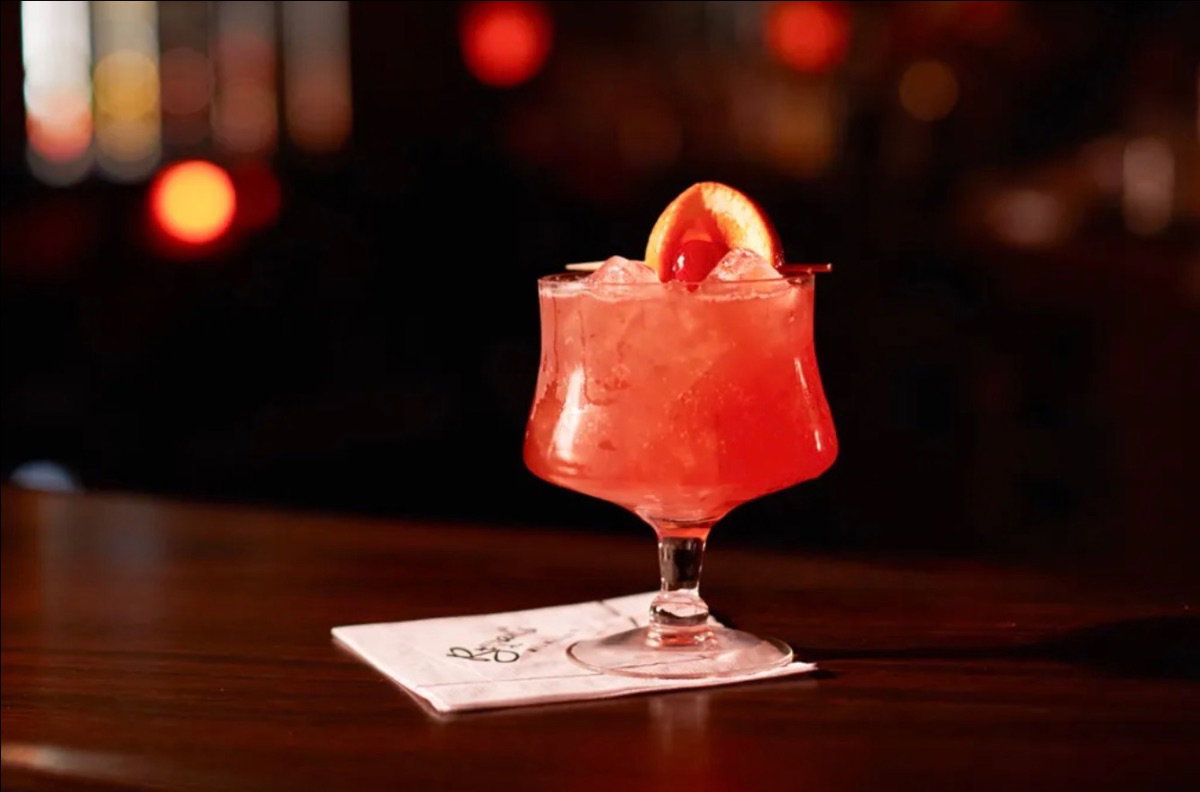
COCKTAIL: Bryant’s Wisconsin Old-Fashioned
INGREDIENTS:
- 1/2 ounce simple syrup
- 5 dashes Angostura bitters
- 4 ounces soda, divided*
- 2 ounces brandy
PREPARATION:
- In a 12-ounce footed Old-Fashioned glass (of course, glass is optional), add the simple syrup, Angostura bitters and an ounce of soda.
- Swirl these around the glass, allowing the ingredients to mix, creating a light foam. You should be able to smell the bitters.
- Add the brandy, fill with ice and top with the remaining soda.
- Garnish with a cherry and orange half-moon.
*For a “sweet” Old-Fashioned, use white soda, like Sprite or 7Up; for “sour,” use a grapefruit soda, like Squirt; for “press,” use seltzer water or half seltzer, half white soda.
|
|
|
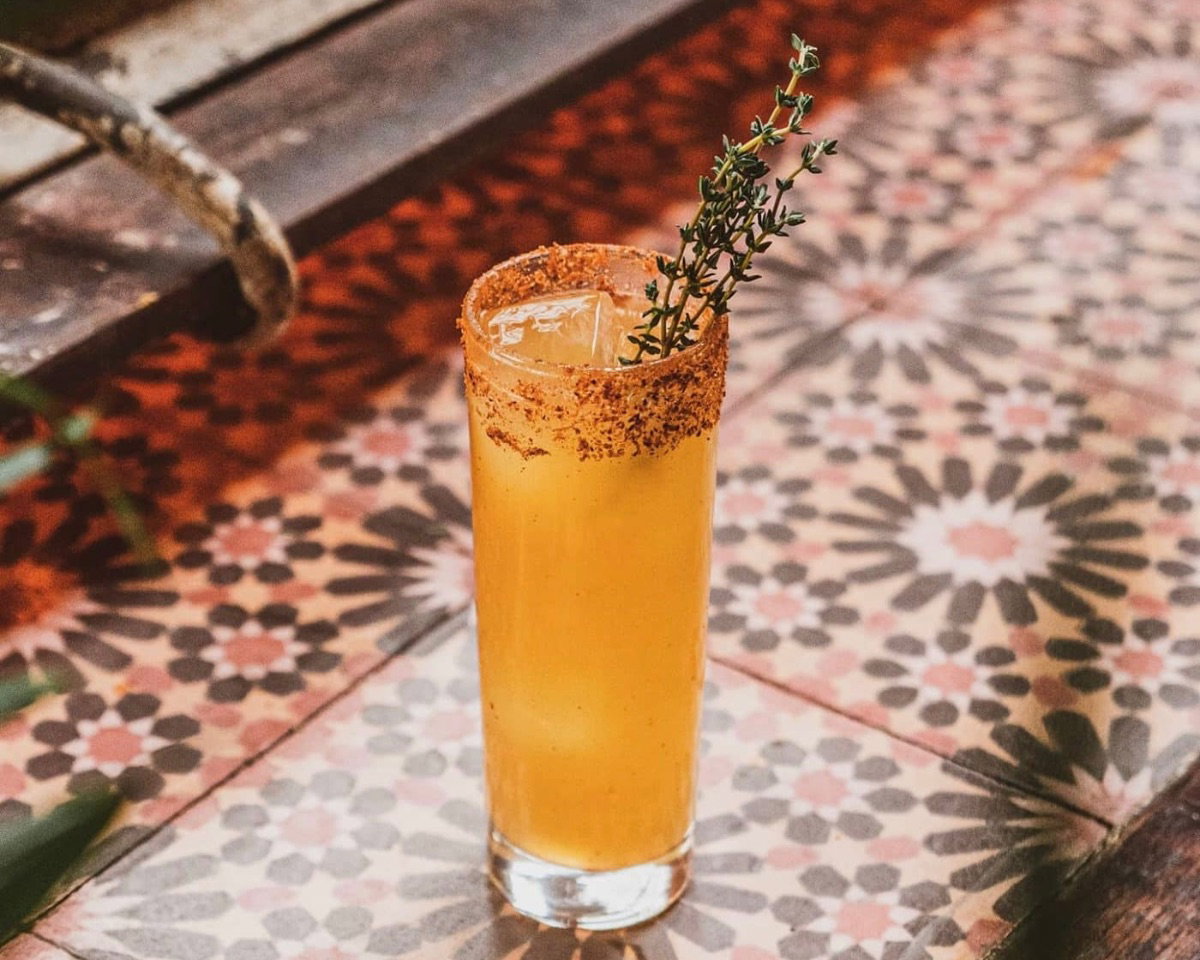
MOCKTAIL: It’s About Thyme
INGREDIENTS:
- 1 oz Grapefruit cordial*
- 1 oz Fresh grapefruit juice
- 3/4 oz Brewed Rooibos tea
- 3/4 oz Fresh lime juice
- 2-3 oz Club soda
- Splash of ginger beer
PREPARATION:
- Add the first 4 ingredients to a shaker with ice. Shake to chill, then strain into an ice-filled glass.
- Top with club soda and ginger beer.
- Optionally Garnish.
*GRAPEFRUIT CORDIAL:
Combine 3 1/4 cups of fresh grapefruit juice.
4 1/4 cups of white granulated sugar.
The peel from 1 grapefruit.
1/2 tsp. of thyme.
1/4 tsp. of crushed white peppercorns.
1 star anise
In to a sealable container.
Stir to combine and let sit for 24 hours.
Strain through a fine mesh strainer and keep refrigerated.
Will keep for up to 1 to 2 weeks in the refrigerator.
|
|
|
"Bright ruby red. On the nose, juicy blood oranges, fresh wild strawberries, cherries, followed by floral fragrances, distantly reminiscent of stone fruit, inviting and expressive. On the palate, a very juicy approach, tightly woven tannins, expressive fruit, floral and radiant, yet very accessible and smooth, a Chianti Classico star!" - Falstaff
|
|
GAJÓWKA
by Bassvictim
Bassvictim is a London based duo comprised of Polish-English vocalist & writer Maria Manow and American-English producer Ike Clateman. They both met in Berlin in 2022 to mutual dislike, until reconvening four months later outside of Peckham Audio in London. Ike came up with the band name at said party due to the bass being “too intense.”
|
|
|
|
Featuring six coffees from ROAST HOUSE!
|
|
|
ANY TIME A NEW RARE & DELICIOUS IS DROPPED - YOU KNOW WHAT THAT MEANS...
3 PEOPLE GET TO SEE IT BECOME FREE
SNAG IT
*Winners will receive a rebate in the form of applicable site credit and are announced in next week’s Sunday Sippin’!
|
|
-
Katie James
- Kyle McConnell
- Rupak Karnik
|
|
|
If you recall, last week we talked about where the big conglomerate boys in coffee all want to play - the RTD market. However, ever-increasing competition is making this a rather over-crowded category, meanwhile price-fatigue is setting in, as the US government spurns inflation worldwide (RTD is greatly affected by transportation costs fluctuations). The coffee congloms poured billions in to this segment of the coffee market, first by means of acquisitions and/or then massive infrastructure build-outs. Now, that holy grail promise of blue sky returns is becoming more of a hope.
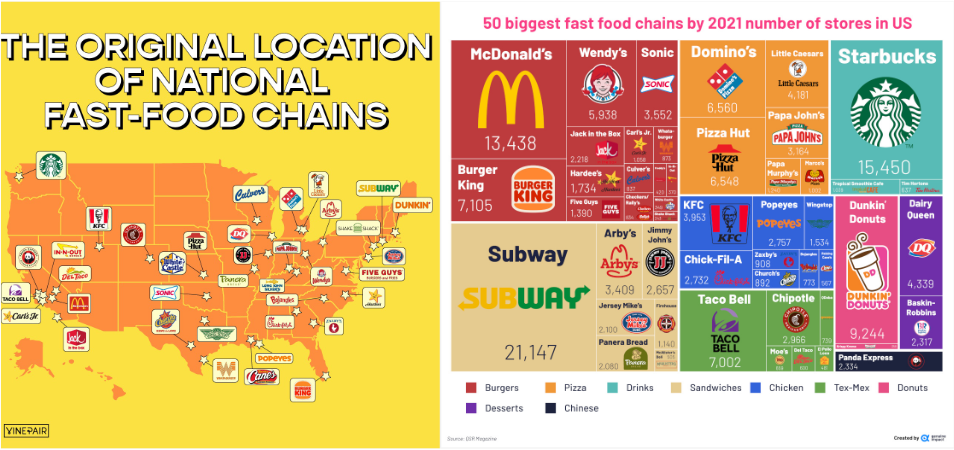
A different proverb: "What's old is new again" (there is nothing new under the sun) is currently proving true - this time in the form of franchising. Franchising instantaneously brings to mind fast food because of its inherently difficult nature to control standards and uniformity. Whereas McDonalds first figured out the method to success with this model was found in automation - well that’s what the movie the “The Founder” taught me anyway. It’s true though, the less left to interpretation and the more left to automation, the more consistency - not quality - but certainly uniformity. Starbucks founder Howard Schultz famously shunned any concept of franchising, touting that complete corporate ownership ensured quality control of the output. And yet for all his talk of going the other way, he admittedly took a page from McDonalds. He leaned hard in to automation replacing all manual La Marzocco espresso makers with automatic ones. He modified the coffee roasters they use to be hotter as Starbucks leaned heavily in to dark roasts amidst clever marketing around it being how the inventors of espresso - the Italians - do it. Coffee is a food that tastes different depending on where it’s from, the type (varietal), the process, the quality (cupping score), etc variables - but he realized you could mask most variables by simply over-cooking it. This way the coffee tasted the same in Timbuktu as it did in Pike Place market, Seattle and why they made it a priority to be in every airport around the World - you knew what to expect. In the end Starbucks has entered in to many joint ventures or franchises in other countries or in venues they can’t get in without a partnership. They even caved and did actual franchising in the UK , as we'll explore more today. And quite recently they sold off a majority controlling stake in their Chinese market, meaning they're no longer in control of their 2nd largest market.
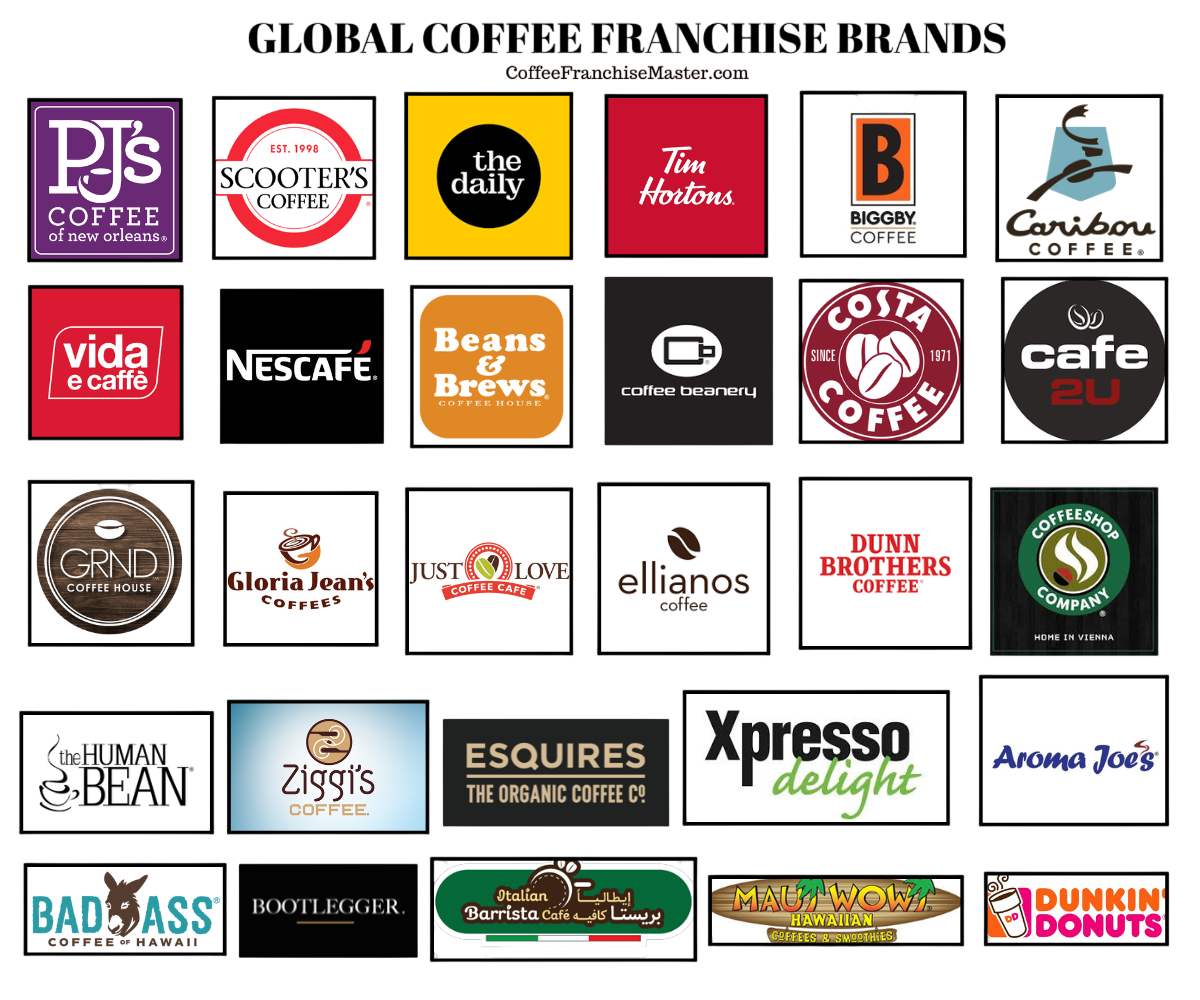
Franchising was, prior to Starbucks, quite common for retail coffee shops. It was quite common to find a large chain of corporate shops pre-Starbucks. Even SBC, Starbucks one-time arch rival, whom they later bought and eventually shelved, was a large franchisor. Peet’s too had several franchises but then slowly moved toward corporately owned stores which make up the bulk of their footprint today (now they've completely reversed course and want their store growth to be mainly franchised) Third wave coffee followed the path of the second wave corporate juggernauts ancestors. Making it clear that franchising their locations is not on the table now or long-term. You can call it a mix of ego and strategy, they just needed to be fiercely protective of their brand in order to create awareness for their RTD products in order to enable their ultimate exits, as we covered last week. They weren’t ever actually looking for a large retail footprint in several markets. They only needed a visible presence in certain strategic markets - namely major cities.
|
|
|
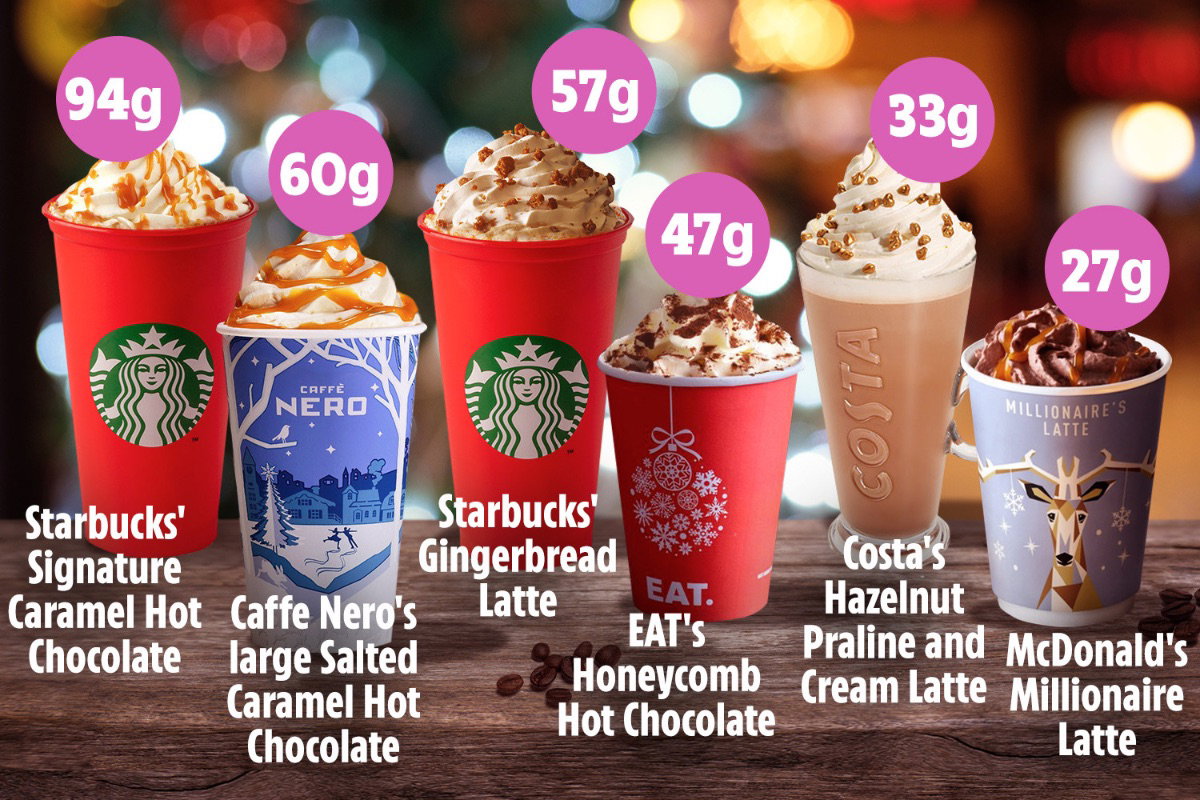
Now we’re in a new genre of retail coffee - the genre of what I like to call “candy-bar drinks” or better yet, “dessert you suck”. Being that the focus is perhaps a lot less on the artisan side of coffee and more on the many sugary flavorings, automation not just works it plays nicely. The focus is on a quick reward or pick me up, it’s less about experience. In fact there is no experience, you're not supposed to stick around after being served through a window. It’s also appealing to a Tik Tok generation attuned to trying the next viral thing, but there always needs to be a next thing because creating curiosity enables loyalty. Enter the coffee stand, aka sugar shack business model - one that is proving ultra lucrative for franchisors. Also, one that is finding less success in metropolitan centers but a ton of success everywhere else - opposite of third wave locales who stuck to major cities.
|
|
|
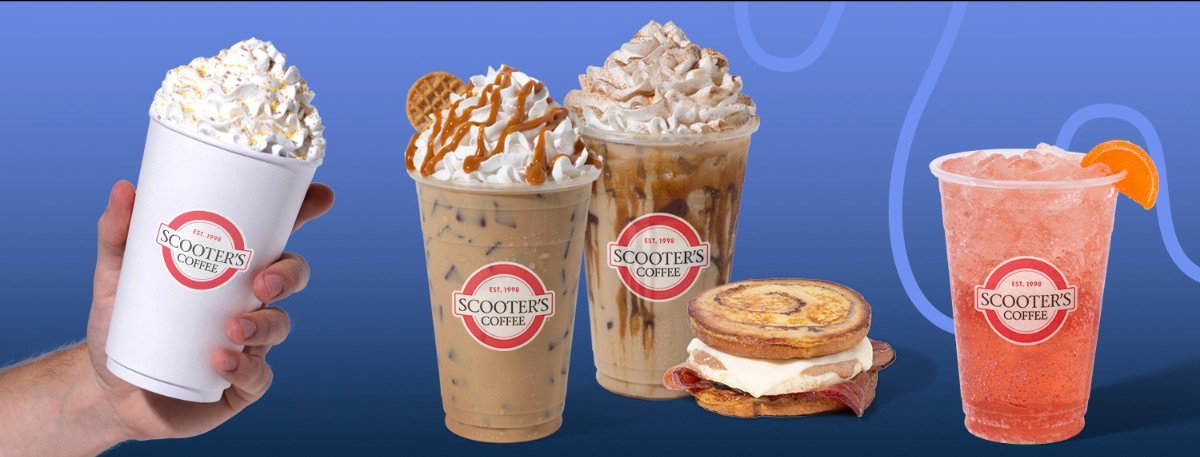
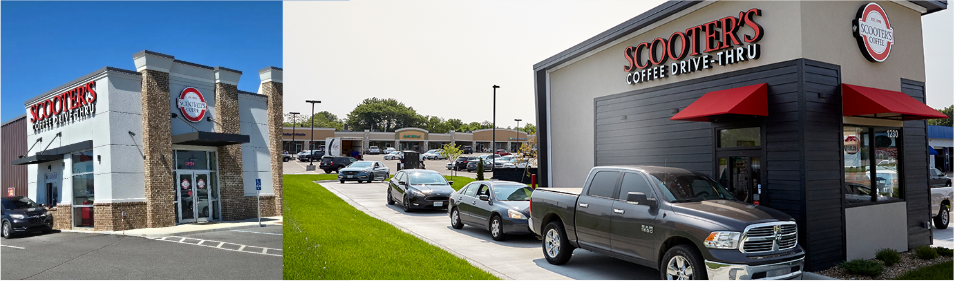
Case in point Scooter’s coffee, that originated in as middle of America as possible - Bellevue, Nebraska, just outside of Omaha. Enter Don and Linda Eckles who in 1998 couldn’t get a bank loan, so they borrowed $40,000 from friends and family to open a coffee kiosk in what used to be a Chinese food restaurant. After breaking even, they opened a second location. By the fifth store, they’d borrowed $150,000 to build two kiosks at a nearby mall, but construction costs nearly bankrupted them. Despite the relatively small build-out cost vs a full coffee shop, they quickly realized they were sacking their company with debt that was barely serviceable even with the newly opening locations aka a zero sum game. But then some family and friends said they too wanted to open some Scooter’s coffee locations and so instead of taking investment, they decided to franchise. Note this was now 2001, when franchising and coffee were not considered en vogue any longer, meanwhile investing in coffee companies was all the rage.
|
|
|
Fast forward 25 years: Scooter’s Coffee now has 912 locations across 32 US states Those franchises pulled in $859 million (approx. £631 mil.) in sales last year. The franchise model is insanely profitable — nearly all costs are handled by franchisees, giving the Eckles’ holding company an estimated 62.5% net margin. Top franchisees post net income margins over 20%. Last year, someone offered to buy the entire company for $1 billion. The Eckles turned it down cold.
|
|
|
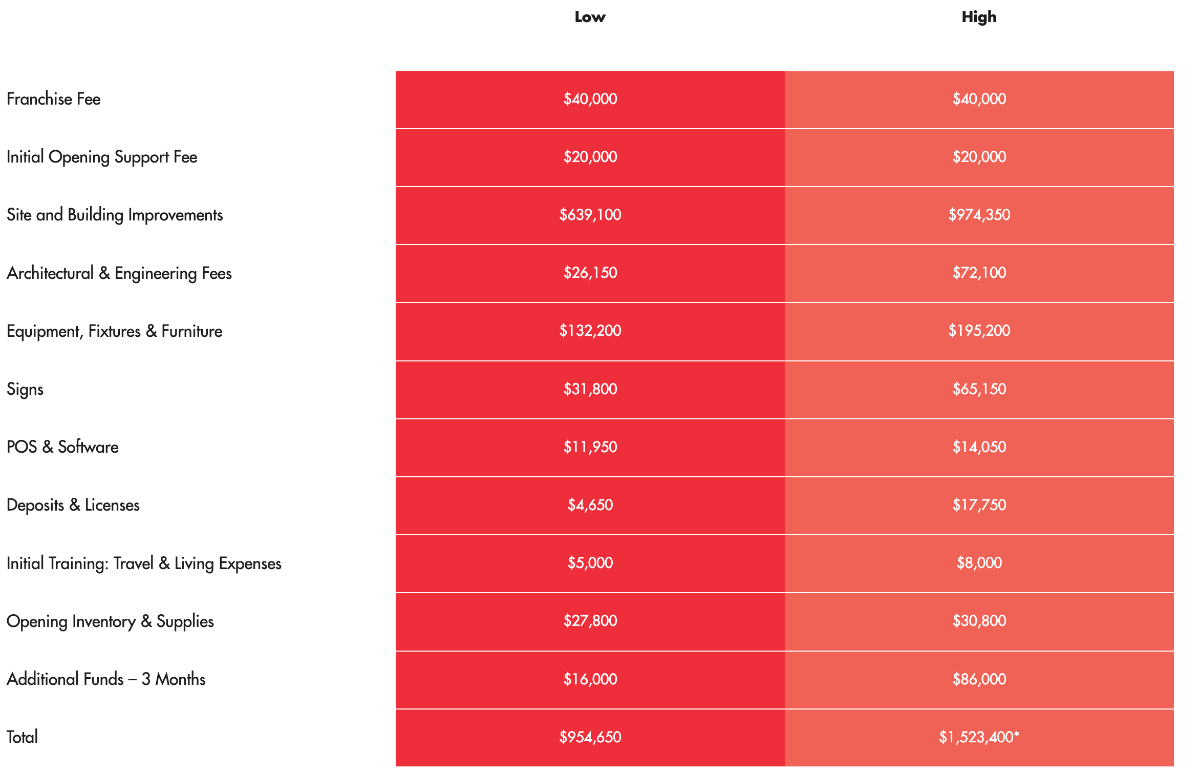
And despite the smaller footprint, primarily drive thru model, the cost for a single franchise is not insignificant. A Scooter’s Coffee franchise startup costs range between $954,650 and $1,523,400 for a stand-alone drive thru Kiosk and $692,150 and $1,053,675 for a drive-thru Endcap in a strip mall. Which includes their $40,000 initial franchise fee and $20,000 opening support fee. Additionally to qualify for a franchise one would need $250,000 in liquid assets and a net worth of $500,000. Once operational, franchisees annually pay 6% of revenue in royalties and another 2% towards marketing and advertising. In 2024 the average unit volume (AUV) was $885,355 annually - based on 605 of 717 Drive-Thru Kiosks and 51 of 55 End Cap Stores that were open for the entire year. The top quartile of their drive-thru kiosks had an impressive AUV of $1,276,780.
|
|
|
Switching gears now, to the perspective of the franchisee, and this time in the UK. Despite Howard Schultz famously saying: “franchisees are middlemen who would stand between us and our customer” Starbucks did eventually give in, in 2013. In the decade that followed, Starbucks first franchisee ever, 23.5 Degrees led by its founders Anil Patil and Mark Hepburn (CEO), grew from 1 store to 113, and from 0 revenue to £100M / $130M+. Between 2008 and 2018, UK coffee consumption surged from 70M to 95M cups, a CAGR of 3%. The out-of-home segment grew even faster, as evidenced from the near-doubling in the number of coffee shops between 2009 and 2019. And let’s not forget that in 2008 the entire world was reeling from a global financial crisis brought on by sub-prime home lending. The UK had 8% unemployment at the time, and yet coffee shops were still red-hot.
|
|
|
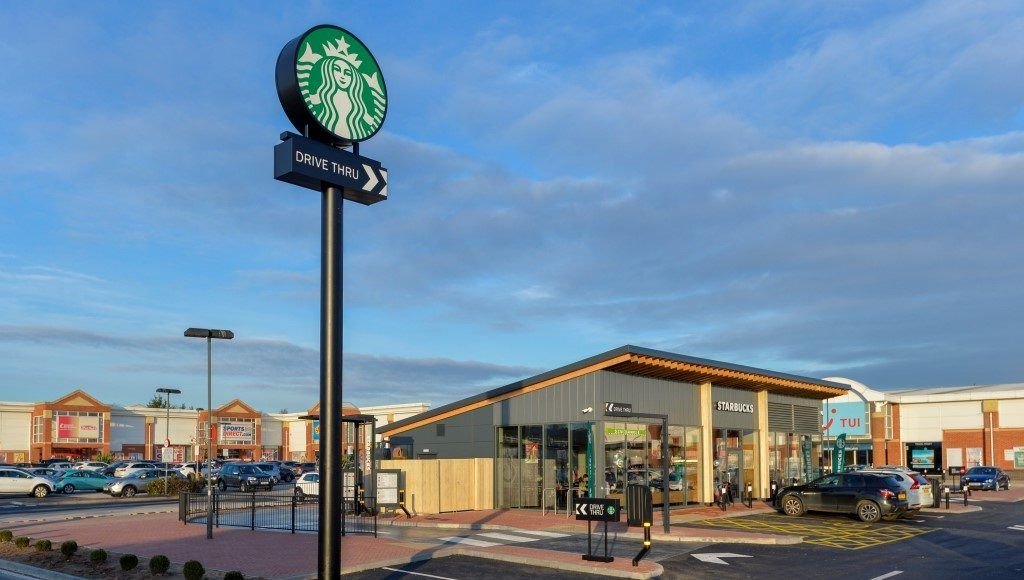
Starbucks was already boots on the ground in the UK operating their corporate stores but was battling with HMRC, the British press and parliamentarians over allegations of unpaid tax. Basically they felt Starbucks was hiding taxable profit, whereas Starbucks replied: “our lack of profitability in the UK is a source of concern. One significant factor is the cost of leasing property in the UK. In the US, property costs amount to around 10% of sales revenue, whereas in the UK [...] 25% of sales revenues. Another factor is that this is a very competitive market to sell coffee and we have to work very hard to attract and retain customers”
In swooped Anil and Mark who convinced Starbucks that franchising was the solution to their persistent UK thorn. Based on these gents prior credentials (they had successfully franchised 18 Domino’s locations) - and their willingness to take on risk. Along with pressure from the Starbucks HQ to grow faster in their #1 EMEA market, and the seeming franchising success - in the form of store growth - at Starbucks’ competitors Costa Coffee and Café Nero, Starbucks acquiesced. 23.5 Degrees was incorporated in 2012 and store #1 opened the following year in Hampshire in the south of England. The initial investment was £2.5M ($3.49M) equity, plus a £3.8M ($5.18M) debt line from Santander. By summer 2015 - 3 years into existence - the Company was operating 14 Starbucks stores across southern England. Sales were growing 100% YoY. Anil and Mark had another 16 stores in the pipeline.
|
|
|
The only debilitating obstacle was of course, capital. The answer they thought was crowd-funding but that was no walk in the park, dealing with inexperienced small investors who struggled with the dynamics of the franchise model.
Enter Connection Capital - an investment syndicate for high-net-worth individuals. Within 6 days, Connection raised £5.6M ($7.635M) from 75 investors: £5M ($6.817M) in preferred equity and the rest in loan notes at 8%. On top of that, RBS (now NatWest) provided a £4.3M ($5.863M) debt facility. 23.5 Degrees used the funding to acquire 16 sites from Starbucks - doubling its network overnight, to 30. After that, it never bought a store again. Instead, it kept opening new ones. 10 to 15 per year, like clockwork.
This all culminated in Starbucks wanting it all back under their complete control. 23.5 Degrees ended up being acquired by Starbucks in 2024, for an estimated $180 million (£132.25 mil.). The clients of Connection Capital, the HNWI syndicate that backed 23.5 Degrees’ first institutional round, achieved a 9x multiple on their in invested capital (MOIC).
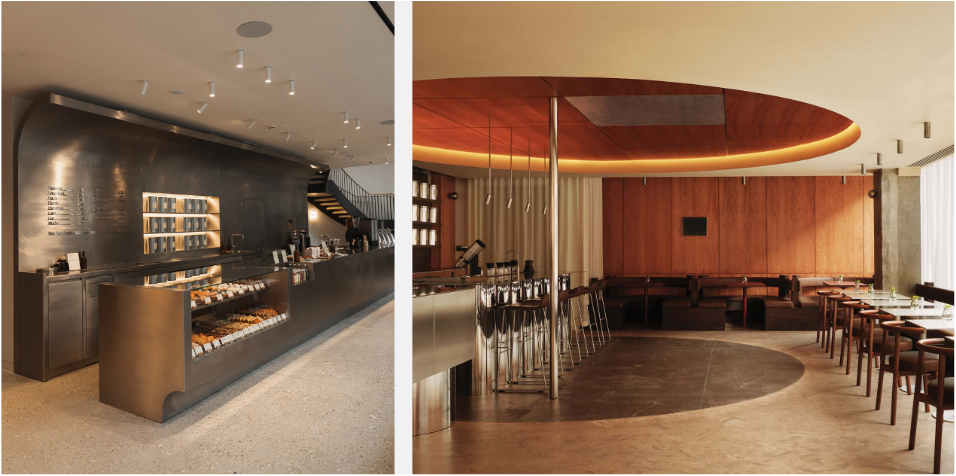
Tbh I’m really someone who has grown up favoring the complete control, company-owned model because it appeared more polished, with less opportunity for brand erosion by ma and pa entrepreneurs trying to cut corners. But mainly the stigma of it being predominant in low-quality, ultra un-healthy fast food chains cheapened the franchise model and thus the coffee, for me. And let’s still face it - we do NOT see any real degree of franchising in specialty coffee. This genre of coffee has retained the artisan over the automation.
Nonetheless, despite so-called coffee purists like myself who can’t, won’t, ain’t gonna be a part of that, there’s coffee business people who are proving there’s real money in the coffee franchise stand. It’s also nice to see the little ma and pa eating some of the lunch of the coffee conglomerates dropping 100’s of millions on acquisitions and RTD’s meanwhile they’re dropping a million and profitable in a coffee stand. Although, even the traditional notion of who the franchisee generally is, is changing. Large corporations are getting in now, for example the owner of fast food outlet Hardee's, signed Scooters largest ever single franchisee agreement for 32 locations. Meanwhile private equity, who historically would buy franchisors, is now gobbling up franchisees investments at a record pace.
Question is; can franchising make inroads in to specialty coffee? And if so, how so? Up and coming specialty coffee retail brands, the ones grabbing headlines by fast-growing their store count - are all keeping them as closely held corporate stores. Instead taking in large amounts of investment dollars to fund that store build-out growth. Franchising has yet to make inroads here, due to this segments intrinsic nature of bespoke artisanship. Thus on the surface, it basically appears impossible at the moment...
However, coffee franchising is now proving it’s once again the darling of the coffee industry in terms of actually turning real profit, so you kind of have to expect our little specialty genre to try it at some point.
I’m happy to admit I've taken a 180° turn on the concept, I’d love to see if anyone can make it a success with specialty.
|
|
|
|
|
|
|