Hi -,
August is a time where we should try and enjoy the fruits of our labour. The hard work we've put in earlier in spring is now paying dividends and the long warm evenings mean we can spend even more time relaxing in the garden. Dahlias, late summer daisies and ornamental grasses are all at their absolute best now, but some of the early flowering perennials may be starting to tire. Therefore, to keep displays looking fresh, snip off any foliage that has started to brown, and help maximise the flowering season by removing spent flowers.
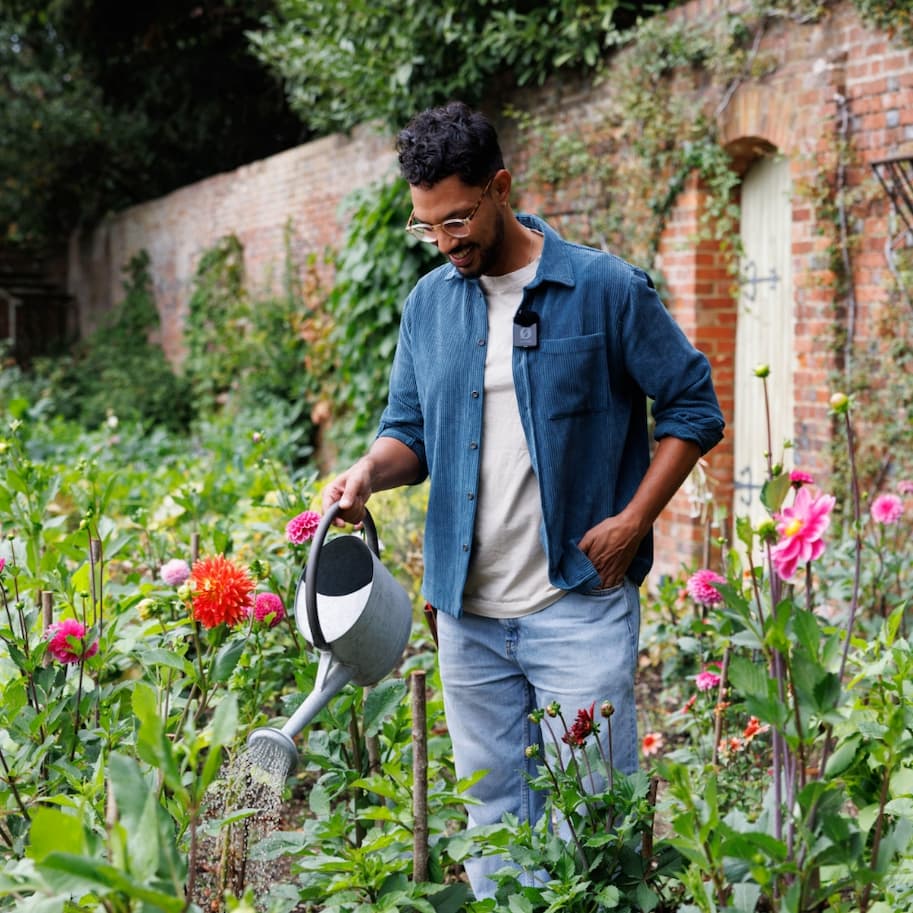
Our Head Gardener Ashley Edwards is full of advice for this month in the garden. |
|
Keep containers looking great
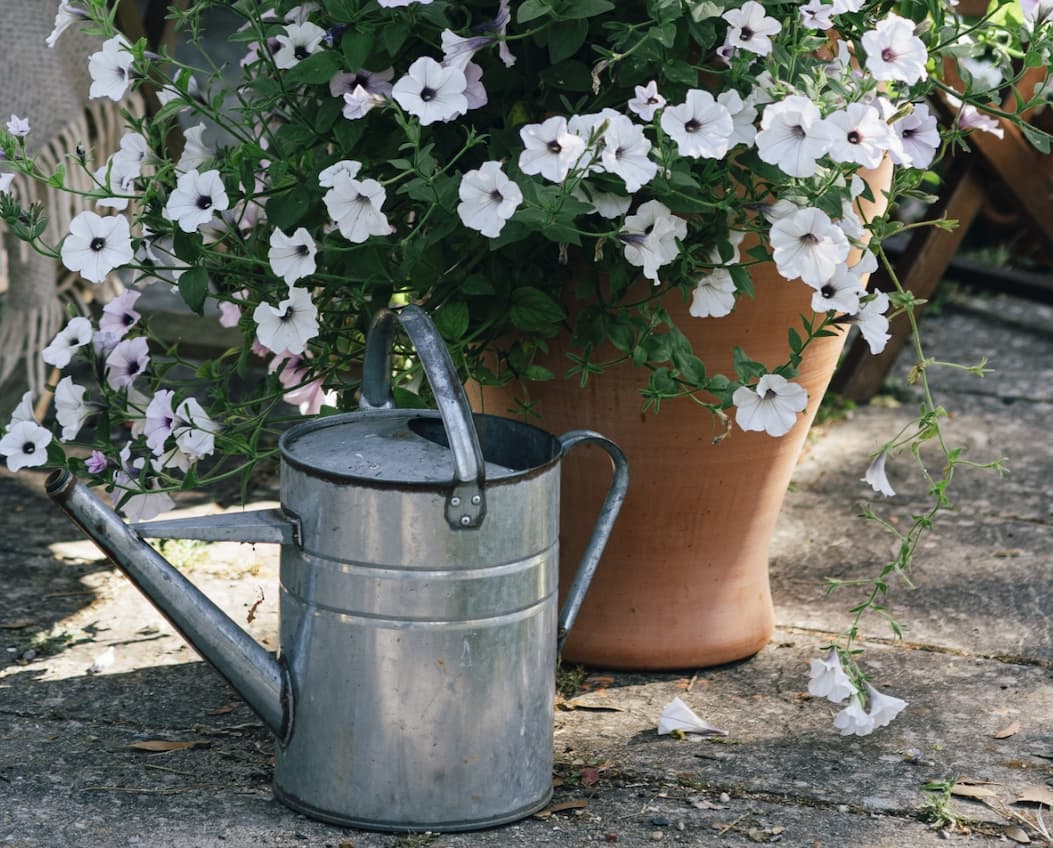
During the hot months of August, containers can dry out quickly and plants can suffer. Even if it does rain, it’s unlikely that enough water will reach the soil of the plant pot. During the hot months it’s good to have pot trays to capture water, and you can keep these topped up for the plants to absorb. They are useful if you're going away for a short break and can help get plants through a dry spell. Terracotta ollas are a practical and decorative way to water your border plants. These vessels are buried up to their neck and then filled with water. The water is released slowly into the soil by using soil-moisture tension, where it then becomes available to nearby plant roots. This technique has been used for centuries and is effective for crops and newly planted shrubs or perennials in a moisture-retentive soil.
|
|
Avoid leggy lavender
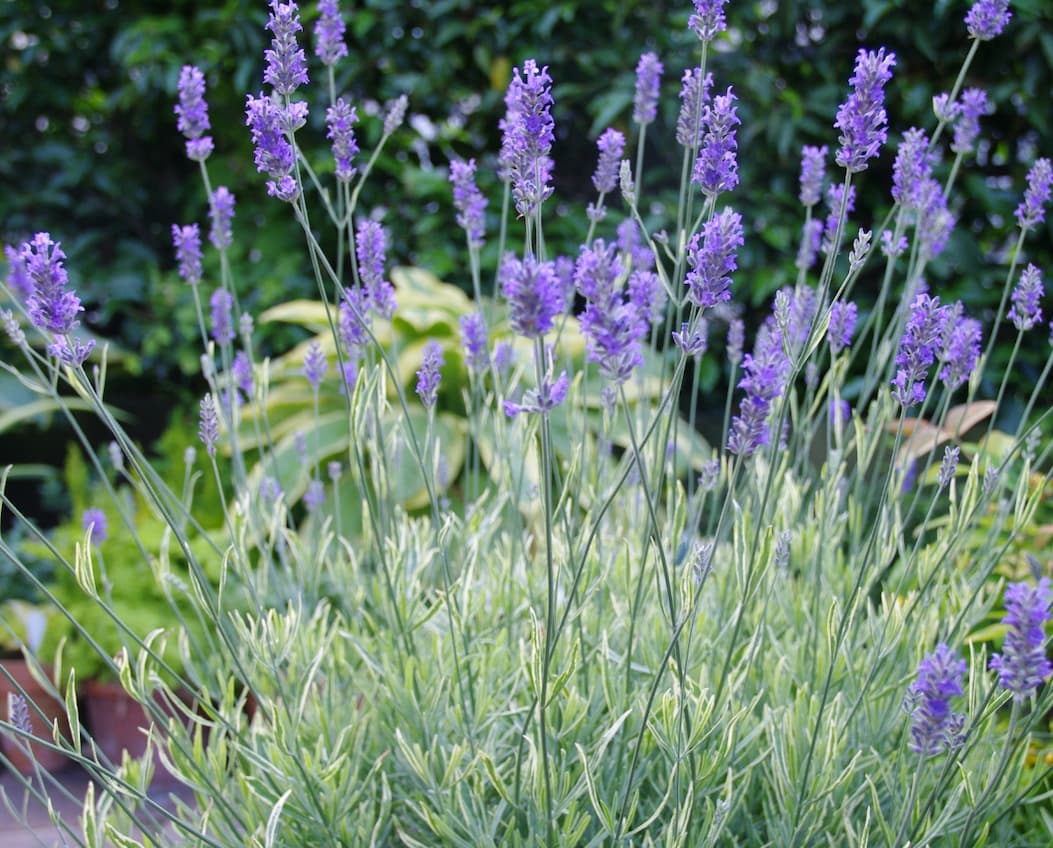
Lavender is a plant that every sunny garden has space for. It’s great for pollinators, has stunningly scented silver/grey leaves along with the flowers which come in a range of colours and have been used for their perfume since ancient times. Lavender thrives in heat and is a great plant for a sunny dry border. They hate having wet feet, so make sure you position your plant with excellent drainage. Lavender is a fantastic choice for pots and there are compact varieties available such as L. ‘Dwarf Blue’ and L. ‘Munstead’. In the garden lavender can become leggy with age. It doesn't generally produce growth from old wood, so it’s important to trim your lavender regularly to keep it looking its best. August is a great time to prune lavender, just as your flowers may be starting to finish. Pruning in August can give you a second flush of flowers and it allows any tender new growth, produced after pruning, time to harden off before the frosts.
|
|
Supercharge summer displays
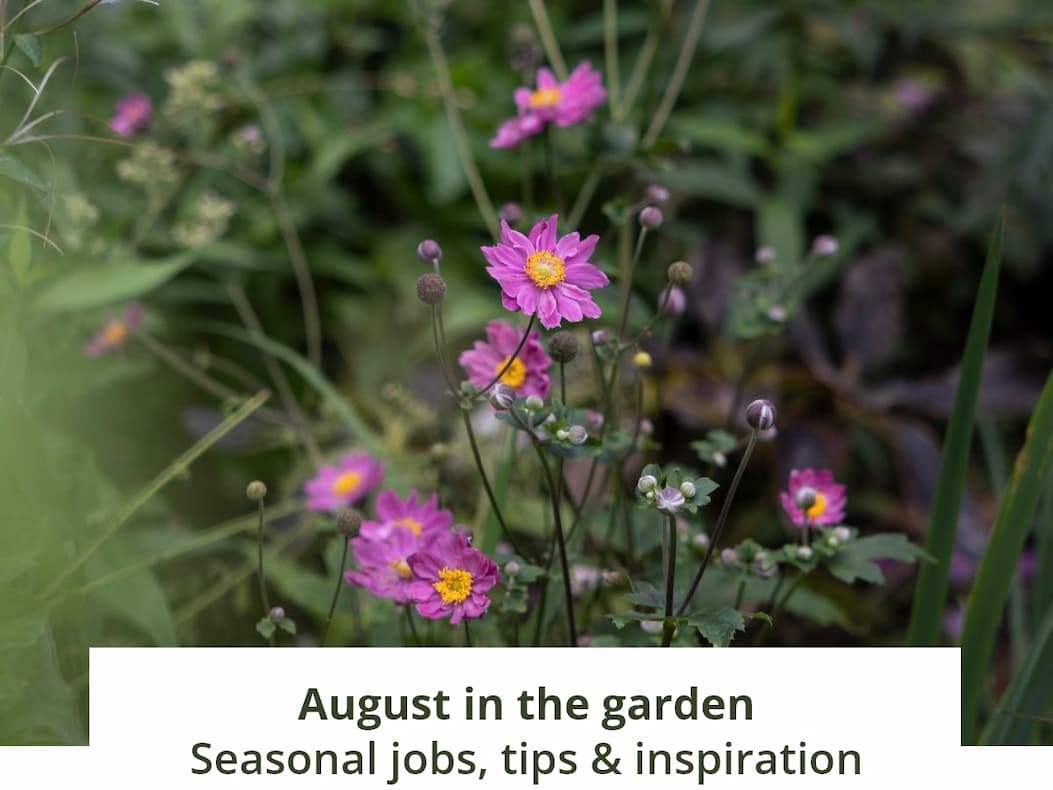
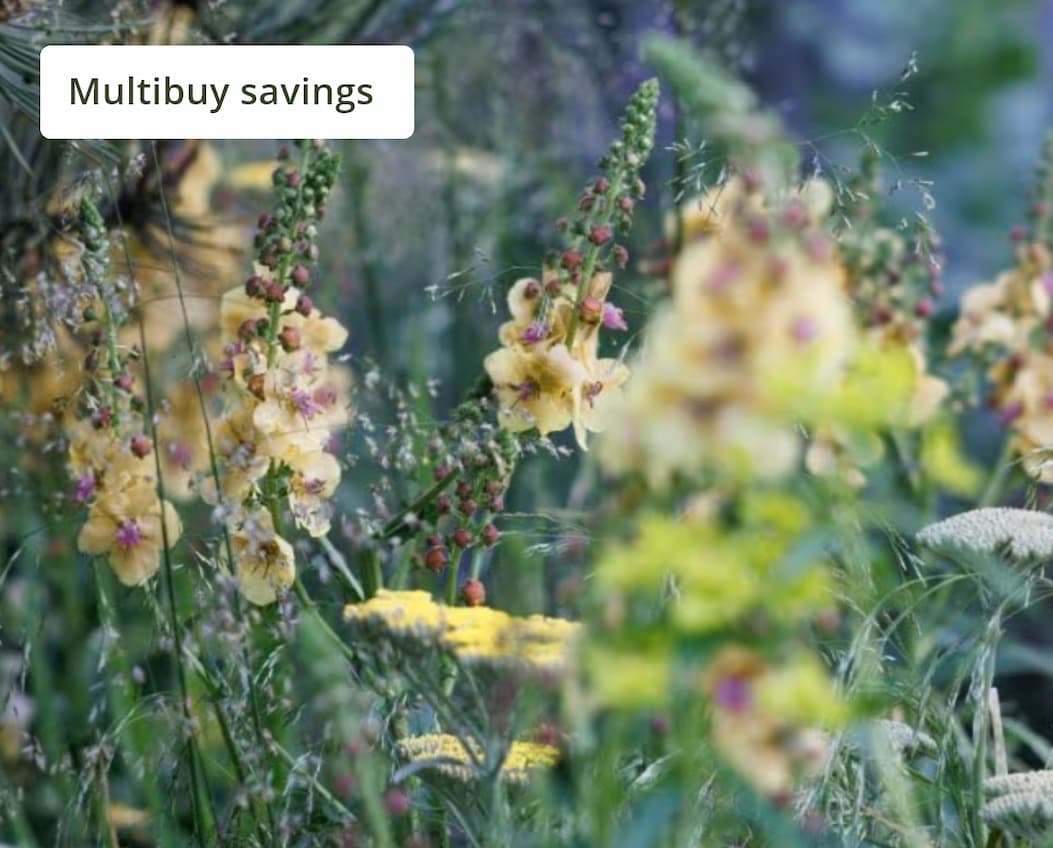
By August, many perennials may be fading, but there’s still time to refresh your displays with plants that thrive into autumn. Consider adding achillea for drought-tolerant colour and pollinator appeal, actaea simplex for dramatic spikes and dark foliage in part-shade, and echinacea or rudbeckia for vibrant daisy-like blooms that continue into the first frosts. Japanese anemones offer soft, graceful blooms in dappled shade, while tricyrtis (toad lily) surprises with exotic, speckled flowers in cooler spots. Many of these perennials work beautifully in prairie-style planting, a naturalistic approach inspired by North America. This style uses repeating groups of plants with varying heights, textures, and forms to create flowing, layered borders. It supports biodiversity, embraces seasonal change, and offers year-round interest.
|
|
Planning for spring
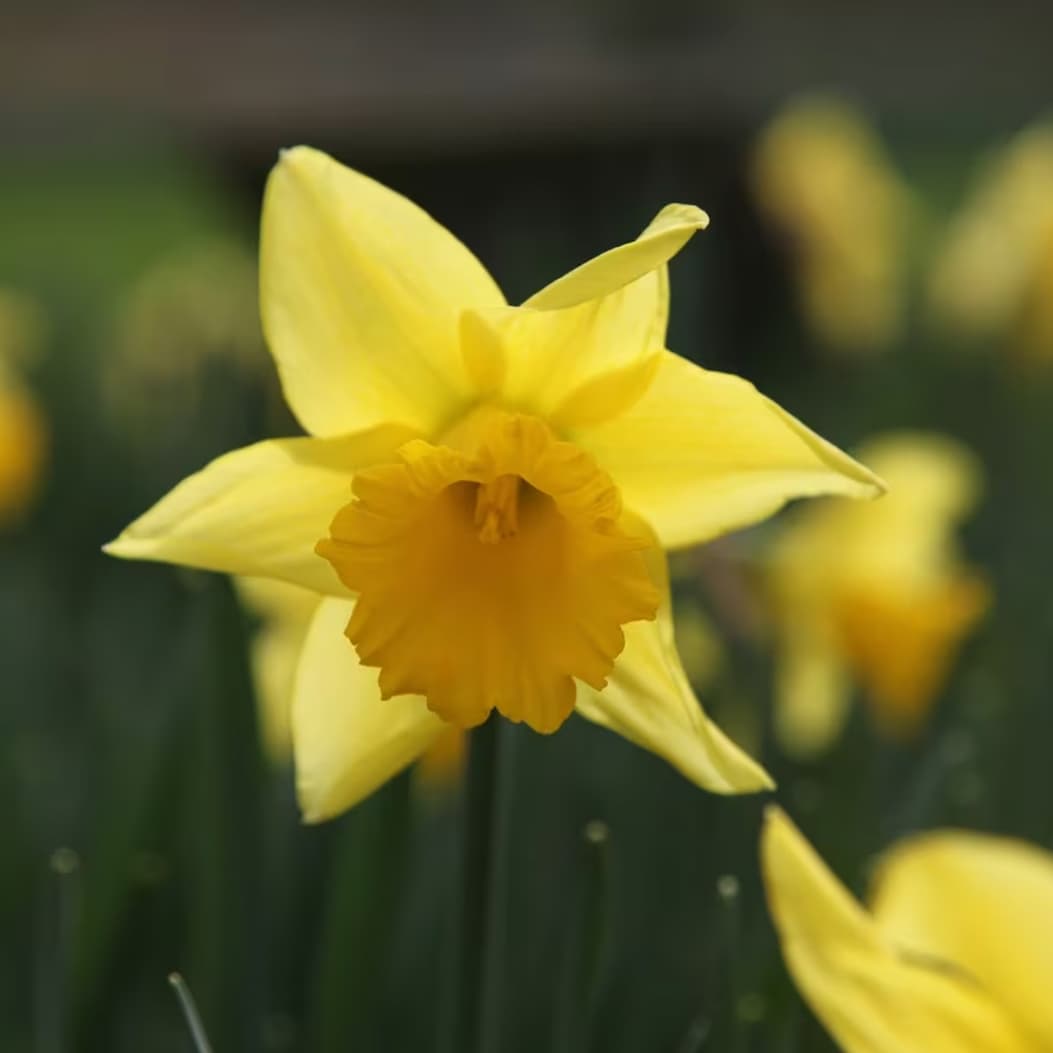
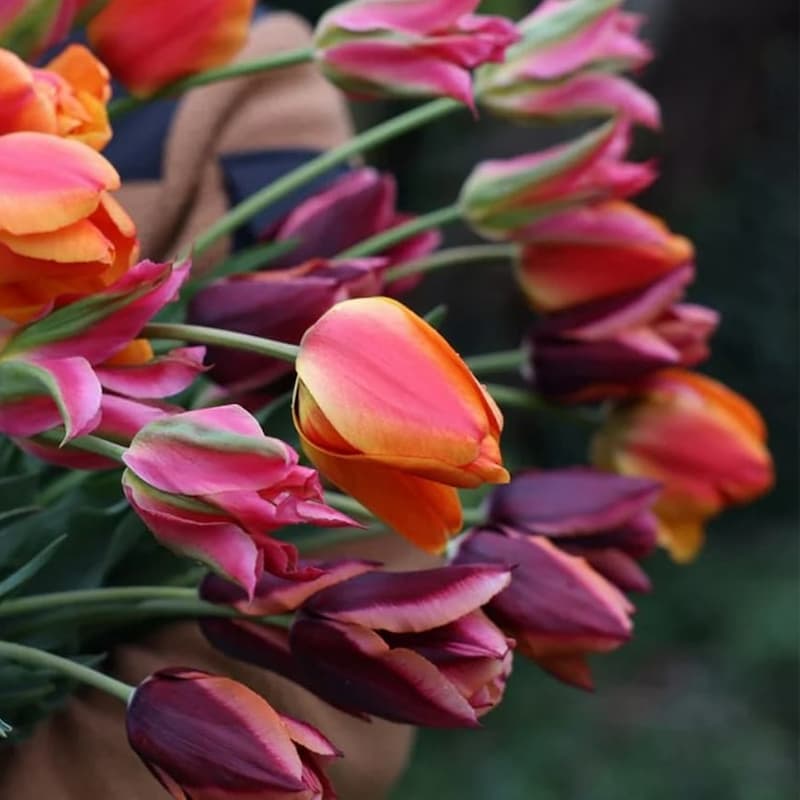
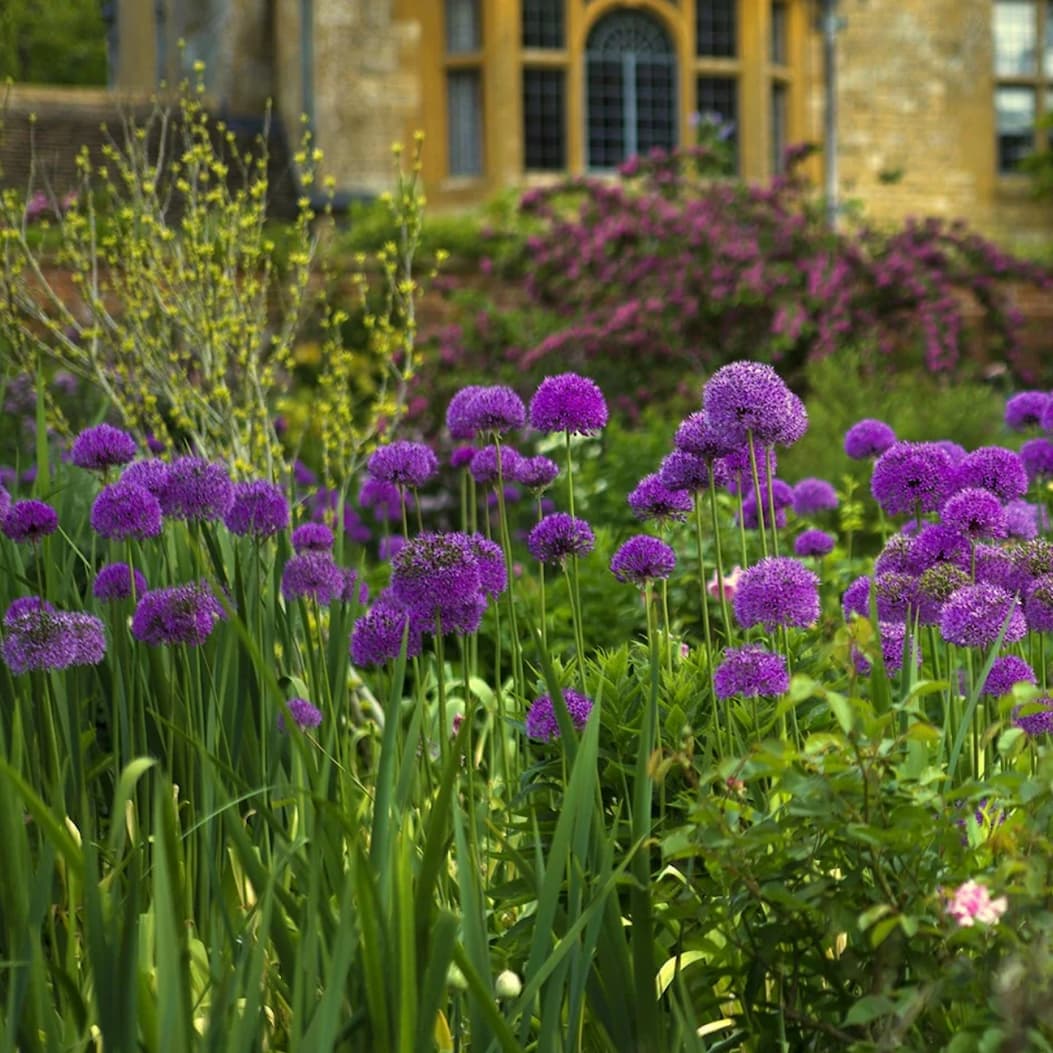
Now your garden is at the height of growth, it’s an ideal time to look for gaps that could be filled with spring bulbs. Start planning a colour palette and think about creating a long display throughout the season. Your future self will thank you for it when the first signs of new growth are seen pushing through the soil on a drab winter's day - and it’s the perfect way to experiment with different colours. Plant a mixture of snowdrops, crocus, daffodils and tulips, and they’ll create sure-fire, mood-boosting displays that will last for months on end.
|
|
BULBS THAT BRING THE SEASON TO LIFE
|
|
Keep your dahlias blooming
Dahlias need consistently moist soil, so water deeply every few days, or daily in pots. Feed weekly, starting with high-nitrogen in June, then switching to high-potash from July to support flowering. Tall varieties benefit from staking, and regular deadheading will keep blooms coming well into autumn.
|
|
|
|
|
|
|