|
|
|
|
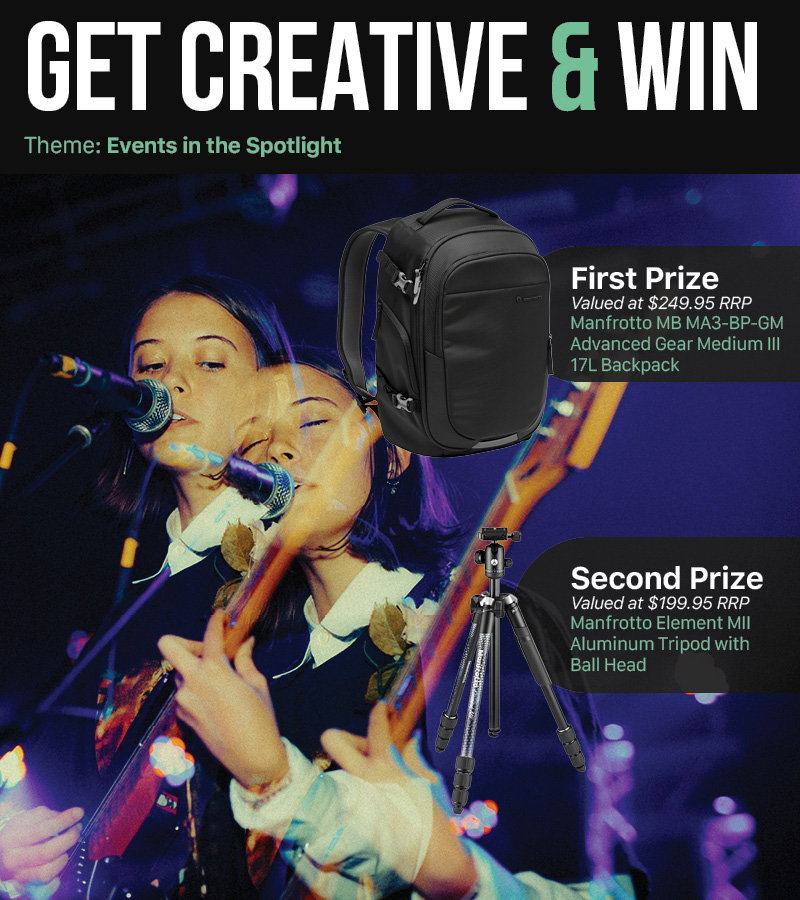
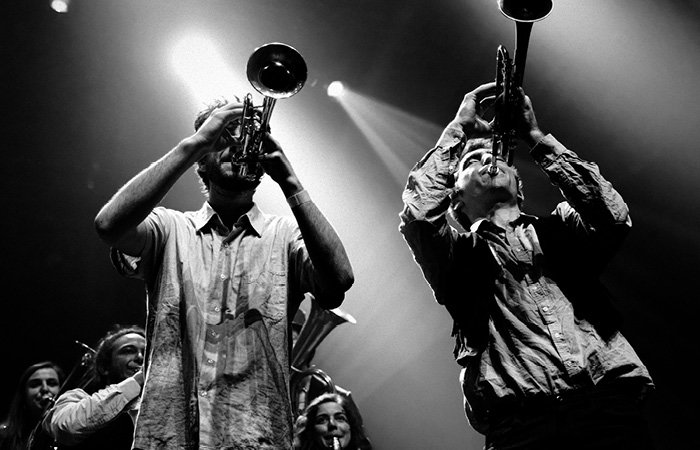
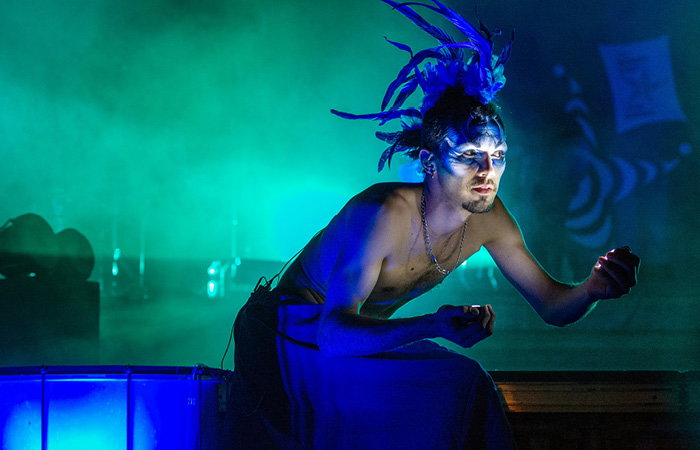
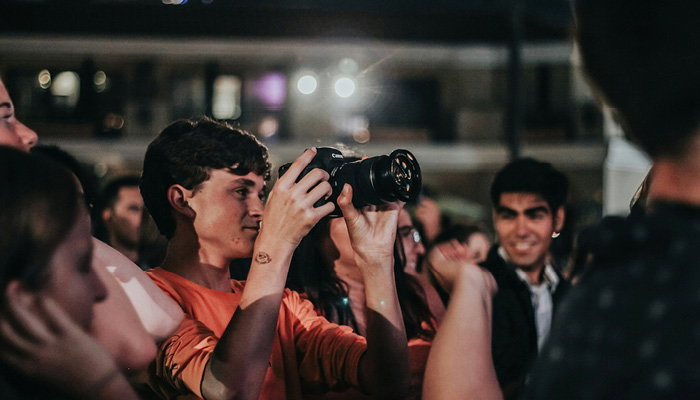
Welcome to our final instalment in this month’s event photography series! Over the past few weeks, we’ve covered everything from building an agile kit to navigating complex lighting, all to help you capture the energy of any room with confidence. As we wrap up this series, it’s time to put those skills to the test. This is your final call to submit your best work for our "Event Photography" photo competition.
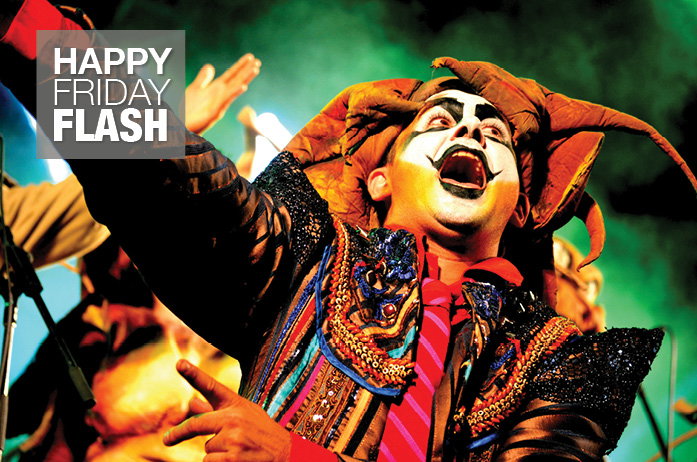
We can’t wait to see how you’ve translated these techniques into your own signature style, whether you have been out photographing Vivid Sydney, Adelaide’s Cabaret Festival, or any of the other wonderful events that Australia has to offer throughout the year. Good luck!
|
|
|
|
|
Monthly photo competition |
|
|
Week 4: Gear Essentials & Staying Agile
Event photographers need to be ready for anything without being weighed down by unnecessary equipment. This week is perfect for discussing focal lengths and versatile setups.
⚠️ Weekly prompts are just a guide — interpret them your way, as long as your shot captures the spirit of the month's theme.
How to enter:
To participate, simply complete the submission form on our portal on our website. Make sure your entries align with this month's theme. For additional guidance, check the photographic tips below.
Prizes:
1st Prize: Manfrotto MB MA3-BP-GM Advanced Gear Medium III 17L Backpack Valued at $249.95 RRP
2nd Prize: Manfrotto Element MII Aluminum Tripod with Ball Head
Valued at $199.95 RRP
Deadline:
All entries must be submitted by 5th July, 2026.
Make sure to read the FAQ on the competition page at the link below to understand all the details and rules of the competition.
We look forward to receiving your photos and celebrating your creativity
|
|
|
|
|
An interesting fact about the
Manfrotto Element MII Aluminum Tripod
|
|
|
|
|
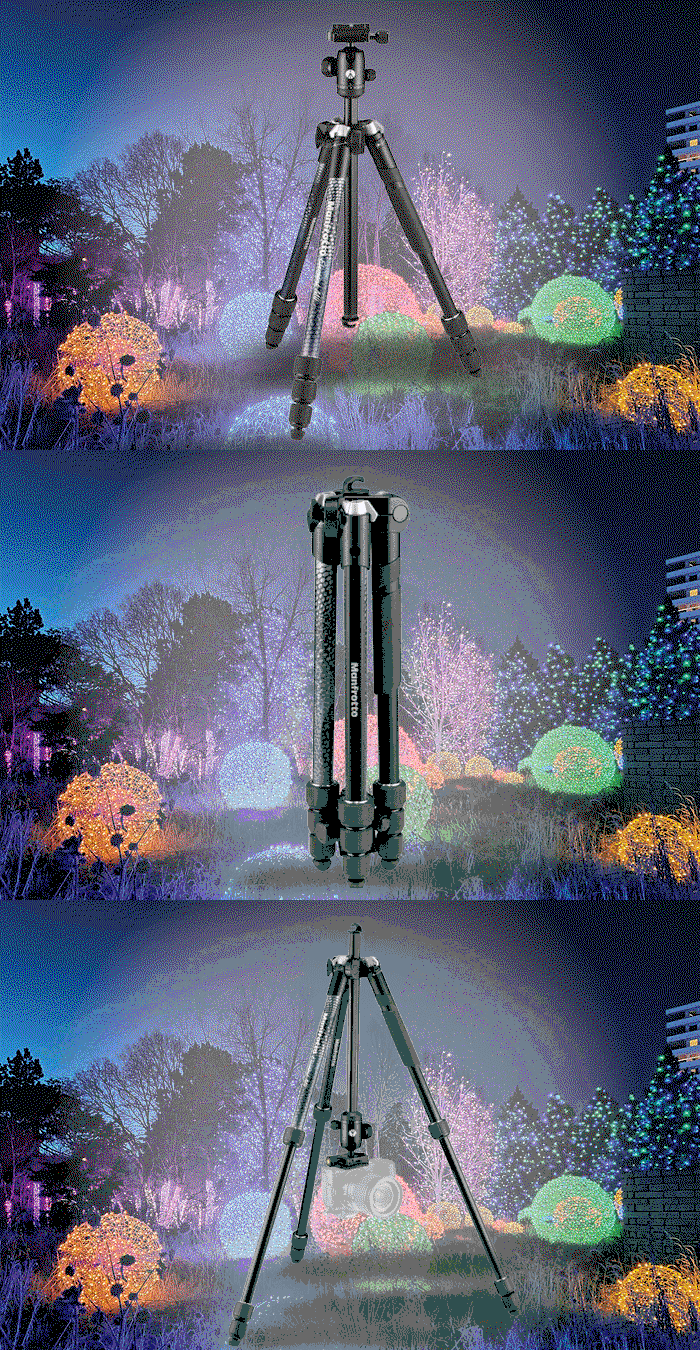
The black Element MII Aluminum Tripod with Ball Head from Manfrotto is a four-section support weighing 1.6 kg with a twist leg-lock system. Turning the twist leg locks disengages and extends the legs along the rapid centre column to extend the tripod to its maximum height of 158 cm. The tripod can also be set up close to the ground by splaying the legs out in its two-leg position. For transport or storage, the legs fold in reverse to a compact 42 cm and are easily transported in the included carrying bag. |
|
|
|
|
|
|
Ultra-Rare Leica MP Black Paint Sells for Nearly over AU$1 Million
|
|
|
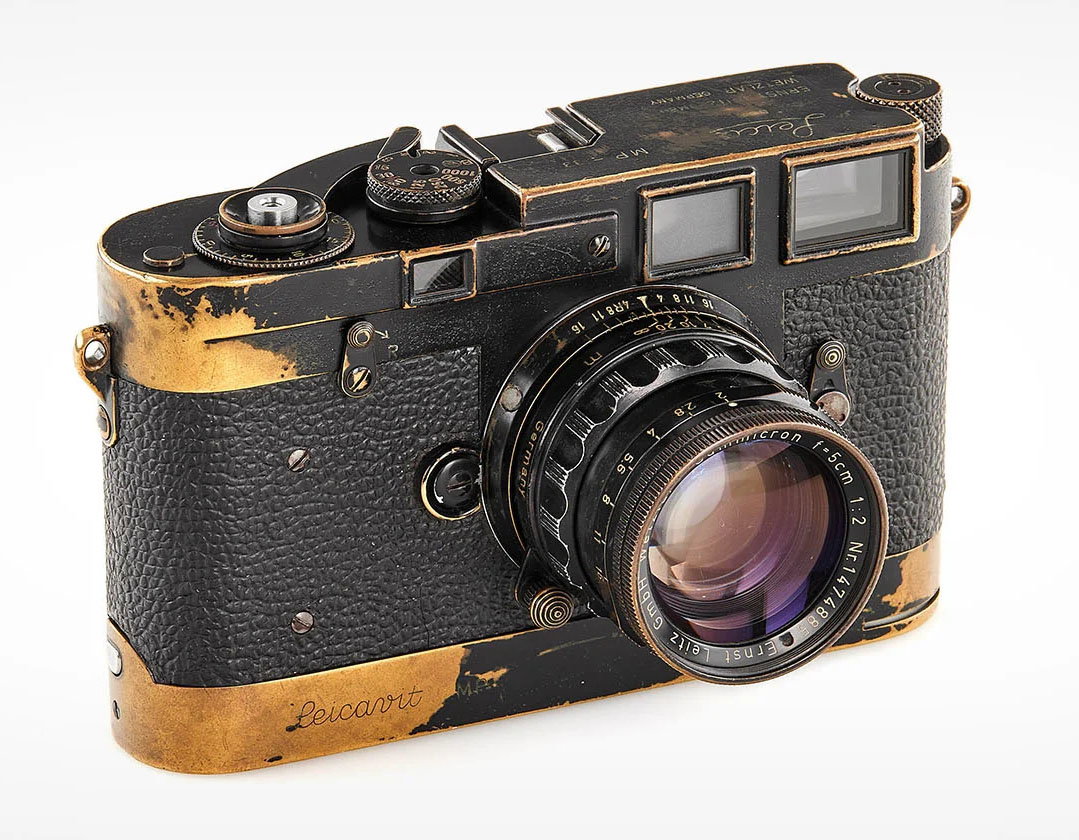
If you’ve been eyeing a new lens or an upgrade lately, you might want to look away, or at least check your bank balance twice! A historic Leica MP (black paint, model No. MP-33) just set the bar for "gear envy," selling at the 48th Leitz Photographica Auction for a cool AU$1.07 million. Produced in 1956 with only 141 of its kind ever made, this camera is a masterclass in why collectors lose their minds over limited-edition brass and paint.
We know the feeling of wanting that one perfect piece of gear to round out the kit, but unless you’ve got a spare million tucked under the mattress, you might be saving up for a few extra lifetimes to snag a piece of history like this. Still, it’s a good reminder that while we all love chasing the latest tech, sometimes it’s the oldest, rarest stories that carry the highest price tag.
Just remember, your current camera is probably more than capable of capturing a million-dollar moment, even if it costs significantly less!
|
|
|
|
|
|
|
Mastering the art of event photography requires a delicate balance between being fully prepared for any shot and maintaining the physical stamina to keep shooting for hours on end. When you are moving through crowds or switching between candid moments and formal setups, the efficiency of your workflow—and the comfort of your gear—is just as important as your technical skill. By streamlining your kit to essentials and optimising your mobility, you ensure that you are focused on capturing the story rather than struggling with heavy, cumbersome equipment.
|
|
|
|
|
The Power Duo (24-70mm & 70-200mm):
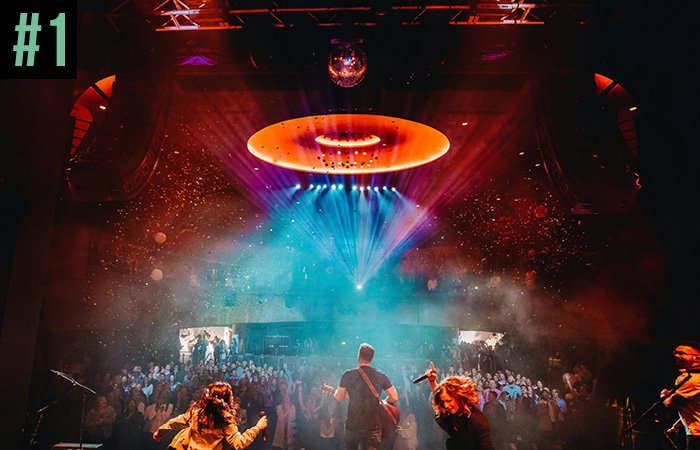
Carrying these two lenses covers almost every focal length needed for events without the hassle of excessive gear changes. The 24-70mm is your versatile workhorse, perfect for wide shots of the room, group photos, and candid interactions. The 70-200mm allows you to isolate subjects, capture portraits from a distance without intruding on the moment, and compress backgrounds effectively. Keeping these two on your bodies allows for rapid switching, ensuring you never miss a fleeting moment.
|
|
|
|
|
Managing Power & Storage:
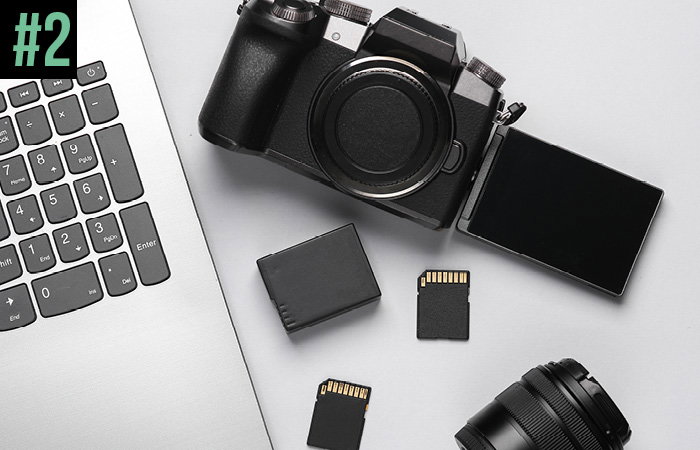
An event, by its nature, is unpredictable, making battery and card management a top priority. Always organise your gear in a way that separates full cards/charged batteries from empty/depleted ones—using a labelled pouch system or simply keeping them in specific pockets—to avoid wasting time. Aim to swap batteries before they reach 0% if there’s a quiet lull, and always format your memory cards in-camera at the start of every shift to ensure a clean slate and prevent file corruption.
|
|
|
|
|
Invest in Ergonomic Carry Systems:
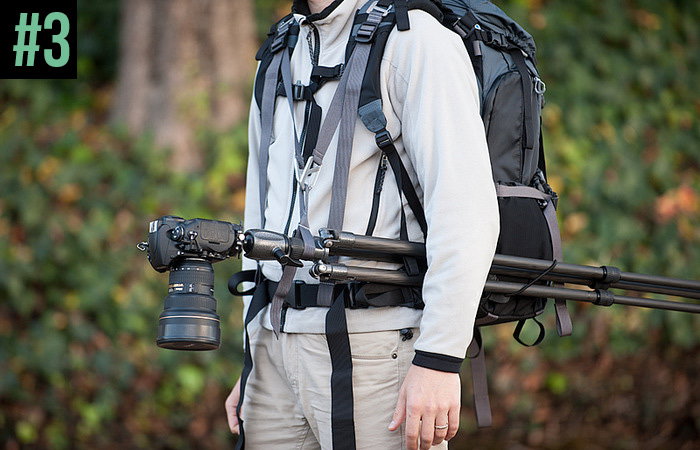
Spending eight hours on your feet with heavy camera bodies puts significant strain on your neck and shoulders. Instead of standard neck straps, consider a dual harness system that distributes the weight of two cameras across your upper back and chest, or a high-quality sling strap that allows the camera to glide into position instantly. A good carry system not only prevents fatigue but also secures your gear against your body, allowing you to move quickly through crowds without your equipment swinging around or banging into guests.
|
|
|
|
|
To maintain maximum agility during long event shifts, prioritise gear that streamlines your workflow and minimises physical strain. A high-quality dual camera harness is indispensable for distributing the weight of two mirrorless camera bodies across your back and shoulders, ensuring your equipment remains accessible for instant shots without causing fatigue. To support rapid-fire shooting, rely on professional-grade, high-capacity memory cards stored in a secure, weather-resistant memory card organiser, which keeps "full" and "empty" media distinct to prevent accidental data loss. For lighting control, a portable, battery-powered speedlight equipped with a compact soft-light modifier allows you to manage challenging venue conditions without adding unnecessary bulk. Finally, supplementing your kit with a modular lens holster or utility belt for hands-free access, along with a high-capacity portable power bank for on-the-go charging, ensures you remain fully equipped and responsive throughout the entire event. |
|
|
|
|
NEED HELP? TALK TO AN EXPERT 1300 365 220 |
|
|
|
|
|
|
“The best camera is the one that’s with you.”
- Chase Jarvis
|
|
|
|
|
Your photo question of the week: |
|
|
You are navigating a crowded room during a fast-paced networking event, and you need to move quickly between wide environmental shots and tight, intimate portraits. Given the goal of staying agile and minimising gear changes, which approach to managing your focal lengths is most effective?
A) Use a single super-zoom lens that covers 24mm to 200mm to eliminate the need to carry two camera bodies.
B) Mount a 70-200mm lens on your camera at all times to ensure you can always capture subjects from a respectful distance.
C) Carry a standard zoom (e.g., 24-70mm) and a telephoto zoom (e.g., 70-200mm) on two bodies for instant access to a wide range of focal lengths.
D) Keep a single prime lens mounted to ensure the highest image quality and avoid the weight of a zoom.
|
|
|
|
You have positioned yourself perfectly to capture a candid, unscripted reaction from the crowd as a keynote speaker delivers a surprising punchline. Because genuine expressions change in a fraction of a second and your subjects might be moving back and forth as they laugh, which combination of camera settings will give you the best chance of nailing that fleeting moment in sharp focus?
A) Single-Shot Autofocus (AF-S) and a 2-second self-timer
B) Continuous Autofocus (AF-C / AI Servo) and High-Speed Burst mode
< Correct Answer
C) Manual Focus and Single-Shot drive mode
D) Centre-weighted metering and Exposure Bracketing
|
|
|
|
|
|
|
|
|
Let's face it. Not all of us are professionals, and even still, pros still need to learn a thing or two about photography or cinematography. That's why we've put together this section. We want to highlight some of the common and not-so-common questions people face when attempting a particular genre. |
|
|
“I’m attending a multi-day event, and I’m worried about gear fatigue. By the second day, my shoulders and neck are incredibly sore from my camera straps, and I find myself moving more slowly and missing shots because I’m trying to baby my equipment. How can I stay mobile and comfortable without sacrificing my ability to react quickly?” |
|
|
Gear fatigue isn't just uncomfortable; it directly impacts the quality of your work. The first step is to ditch standard neck straps, which focus all the weight on your cervical spine. Transitioning to a dual-camera harness or a high-quality sling strap system will distribute that weight across your back and shoulders, significantly reducing strain and keeping your cameras positioned at your hips for instant, hands-free access.
Beyond how you carry the weight, consider simplifying what you actually carry. If you are struggling with movement, audit your bag: are you carrying lenses you haven't touched in two days? Sticking to a two-body, two-lens "power duo" setup (like a 24-70mm and a 70-200mm) allows you to move freely through a crowd without being anchored by a heavy equipment bag. Finally, treat your mobility like a professional athlete: utilise a modular utility belt to keep spare batteries and cards on your person rather than in a backpack. This keeps your centre of gravity balanced, allows you to reload in seconds, and ensures you remain just as agile on the final day as you were on the first.
|
|
|
|
|
|
|
|
Reader’s gallery
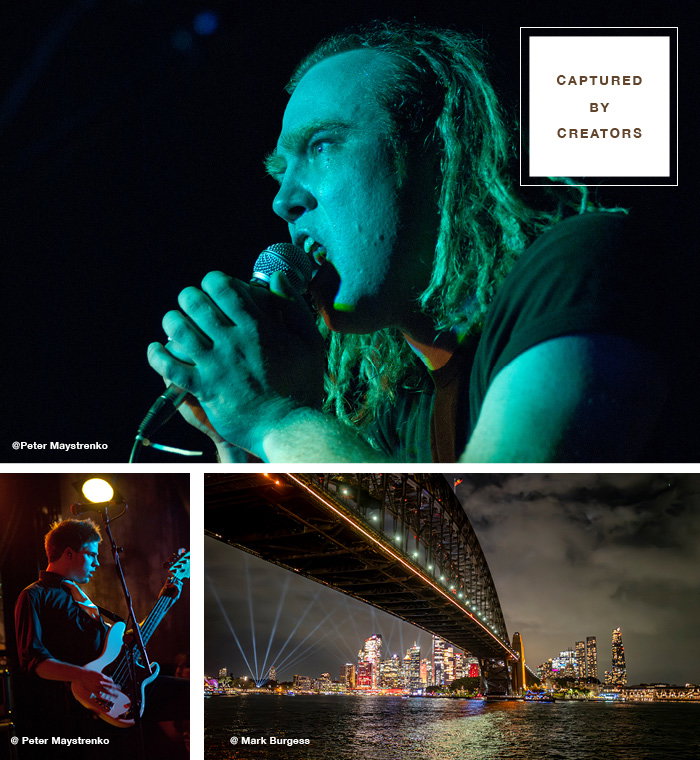
Navigate to our reader’s gallery to see a selection of entries to help inspire your vision. You can also see the past winners there. Thank you to everyone who sent in their images. We love seeing them!
Sometimes, all we need is some visual motivation, like these images, to spark our creative thoughts. What will you create with your camera this week? Enter your images via our online portal, and we look forward to showcasing them.
|
|
|
|
|
|
|
|
|
|
|
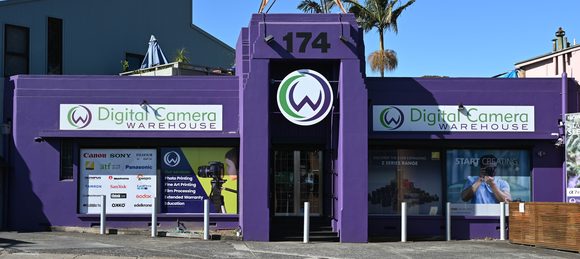
ARE YOU IN SYDNEY?
VISIT OUR STORE TODAY
|
|
|
|
|
|
|
|
|
|
|
|
|
|
|
|
|