How layering static and digital gives you more coverage, more flexibility, and a stronger brand presence.
͏ ͏ ͏ ͏ ͏ ͏ ͏ ͏ ͏ ͏ ͏ ͏ ͏ ͏ ͏ ͏ ͏ ͏ ͏ ͏ ͏ ͏ ͏ ͏ ͏ ͏ ͏ ͏ ͏ ͏ ͏ ͏ ͏ ͏ ͏ ͏ ͏ ͏ ͏ ͏ ͏ ͏ ͏ ͏ ͏ ͏ ͏ ͏ ͏ ͏ ͏ ͏ ͏ ͏ ͏ ͏ ͏ ͏ ͏ ͏ ͏ ͏ ͏ ͏ ͏ ͏ ͏ ͏ ͏ ͏ ͏ ͏ ͏ ͏ ͏ ͏ ͏ ͏ ͏ ͏ ͏ ͏ ͏ ͏ ͏ ͏ ͏ ͏ ͏ ͏ ͏ ͏ ͏ ͏ ͏ ͏ ͏ ͏ ͏ ͏
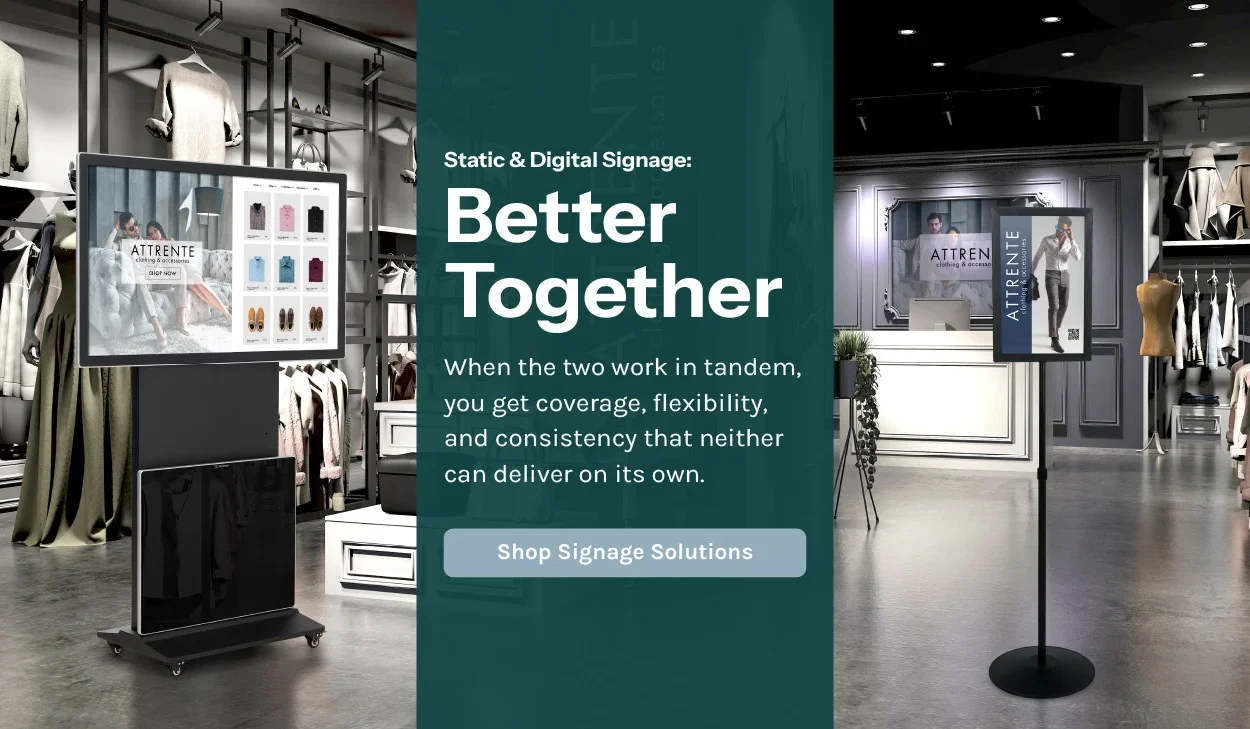
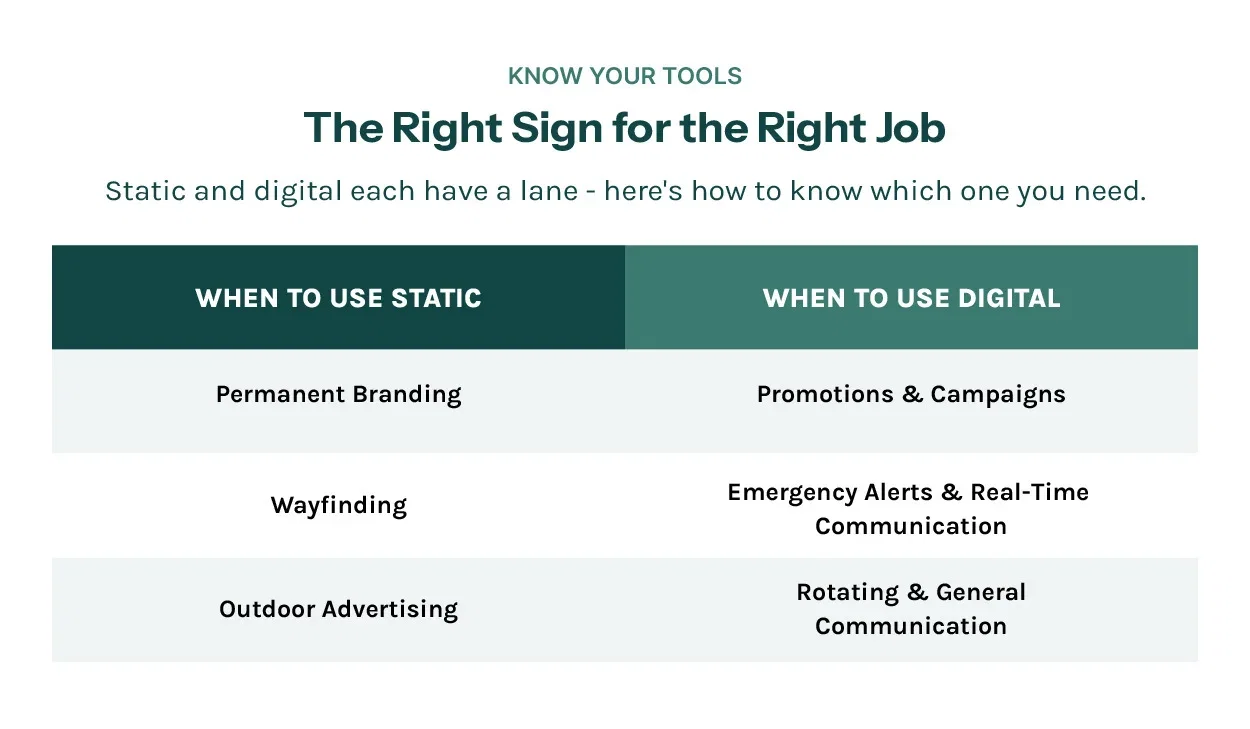
Most brands treat static and digital signage as an either/or decision. Static feels dependable — it's built to last, it's always there, and it doesn't need management. Digital feels modern — it's flexible, attention-grabbing, and easy to update. So the conversation usually ends with a choice between the two.
But the most effective signage strategies don't choose. They layer.
When you build around both, you get the staying power of printed displays and the adaptability of digital screens working together. The result is a more complete communication system, a better experience for your audience, and a smarter use of your signage investment.
|
|
|
This email was sent to: -
Displays2go
81 Commerce Drive | Fall River MA, 02720 | United States
Unsubscribe
|
|
|
|
|