What writing a play taught me about cultural intelligence
Real change only happens when we explore the story behind the story

Is this your brand on Milled? Claim it.

Since 2016 our training has helped to level the playing field at work. What writing a play taught me about cultural intelligenceReal change only happens when we explore the story behind the story
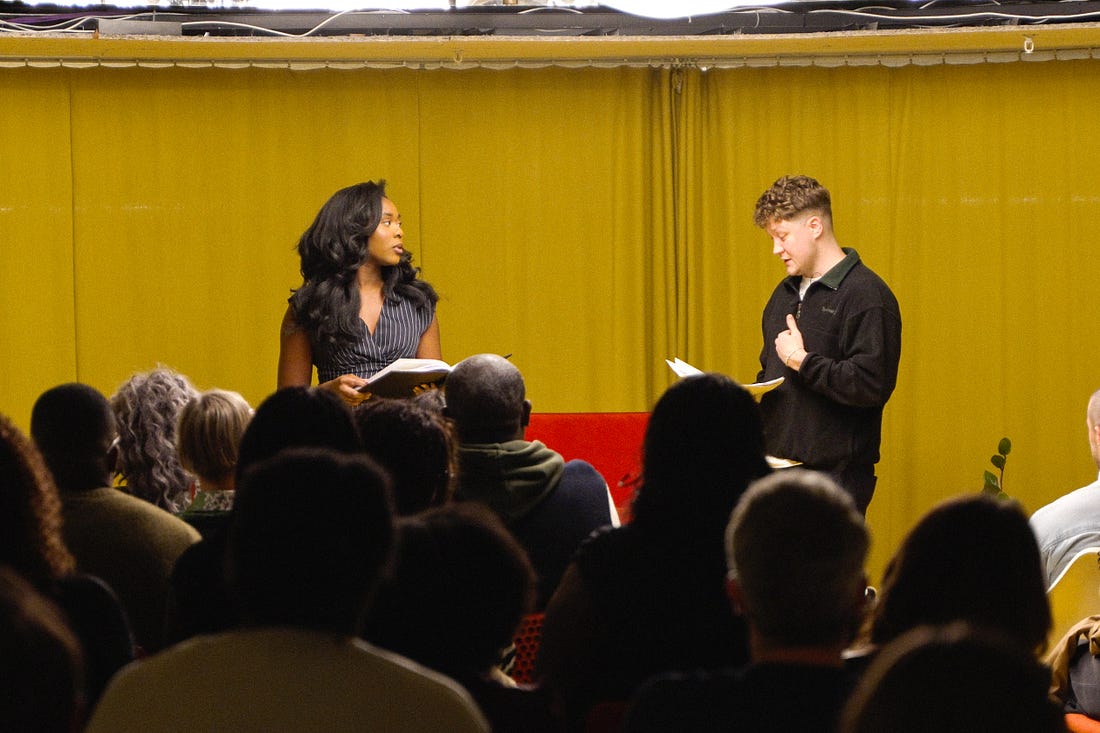
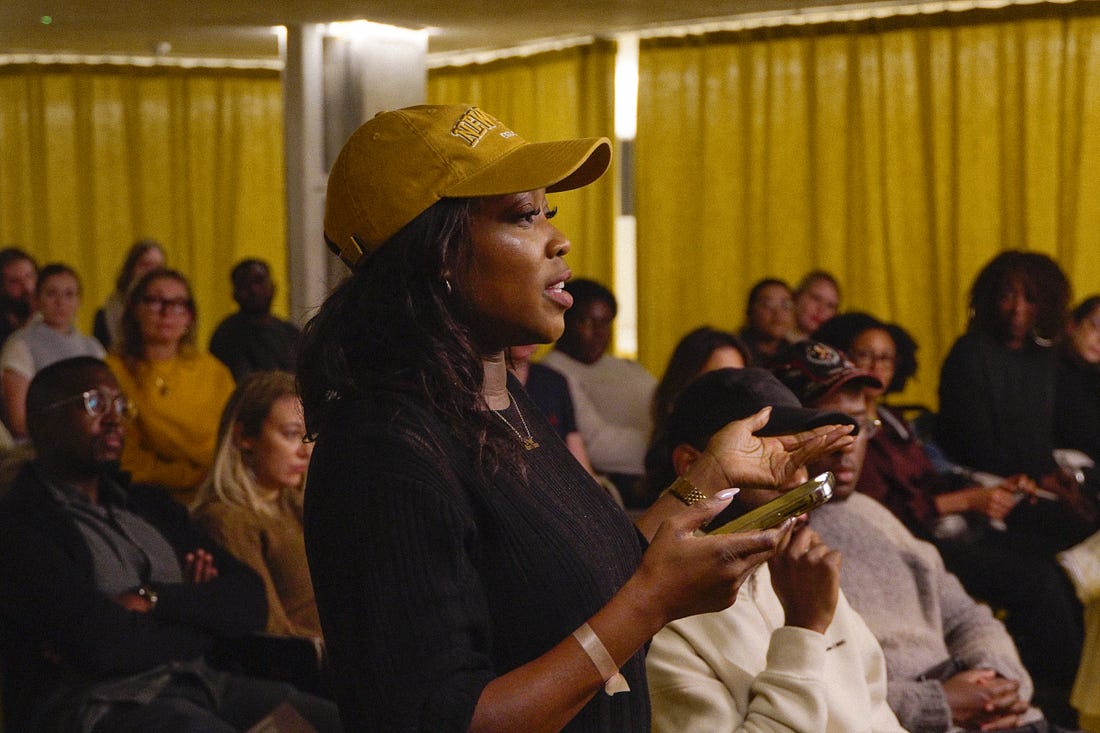
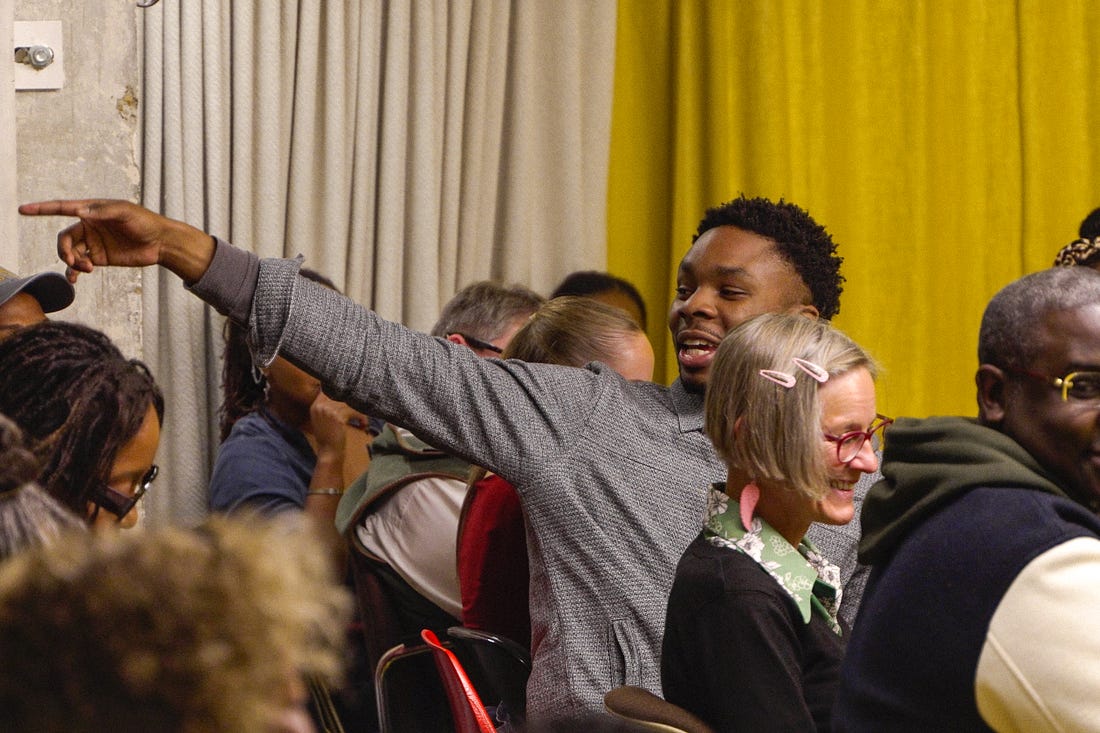
Hi readers, Abadesi here. Hope this finds you well. This essay is part of a series I’m developing “Cultural Intelligence in Action”: a framework for leaders building high-functioning, healthy teams. What writing a play taught be about the value of cultural intelligence In the autumn of 2023, I started writing a play. By the end of 2025, I had produced two sold out readings. Audience members came up to me after each performance telling me how they laughed, how they cried, how they felt seen. But I didn’t set out to write about corporate culture. I set out to write about what I kept seeing from my startup journey: in meeting rooms, in Slack messages, in exit interviews. What I kept seeing was this: organisations that wanted to build more inclusive cultures run by well-intentioned leaders kept producing environments where the people they most wanted to retain were quietly burning out and leaving. Not because anyone was evil. But because no one had a shared language.
The First Woke War follows Temi, a Black woman hired as Chief Culture Officer at a fast-growing AI startup preparing for its IPO. She’s brilliant, qualified, and genuinely motivated. Her CEO, Arthur, is publicly committed to the work. Her CTO, Martin, is openly sceptical. Her mentee, Grace, is waiting to see if the company can live up to the employer brand it boasts online and in All-Hands. By the end of the play, Temi has delivered results. She’s narrowed the gender pay gap, increased diverse hiring, built training programmes… yet is still being asked to lie on social media about how much the culture is actually changing.
The play isn’t a cautionary tale about flawed leadership. Most of the leaders in it aren’t bad people. They’re people operating without a shared understanding of what culture actually is, the impact it has, and what it takes to change it. Solving cultural issues requires more than revamping corporate values. It requires gathering cultural intelligence and and leveraging it to make lasting change. I call this “Cultural Intelligence in Action”. Thanks for reading Hustle Crew Weekly! Subscribe for free to receive new posts and support my work. How leaders can leverage cultural intelligence Cultural intelligence isn’t a workshop you attend so you can tick a box and consider yourself fully informed. It’s the ability to decode and understand the invisible systems shaping how people in your organisation communicate, collaborate, and feel connected - or othered. Cultural Intelligence in Action is translating that understanding into decisions that create meaningful impact on the people working in your organisation. In my play The First Woke War, every character is operating from a different map.
The CEO Arthur’s map says:
The CTO Martin’s map says:
Temi’s map says:
Grace’s map says:
Four maps. No shared language to compare them. These are the cultural gaps that quietly cost organisations six to seven figures each year. Gaps that lead to the slow drain of the champions who can see what leaders can’t. The champions who eventually stop trying to explain and take their talent elsewhere.
What closing the gap actually looks like Cultural intelligence starts with exploration. This is where ‘the story behind the story’ comes in. Unpacking surface-level themes to understand what’s actually happening. Not just accepting “we have a diversity problem”, instead asking:
In the play, the story behind the story is everywhere if you know what to look for.
The engineering group chat rating candidates by attractiveness isn’t just an HR issue. It’s a signal about what the culture actually values, regardless of what the careers page says. Martin’s resistance to training isn’t just stubbornness. It’s a survival strategy shaped by a prior experience where his protected characteristics were weaponised against him. Understanding that changes how you approach the conversation. Arthur’s support for Temi isn’t cynical. He genuinely believes the things he says. He just also believes that the story matters more than the substance and has never had to question that trade-off.
None of these issues show up in an engagement survey. They show up when someone takes the time to explore beneath the surface.
Why I used theatre as a method to showcase cultural intelligence I could have written a report. A newsletter. A LinkedIn carousel. But I wrote a play because cultural intelligence isn’t transferred through data points alone. It lands when people sit down, absorb a story, and see themselves - and others - clearly. The most powerful moments in the performances weren’t the confrontations. They were the quiet ones. Grace asking Temi, “Are you coping OK?” because no one else had thought to. Martin confessing, unexpectedly, that he used to be the person starting the diversity groups before his employer made him choose between his values and his job.
A story evokes empathy from it’s audience, regardless of what their lived experiences have been. That’s why storytelling is at the heart of how I do this work. Stories spark self-reflection and influence behaviour. My experiences show me that leaders who develop cultural intelligence aren’t the ones who have attended the most training sessions. They’re the ones who learned to read the room, even the parts that don’t mirror them, seeking the story behind the story and using that insight to inspire action. The First Woke War was last performed at Second Home, Spitalfields in London. If you'd like to find out more about bringing the play to your company as a catalyst for cultural intelligence conversations, or about my Cultural Intelligence in Action framework, email me on [email protected].
Techish PodcastIs on spring break. Catch re-runs, including a recording from our live show with Ryan Leslie, on YouTube. Founder MasterclassCheck out Abadesi’s B2B Sales Masterclass on-demand for help on growing your business. Free ResourcesWant to get in touch?
Thanks for reading Hustle Crew Weekly! Subscribe for free to receive new posts and support my work. Get in touch at hustlecrew.co or follow us on your fave platform @hustlecrewlive
|