Why Weight Loss Is More Complicated Than People Think |
|
For years, people have been told weight loss is simple: eat less and move more. But according to Dr. Ragan Brackett, that advice often ignores what many patients are actually experiencing.
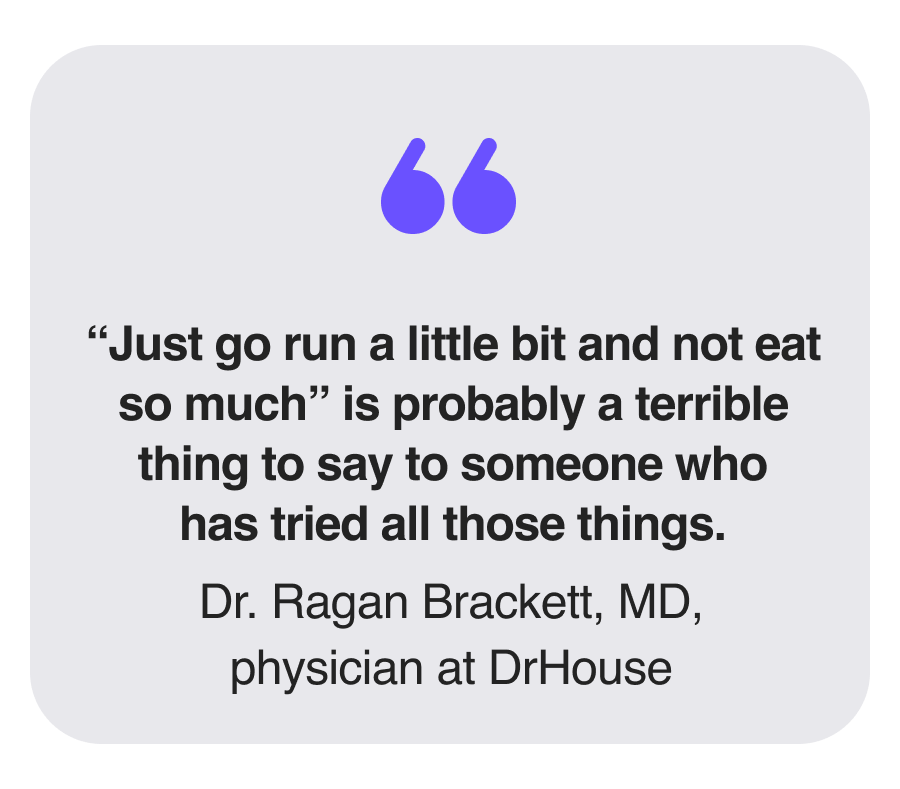
“Telling someone to just go run a little bit and not eat so much is probably a really terrible thing to say to someone who has tried all those things,” she explains.
Many people struggling with weight loss are already dieting, exercising, and cutting calories. Yet the scale barely moves. That is because weight is influenced by much more than food alone.
Hormones, stress, sleep, inflammation, medications, menopause, thyroid function, and insulin resistance can all affect how the body responds.
|
|
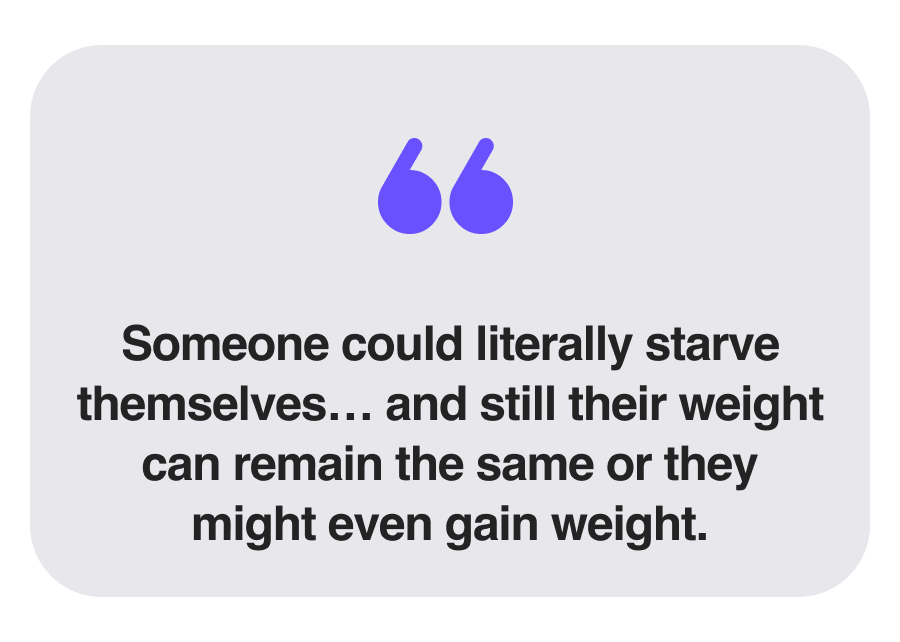
As Dr. Brackett puts it, “Someone could literally starve themselves… and still their weight can remain the same or they might even gain weight.” |
|
The Problem May Not Be A Lack Of Effort |
|
One of the biggest frustrations patients face is feeling like they are failing when their body is not responding the way they expected.
Dr. Brackett says she frequently sees patients who spent years blaming themselves before discovering there was an underlying medical issue involved.
“I commonly see patients all the time that have underlying thyroid disease, autoimmune disease, or neuroendocrine disease,” she says.
In many cases, patients are not lacking discipline. They may simply be dealing with something that was never properly identified. That is why Dr. Brackett believes lab work and a deeper medical evaluation can play an important role in weight management.
|
|
Why Fast Weight Loss Often Backfires |
|
According to Dr. Brackett, one of the biggest mistakes people make is assuming all weight loss is healthy weight loss. |
|
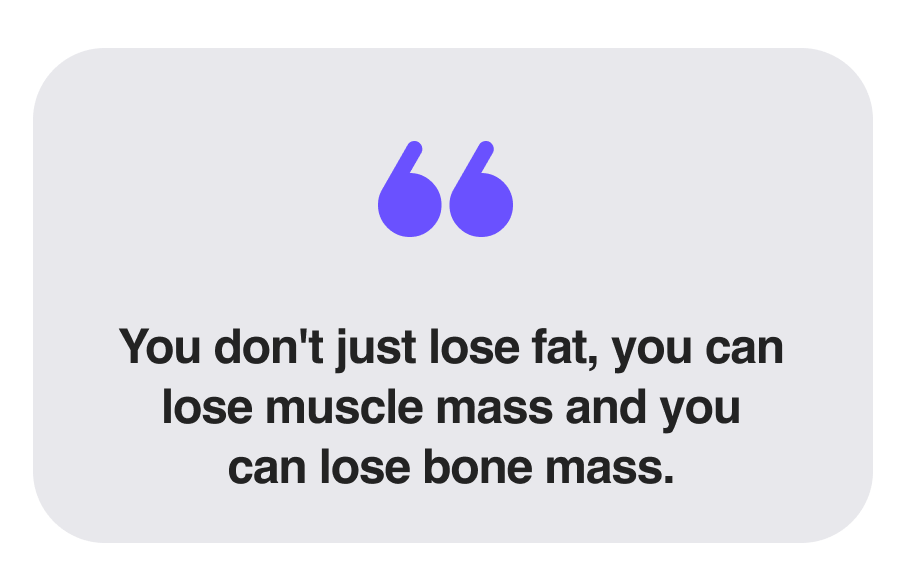
“You don't just lose fat,” she explains. “You can lose muscle mass and you can lose bone mass.”
That is why she warns against crash dieting and extreme approaches that prioritize fast results over long-term health. Rapid weight loss can lower metabolism, reduce strength, and make it harder to maintain weight loss later on.
“Healthy weight loss should not be fast,” Dr. Brackett says. Instead, she encourages patients to focus on slow, sustainable progress that protects muscle and overall health while the body adjusts over time.
|
|
Weight Loss Is Not Just About Food |
|
While nutrition matters, Dr. Brackett says weight gain and weight loss are often connected to factors people rarely think about.
“There are many, many drugs that are associated with weight gain actually that we use commonly and kind of ignore,” she explains.
Stress, poor sleep, hormone changes, mental health, inflammation, and medications can all influence weight over time. In some cases, patients may be working against biological or medical factors they do not even realize are affecting them.
That is why Dr. Brackett believes weight management should focus on the whole person rather than reducing everything to calories and willpower.
|
|
The Goal Should Be Better Health |
|
For Dr. Brackett, the most successful patients are usually not the ones chasing the fastest transformation. They are the ones building healthier routines they can realistically maintain. |
|
“Lifestyle is a long-term thing you want to embrace,” she says.
Rather than focusing on perfection, she encourages patients to think long term: better sleep, more movement, less stress, stronger habits, and consistent support.
Because lasting progress, according to Dr. Brackett, is rarely about finding one quick fix. It is about creating a healthier life overall.
|
|
Dr. Ragan Brackett, MD
Family Medicine
Family physician specializing in urgent care, preventive health, and weight management, with a holistic, patient-first approach.
|
|
|
|
Why Weight Loss Is More Complicated Than People Think |
|
For years, people have been told weight loss is simple: eat less and move more. But according to Dr. Ragan Brackett, that advice often ignores what many patients are actually experiencing.
“Telling someone to just go run a little bit and not eat so much is probably a really terrible thing to say to someone who has tried all those things,” she explains.
Many people struggling with weight loss are already dieting, exercising, and cutting calories. Yet the scale barely moves. That is because weight is influenced by much more than food alone.
Hormones, stress, sleep, inflammation, medications, menopause, thyroid function, and insulin resistance can all affect how the body responds.
|
|
As Dr. Brackett puts it, “Someone could literally starve themselves… and still their weight can remain the same or they might even gain weight.” |
|
The Problem May Not Be A Lack Of Effort |
|
One of the biggest frustrations patients face is feeling like they are failing when their body is not responding the way they expected.
Dr. Brackett says she frequently sees patients who spent years blaming themselves before discovering there was an underlying medical issue involved.
“I commonly see patients all the time that have underlying thyroid disease, autoimmune disease, or neuroendocrine disease,” she says.
In many cases, patients are not lacking discipline. They may simply be dealing with something that was never properly identified.
That is why Dr. Brackett believes lab work and a deeper medical evaluation can play an important role in weight management.
|
|
Why Fast Weight Loss Often Backfires |
|
According to Dr. Brackett, one of the biggest mistakes people make is assuming all weight loss is healthy weight loss. |
|
“You don't just lose fat,” she explains. “You can lose muscle mass and you can lose bone mass.”
That is why she warns against crash dieting and extreme approaches that prioritize fast results over long-term health.
Rapid weight loss can lower metabolism, reduce strength, and make it harder to maintain weight loss later on.
“Healthy weight loss should not be fast,” Dr. Brackett says. Instead, she encourages patients to focus on slow, sustainable progress that protects muscle and overall health while the body adjusts over time.
|
|
Weight Loss Is Not Just About Food |
|
While nutrition matters, Dr. Brackett says weight gain and weight loss are often connected to factors people rarely think about.
“There are many, many drugs that are associated with weight gain actually that we use commonly and kind of ignore,” she explains.
Stress, poor sleep, hormone changes, mental health, inflammation, and medications can all influence weight over time.
In some cases, patients may be working against biological or medical factors they do not even realize are affecting them.
That is why Dr. Brackett believes weight management should focus on the whole person rather than reducing everything to calories and willpower.
|
|
The Goal Should Be Better Health |
|
For Dr. Brackett, the most successful patients are usually not the ones chasing the fastest transformation.
They are the ones building healthier routines they can realistically maintain.
|
|
“Lifestyle is a long-term thing you want to embrace,” she says.
Rather than focusing on perfection, she encourages patients to think long term: better sleep, more movement, less stress, stronger habits, and consistent support.
Because lasting progress, according to Dr. Brackett, is rarely about finding one quick fix. It is about creating a healthier life overall.
|
|
Dr. Ragan Brackett, MD
Family Medicine
Family physician specializing in urgent care, preventive health, and weight management, with a holistic, patient-first approach.
|
|
|
|
|
|
|