Why Spring Can Make You Feel More Tired |
|
Spring is supposed to feel energizing. But for many people, it does not.
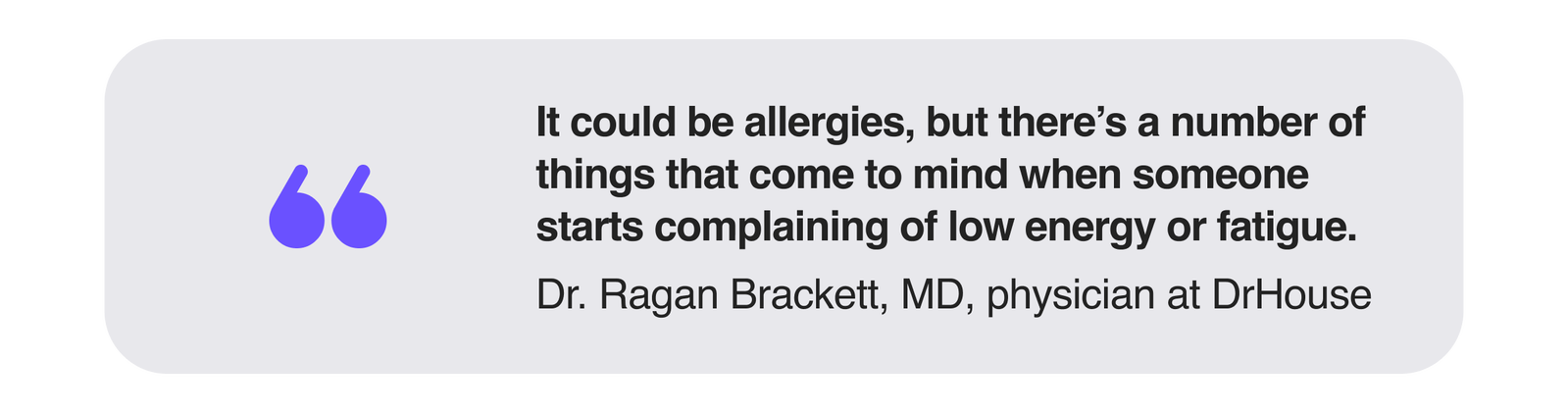
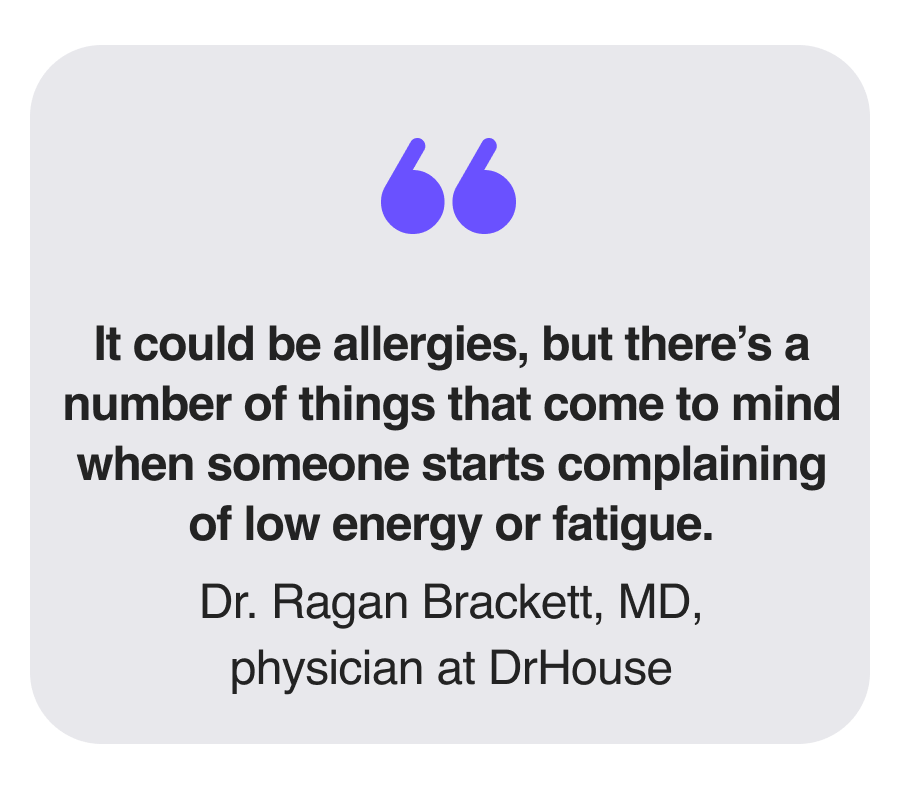
From an urgent care perspective, Dr. Brackett says one of the first things she thinks about is allergies.
“Seasonal allergies are something that a patient can develop over time,” she explains.
That means spring fatigue can show up even in people who did not grow up thinking of themselves as allergy-prone.
“You might not have had it when you were younger,” Dr. Brackett says, but different exposures over time can trigger “more like an immunological response.”
The tiredness may not be random. It may be your body reacting to the season.
|
|
Allergies Don’t Always Feel Like Allergies |
|
Most people expect allergies to be obvious. Sneezing. Itchy eyes. Runny nose. But Dr. Brackett says the signs can be easier to miss.
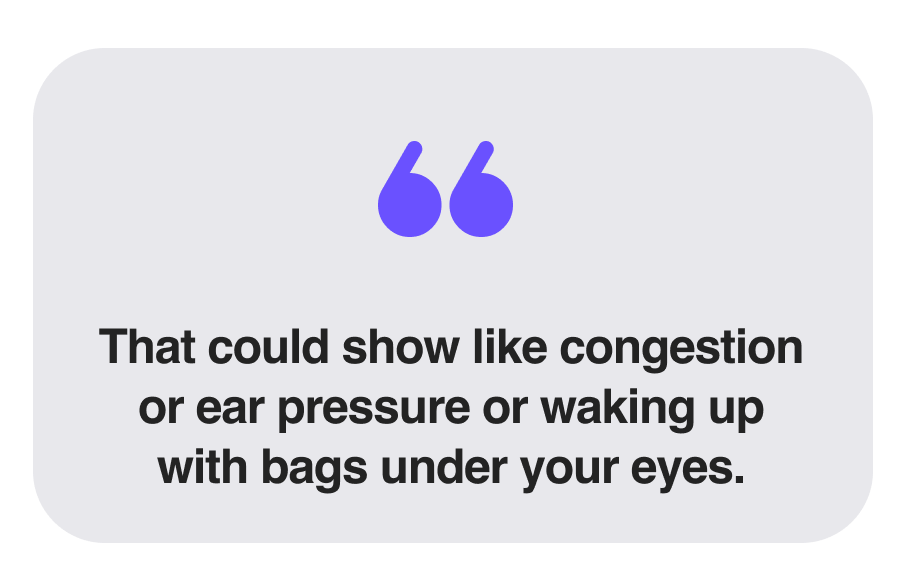
“That could show like congestion or ear pressure or waking up with bags under your eyes,” she explains.
|
|
Some people also have postnasal drip without recognizing it.
“Some people might not be able to appreciate” it, she says, especially when it is “dripping on the back of their throat” while lying flat at night.
That can affect sleep, breathing, and how rested you feel the next morning.
So what feels like spring fatigue may actually be allergies disrupting the body in less obvious ways.
|
|
Winter Can Leave Your Body Behind |
|
Spring fatigue is not always about pollen. Dr. Brackett also thinks about vitamin D.
“Throughout the winter months, we are indoors,” she explains. “We get our vitamin D from the sun.”
That matters because vitamin D may be at its lowest right as spring begins.
|
|
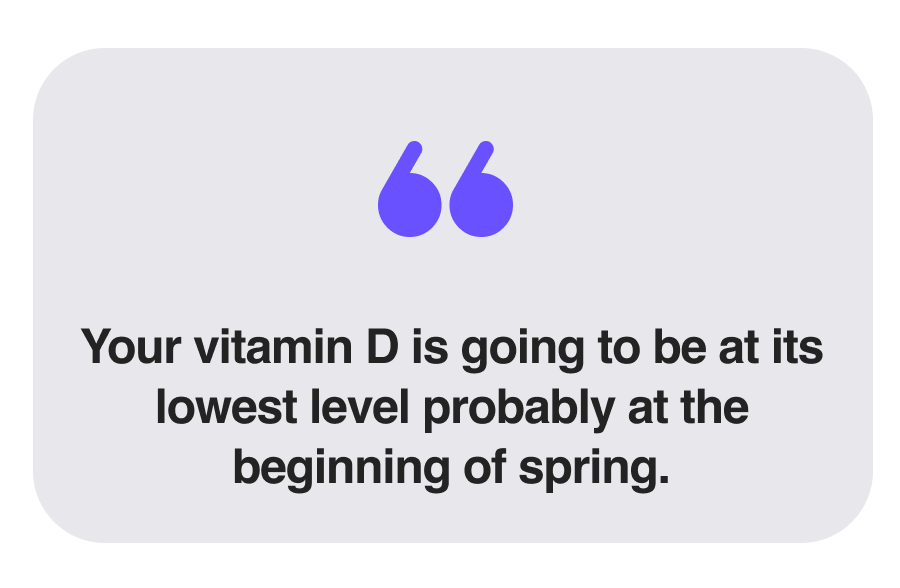
“If you’re going to have low D, your vitamin D is going to be at its lowest level probably at the beginning of spring,” she says.
That can show up as more than tiredness.
Dr. Brackett says low vitamin D can be connected with “lower immunity, disrupted sleep, low mood.”
By the time the weather starts changing, your body may still be carrying the effects of the months before.
|
|
Your Sleep Rhythm May Be Off |
|
The seasonal shift can affect more than your schedule. Dr. Brackett points to changes in sunlight and the body’s internal clock.
“The sun changing, the diurnal clock disrupting our sleep patterns can also affect our cortisol levels,” she explains.
That matters because cortisol normally rises when you wake up and lowers later in the day.
When that rhythm is disrupted, energy can feel unpredictable.
|
|
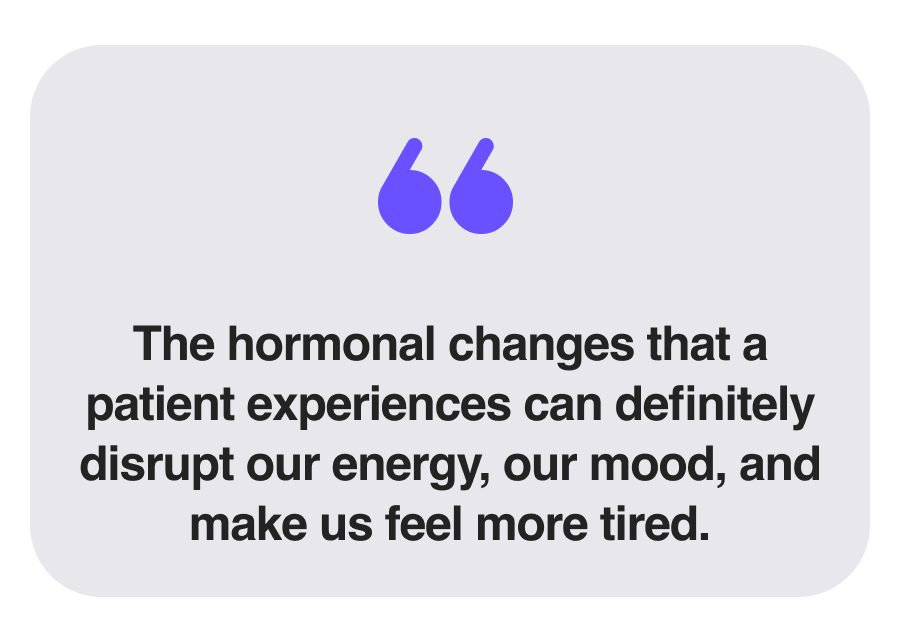
“The hormonal changes that a patient experiences can definitely disrupt our energy, our mood, and make us feel more tired,” Dr. Brackett says.
So even when spring looks brighter outside, your body may not adjust instantly.
|
|
Fatigue Is Not Always Something To Ignore |
|
Tiredness can be simple. But it can also be a signal. Dr. Brackett says fatigue is one of the broadest symptoms doctors evaluate.
“It could be something as simple as an acute illness,” she explains. “It could be something related to blood origin, like perhaps anemia.”
It can also be tied to hormones, vitamin deficiencies, poor sleep habits, or more serious conditions. That does not mean every tired day is alarming.
But if fatigue is persistent, unusual, or keeps coming back, it is worth paying attention to.
As Dr. Brackett puts it, fatigue can have “a number of things” behind it. The goal is to understand which one applies to you.
|
|
Dr. Ragan Brackett, MD
Family Medicine
Family physician specializing in urgent care, preventive health, and weight management, with a holistic, patient-first approach.
|
|
|
|
Why Spring Can Make You Feel More Tired |
|
Spring is supposed to feel energizing. But for many people, it does not.
From an urgent care perspective, Dr. Brackett says one of the first things she thinks about is allergies.
“Seasonal allergies are something that a patient can develop over time,” she explains.
That means spring fatigue can show up even in people who did not grow up thinking of themselves as allergy-prone.
“You might not have had it when you were younger,” Dr. Brackett says, but different exposures over time can trigger “more like an immunological response.”
The tiredness may not be random. It may be your body reacting to the season.
|
|
Allergies Don’t Always Feel Like Allergies |
|
Most people expect allergies to be obvious. Sneezing. Itchy eyes. Runny nose. But Dr. Brackett says the signs can be easier to miss.
“That could show like congestion or ear pressure or waking up with bags under your eyes,” she explains.
|
|
Some people also have postnasal drip without recognizing it.
“Some people might not be able to appreciate” it, she says, especially when it is “dripping on the back of their throat” while lying flat at night.
That can affect sleep, breathing, and how rested you feel the next morning.
So what feels like spring fatigue may actually be allergies disrupting the body in less obvious ways.
|
|
Winter Can Leave Your Body Behind |
|
Spring fatigue is not always about pollen. Dr. Brackett also thinks about vitamin D.
“Throughout the winter months, we are indoors,” she explains. “We get our vitamin D from the sun.”
That matters because vitamin D may be at its lowest right as spring begins.
|
|
“If you’re going to have low D, your vitamin D is going to be at its lowest level probably at the beginning of spring,” she says.
That can show up as more than tiredness.
Dr. Brackett says low vitamin D can be connected with “lower immunity, disrupted sleep, low mood.”
By the time the weather starts changing, your body may still be carrying the effects of the months before.
|
|
Your Sleep Rhythm May Be Off |
|
The seasonal shift can affect more than your schedule. Dr. Brackett points to changes in sunlight and the body’s internal clock.
“The sun changing, the diurnal clock disrupting our sleep patterns can also affect our cortisol levels,” she explains.
That matters because cortisol normally rises when you wake up and lowers later in the day.
When that rhythm is disrupted, energy can feel unpredictable.
|
|
“The hormonal changes that a patient experiences can definitely disrupt our energy, our mood, and make us feel more tired,” Dr. Brackett says.
So even when spring looks brighter outside, your body may not adjust instantly.
|
|
Fatigue Is Not Always Something To Ignore |
|
Tiredness can be simple. But it can also be a signal. Dr. Brackett says fatigue is one of the broadest symptoms doctors evaluate.
“It could be something as simple as an acute illness,” she explains. “It could be something related to blood origin, like perhaps anemia.”
It can also be tied to hormones, vitamin deficiencies, poor sleep habits, or more serious conditions. That does not mean every tired day is alarming.
But if fatigue is persistent, unusual, or keeps coming back, it is worth paying attention to.
As Dr. Brackett puts it, fatigue can have “a number of things” behind it. The goal is to understand which one applies to you.
|
|
Dr. Ragan Brackett, MD
Family Medicine
Family physician specializing in urgent care, preventive health, and weight management, with a holistic, patient-first approach.
|
|
|
|
|
|
|