What Doctors Mean by “Working” |
|
When doctors talk about chronic care “working,” they’re not talking about a cure. They’re talking about control.
As Dr. Chandler explains, how often a condition needs to be checked depends on how serious it is and how well it’s managed.
“Every condition is different, right? And also depends on how serious it is.”
For someone whose condition is stable and well controlled, constant testing may not add value.
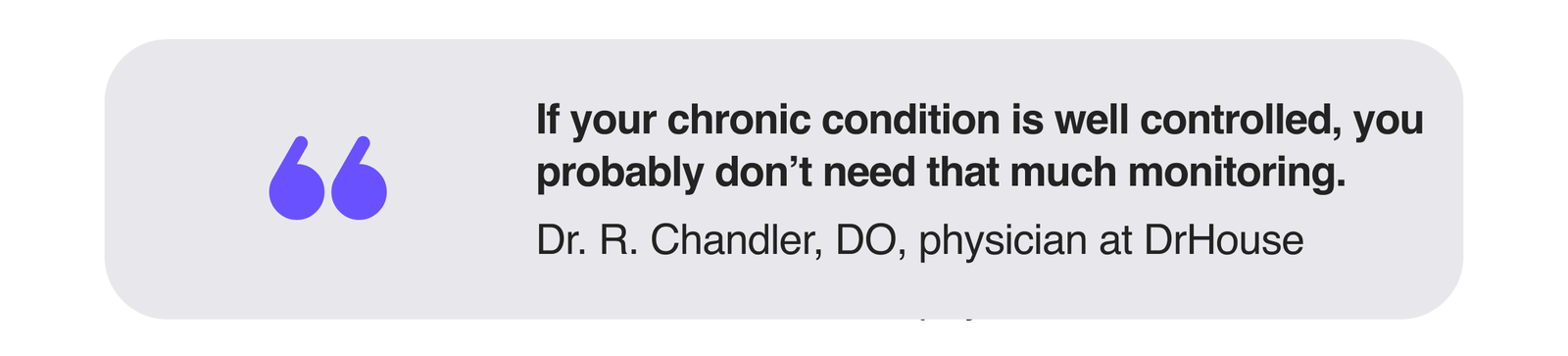
“If your chronic condition is great, you probably don’t need that much monitoring.”
He also notes that care decisions aren’t purely medical. Cost matters too, and it should be part of the conversation.
“I might want to check your blood work once a year, but hey, doctor, I had to pay $400 for that lab. I didn’t know that unless I asked.”
When chronic care is working, the goal is to monitor thoughtfully, not automatically.
|
|
Fewer Check-Ins Can Be a Good Sign |
|
More frequent visits do not always mean better care. In many cases, the opposite is true. Dr. Chandler explains that when a condition is poorly controlled, closer follow-up is necessary.
“If your diabetes is really uncontrolled, your A1C is like 10 or 12, should be seven or lower. So yeah, I think we need to adjust medicines. You really should be getting labs every three months.”
But when numbers are in range and symptoms are stable, that intensity can ease.
“Versus it’s seven, it’s five, maybe on medicine or insulin. Six months, we could let it go a year. Let’s push the envelope a little bit and not have you check things all the time.”
In other words, fewer check-ins often reflect better control, not neglect.
|
|
Stable Doesn’t Mean Permanent |
|
A stable condition does not mean it will stay that way forever.
Dr. Chandler is clear that change is normal, even when nothing obvious has happened.
“Things could change on their own. Sometimes the patient could have done something, maybe intentionally or unintentionally.”
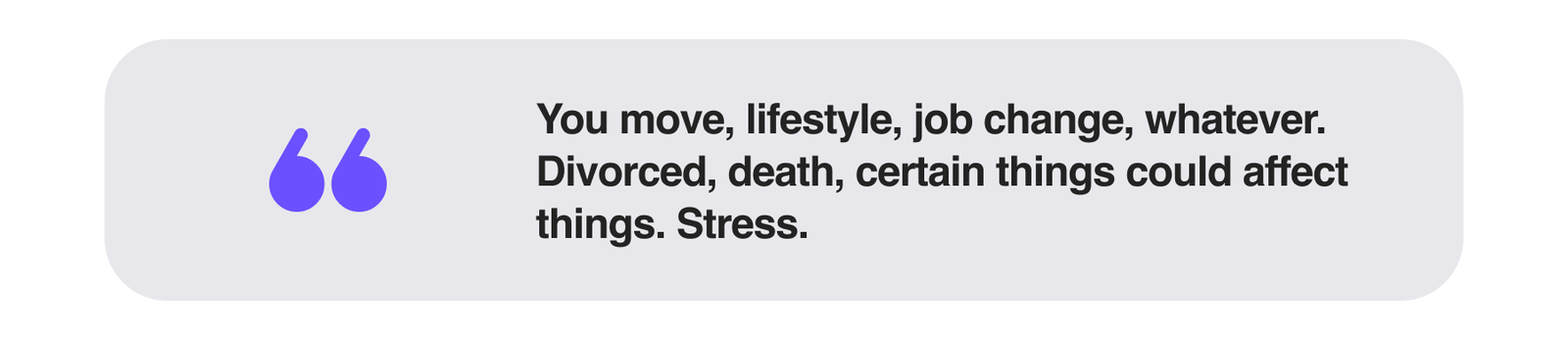
Life events, stress, aging, and lifestyle shifts all play a role.
|
|
And sometimes, there is no clear explanation at all.
“You could have done nothing. Hey, nothing changed in my life. And all of a sudden my labs are different.”
Stability is real, but it’s not permanent. That’s why awareness matters even when things are going well.
|
|
What Actually Triggers a Reassessment |
|
Reassessment isn’t based on the calendar alone. It’s based on change. Dr. Chandler explains that when previously normal results shift, doctors adjust how closely they follow a condition.
“If your labs have been normal, and all of a sudden now they’re not, now we’re gonna start checking more frequently.”
That could mean shortening the timeline significantly.
“Let’s not just go five or ten years. Now we gotta check every couple months.”
Medications themselves usually aren’t the problem.
“They’re not just going to only work for five years and then done. Usually they keep doing their thing.”
Instead, reassessment is triggered by new data, new symptoms, or changes in how the body responds over time. Once a diagnosis is made and a condition is stable, this kind of follow-up becomes the core of chronic care.
“Once you have that diagnosis and the condition is identified and maybe stable, then I think we’re really good at monitoring.”
|
|
What Doctors Mean
by “Working”
|
|
When doctors talk about chronic care “working,” they’re not talking about a cure. They’re talking about control.
As Dr. Chandler explains, how often a condition needs to be checked depends on how serious it is and how well it’s managed.
“Every condition is different, right? And also depends on how serious it is.”
For someone whose condition is stable and well controlled, constant testing may not add value.
“If your chronic condition is great, you probably don’t need that much monitoring.”
He also notes that care decisions aren’t purely medical. Cost matters too, and it should be part of the conversation.
“I might want to check your blood work once a year, but hey, doctor, I had to pay $400 for that lab. I didn’t know that unless I asked.”
When chronic care is working, the goal is to monitor thoughtfully, not automatically.
|
|
Fewer Check-Ins Can
Be a Good Sign
|
|
More frequent visits do not always mean better care. In many cases, the opposite is true.
Dr. Chandler explains that when a condition is poorly controlled, closer follow-up is necessary.
“If your diabetes is really uncontrolled, your A1C is like 10 or 12, should be seven or lower. So yeah, I think we need to adjust medicines. You really should be getting labs every three months.”
But when numbers are in range and symptoms are stable, that intensity can ease.
“Versus it’s seven, it’s five, maybe on medicine or insulin. Six months, we could let it go a year. Let’s push the envelope a little bit and not have you check things all the time.”
In other words, fewer check-ins often reflect better control, not neglect.
|
|
Stable Doesn’t Mean Permanent |
|
A stable condition does not mean it will stay that way forever.
Dr. Chandler is clear that change is normal, even when nothing obvious has happened.
“Things could change on their own. Sometimes the patient could have done something, maybe intentionally or unintentionally.”
Life events, stress, aging, and lifestyle shifts all play a role.
|
|
And sometimes, there is no clear explanation at all.
“You could have done nothing. Hey, nothing changed in my life. And all of a sudden my labs are different.”
Stability is real, but it’s not permanent. That’s why awareness matters even when things are going well.
|
|
What Actually Triggers a Reassessment |
|
Reassessment isn’t based on the calendar alone. It’s based on change. Dr. Chandler explains that when previously normal results shift, doctors adjust how closely they follow a condition.
“If your labs have been normal, and all of a sudden now they’re not, now we’re gonna start checking more frequently.”
That could mean shortening the timeline significantly.
“Let’s not just go five or ten years. Now we gotta check every couple months.”
Medications themselves usually aren’t the problem.
“They’re not just going to only work for five years and then done. Usually they keep doing their thing.”
Instead, reassessment is triggered by new data, new symptoms, or changes in how the body responds over time.
Once a diagnosis is made and a condition is stable, this kind of follow-up becomes the core of chronic care.
“Once you have that diagnosis and the condition is identified and maybe stable, then I think we’re really good at monitoring.”
|
|
|
|
|