Why “I Feel Fine” Isn’t the Same as Being Healthy |
|
Dr. Chandler explains that patients are often partially right when they say they’ll know if something is wrong.
People generally know their bodies and notice pain, discomfort, or changes. But feeling something isn’t the same as understanding what it means medically.
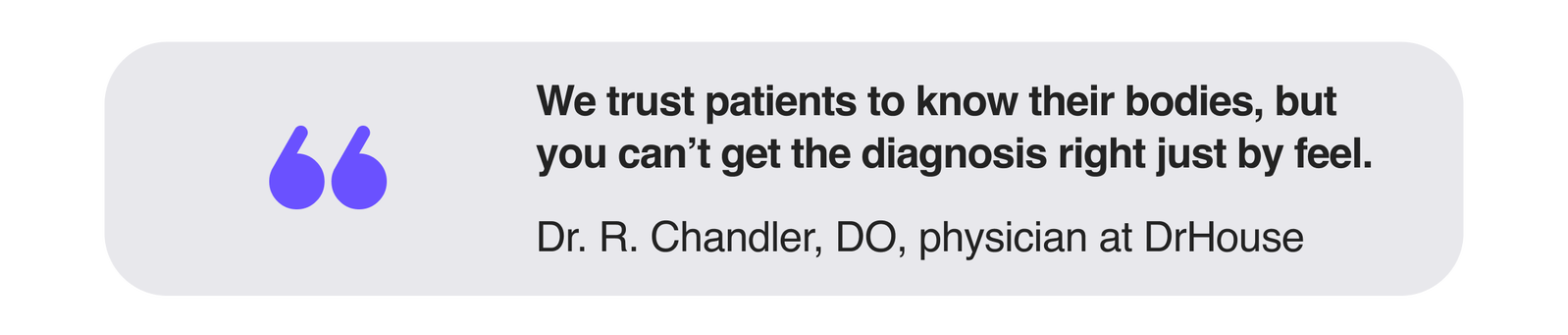
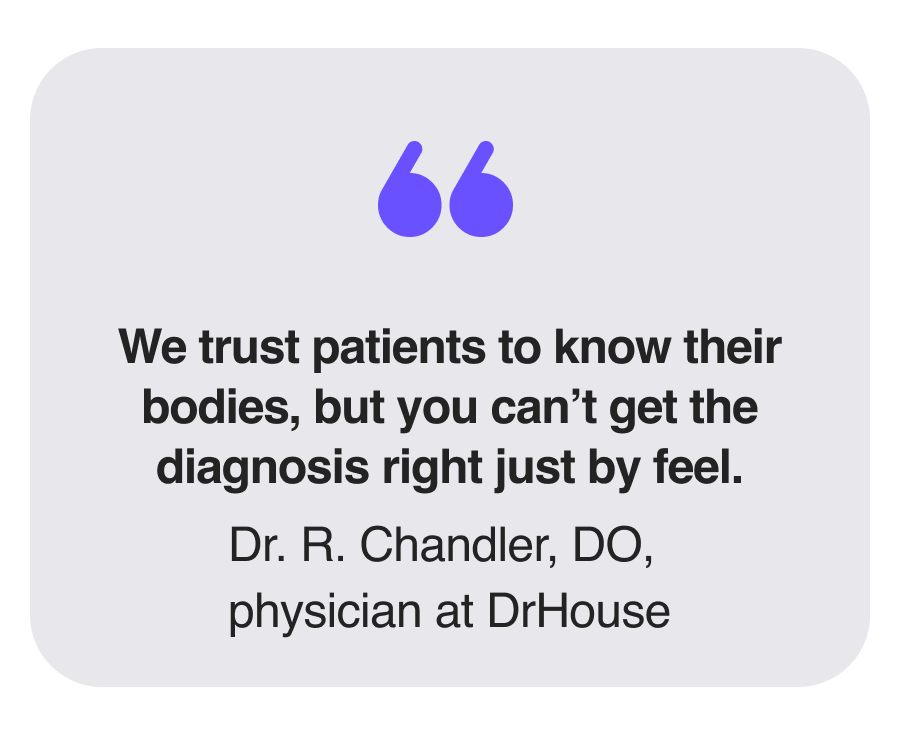
As he puts it, patients can recognize that something feels off, but “they can’t get the diagnosis right and it’s not a hundred percent accurate.”
Feeling fine, or even feeling unwell, doesn’t tell you what’s actually happening inside the body.
|
|
Why Some Conditions Don’t Show Symptoms |
|
One reason this belief persists is because the body is highly adaptable.
Dr. Chandler notes that many conditions don’t create noticeable symptoms, especially in early stages.
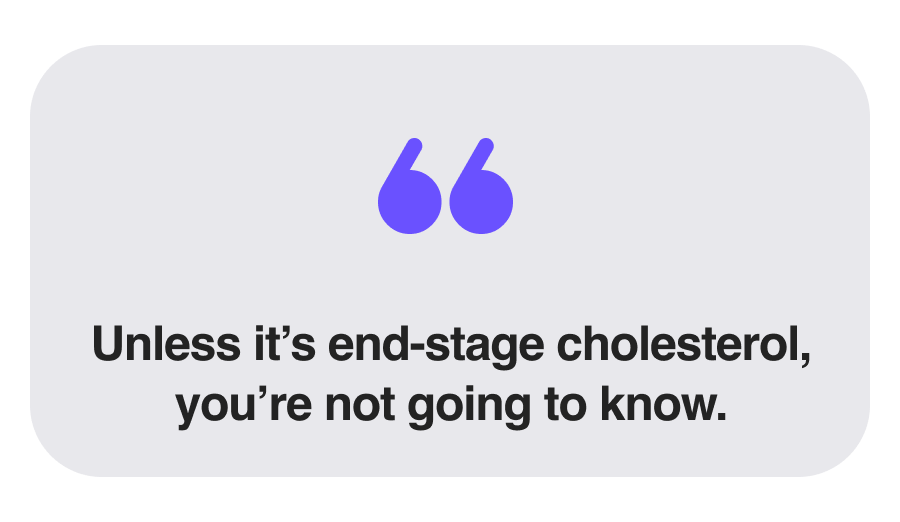
Cholesterol is a clear example. “Unless it’s end-stage cholesterol, you’re not going to know.”
Blood pressure is another. He points out that it’s a common misconception that people can feel when their blood pressure is high.
In reality, blood pressure often causes no symptoms at all until it reaches dangerously high levels.
Other conditions, like thyroid or hormone issues, may cause symptoms, but they’re often vague and easy to dismiss, such as feeling cold, tired, or noticing weight changes.
|
|
How Testing Turns Feelings Into Medical Answers |
|
Dr. Chandler emphasizes that symptoms are real, but they don’t explain the cause on their own.
Belly pain, joint pain, or discomfort tells you something is happening, but not what is happening. That’s where testing comes in.
As he explains, “You have the pain, but we don’t know what that is yet.” Just like a swollen ankle tells you something is wrong but not whether it’s a sprain, fracture, or something else, medical testing helps turn symptoms into answers.
Preventive testing helps identify issues that aren’t obvious from how someone feels day to day.
|
|
How Preventive Care Fits Into Long-Term Health |
|
Preventive care exists to find problems that “might not be showing their face yet.” Dr. Chandler describes preventive care as a way to look beneath the surface, sometimes at things happening internally or even at a cellular level.
He highlights basic measurements like blood work, blood pressure, height, and weight as starting points.
These aren’t done repeatedly without reason. They help establish baselines and identify changes over time, especially for people who don’t regularly see a doctor or who are transitioning between doctors.
Early detection matters because, as he explains, any medical condition is easier to manage when it’s caught early rather than after it’s progressed.
|
|
What Doctors Mean by a “Clean Bill of Health” |
|
Why “I Feel Fine” Isn’t the
Same as Being Healthy
|
|
Medically, a clean bill of health doesn’t just mean someone looks or feels well. Dr. Chandler explains that it means there’s objective information to support it.
“You’ve had some testing,” he says. There’s documentation showing that things like cholesterol, blood counts, and glucose are normal at that point in time. That confirmation matters because health can change.
A clean bill of health isn’t permanent. Life changes, stress, weight changes, or new routines can all affect health over time.
As Dr. Chandler notes, having normal results once doesn’t mean they’ll always stay that way, which is why preventive care isn’t a one-time event.
|
|
Dr. Chandler explains that patients are often partially right when they say they’ll know if something is wrong.
People generally know their bodies and notice pain, discomfort, or changes.
But feeling something isn’t the same as understanding what it means medically.
As he puts it, patients can recognize that something feels off, but “they can’t get the diagnosis right and it’s not a hundred percent accurate.”
Feeling fine, or even feeling unwell, doesn’t tell you what’s actually happening inside the body.
|
|
Why Some Conditions
Don’t Show Symptoms
|
|
One reason this belief persists is because the body is highly adaptable.
Dr. Chandler notes that many conditions don’t create noticeable symptoms, especially in early stages.
Cholesterol is a clear example. “Unless it’s end-stage cholesterol, you’re not going to know.”
Blood pressure is another. He points out that it’s a common misconception that people can feel when their blood pressure is high.
In reality, blood pressure often causes no symptoms at all until it reaches dangerously high levels.
Other conditions, like thyroid or hormone issues, may cause symptoms, but they’re often vague and easy to dismiss, such as feeling cold, tired, or noticing weight changes.
|
|
How Testing Turns Feelings
Into Medical Answers
|
|
Dr. Chandler emphasizes that symptoms are real, but they don’t explain the cause on their own.
Belly pain, joint pain, or discomfort tells you something is happening, but not what is happening. That’s where testing comes in.
As he explains, “You have the pain, but we don’t know what that is yet.” Just like a swollen ankle tells you something is wrong but not whether it’s a sprain, fracture, or something else, medical testing helps turn symptoms into answers.
Preventive testing helps identify issues that aren’t obvious from how someone feels day to day.
|
|
How Preventive Care Fits
Into Long-Term Health
|
|
Preventive care exists to find problems that “might not be showing their face yet.”
Dr. Chandler describes preventive care as a way to look beneath the surface, sometimes at things happening internally or even at a cellular level.
He highlights basic measurements like blood work, blood pressure, height, and weight as starting points.
These aren’t done repeatedly without reason. They help establish baselines and identify changes over time, especially for people who don’t regularly see a doctor or who are transitioning between doctors.
Early detection matters because, as he explains, any medical condition is easier to manage when it’s caught early rather than after it’s progressed.
|
|
What Doctors Mean by a
“Clean Bill of Health”
|
|
Medically, a clean bill of health doesn’t just mean someone looks or feels well.
Dr. Chandler explains that it means there’s objective information to support it.
“You’ve had some testing,” he says. There’s documentation showing that things like cholesterol, blood counts, and glucose are normal at that point in time.
That confirmation matters because health can change.
A clean bill of health isn’t permanent. Life changes, stress, weight changes, or new routines can all affect health over time.
As Dr. Chandler notes, having normal results once doesn’t mean they’ll always stay that way, which is why preventive care isn’t a one-time event.
|
|
|
|
|