Allergies Are A Prevention Problem |
|
Most people treat allergies only after they feel bad.
They wait until the congestion, sneezing, itchy eyes, or sinus pressure has already started. But Dr. Galic sees it differently.
“With allergies, it’s actually a prevention thing,” she explains.
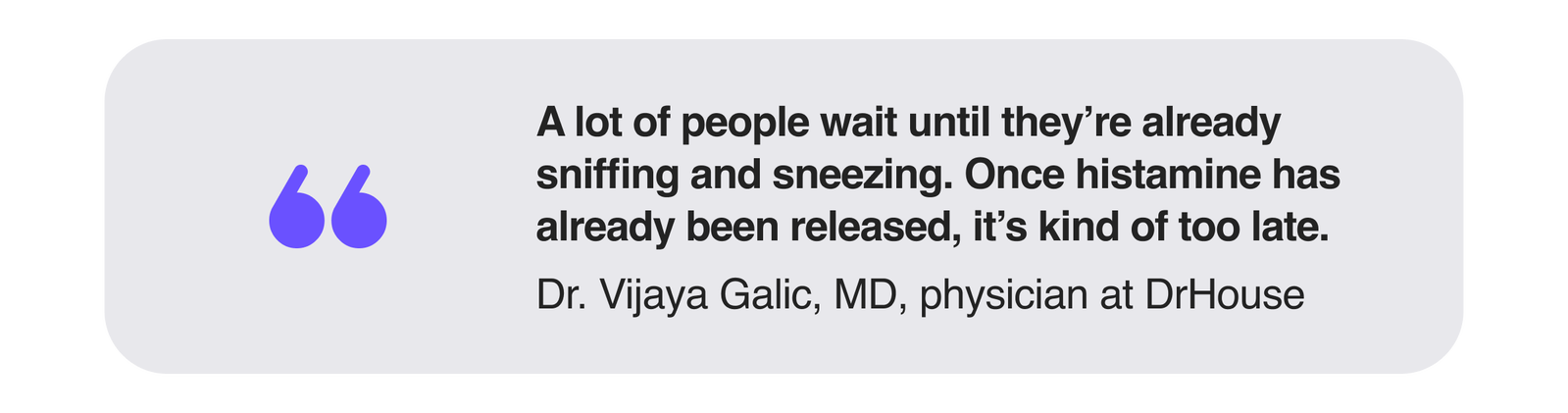
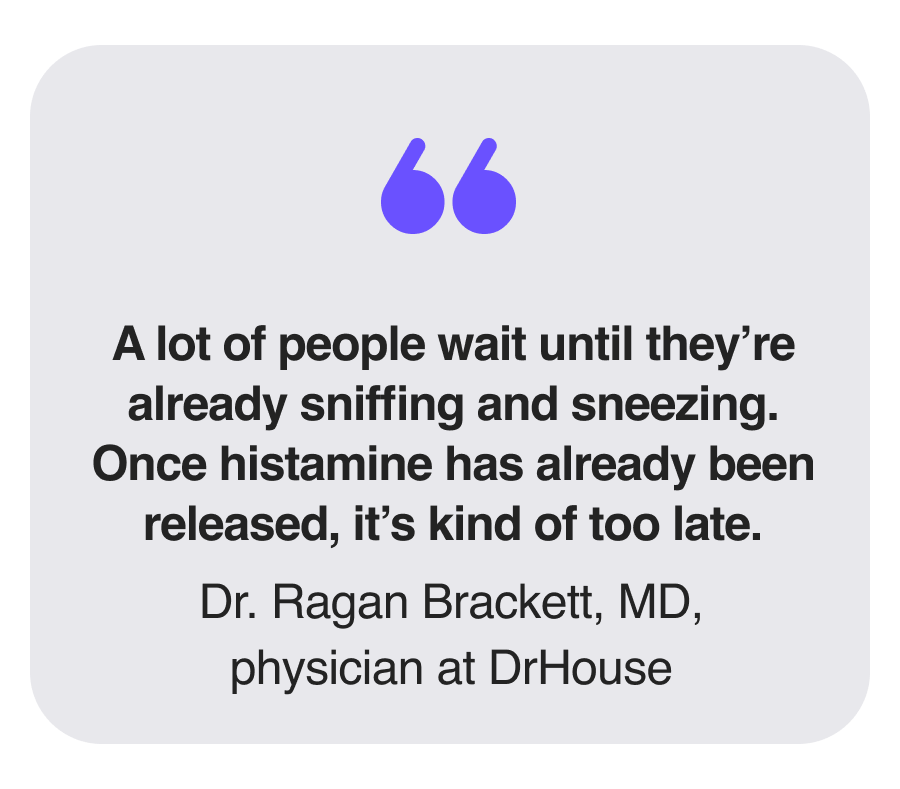
That means the timing matters. As she puts it, “Once the histamine is all floating around and you’re sniffing and sneezing, it’s kind of too late.”
The goal is not to chase symptoms after they take over. It is to get ahead of the reaction before it becomes harder to calm down.
|
|
Why Waiting Makes Symptoms Harder To Control |
|
When asked when people should start preparing for allergy season, Dr. Galic’s answer is simple. “Like now. Like yesterday.” That is the part many people miss.
Allergy care often works best when it becomes part of the routine early, not something people start only after they are miserable.
|
|
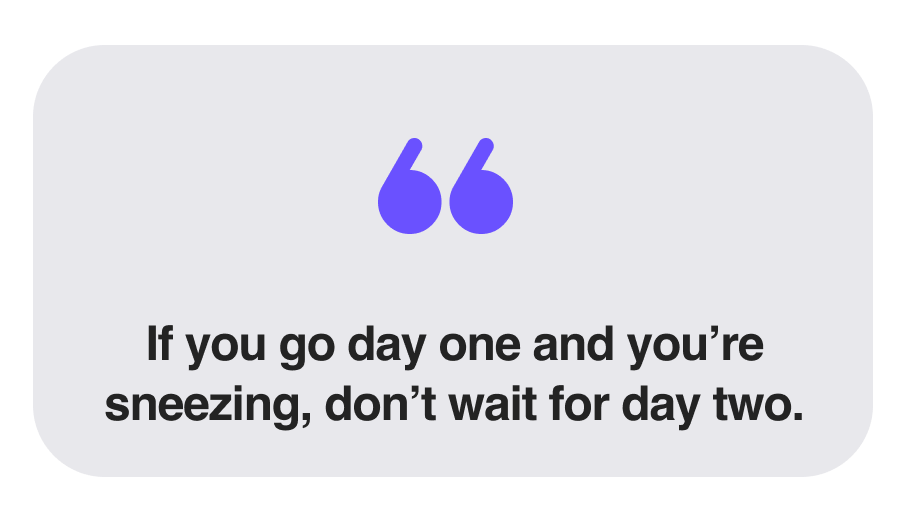
“If you go day one and you’re sneezing, don’t wait for day two,” Dr. Galic says. “Just load up every single day going forward.”
For patients who deal with seasonal symptoms every year, waiting is usually what makes the season feel worse.
|
|
The Basics Only Work When You Use Them |
|
Dr. Galic sees a lot of patients overlook the simple parts of allergy care.
“There are all these really nice products over the counter and people overlook them,” she says. Or they use them inconsistently.
|
|
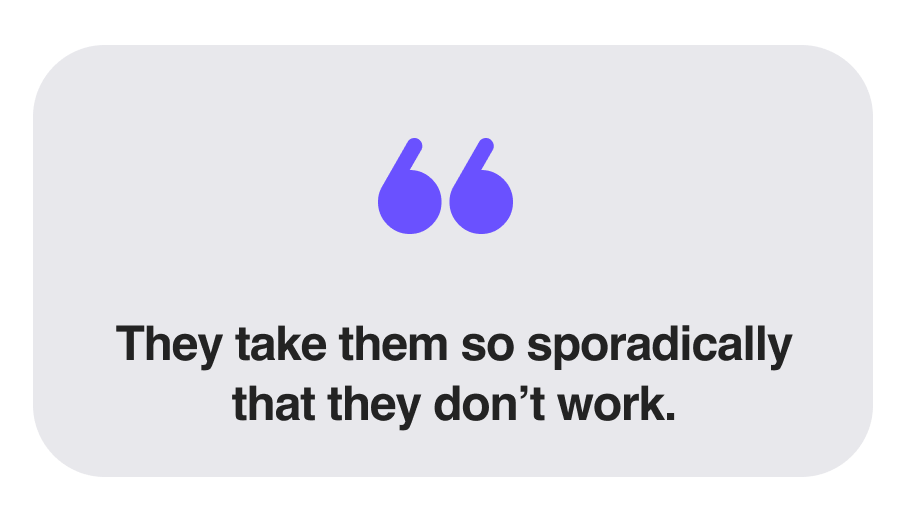
“They take them so sporadically that they don’t work.”
That is why she spends time walking patients through the basics. Rinsing out pollen, treating nasal symptoms, using eye drops when needed, and staying consistent can all matter.
As Dr. Galic explains, “Take it once a day, every day. Make sense?”
The issue is not always that nothing works. Sometimes the problem is that the right steps are started too late or used too randomly.
|
|
Pollen Does Not Stop At Your Nose |
|
Pollen is not just a sneezing problem. Dr. Galic says she sees it affect people with reactive airways too. “All the asthmatics are reacting,” she explains.
That can make allergy season feel like something else entirely. Some people may notice coughing, wheezing, chest irritation, or symptoms that feel more respiratory than seasonal.
And even people who do not usually think of themselves as allergy sufferers can react. “Pollen is very offensive,” Dr. Galic says.
That is why symptoms can feel confusing. What looks like a cold, sinus issue, or lingering cough may still be tied to what is happening outside.
|
|
More Allergy Medicine Is Not Always Better |
|
When symptoms feel bad, people often start combining medications.
But Dr. Galic says that is one of the common mistakes she corrects.
“My favorite allergy combo that I correct people all the time is they’re taking both Zyrtec and Benadryl,” she says.
|
|
The issue is not just that people are treating symptoms. It is that they may be doubling up without understanding what each medication is doing.
As Dr. Galic explains, selective antihistamines are meant to give a longer block on the receptor that matters.
“You’re not gaining anything,” she says about adding Benadryl on top, “but that’s a common mistake.”
The point is not to take more. It is to use the right approach consistently and at the right time.
|
|
Dr. Dr. Vijaya Galic, MD
OB-GYN
Dr. Galic provides data-driven, guideline-based care across primary care, women’s health, urology, and complex conditions.
|
|
|
|
Allergies Are A Prevention Problem |
|
Most people treat allergies only after they feel bad.
They wait until the congestion, sneezing, itchy eyes, or sinus pressure has already started.
But Dr. Galic sees it differently.
“With allergies, it’s actually a prevention thing,” she explains.
That means the timing matters.
As she puts it, “Once the histamine is all floating around and you’re sniffing and sneezing, it’s kind of too late.”
The goal is not to chase symptoms after they take over. It is to get ahead of the reaction before it becomes harder to calm down.
|
|
Why Waiting Makes Symptoms Harder To Control |
|
When asked when people should start preparing for allergy season, Dr. Galic’s answer is simple.
“Like now. Like yesterday.”
That is the part many people miss.
Allergy care often works best when it becomes part of the routine early, not something people start only after they are miserable.
|
|
“If you go day one and you’re sneezing, don’t wait for day two,” Dr. Galic says. “Just load up every single day going forward.”
For patients who deal with seasonal symptoms every year, waiting is usually what makes the season feel worse.
|
|
The Basics Only Work When You Use Them |
|
Dr. Galic sees a lot of patients overlook the simple parts of allergy care.
“There are all these really nice products over the counter and people overlook them,” she says. Or they use them inconsistently.
|
|
“They take them so sporadically that they don’t work.”
That is why she spends time walking patients through the basics. Rinsing out pollen, treating nasal symptoms, using eye drops when needed, and staying consistent can all matter.
As Dr. Galic explains, “Take it once a day, every day. Make sense?”
The issue is not always that nothing works. Sometimes the problem is that the right steps are started too late or used too randomly.
|
|
Pollen Does Not Stop At Your Nose |
|
Pollen is not just a sneezing problem.
Dr. Galic says she sees it affect people with reactive airways too.
“All the asthmatics are reacting,” she explains.
That can make allergy season feel like something else entirely.
Some people may notice coughing, wheezing, chest irritation, or symptoms that feel more respiratory than seasonal.
And even people who do not usually think of themselves as allergy sufferers can react.
“Pollen is very offensive,” Dr. Galic says. That is why symptoms can feel confusing.
What looks like a cold, sinus issue, or lingering cough may still be tied to what is happening outside.
|
|
More Allergy Medicine Is Not Always Better |
|
When symptoms feel bad, people often start combining medications.
But Dr. Galic says that is one of the common mistakes she corrects.
“My favorite allergy combo that I correct people all the time is they’re taking both Zyrtec and Benadryl,” she says.
|
|
The issue is not just that people are treating symptoms. It is that they may be doubling up without understanding what each medication is doing.
As Dr. Galic explains, selective antihistamines are meant to give a longer block on the receptor that matters.
“You’re not gaining anything,” she says about adding Benadryl on top, “but that’s a common mistake.”
The point is not to take more. It is to use the right approach consistently and at the right time.
|
|
Dr. Vijaya Galic, MD
OB-GYN
Dr. Galic provides data-driven, guideline-based care across primary care, women’s health, urology, and complex conditions.
|
|
|
|
|
|
|