When Patients Start With Google |
|
A lot of patients come into a visit already carrying a diagnosis they found online. And according to Dr. Barry, that usually means they are bracing for the worst.
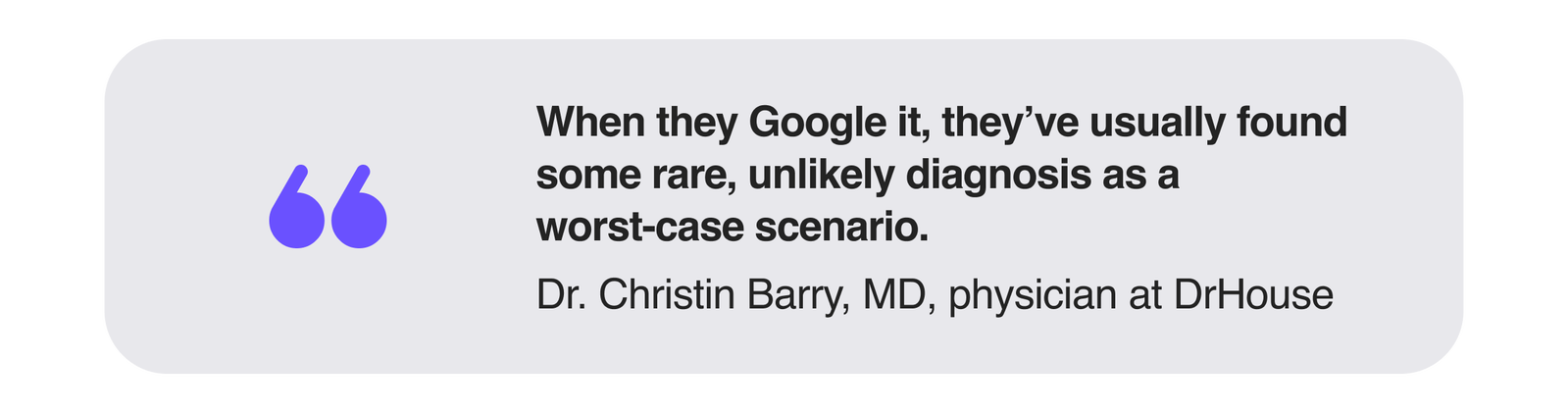
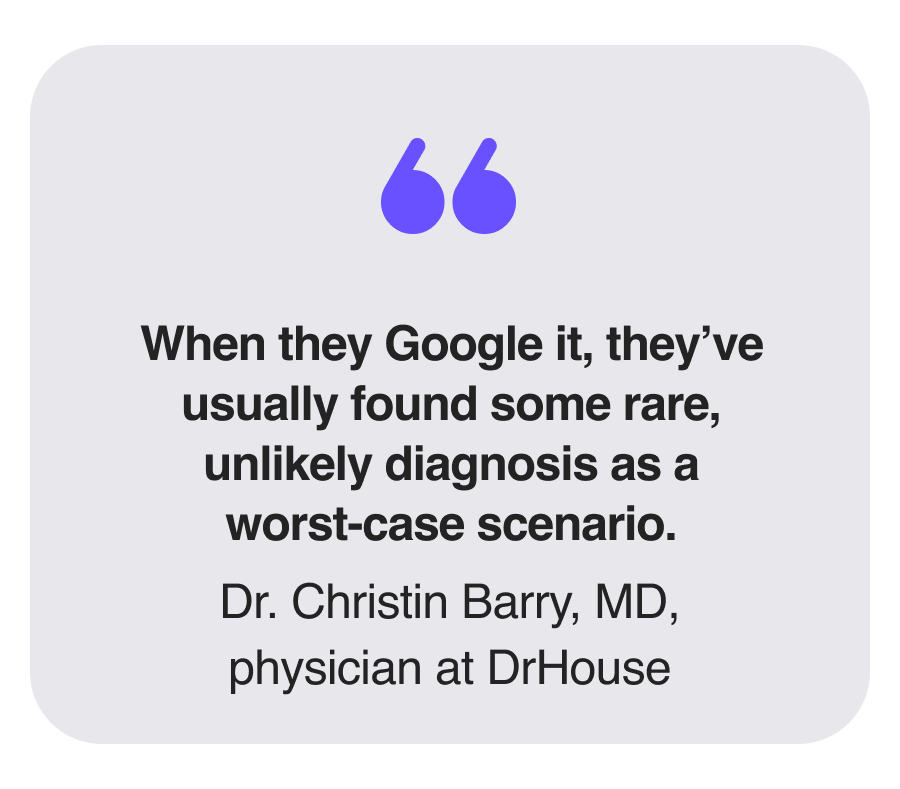
“When they Google it, they’ve probably Googled it and found some usually rare, unlikely diagnosis as a worst-case scenario.”
That does not mean patients are doing something wrong. It means they are trying to make sense of what they are feeling. But symptom searches often take people straight to the scariest answer instead of the most likely one.
“Then I have to make sure that it’s not that crazy diagnosis and probably more likely something much more common and treatable.”
|
|
Why Search Results Can Create More Fear Than Clarity |
|
Looking up symptoms can feel productive in the moment, but it does not always lead to better decisions. In Dr. Barry’s experience, online searches can create confusion because they lack real medical judgment.
“I don’t really like Googling.”
Her concern is not just the information itself. It is the fact that online results do not understand the full picture behind the symptoms.
|
|
That context is what helps separate a common issue from something that truly needs urgent attention. |
|
What a Doctor Sees That Google Cannot |
|
A symptom on its own is rarely the whole story. Doctors are trained to interpret symptoms through experience, history, timing, and pattern recognition. Dr. Barry puts it simply:
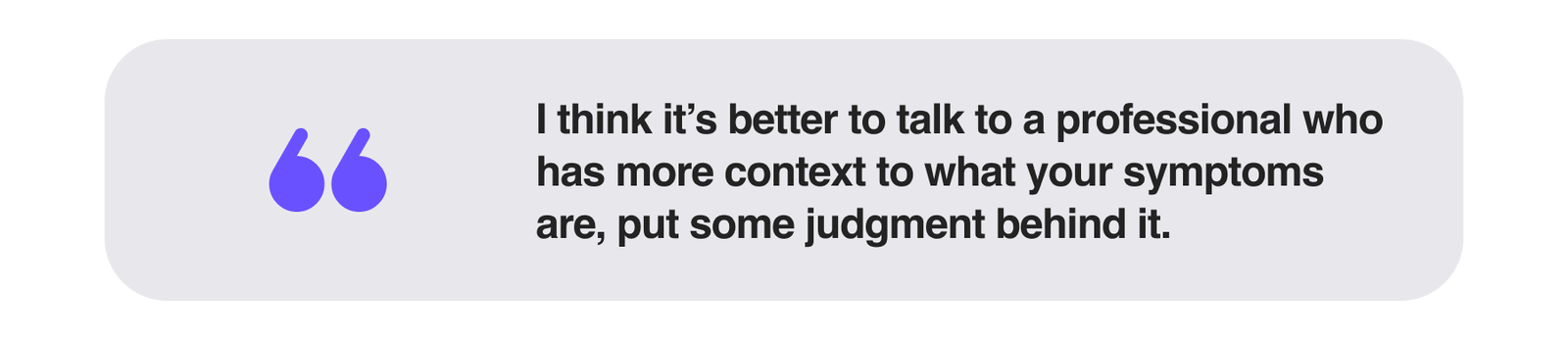
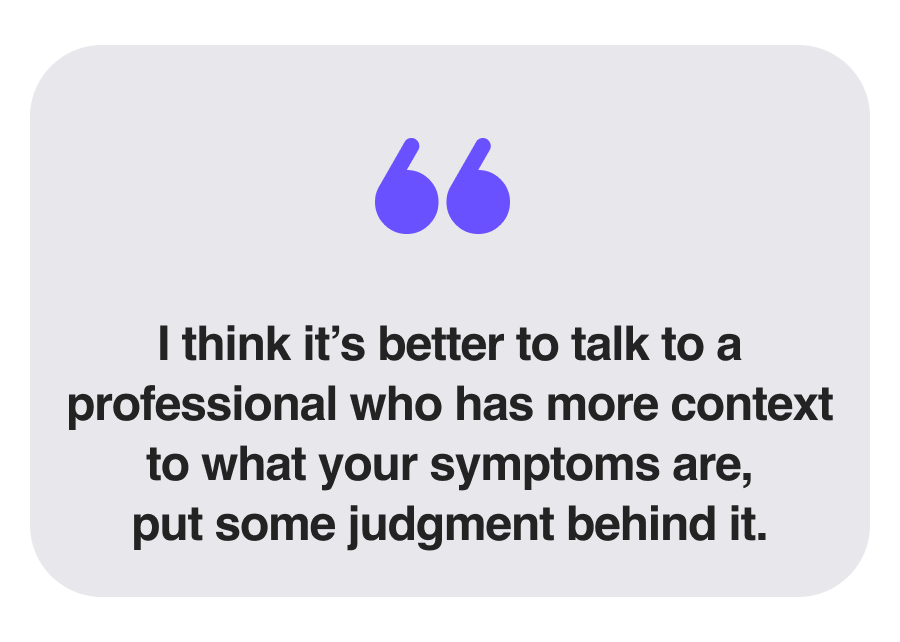
“It’s better to talk to a professional who has more context to what your symptoms are.”
That extra context matters because two people can search the exact same symptom and still have completely different diagnoses.
A doctor is not just matching words to a list. A doctor is weighing what is most likely, what fits the bigger picture, and what needs to be ruled out.
“Put some judgment behind it.”
That is the difference between reading information and actually practicing medicine.
|
|
Where AI May Help and Where It Should Stop |
|
Dr. Barry sees some potential for AI behind the scenes, but she is clear about its limits when it comes to patient care. |
|
In other words, AI may help generate possibilities. But it should not be the final decision-maker.
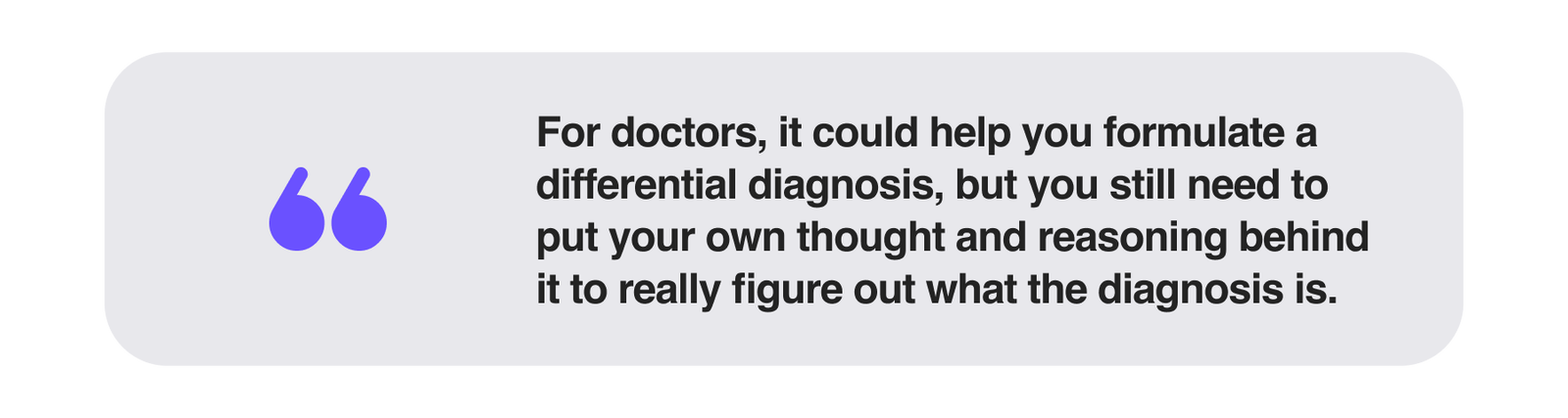
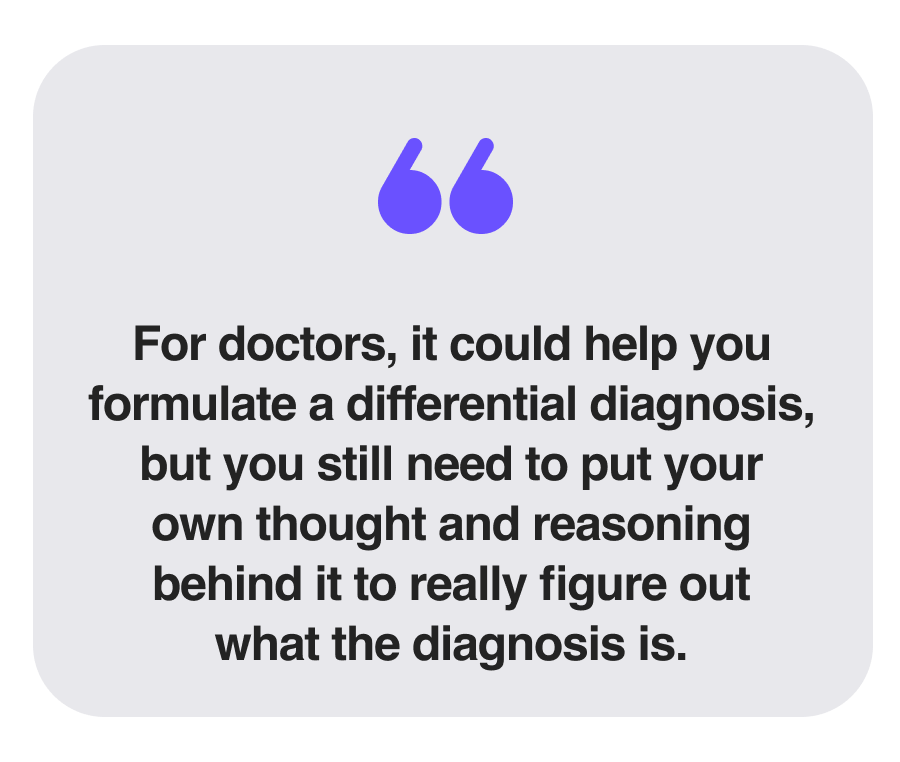
“It could help you broaden your differential so you’re considering more things, but at the end of the day, it really can’t diagnose things.”
And her bottom line is direct:
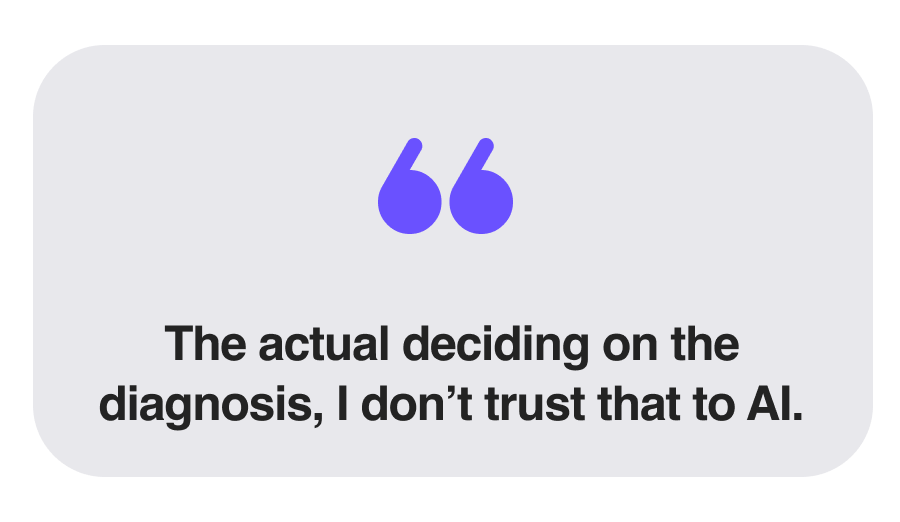
“I don’t trust it to diagnose things at this point.”
|
|
The Diagnosis Still Needs a Doctor |
|
Even with all the new tools available online, Dr. Barry believes the most important part of care still comes down to human medical expertise. |
|
She also points out the real risk of relying too heavily on technology for something this important. If a serious condition is missed, the consequences are not theoretical. They affect real people and real outcomes.
“I wouldn’t trust it to rule out very serious diagnoses.”
That is why symptom checkers, Google searches, and AI tools may be a starting point for questions, but they are not a replacement for a real medical evaluation. When something feels off, the safest next step is still talking to a doctor.
|
|
When Patients Start With Google |
|
A lot of patients come into a visit already carrying a diagnosis they found online. And according to Dr. Barry, that usually means they are bracing for the worst.
“When they Google it, they’ve probably Googled it and found some usually rare, unlikely diagnosis as a worst-case scenario.”
That does not mean patients are doing something wrong. It means they are trying to make sense of what they are feeling.
But symptom searches often take people straight to the scariest answer instead of the most likely one.
“Then I have to make sure that it’s not that crazy diagnosis and probably more likely something much more common and treatable.”
|
|
Why Search Results Can Create More Fear Than Clarity |
|
Looking up symptoms can feel productive in the moment, but it does not always lead to better decisions.
In Dr. Barry’s experience, online searches can create confusion because they lack real medical judgment.
“I don’t really like Googling.”
Her concern is not just the information itself. It is the fact that online results do not understand the full picture behind the symptoms.
|
|
That context is what helps separate a common issue from something that truly needs urgent attention. |
|
What a Doctor Sees That Google Cannot |
|
A symptom on its own is rarely the whole story. Doctors are trained to interpret symptoms through experience, history, timing, and pattern recognition.
Dr. Barry puts it simply:
“It’s better to talk to a professional who has more context to what your symptoms are.”
That extra context matters because two people can search the exact same symptom and still have completely different diagnoses.
A doctor is not just matching words to a list. A doctor is weighing what is most likely, what fits the bigger picture, and what needs to be ruled out.
“Put some judgment behind it.”
That is the difference between reading information and actually practicing medicine.
|
|
Where AI May Help and Where It Should Stop |
|
Dr. Barry sees some potential for AI behind the scenes, but she is clear about its limits when it comes to patient care. |
|
In other words, AI may help generate possibilities. But it should not be the final decision-maker.
“It could help you broaden your differential so you’re considering more things, but at the end of the day, it really can’t diagnose things.”
And her bottom line is direct:
“I don’t trust it to diagnose things at this point.”
|
|
The Diagnosis Still Needs a Doctor |
|
Even with all the new tools available online, Dr. Barry believes the most important part of care still comes down to human medical expertise. |
|
She also points out the real risk of relying too heavily on technology for something this important.
If a serious condition is missed, the consequences are not theoretical. They affect real people and real outcomes.
“I wouldn’t trust it to rule out very serious diagnoses.”
That is why symptom checkers, Google searches, and AI tools may be a starting point for questions, but they are not a replacement for a real medical evaluation.
When something feels off, the safest next step is still talking to a doctor.
|
|
|
|
|