|
One afternoon nearly 30 years ago, I stood on a hilltop watching a city burn. It was the day after South Africa had sent troops into its neighbour, Lesotho, to “restore order” after an army mutiny. It was supposed to be easy. South Africa is the big regional power. Lesotho is tiny. The distance from the border to the centre of Lesotho’s capital, Maseru, is only a few hundred metres. Yet somehow the South Africans messed it up, unleashing utter mayhem that ended with scores dead and mobs burning shops and factories to the ground.
This forgotten calamity illustrates two truths about war. First, the leaders who order troops into battle are rarely as smart as they think they are. They overestimate their own strength; they fail to understand the other side. Second, when people see foreign forces marching into their country, they tend to respond ferociously. Both are reasons to be wary of starting wars of choice. This week’s cover story adds a third.
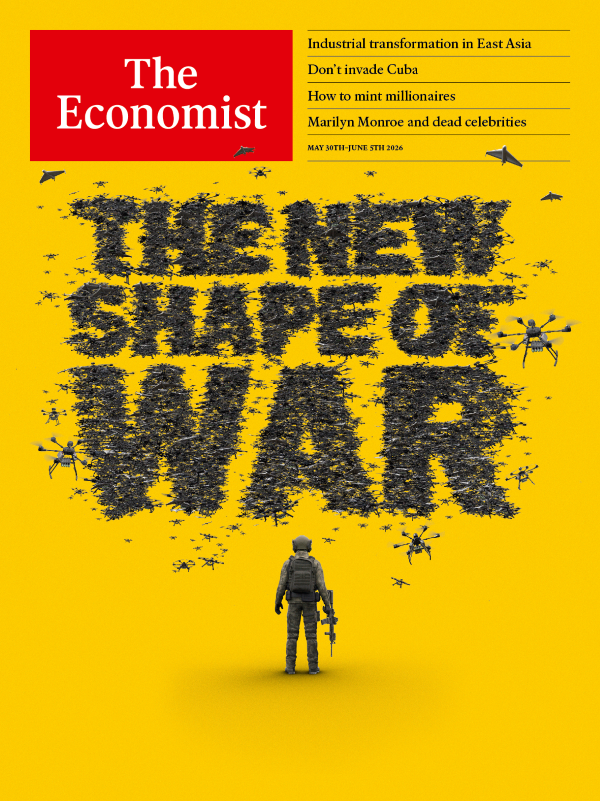
An essay
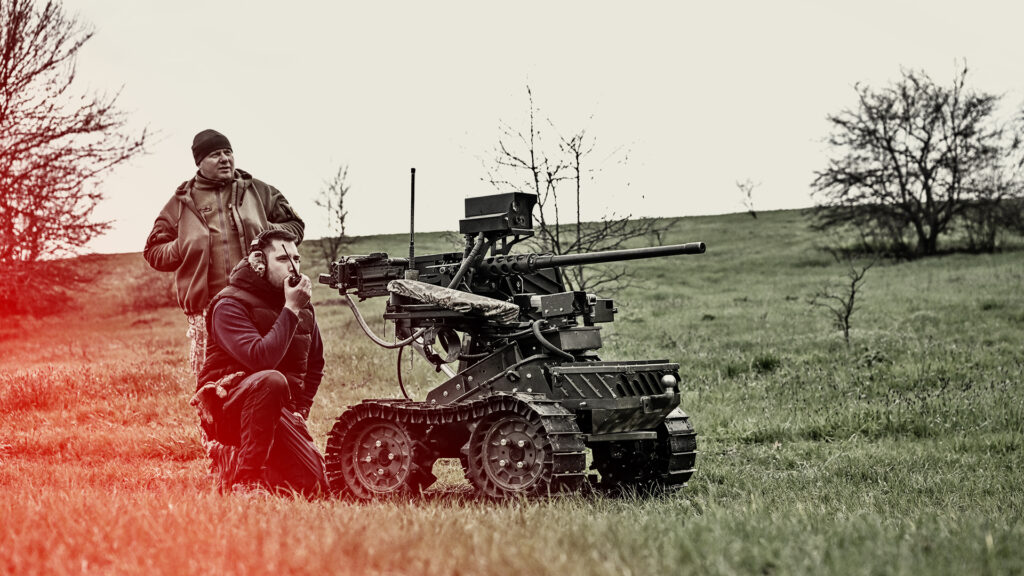
by our outgoing defence editor, Shashank Joshi, describes how technology has made it cheaper and easier for weaker powers to resist stronger ones. Think of the swarms of Ukrainian drones that
obliterate Russian invaders
every time they try to advance. Or the low-cost Iranian munitions that have closed the Strait of Hormuz, hobbled the global economy and humiliated an American president.
In a leader,
Shashank explains how these and other developments have changed the calculus of war. Attacking another country was always a gamble. As technology gets smarter, the odds for aggressors have got worse: wars of choice are more likely to end in ignominious failure. Xi Jinping might do well to read Shashank’s essay.
This week’s edition of The Insider will dig deeper into all of this. Shashank will be joined by Adam Roberts, our foreign editor, and a panel of our correspondents. Subscribers can
watch the episode now.
|


















 Listen