|
My former neighbour, a delightful, fiercely independent lady who died in her mid-nineties, often told me she hated computers. She didn’t own one, didn’t want one and bristled when her bank suggested she switch to an online account on the smartphone she didn’t have. It would have been pointless to argue that banking apps are actually quite convenient. She didn’t want to change.
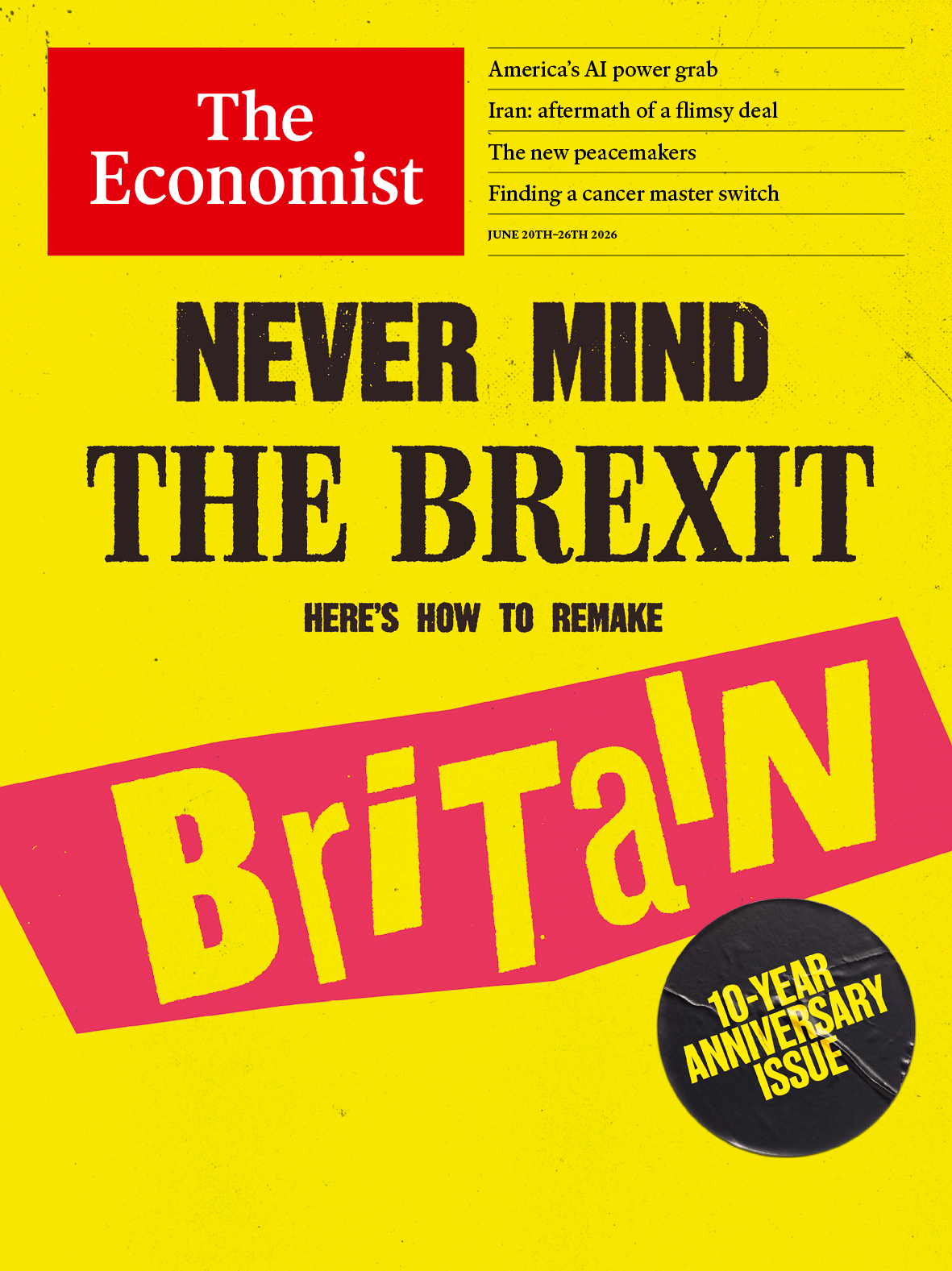
Both our cover stories this week are, in different ways, about the frantic pace of change and the resistance it provokes. In our British edition, we reflect on the ten years since
the Brexit referendum.
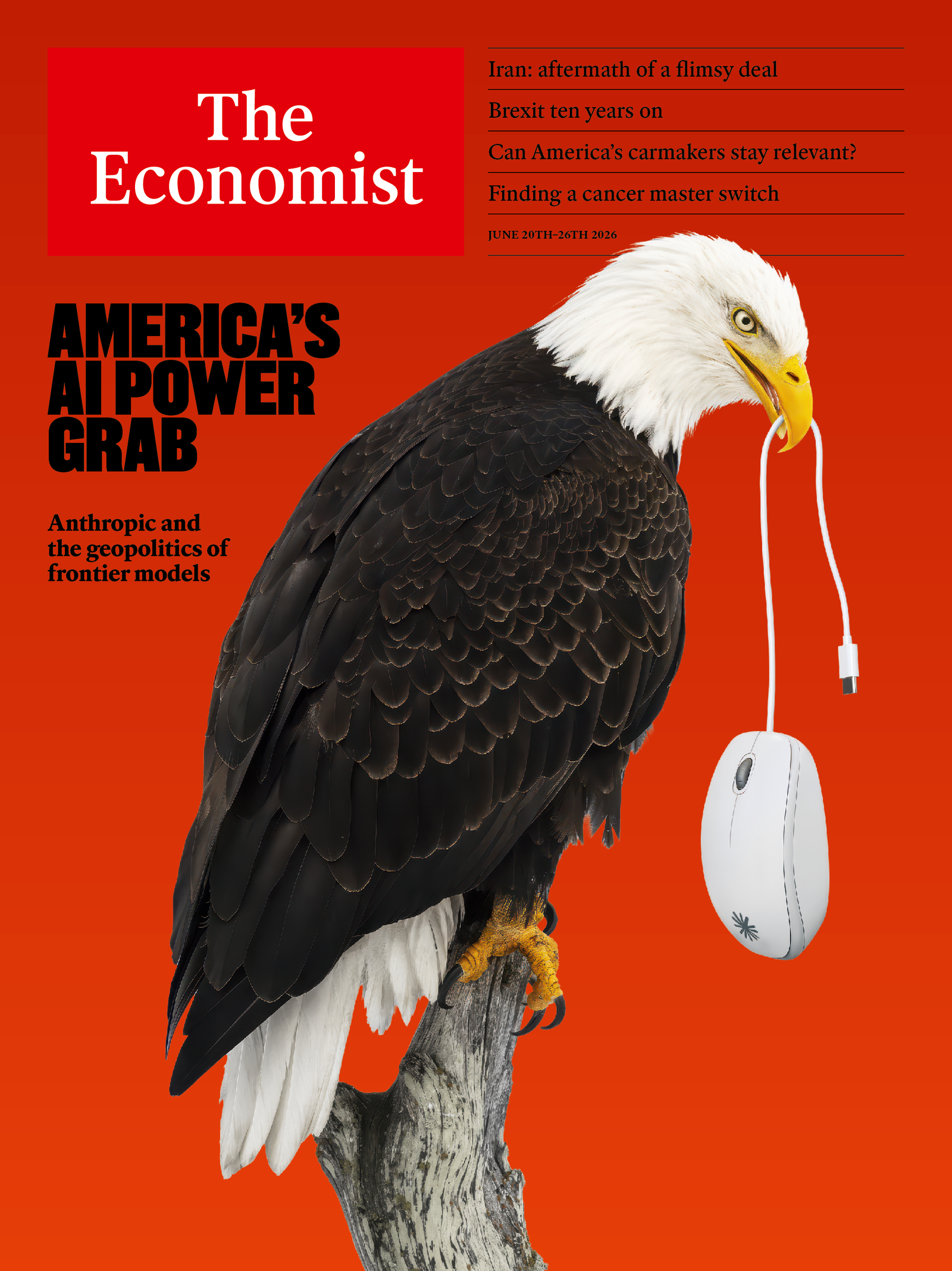
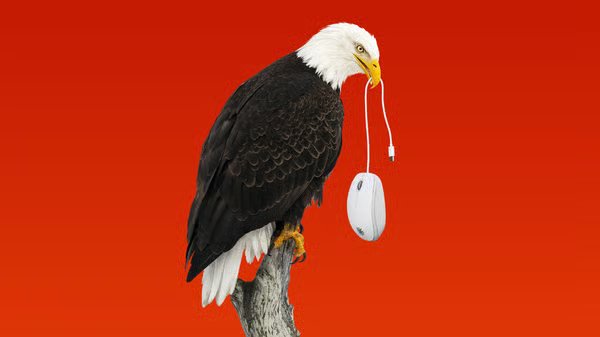
In our editions in the rest of the world, we look at Donald Trump’s decision to restrict access to
the world’s most advanced AI models.
The British story is simpler. In 2016 nearly 80% of those who strongly agreed that “things in Britain were better in the past” voted for Brexit. Leaving the European Union was touted as a magic wand to restore whatever it was you liked about the way things used to be. In fact, it made Britain
more divided, less influential and poorer
than it would otherwise have been. Yet the idea, common among remainers, that rejoining the EU will bring back everything good about the pre-Brexit days is
also deluded.
Britain is not politically ready. And history has moved on. Rather than spending another decade arguing about Europe, Britain should be concentrating on more
urgent challenges,
such as boosting its capabilities in defence and AI.
Over in America, meanwhile, another political movement founded on nostalgia (“Make America Great Again”) is grappling with a supremely disruptive technology. Anthropic, the American firm that makes what is (for now) the most powerful AI model, has been vocal about the possible downsides of further progress, from mass joblessness to the creation of new bioweapons, and has
called for more prudent regulation.
The Trump administration has responded impetuously. Citing security concerns, it has banned non-Americans from accessing Fable and Mythos, Anthropic’s frontier models, forcing the firm to switch them off for everyone. America’s government wields an awesome power: to decide who can use the world’s most important technology. Even its closest allies are
left in the cold.
We argue for a more nuanced approach. It is hardly in America’s interest to push every other country to team up with China. The broader AI story is unfolding so rapidly—and provoking such disquiet among voters—that we will have to return to it soon.
Before I leave you, I encourage you to watch
the new episode of The Insider.
Zanny Minton Beddoes, our editor-in-chief, is joined by a panel of experts to discuss
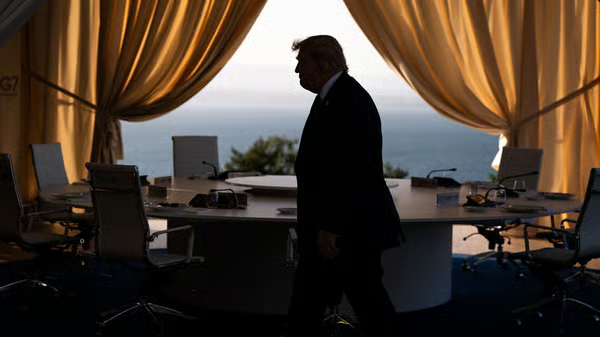
America’s deal
with Iran. Mr Trump has made big concessions to Iran to end his war. What is he getting in return?
|



















 Listen