|
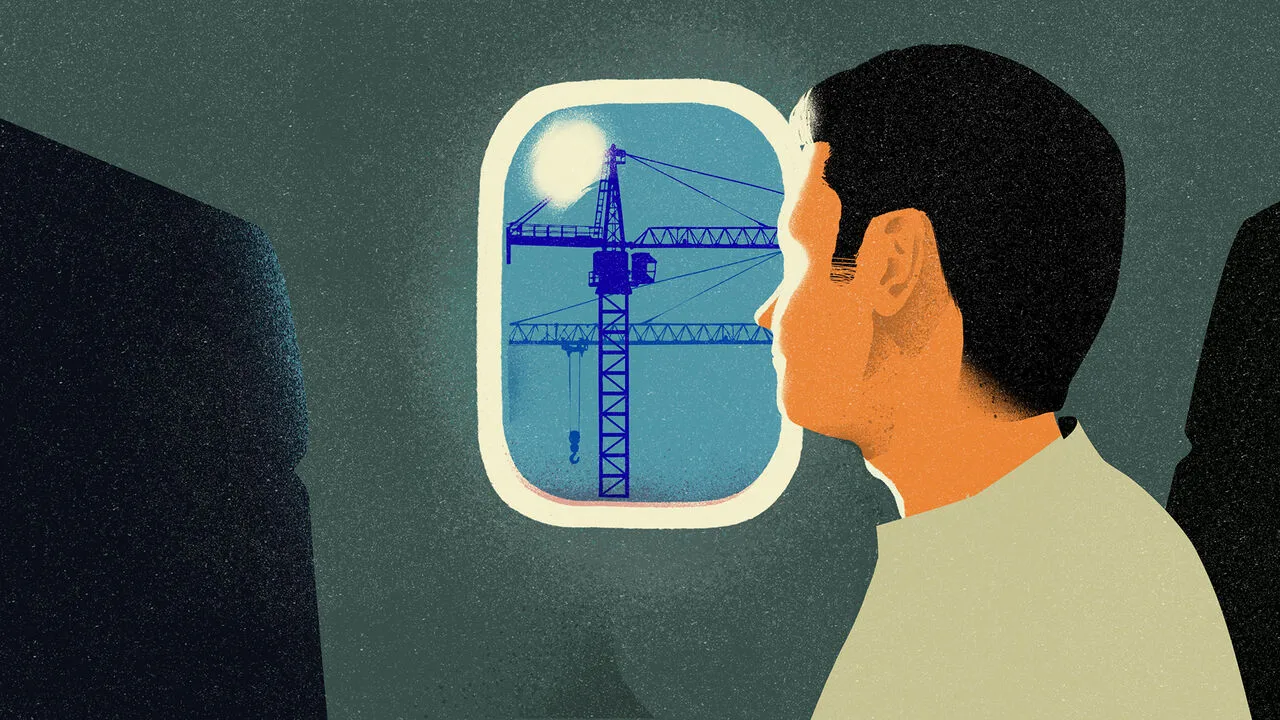
There are two types of products that you cannot avoid in India: those produced by the Tata Group and those endorsed by Shah Rukh Khan (SRK). The Bollywood heart-throb is on a packet of basmati rice in my cupboard dressed as a chef in a blue apron. He is on a billboard on my commute, endorsing cement in a hard hat. Try to escape on a flight out of India and you will find him staring back at you from an advert on the seat in front, wearing a smart suit and flogging a luxury development in Dubai.
It is the other stalwart of Indian business that I have been
writing about this week,
the salt-to-software conglomerate Tata. It is almost as ubiquitous as SRK. The streets are full of Tata vehicles, buildings are built from Tata steel. Swig a bottle of water and Tata probably bottled it or cool down with a Starbucks frappuccino and it will be brought to you by Tata, who partner with the coffee shop. If you’re reading this on an iPhone there’s a good chance that it was manufactured by Tata at one of its new electronics factories. Visit India and you are likely to stay in a Tata hotel. You might even arrive on a Tata flight.
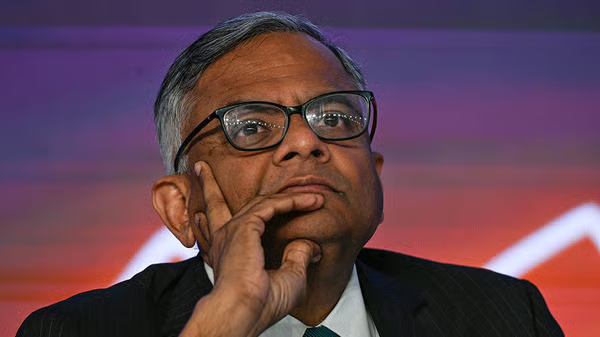
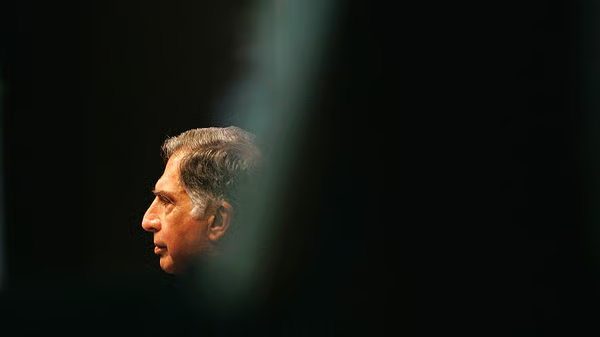
So what happens at Tata matters to India at large. The company has become embroiled in boardroom drama over the past year as it adjusts to the death of longtime boss Ratan Tata who passed away in October 2024. It is a story rich in both family drama and business strategy. It involves the relationship between: Tata Trusts, the charities set up by the Tata family and the largest shareholder of the holding company; the Mistrys, another business family linked to the Tatas, and like them, Parsi; the management of the company caught between them; and the Reserve Bank of India, the central bank, keen to improve the regulation of opaque financial corporations. It has even drawn in Amit Shah, the home minister, and Nirmala Sitharaman, the finance minister, who met the conglomerate’s
leadership in New Delhi last year to push for stability.
Underneath this cast of characters worthy of a prestige television drama is the story of a business going through transformation. On the surface the Tata Group, with its patrician leadership, employee-welfare schemes and century-old charitable trusts, appears a stodgy Victorian relic. But as I was reporting on it this week it occurred to me there is another way to look at the business: as a national venture-capital fund. Attempts to build a high-tech industrial base for India—semiconductor fabs, smartphone assembly plants, gigafactories—are absorbing vast amounts of the businesses’ capital. That is all funded by previous successes, including the dividends from Tata Consultancy Services, an IT giant, and the listing of Tata Capital, a finance arm that was last
year’s biggest Indian initial public offering. Just as in a VC fund, past successes fund moonshots, some of which may not work out: Tata Neu, an attempt to build a consumer “super app”, for instance, is being scaled back.
There are some big differences, however. Venture capital funds normally make hundreds of small bets. The overwhelming majority fail while the handful of exponential successes pay for everything. Tata is making a smaller number of highly concentrated bets. It is chiefly betting on capital-intensive manufacturing, and airlines, rather than the software industry. That increases the pressure to make sure each bet eventually pays off. Success depends on simultaneously picking the winners but also executing their delivery at scale and avoiding catastrophic losses. That is a far bigger challenge, and one with much higher stakes, than SRK deciding which brands deserve his likeness.
Please write to us with your thoughts at:
[email protected].
|