|
In the days when Amazon was just an online bookseller, I gave a speech celebrating how digital technology was broadening people’s horizons. From the comfort of your home, I gushed to an audience of young Brits and Germans, you can order novels from Brazil, manga from Japan, astrophysics textbooks from America—and they will arrive in a matter of days! (I was then upstaged by a not-yet-famous Michael Gove performing a rap about the European Union, but that is another story.)
It turns out that I was wrong. As our
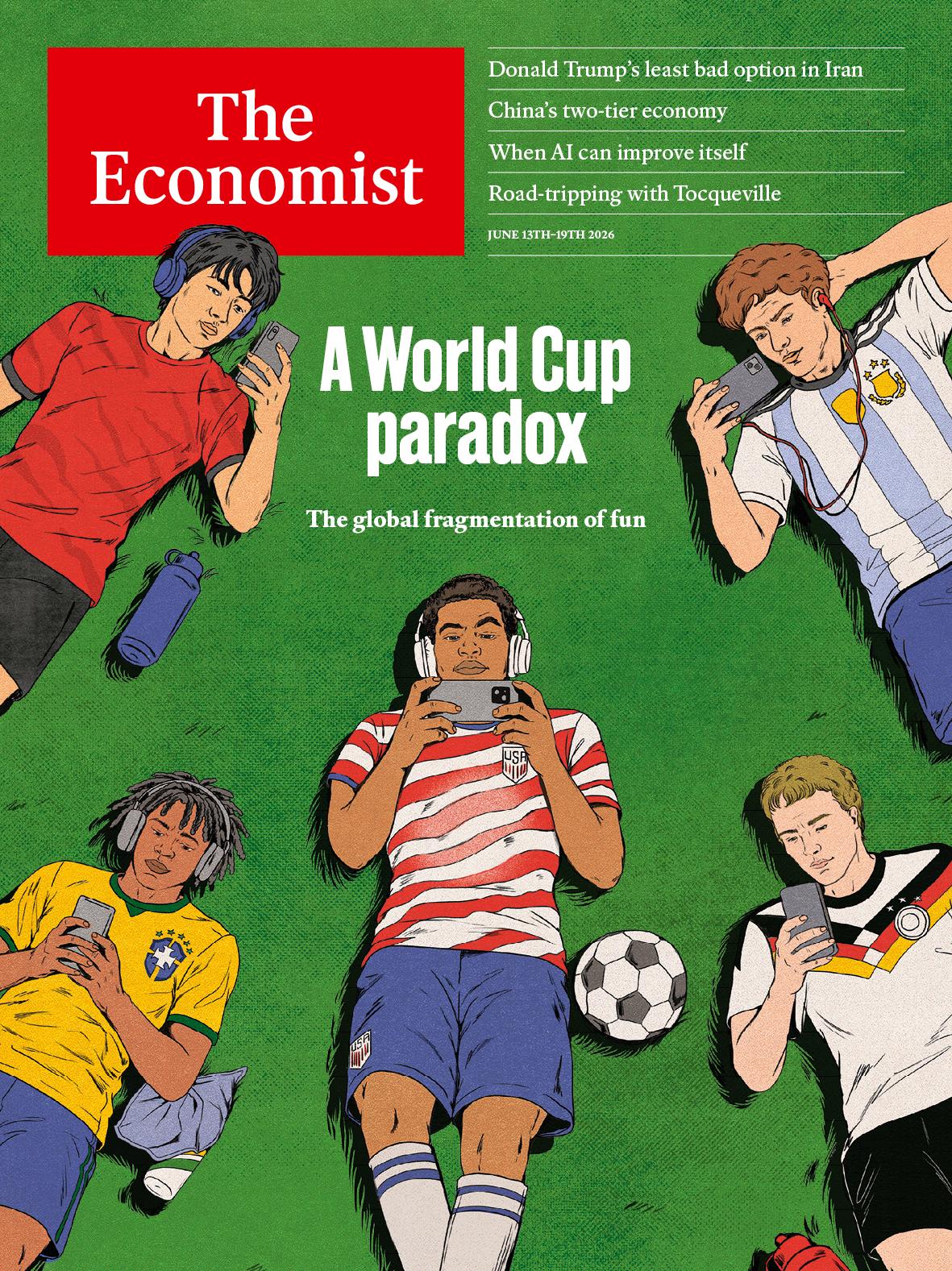
cover package
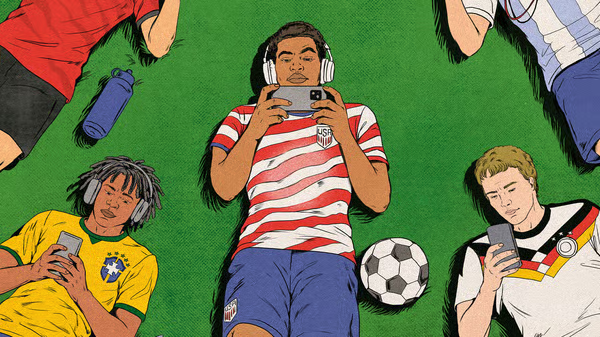
explains this week, although technology does indeed give people almost limitless options, they are increasingly choosing entertainment from close to home. Only a tiny number of
mega-spectacles,
such as the
World Cup,
can seize the attention of the whole planet. The rest of the time, people crave local fare.
This has long been true of sport. America’s National Football League earns 98% of its media-rights revenues at home. New Yorkers may be
transfixed by the Knicks,
but much of the world has never heard of them.
What’s new is that streaming and cheap digital-production techniques make it profitable for global firms such as Amazon, Netflix and Spotify to make and distribute lots of local shows and songs for
local audiences,
rather than selling an American monoculture to everyone. In Brazil, 96 of the 100 most-streamed musicians last week were Brazilian. In video, North America’s share of the world’s new streaming commissions has halved in the past six years. Even gaming has localised: across the five biggest markets, no app features in every country’s top ten. In
today’s episode of The Insider,
Adam Roberts, our foreign editor, and a panel of experts will be explaining how deglobalisation is playing out in these different cultural spheres, what’s causing the shift and why it matters.
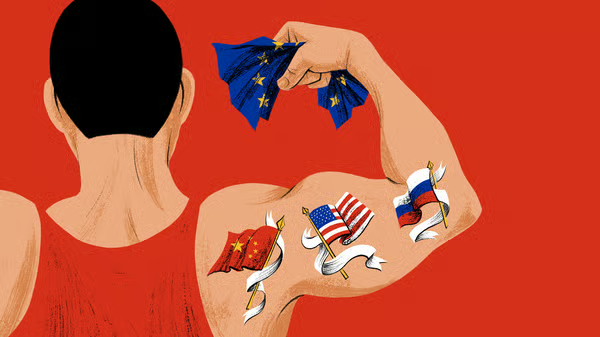
Something will be lost if people’s cultural habits become too insular. A Britain that served only British food and “Carry On” films would be bleak. Overall, though, one should welcome the increase in individual choice. And prepare for a world in which American soft power, which has long relied on the global dominance of Hollywood films and American pop music, will be weaker.
|
















 Listen