DSA: More Than Just Coding Interview Prereqs
Data Structures & Algorithms form the bedrock upon which exceptional systems, applications, and solutions are built. Their history is deeply intertwined with the evolution of computer science itself. Today, DSA stands as a cornerstone of computer science education and a critical skill set for software developers of all kinds.
DSA isn’t confined to a specific interview or job role — its principles are present in every aspect of software development.
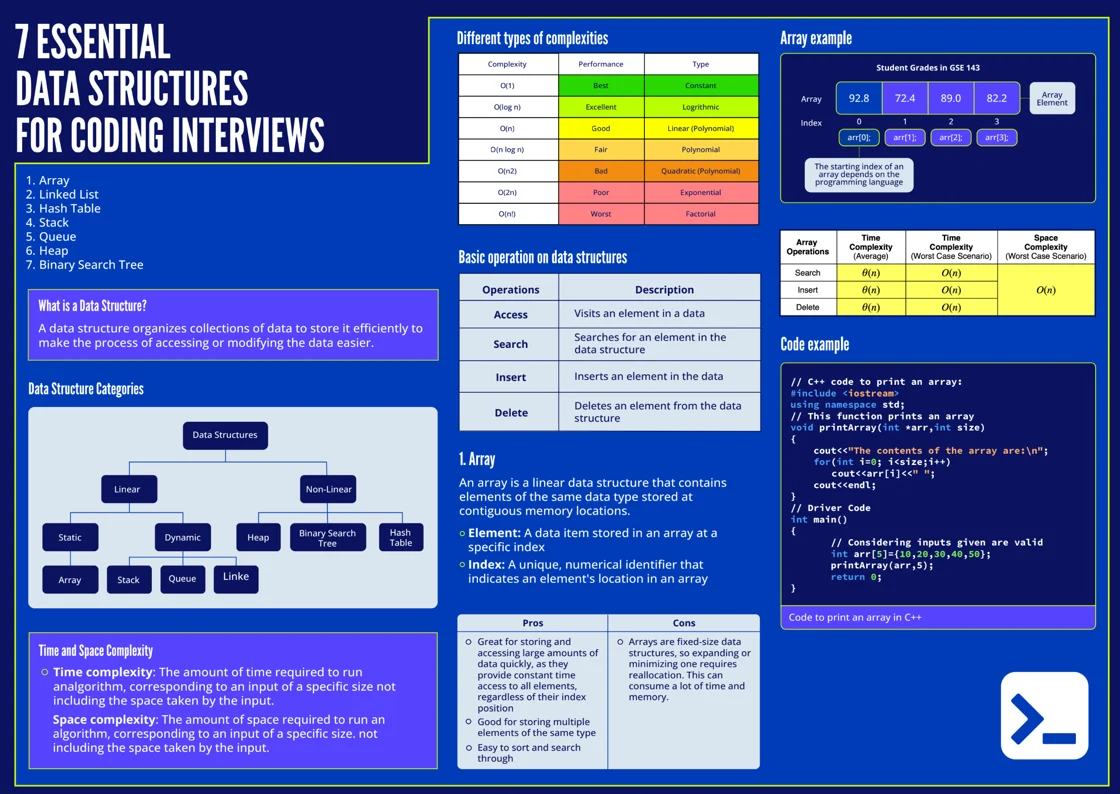
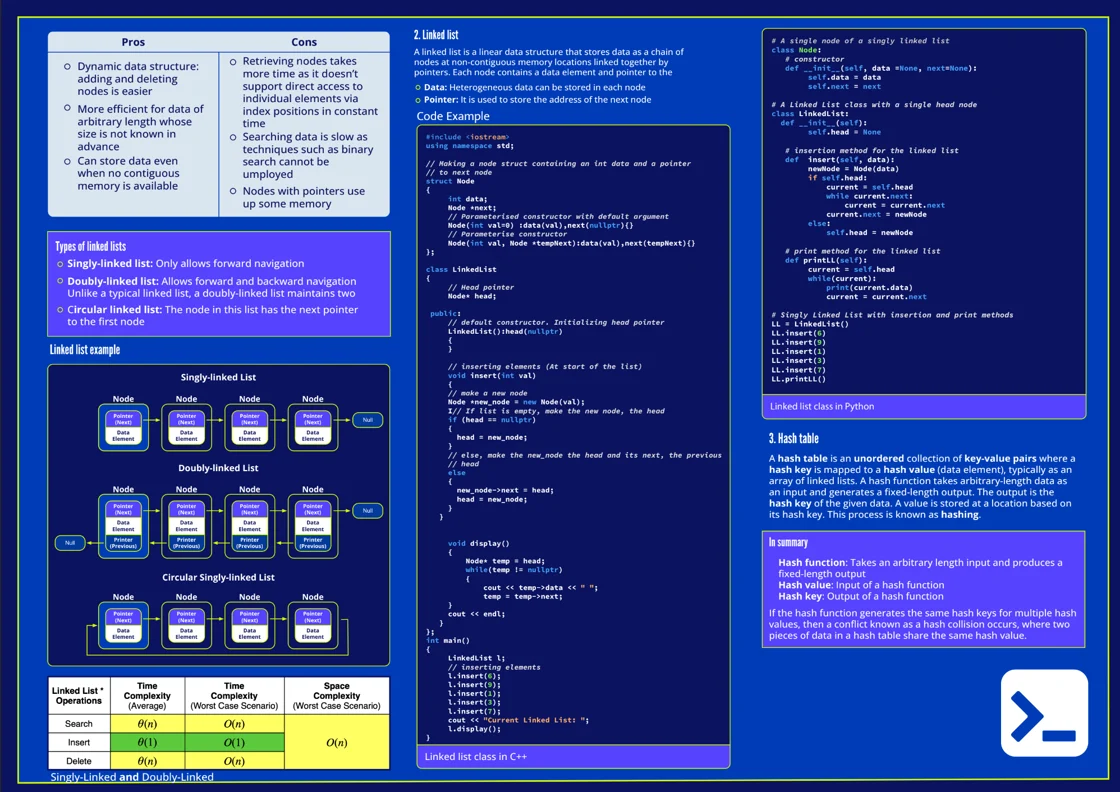
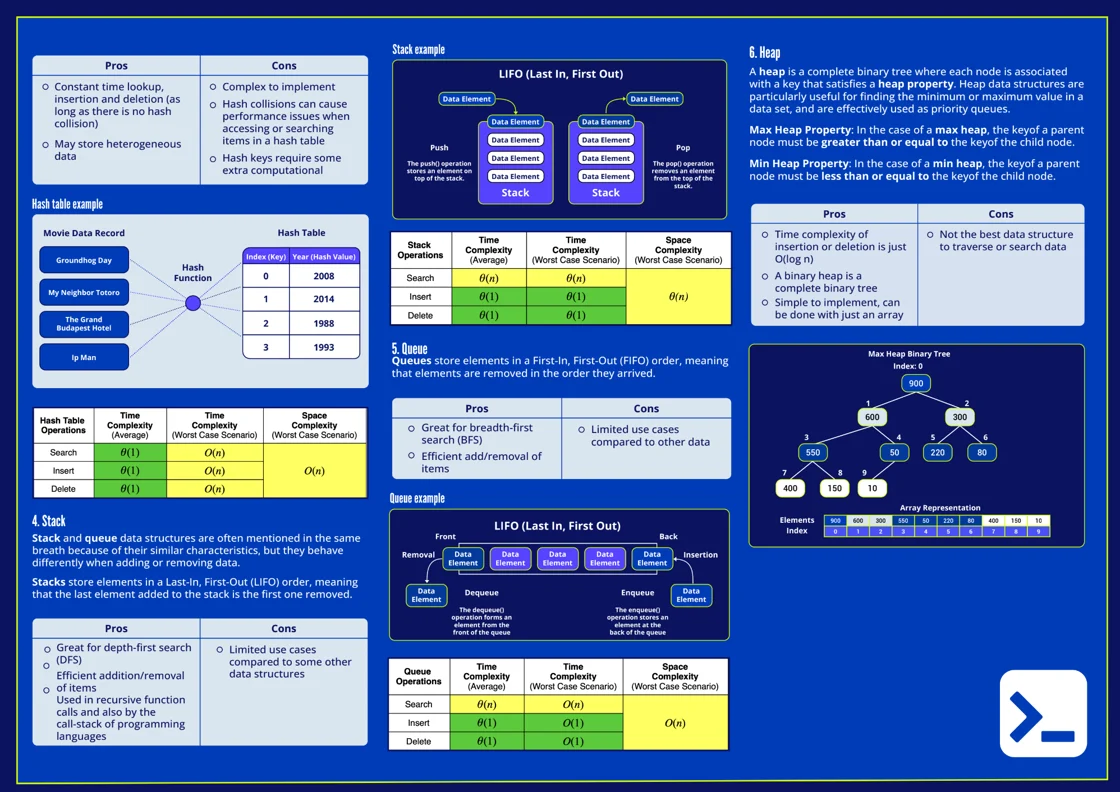
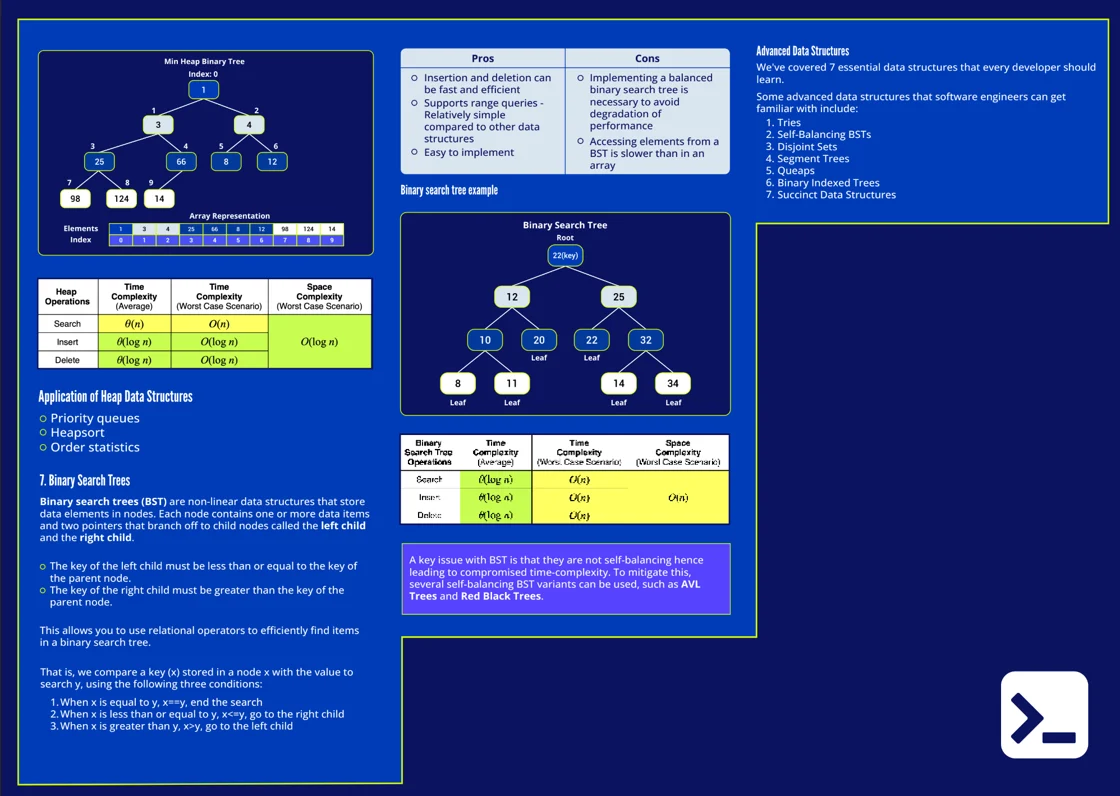
Data structures – i.e. the fundamental ways we store or represent data – involve things like arrays, linked lists, queues, and hash maps. Sound familiar?
Algorithms can be a bit more involved. Some important ones to learn (or re-learn) are Recursion, Insertion sort, and Binary Search. (Don’t worry: I’ll include a handy cheat sheet for these terms once we dive further into them).
You may recall from school that time and space complexity (sometimes referred to as Big O notation) are the measures we use to analyze algorithms. If you are preparing for interviews, I find it highly beneficial to review these concepts, as well. Having a solid understanding will assist you with optimizing algorithms, selecting the right data structures, and writing efficient code.
The more you delve into these concepts, the more equipped you’ll be to handle real-world scenarios that arise at work. Regardless of your specialization or seniority, it’s important to brush up on the fundamentals.
Embrace it, learn it, and apply it. Proficiency in DSA enhances your employability in the long run. Companies look to hire individuals who can demonstrate a concrete understanding of these concepts and can use them to efficiently solve problems in an applied setting.