 |
|
|
| What fiber is really doing inside your gut |
| You’ve probably heard that fiber keeps you regular, and the fibermaxxing crowd focuses mainly on that aspect of eating enough. But something important happens with fiber long before you go to the bathroom. |
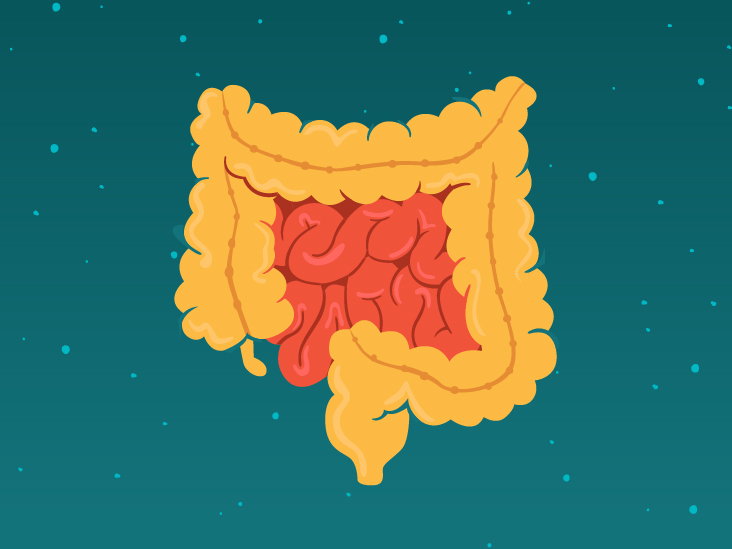
| When you eat fiber, your body doesn’t actually digest it. It travels to the large intestine, where beneficial gut bacteria ferment it, producing short-chain fatty acids. The most important of these SCFAs is butyrate.
|
| Butyrate is the main fuel source for the cells that line your colon. Research has shown that these cells get more than 70% of their energy from butyrate oxidation. Without enough of it, they become energy-starved, and the gut barrier that keeps bacteria and toxins out of your bloodstream starts to weaken. Butyrate also dials down inflammation and has been linked to a lower risk of colorectal cancer.
|
| So butyrate is important, but your gut bacteria can only make it for you if you give them the right raw materials. And that means prebiotics, like fiber.
|
| Today, we’re focusing on one type of fiber that butyrate-producing bacteria love: Resistant starch makes it all the way through the small intestine to arrive in the colon intact.
|
| When you cook starchy foods like potatoes, rice, or pasta and then let them cool off, a process called retrogradation converts some of the digestible starch into resistant starch. You don’t even have to eat them cold because reheating doesn't undo the effect (in the same way you can’t unscramble an egg). Last night’s leftover rice is doing more for your gut than a freshly boiled bowlful (just don’t leave it out for too long).
|
| Other good sources of resistant starch include green bananas, legumes, and oats. Prebiotic fibers, like inulin (found in garlic, onions, and leeks), also help by feeding the bacteria that produce butyrate further down the chain.
|
|
One footnote to all this: People with IBS, IBD, or SIBO should work with a dietitian to increase fiber strategically.
|
|
|
|
Want to learn more about food, diets, cooking, or some other nutrition subject? Let us know at [email protected] and we’ll look into it for you! (Heads up, we may use your response in an upcoming newsletter.)
|
|
|
|
| Regular updates |
| |
| |
 |
| Join Our Digestive Health Newsletter |
| Although digestive issues can be both unpleasant and disruptive, there are strategies to address the causes and ease symptoms. For expert advice and recipes, subscribe to our newsletter dedicated to digestive health. |
|
|
| Every product we recommend has gone through either Healthline’s or Optum Now’s vetting processes. If you buy through links on this page, we may receive a small commission or other tangible benefit. Healthline has sole editorial control over this newsletter. Potential uses for the products listed here are not health claims made by the manufacturers. Healthline and Optum Now are owned by RVO Health. |
| |
|
|
|
| |
|
|
|
| What we’re digesting |
| 🛏️ The best sleeping position for an overactive bladder. Fewer trips to the bathroom may start with how you lie down. |
| 🧴 Self-care strategies for managing psoriasis. Practical steps to ease flare-ups between treatments. |
| ⚡ How to live your best life as you age. 13 exercise, diet, and wellness tips for aging gracefully. |
| 💉 Where to buy Zepbound online. Your guide to getting a prescription for the GLP-1 weight loss med. |
|
| Until next time, |
 |
Take care of yourself, and we’ll see
you again soon! |
|
|
| |
 |
| This edition was powered by |
| aspirin.️ |
|
|