|
Hello, Here’s your recap of Examine’s August 2026 updates. You are currently receiving monthly deliveries of our weekly newsletters. If you want to hop back on to weekly deliveries, just click here.
Could your medications be depleting nutrients?August 6, 2026
It’s not news that medications have side effects and interactions. But can they also interfere with how we absorb or hold onto nutrients? Some medications can sometimes quietly act as a “tax” on your internal nutrient stores. And although these depletions don’t always cause any harm, they have the potential to trigger unexpected complications or otherwise unexplained symptoms, which can be corrected with supplementation of these nutrients in some cases. Let's dig in!
Proton pump inhibitors (PPIs) are often prescribed as gastroprotectants to reduce stomach acid; that part is well understood. What's less obvious is the impact on the absorption and/or elimination of some nutrients. Chronic (long-term) PPIs use can impair magnesium absorption, which can potentially lead to hypomagnesemia (low magnesium levels), especially in people with other risk factors for low magnesium. Sometimes magnesium supplements can fix this, but in other cases, stopping PPIs or switching to a different gastroprotector, such as histamine 2 receptor antagonists, might be necessary. And here's where it gets more interesting (or complicated). Magnesium is required to maintain proper calcium levels, so when magnesium drops, calcium might also follow, potentially leading to a condition called hypocalcemia. One domino hits another. Standard calcium supplements alone may not even work until the magnesium deficit is addressed first. As we say in Italy, where I’m from, “You don’t build a house’s roof before its walls”. However, to prevent the roof and the walls from falling in the first place (to prevent a serious deficiency in the first place), calcium and magnesium levels should be monitored in people who are on long-term PPIs, particularly those people with additional risk factors for these deficiencies.
Metformin, one of the most prescribed blood-glucose-lowering medications, can reduce vitamin B12 levels, though it remains uncertain whether this leads to a clinically significant vitamin B12 deficiency or not. But how it might deplete vitamin B12 is the interesting part. Metformin seems to interfere with calcium-dependent processes in the ileum (the final section of your small intestine), and vitamin B12 absorption in that region is itself dependent on calcium. To go back to our house analogy, think of the ileum cell’s membrane as the door, calcium as the key, yourself as vitamin B12, and metformin as that friend who accidentally jams the lock when trying to help. You (vitamin B12) are desperately trying to open the door (the ileum’s cell membrane) and get in, but your well-meaning friend (metformin) has interfered with the keys (calcium), and now you’re stuck outside. One possible workaround may be ensuring that there’s enough calcium available — essentially keeping extra copies of the key on hand. This mechanism and the role of calcium in metformin-induced vitamin B12 deficiency definitely needs further research, but some promising studies show that supplementation with calcium can improve vitamin B12 levels in people who take metformin. In the meantime, supplementation with vitamin B12 (in the form of tablets or injectables) remains the standard practice when a vitamin B12 deficiency occurs.
It’s not the first time I’ve heard “the pill can drain your body’s nutrients…it’s bad for you”. As a pharmacist, this one makes me twitch. Not because nutrient depletions aren't real — they are — but because stripping them of context is how misinformation spreads. So let's do what we always do here: look at the actual evidence, without the drama. Studies do show that oral contraceptives (also called “the pill”) can decrease magnesium levels. However, routine monitoring isn’t typically recommended unless there are signs of magnesium deficiency. People who have other risk factors for a magnesium deficiency should be monitored more closely, but that applies across the board, not just for those who are taking the contraceptive pill. The contraceptive pill has also been associated with lower folate levels, but like for magnesium, routine folate monitoring and supplementation aren’t recommended for most pill users. The exception is if you're planning a pregnancy, in which case you'd likely be stopping the pill anyway, and folate supplementation is recommended regardless. Oral contraceptives might also decrease calcium levels, but hypocalcemia has only been observed in people with preexisting risk factors, such as hypoparathyroidism. For most people, this simply isn't a concern. Finally, there's some early, low-quality evidence that the contraceptive pill may reduce vitamin C levels. However, this evidence is sparse and inconsistent, and no monitoring or supplementation is currently recommended on this basis alone. The takeaway isn't “the pill is bad for you.” That's not for me (or this newsletter) to decide. That conversation should happen between you and your doctor. What I can say is that being aware of these potential depletions, keeping an eye out for symptoms, and mentioning them to your healthcare provider if they arise is a reasonable, proportionate response.
Excessive alcohol isn't winning any health awards, but its effect on your nutrient stores is worth spelling out. It doesn't drain one thing, it hits several nutrients simultaneously like calcium, magnesium, and folate (vitamin B9). Alcohol can block folate absorption while accelerating the elimination of calcium and magnesium. Several leaks, one source. This is the kind of plumbing damage we want to avoid.
As I just mentioned, not all depletions work by blocking absorption. Sometimes the problem is that the body increases the elimination rate of a nutrient. If you are managing blood pressure with angiotensin converting enzyme inhibitors (ACEi), angiotensin II receptor blockers (ARBs), or thiazide diuretics, you may be quietly paying a zinc toll. Long-term use of these medications appears to increase zinc elimination via urine, and zinc is not a mineral you want to quietly wee away too much. Zinc contributes to our immune and brain function and plays a key role in hundreds of enzymatic reactions. The evidence around these drug-induced zinc depletions isn't always consistent, but it's consistent enough that monitoring for signs of zinc deficiency is generally recommended. Similarly, some antiepileptic medications such as phenobarbital and phenytoin can accelerate the metabolism (elimination) of vitamin D. This can potentially lead to lower calcium levels and an increased risk of bone fractures. The good news is that vitamin D supplementation tends to work well here, as long as levels are being monitored.
Drug-induced nutrient depletions aren't always apparent, and sometimes the evidence is early, sparse, or just inconsistent. So, although these might not make it to the main bill, I'd be doing you a disservice if I didn't flag some of the cracks that are worth keeping an eye on. Statins, for example, have long been associated with CoQ10 depletion. What remains uncertain is how much of a role this depletion plays in some of the muscle-related side effects that a minority of statin users experience, including muscle pain, myositis, and in rare cases, rhabdomyolysis. The connection is plausible but not yet established. Aspirin (acetylsalicylic acid) has been associated with an increased risk of iron deficiency, possibly through reduced absorption in the gut or iron chelation and increased elimination, though the evidence is early and inconsistent. Similarly, calcium channel blockers have shown a potential association with iron deficiency. In most cases, monitoring and supplementing with these nutrients is not recommended and is not part of standard guidelines yet. However, we can still be mindful of the fact that these deficiencies could occur and remember that a lack of evidence doesn’t equal safety!
Our body’s biology is fascinating yet complex, and we need to remind ourselves that it rarely moves in a straight line. Medications can nudge your nutrient balance in ways that don't announce themselves loudly. The goal isn't to distrust your treatments or discard all your tablets. It's to be aware of where the potential leaks are and (when possible) patch them, rather than discovering the deficit months down the line.
If you're the person on the other side of this conversation — the one who is asked, “Should I be taking magnesium with my PPI?” — we built Examine Clinician Edition specifically for you. The Supplement Navigator takes a patient's full regimen, flags supplement-drug and supplement-supplement interactions, shows you the evidence grade behind each one, and exports a plain-language handout that you can send home with them. It’s an all-in-one tool that makes your life easier. Free 14-day trial and 60 days to get your money back if it isn't useful
Supplement tip: Be careful with big pillsAugust 20, 2026
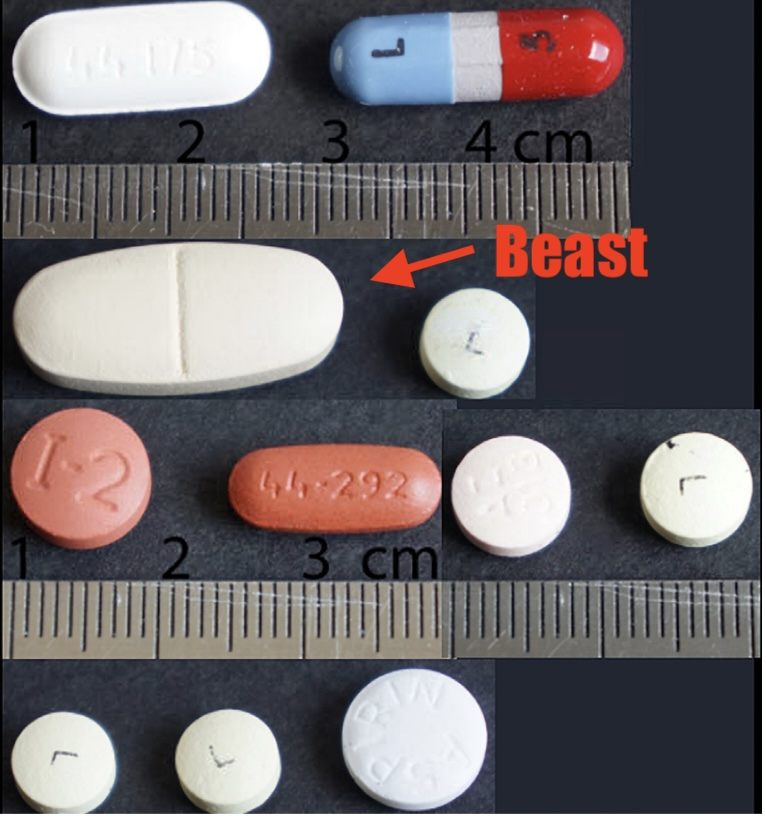
And given the choice, I’ll always choose a softer capsule—an outer shell filled with powder or liquid—over a harder tablet. More people should know about the problems big pills can cause. So I went to my town square to protest with an empowering homemade sign (“Where there’s a pill, there’s a will."). For some reason nobody showed up. So it falls on you, dear reader, to hear me out.
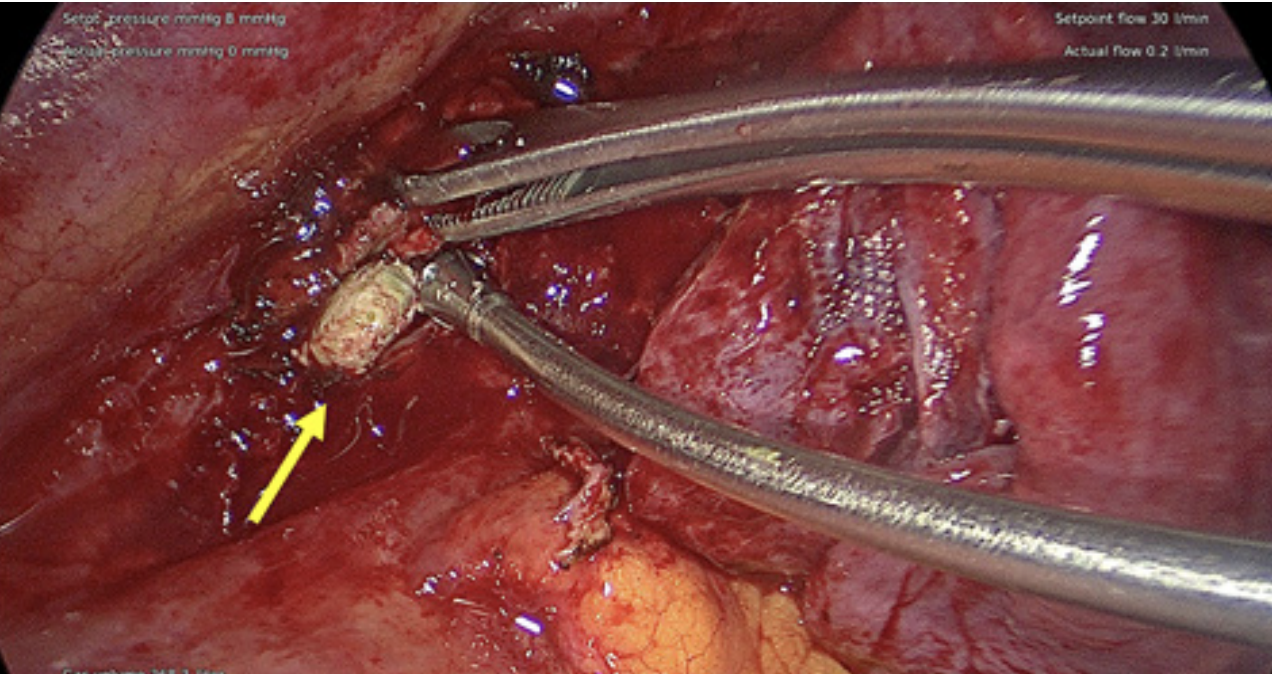
In a small study, 54% of adults surveyed said they at least sometimes had problems with pill swallowing. Research suggests bad pill-swallowing experiences can leave people generally averse to taking pills. That could have effects down the line if important pills are avoided. A landmark study in the New England Journal of Medicine showed that among adults aged 65 and over, 38% of supplement-related emergency room visits weren't due to side effects or interactions, but rather due to choking or discomfort caused by the pill going down the throat. In a case study, a large calcium-based bone-health pill caused an esophageal perforation. I don't want to fear-monger too much, since this is exceedingly rare, but check out "Figure 3: Intraoperative photograph demonstrating an intact calcium supplement pill in the mediastinal abscess cavity."
Note that in one study 17% of reported swallowing problems involved calcium supplements, while 73% involved multivitamins.
One study found that people with more taste receptors on their tongue (often called supertasters) had more difficulty swallowing pills. If this applies to you, take extra care. Swallowing issues are more common at older ages. If you're older or have older relatives who take supplements, let them know about this issue. Drink plenty of water with your pills, and avoid dry swallowing unless you're stuck in the desert without water and have to swallow a pill to save your life or determine the fate of the planet. If you have big or hard pills you have to take but find risky, ask your doctor or pharmacist if there are smaller options or if it's safe to use a pill cutter or crusher to reduce the size. Note that very small pills can also present challenges since they can’t always be physically sensed in the throat. A pet peeve of mine is when extra junk is packed into larger multivitamins for marketing purposes. Perhaps avoid those if you can. I actually have a kind of unique idea for a multivitamin, but, alas, Examine doesn't make supplements in order to maintain objectivity. If you liked or hated this email, reply to let me know. I aim to please. Unless you’re a big pill manufacturer, that is.
📅 Top 5 Study Summaries for August 2026August 27, 2026
The Study Summaries marked with ✏️ are Editor’s Picks, which provide more details about the study, mention related studies, and include helpful graphics. Body recomposition: How to gain muscle while losing fat ✏️ In this study in young adults who were getting regular resistance training, a high-protein/mildly hypocaloric diet led to fat loss while producing a similar amount of muscle gain as a high-protein eucaloric diet. This result may have been possible because the participants had moderate amounts of body fat; leaner people may not see the same results. Eating at night: An insult to health or a harmless practice? ✏️ In this crossover trial in young women, eating a late dinner did not clearly affect glycemic control, compared to an earlier dinner, but it did worsen both sleep quality and quantity. However, other studies don’t indicate that eating closer to bedtime negatively affects sleep, so for now, an individualized approach is probably best. Acetyl-L-carnitine may reduce depression symptoms In this meta-analysis of randomized trials, acetyl-L-carnitine considerably reduced depression symptoms and appeared to be about as effective as antidepressant medication in the trials that made that comparison. The results were promising, but we’d like to see higher-quality research to increase our confidence in this intervention. Drop-set training can be a time-efficient tool for gaining muscle ✏️ The findings in this meta-analysis reinforce previous findings that drop-set training can build muscle and strength just as well as traditional resistance training but in considerably less time. The trade-off is greater short-term fatigue and discomfort, which could reduce adherence and performance in subsequent training sessions. Creatine for improving fatigue related to long COVID ✏️ This study reported that supplementing with a moderate dose of creatine improved fatigue symptoms in participants with long COVID, whereas supplementing with a high dose of creatine did not provide benefits. Evidence from a couple of other studies also hasn’t shown a clear and consistent benefit. Therefore, it’s too soon to say whether creatine is a useful supplement for long COVID.
So, did you find something of interest? If not, please reply to this email to let me know which topics you’d like us to tackle. And if you’re ready to stay on top of the latest research, you can try out a free 7-day trial of Examine+ or a 14-day free trial of Examine Clinician Edition.
|

US
·
examine.com
[Examine Newsletter] August 2026 Updates
See what’s new at Examine over the past month!
This email was sent

Is this your brand on Milled? Claim it.
|
|