West African Photography
by
Henrik Riis
A
key point from the panel discussion at the recent
‘Africa Table’ held at Sociëteit
De Witte in The Hague, is that the visible success
of the African art scene follows the rising
power of the continent.
One genre that continues to excel is the photographic
work that emerged in the fifties and sixties,
pioneered by a group of artists from Cameroon,
Côte d'Ivoire, Mali and Nigeria.
The soulful magic of West African photography
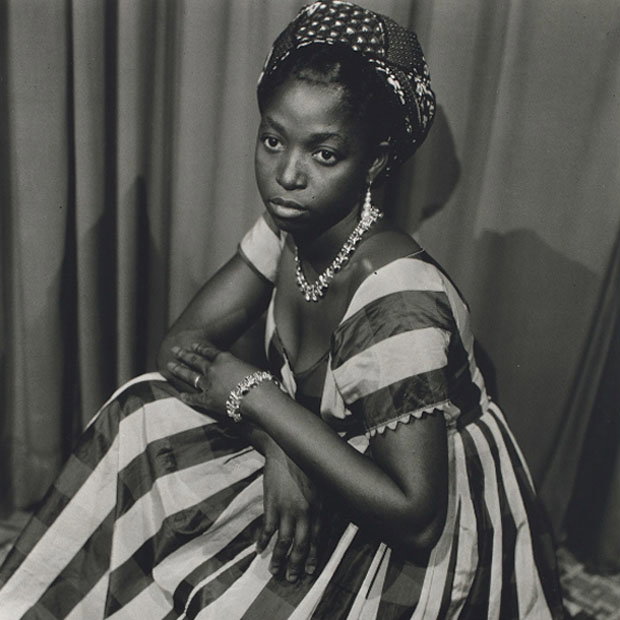
blooms from everyday life. Early studio photographs
by Seydou Keïta (b. 1921
– 2001) portray the residents of the Malian
capital, often captured in frames of young women
in flowing patterned textiles, or easy-going
family group photos. Contrary to Keïta,
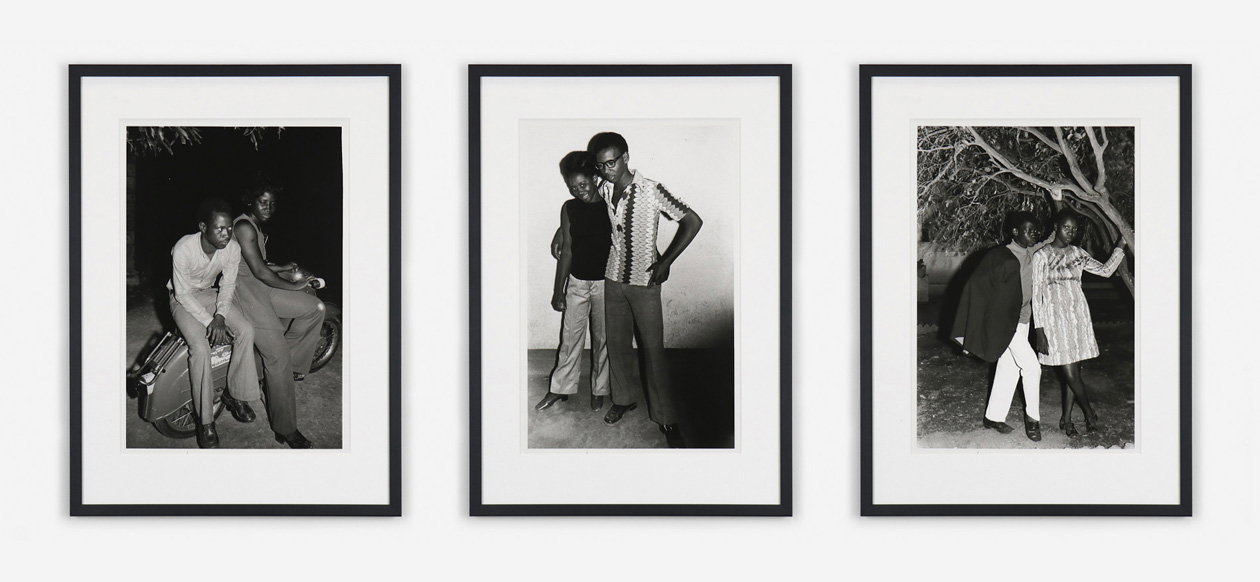
Malick Sidibé (b. 1936
– 2016) took his handheld camera out of
the studio and into the nightlife of Bamako
to find the euphoria of a newly independent
Mali. The significance of Keïta’s
and Sidibé’s works placed Bamako
as the epicentre of African photography.
For a younger generation, their focus became
African history and identity.
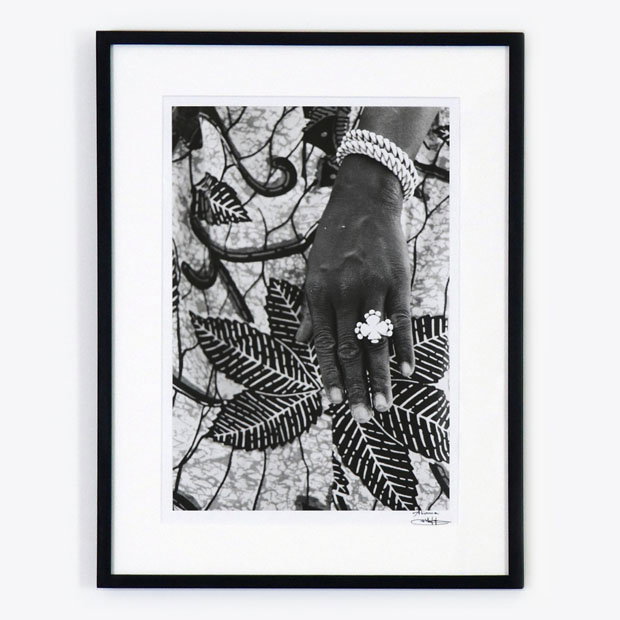
Alioune Ba (b. 1959) found
poetry in Malian details, freezing woven textures
and handcrafted jewellery in time. Yet, as modernity
shifted the landscape, other artists documented
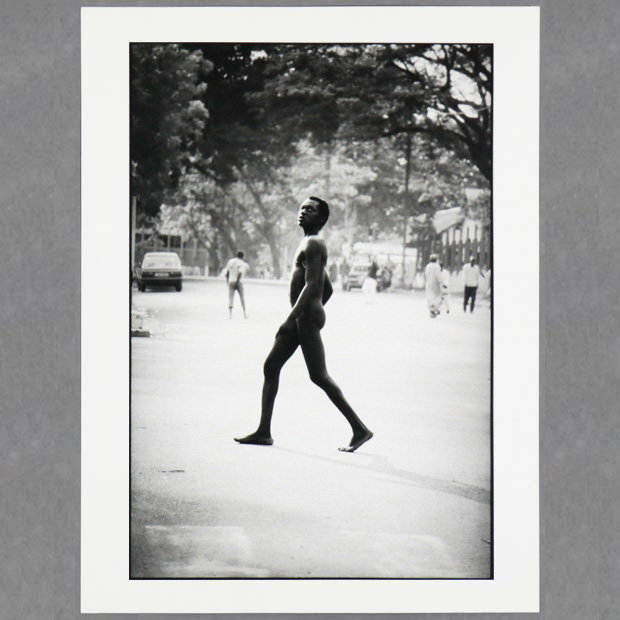
a changing world. Doris Haron Kasco
(b. 1966) poignantly captured the marginalized
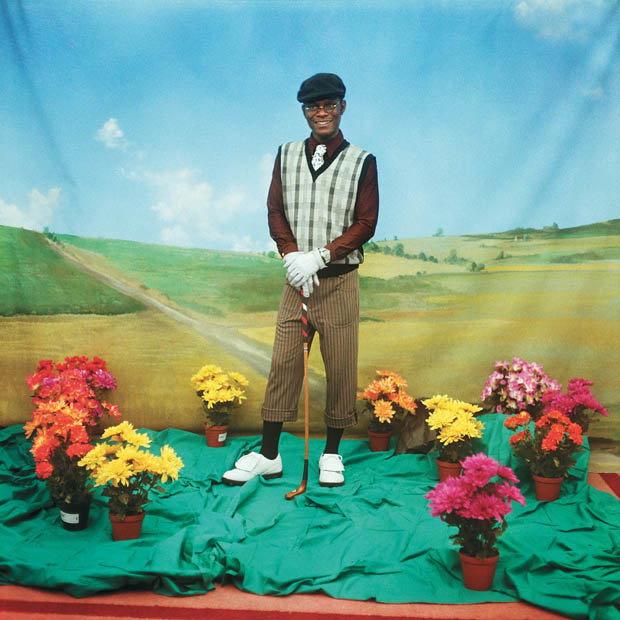
in Les fous d’Abidjan, while Samuel
Fosso (b. 1962) revolutionized the
self-portrait to brilliantly satirize political
power.
Discover Eyestorm's exclusive selection of defining
West
African photography here.